
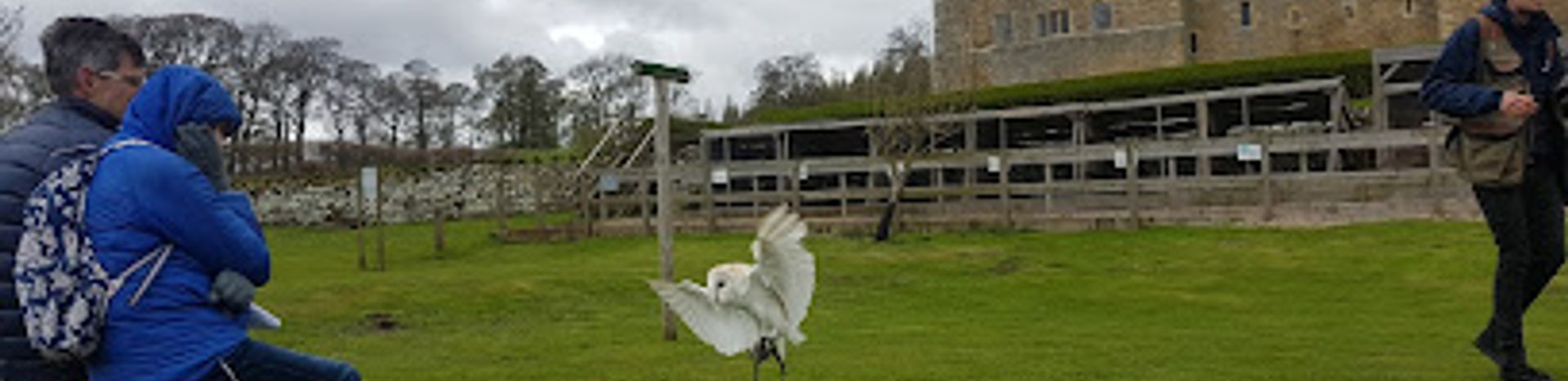
Bolton Castle: A Majestic Medieval Fortress in North Yorkshire
Explore Bolton Castle, a stunning 14th-century fortress in North Yorkshire, famed for its medieval architecture and Mary, Queen of Scots’ imprisonment.
Bolton Castle is a remarkably well-preserved 14th-century quadrangular castle located near Leyburn in North Yorkshire. Built between 1378 and 1399 by Sir Richard le Scrope, Lord Chancellor to Richard II, it combines formidable medieval military architecture with comfortable living quarters. The castle is famed for its role as the prison of Mary, Queen of Scots, who stayed here for six months in 1568-69. Surrounded by deer parks and scenic views of Wensleydale, Bolton Castle offers a captivating glimpse into England’s medieval past.
A brief summary to Bolton Castle
- North Yorkshire, Nr Leyburn, DL8 4ET, GB
- +441969623981
- Visit website
- Duration: 1.5 to 3 hours
- Mid ranged
-
 Outdoor
- Mobile reception: 4 out of 5
Local tips
- Wear comfortable shoes as the castle has uneven stone floors and spiral staircases that can be challenging.
- Visit during spring to autumn months when the castle’s gardens and falconry displays are at their best.
- Allow at least two hours to explore the castle, grounds, and enjoy the on-site café and exhibitions.
- Check for special events like guided tours or falconry shows to enrich your visit.

For the on-the-go comforts that matter to you
- Restrooms
- Drink Options
- Food Options
- Seating Areas
- Picnic Areas
- Information Boards
- Visitor Center
Getting There
-
Car
Driving from Leyburn, the nearest town, takes approximately 15 minutes via the A684 and minor roads. Parking is available on-site for a fee. The roads are rural but well-maintained; suitable for all vehicles.
-
Bus
Local bus services connect Leyburn to Bolton Castle with limited frequency, mainly from April to October. The journey takes about 25-30 minutes. Check seasonal timetables in advance as services may be infrequent.
-
Walking
For active visitors, a scenic 5 km walk from Leyburn to Bolton Castle takes around 1 to 1.5 hours over mostly gentle terrain with some uneven paths. Suitable for those with moderate fitness; not recommended for wheelchair users.
Bolton Castle location weather suitability
-
 Any Weather
-
 Clear Skies
-
 Mild Temperatures
-
 Rain / Wet Weather
Discover more about Bolton Castle
Architectural Grandeur of a 14th-Century Fortress
Bolton Castle stands as a prime example of a quadrangular castle, constructed over two decades from 1378 to 1399 by Sir Richard le Scrope, a powerful figure serving as Lord Chancellor to King Richard II. The castle’s design features four robust corner towers enclosing a rectangular courtyard, with defensive elements such as machicolations and portcullises protecting every internal access point. Unlike many fortresses of its time, Bolton Castle was built not only for defense but also for comfort, with spacious private apartments on the upper floors and innovative smoke ventilation tunnels noted by the 16th-century antiquary John Leland.Historical Significance and Royal Connections
Beyond its architectural merits, Bolton Castle is renowned for its historical role as the prison of Mary, Queen of Scots. After her defeat at the Battle of Langside in 1568, Mary was held here for six months under the watch of Sir Francis Knollys. During her captivity, she resided in the south-west tower’s apartments, which were once the lady of the castle’s chambers, complete with luxuries such as a private toilet. Mary was allowed to roam the grounds and even hunted in the surrounding deer parks, learning English during her stay. The castle’s history is also marked by its involvement in the English Civil War, during which it sustained damage but remained largely intact.Surrounding Landscape and Grounds
The castle is set within an extensive medieval landscape featuring high-walled deer parks that survive to this day, symbolizing the status and wealth of the Scrope family. The surrounding area offers scenic views over the ancient Forest of Wensleydale and remnants of medieval field systems and prehistoric settlements nearby. The original gardens, although not fully documented, once covered nearly 20 acres, contributing to the castle’s grandeur as a noble residence.Preservation and Visitor Experience
Bolton Castle remains in the ownership of the Scrope family descendants and is a Scheduled Ancient Monument and Grade I listed building. Conservation efforts in the late 20th century have stabilized its walls and preserved its historic fabric. Visitors can explore the castle’s grand halls, dungeons, and towers, as well as enjoy attractions such as a falconry display, children’s trails, and a café. The castle grounds include picnic areas and open parkland, making it a family-friendly destination rich in history and natural beauty.Legacy of the Scrope Family and Cultural Heritage
The Scrope family’s influence is woven into the castle’s story, from its construction by Richard le Scrope to its role in regional and national conflicts. The castle’s ties to notable historical figures, including kings and queens, reflect its importance as both a military stronghold and a noble home. Its enduring presence offers insight into medieval life, feudal power, and the complex history of northern England.Modern-Day Attractions and Events
Today, Bolton Castle hosts a variety of events, including historical reenactments and paranormal evenings, capitalizing on its rich past and reputed haunted reputation. Visitors can enjoy guided tours that delve into the castle’s architecture and stories, making it a vibrant cultural site that bridges centuries of English history with contemporary engagement.Iconic landmarks you can’t miss

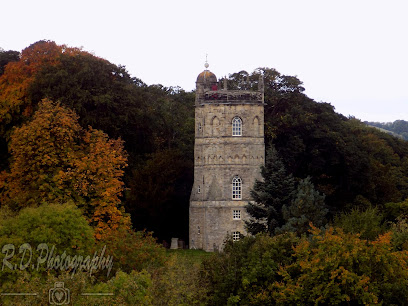
Culloden Tower
16.0 km
Historic Culloden Tower in Richmond offers a unique self-catering stay blending heritage charm with modern comfort in Yorkshire’s scenic market town.
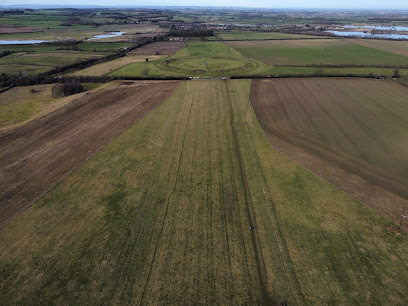
Thornborough Henges
28.1 km
Explore the awe-inspiring Thornborough Henges, a vast Neolithic ritual landscape known as the Stonehenge of the North, free to visit and steeped in ancient mystery.
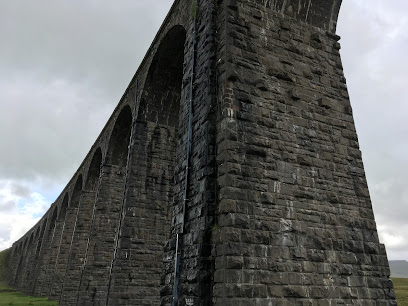
Ribblehead Viaduct
30.0 km
Explore the awe-inspiring Ribblehead Viaduct, an architectural marvel surrounded by the breathtaking beauty of the Yorkshire Dales.
Westmoreland Street
35.4 km
Explore Darlington from Westmoreland Street, your hub for transport, local culture, and historical attractions in County Durham.
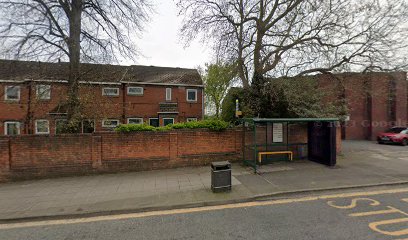
Ripley Castle
39.9 km
Explore the enchanting Ripley Castle, a historic gem offering stunning architecture, beautiful gardens, and a glimpse into England's rich heritage.
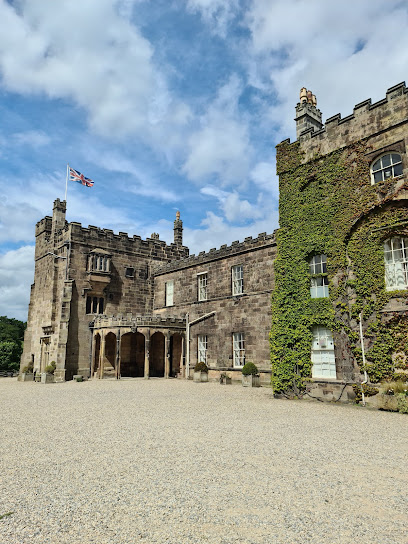
Mount Grace Priory, House and Gardens
41.9 km
Explore the serene beauty of Mount Grace Priory, a historical landmark in North Yorkshire, where tranquility meets captivating history in stunning gardens.
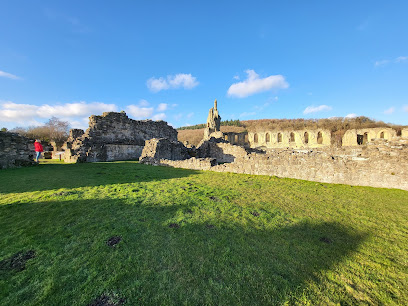
Binchester Roman Fort
43.2 km
Discover the fascinating history of Binchester Roman Fort, an archaeological wonder in the heart of North East England, where ancient Roman life comes to life.
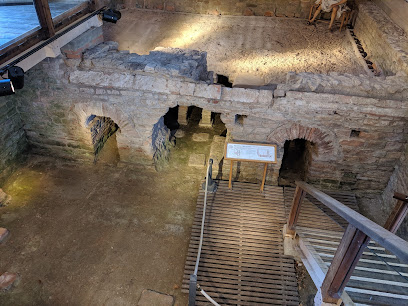
The Norman Centre
44.8 km
Uncover the historical marvels of The Norman Centre in Appleby-in-Westmorland, where medieval architecture meets rich storytelling.
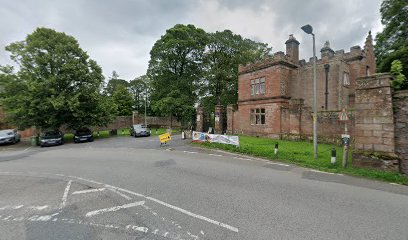
Aldborough Roman Site
45.0 km
Explore Aldborough Roman Site, a historical gem showcasing exquisite mosaics and the remnants of a vibrant Roman settlement in the heart of Yorkshire.
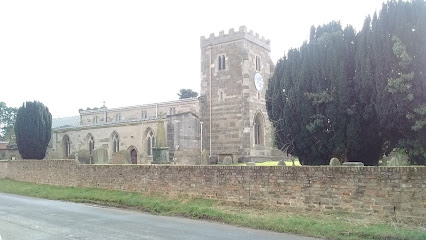
The Westmorland Family
45.1 km
Discover comfort and local flavors at The Westmorland Family, a charming rest stop in Orton, Penrith, perfect for travelers exploring Cumbria.
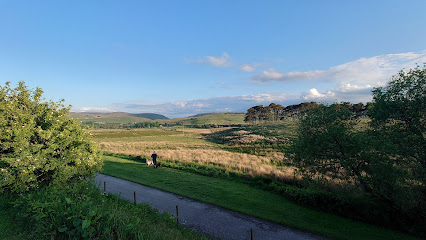
The Stray
46.0 km
Discover the beauty and tranquility of The Stray, a historic parkland oasis in Harrogate, perfect for leisurely strolls and family picnics.
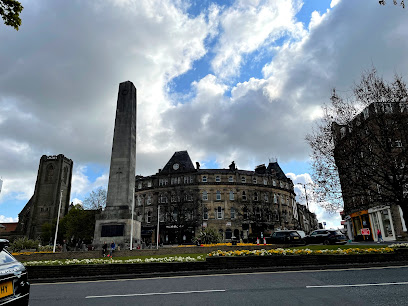
Mother Shipton's Cave
46.6 km
Explore the mystical Mother Shipton's Cave in Knaresborough, where history, legend, and natural beauty converge for an unforgettable experience.

Knaresborough Castle and Courthouse Museum
46.9 km
Discover Knaresborough Castle and Courthouse Museum, a historical gem overlooking the River Nidd, showcasing England's rich heritage and stunning views.
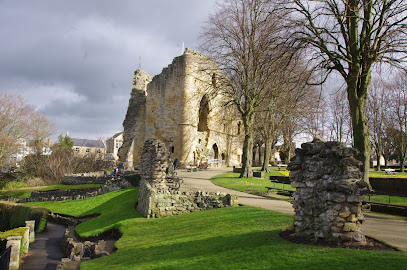
St Robert's Cave
48.4 km
Discover the serenity and historical significance of St. Robert's Cave in Knaresborough, a must-visit for history and nature enthusiasts.
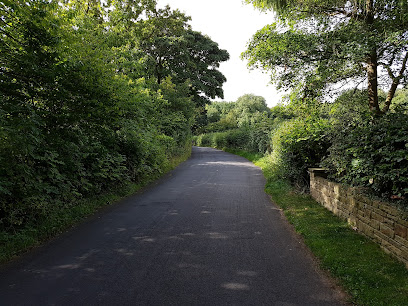
Almscliffe Crag
48.7 km
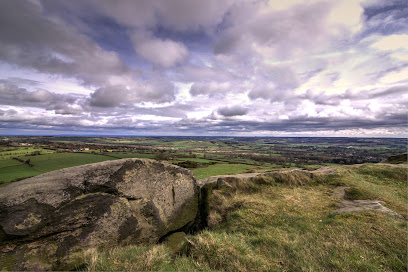
A majestic Millstone Grit outcrop near Leeds and Harrogate, famed for climbing, sweeping valley views, and rich folklore.
Unmissable attractions to see

The Wensleydale Experience
2.8 km
Experience authentic rural charm and stunning valley views in cozy yurts at The Wensleydale Experience, a tranquil farm stay in the Yorkshire Dales.
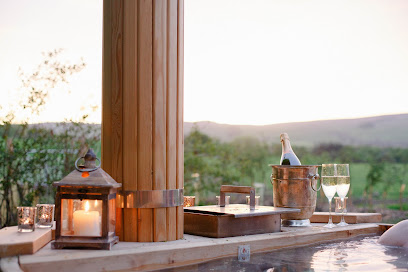
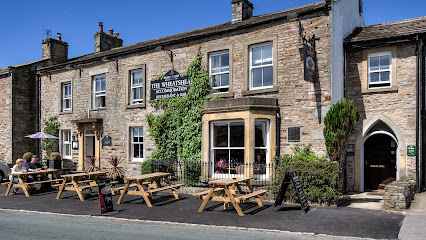
The Wheatsheaf Inn
3.2 km
Traditional Yorkshire hospitality in the heart of Wensleydale—comfort, cuisine, and countryside charm.
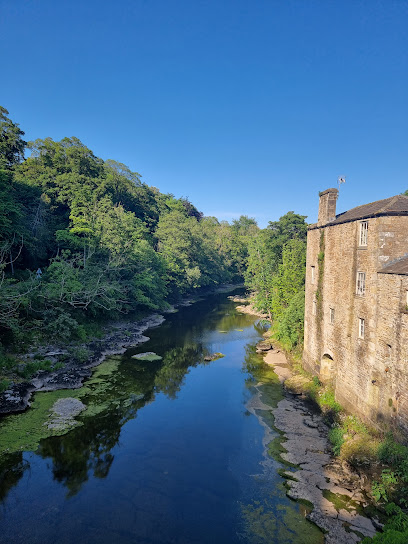
Aysgarth Falls Yorkshire Dales National Park Visitor Centre
3.8 km
Explore the stunning three-tiered Aysgarth Falls and enjoy welcoming facilities in the heart of the Yorkshire Dales National Park.
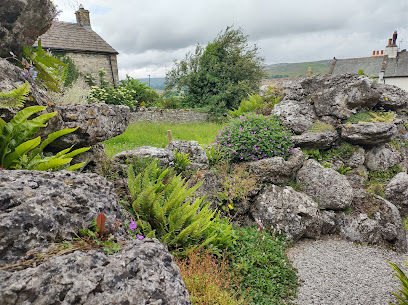
Aysgarth Edwardian Rock Garden
4.7 km
Discover a tranquil Edwardian-era limestone rock garden with winding paths, arches, and a waterfall nestled in the heart of Aysgarth village.
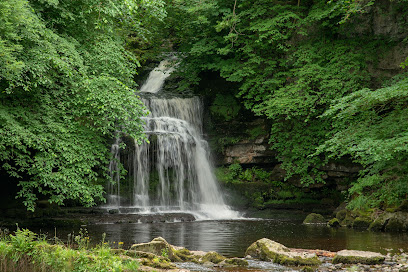
Cauldron Falls
5.4 km
Discover the serene beauty and historic charm of Cauldron Falls, a picturesque waterfall with a deep plunge pool in the heart of West Burton village.
Wensley Waterfall
6.2 km
Discover the tranquil charm of Wensley Waterfall, a hidden cascade nestled in historic Wensley village within the scenic Yorkshire Dales.
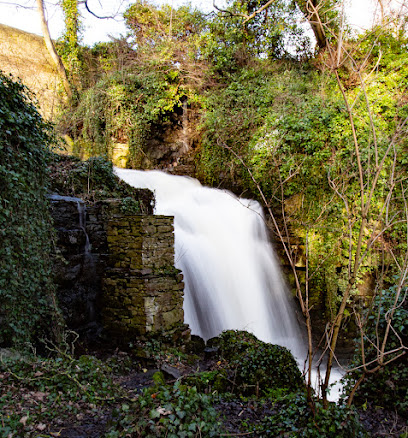
Dales Bike Centre
7.1 km
Legendary cakes and world-class cycling at the gateway to the Yorkshire Dales.
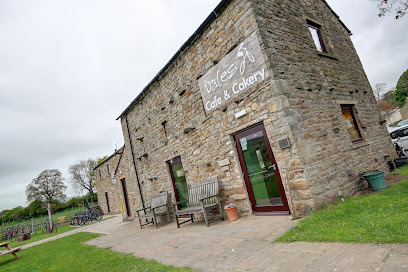
Swaledale Museum
7.4 km
Discover the rich heritage and traditional life of Swaledale at this engaging local history museum in the heart of Reeth.
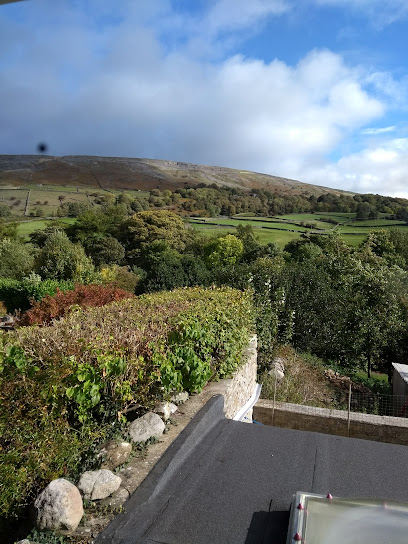
The Dalesman's Club
7.8 km
A welcoming sports club in Leyburn with lively events, excellent sports viewing, and a true community spirit in the heart of town.
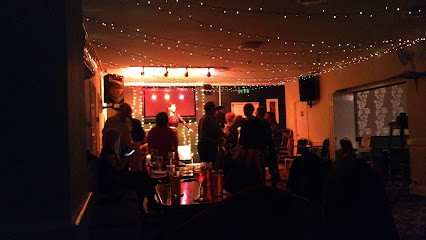
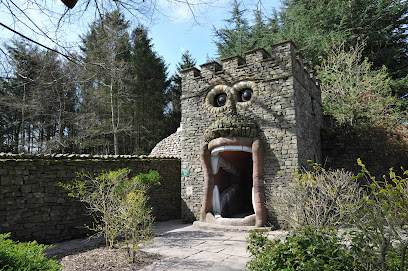
The Forbidden Corner
8.0 km
Explore a magical labyrinth of tunnels, follies, and whimsical surprises in the heart of the Yorkshire Dales at The Forbidden Corner.
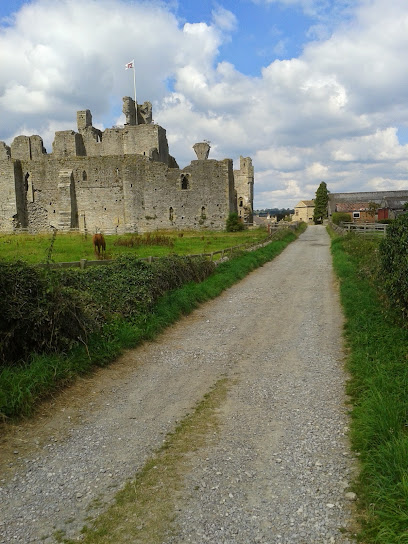
Middleham Castle
10.2 km
Explore the majestic ruins of Middleham Castle, childhood home of Richard III and a symbol of medieval power in North Yorkshire.
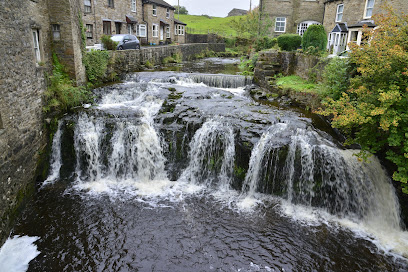
Yorkshire Dales National Park Authority
10.3 km
England's limestone heartland: where heritage records meet wild moorland and welcoming valleys.
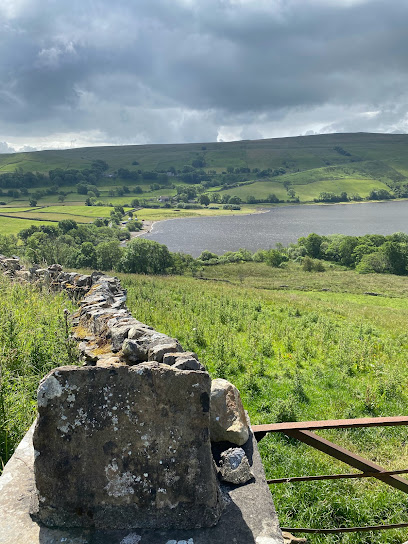
Semer Water Nature Reserve
12.4 km
Discover the serene beauty and rich wildlife of Semer Water, a rare natural lake and nature reserve in the heart of the Yorkshire Dales.
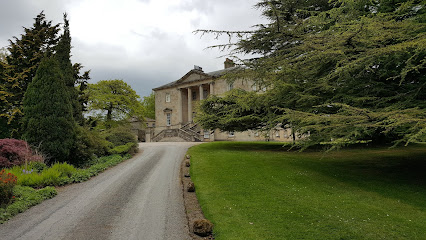
Constable Burton Hall & Gardens
12.9 km
Discover the serene beauty and exclusive heritage of Constable Burton Hall & Gardens, a private Georgian estate near Leyburn, Yorkshire.
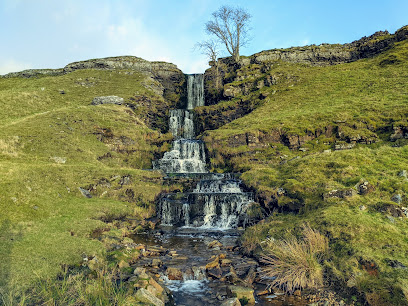
Middle Falls
15.0 km
Discover the tranquil charm of Middle Falls, a hidden waterfall gem nestled in the scenic Yorkshire Dales near Buckden.
Essential places to dine

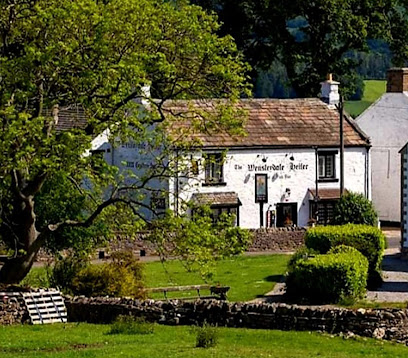
Wensleydale Heifer
4.3 km
Luxury boutique hotel and acclaimed fine dining in the heart of the Yorkshire Dales, offering themed rooms and local culinary delights.
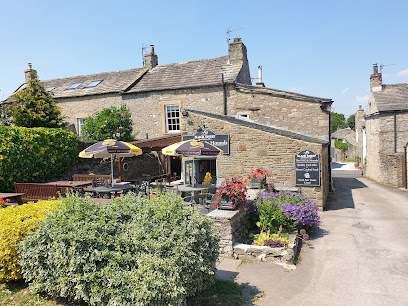
The Fox & Hounds Inn
4.4 km
Experience authentic Yorkshire hospitality at The Fox & Hounds Inn in West Witton - where comfort meets tradition.
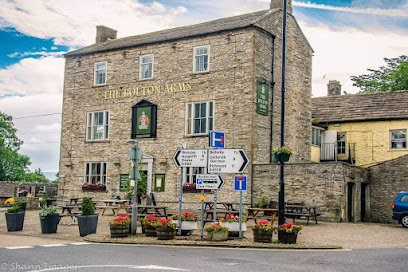
The Bolton Arms
7.8 km
Historic Yorkshire pub offering hearty home-cooked meals, local ales, and a warm, dog-friendly atmosphere in the heart of Leyburn.
The Foresters Arms
7.9 km
A welcoming community pub in picturesque Carlton-in-Coverdale, blending traditional charm with quality food and local spirit.
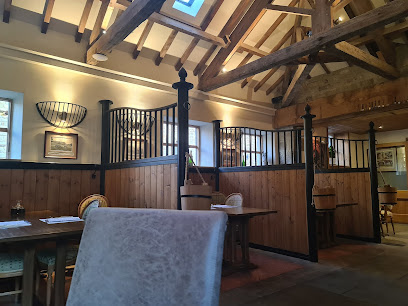
The Saddle Room Restaurant
8.0 km
Experience refined English dining and boutique comfort in the tranquil countryside of Leyburn’s historic Tupgill Park Stables.
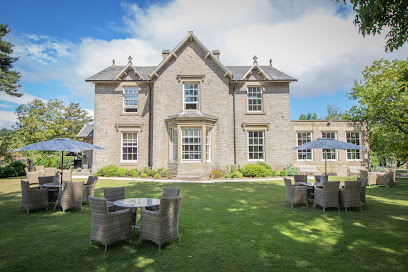
Yorebridge House
10.0 km
Experience refined luxury and serene beauty at Yorebridge House, a boutique 5-star retreat in the heart of the Yorkshire Dales.
Sycamore Restaurant
10.1 km
Authentic British dining with rustic charm in the scenic village of Bainbridge, celebrating local flavors and warm hospitality.
The Blue Lion Inn, Pub and Restaurant with Accommodation
12.5 km
Quintessential Yorkshire Dales inn blending rustic charm, hearty cuisine, and cozy accommodation in the heart of East Witton village.
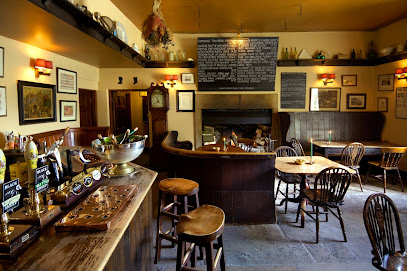
Stone House Hotel
15.4 km
Elegant Edwardian country house hotel offering scenic Yorkshire Dales views, refined dining, and warm hospitality near Hawes.
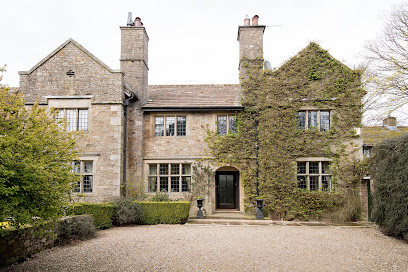
The White Hart Inn, Hawes
16.2 km
A cozy, traditional Yorkshire pub and inn in Hawes offering hearty local fare, comfortable rooms, and warm Dales hospitality.
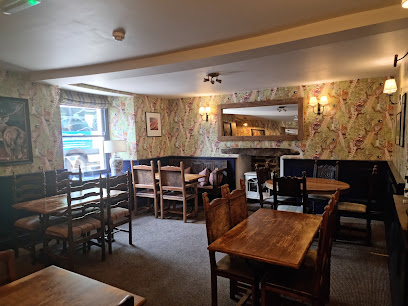
The Crown Hawes
16.3 km
A traditional Yorkshire Dales pub offering hearty meals, local ales, and warm hospitality in the heart of Hawes Market Place.
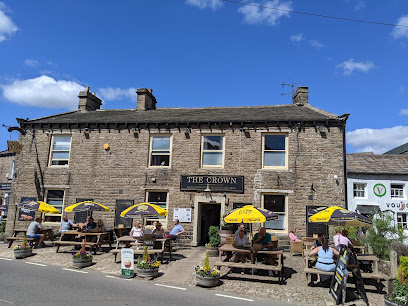
Where There's Smoke Restaurant
22.0 km
Experience bold smoky flavors and artistic dining in Masham’s Michelin-starred Where There's Smoke, a unique culinary gem with local roots.
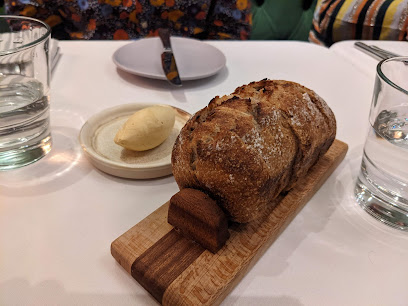
Hansom Restaurant and Wine Bar
23.4 km
Intimate fine dining in a historic Bedale house, offering modern tasting menus with local produce and expertly paired wines.
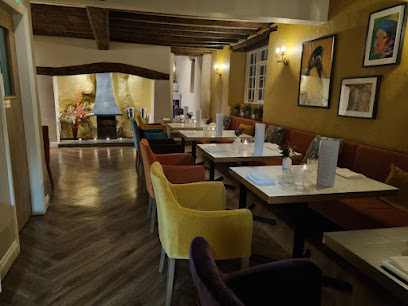
Black Bull Inn
23.5 km
Experience authentic Yorkshire hospitality with award-winning pub cuisine, seasonal local produce, and a warm, inviting atmosphere in the heart of Moulton.
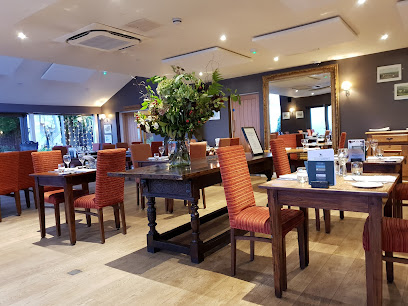
The Old Hall Inn
28.6 km
Historic charm and hearty Yorkshire hospitality await at The Old Hall Inn in the heart of Grassington village.
Markets, malls and hidden boutiques

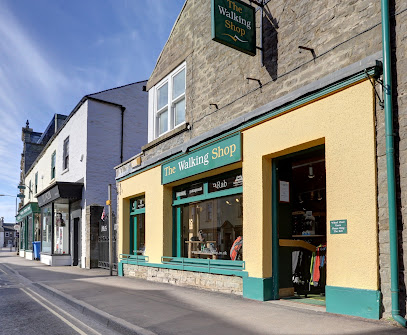
The Walking Shop
7.8 km
Your trusted outdoor gear specialist in Leyburn, offering expert advice and quality equipment for Yorkshire Dales adventures.
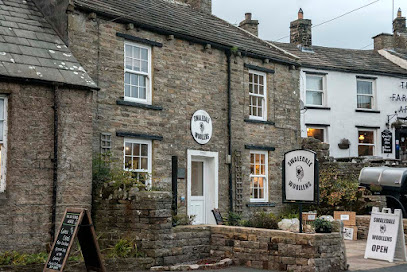
Swaledale Woollens
13.8 km
Discover authentic, handmade woollen knitwear crafted by local artisans in the heart of the Yorkshire Dales at Swaledale Woollens.
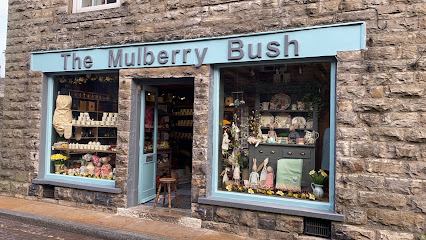
The Mulberry Bush and Yorkshire Sheepskins
16.1 km
A charming Yorkshire gift shop in Hawes offering unique sheepskins, local crafts, and a warm, traditional welcome.
The Old Barnard Castle Curiosity Shop
24.7 km
Discover quirky crafts and unique treasures in the heart of historic Barnard Castle at this charming curiosity shop.
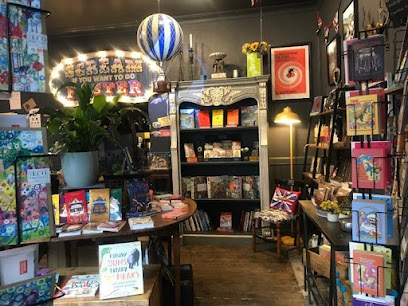
Church Gallery
30.9 km
A multi-level gem in Kirkby Stephen: browse quirky gifts and cards, sip coffee, and shop ladies’ clothes in a dog-friendly, relaxed café-shop hybrid.
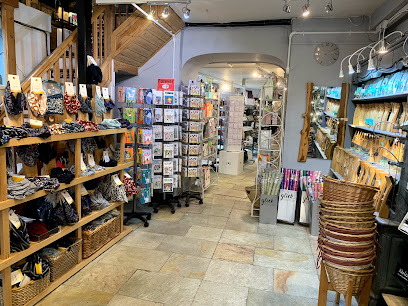
Dent Stores B&B
33.1 km
Historic Dent village B&B blending traditional charm with modern comfort and a top-rated breakfast in the heart of the Yorkshire Dales.
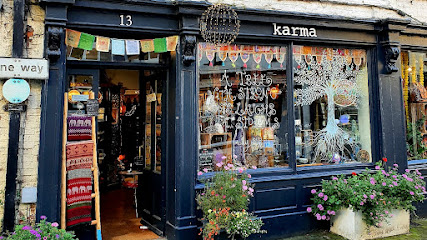
Karma - Clothing & Gift Boutique
34.7 km
Discover sustainable bohemian fashion and unique handcrafted gifts in Ripon’s vibrant Karma boutique.
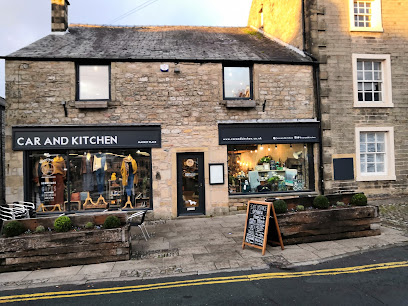
C&K
35.3 km
A charming independent lifestyle store and café in Settle’s Market Place, blending boutique shopping with local flavors and welcoming ambiance.
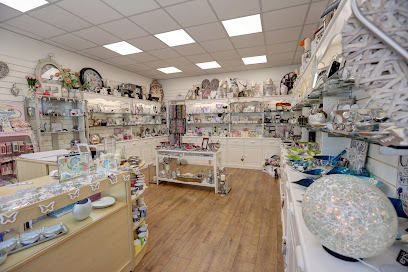
Hillside Toys -Farm Models & Toys
39.0 km
Discover a nostalgic world of farm models and classic toys at Hillside Toys in Ingleton, where agricultural heritage comes to life.

Unique Gifts
40.6 km
Discover handcrafted treasures and unique local gifts in the heart of Thirsk’s historic Market Place.
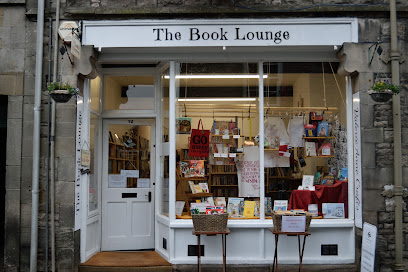
The Book Lounge
44.1 km
Discover a cozy haven of books, puzzles, and community spirit in the heart of Kirkby Lonsdale’s historic Main Street.
Farm Shop (Westmorland)
44.9 km
Discover the flavors of the countryside at Westmorland Farm Shop, where local produce meets a delightful shopping experience.
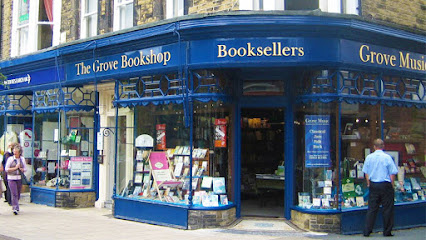
Grove Bookshop
44.9 km
A warm, independent bookshop in Ilkley’s heart, perfect for browsing new releases, children’s books, travel guides and local events.
Branthwaites of Appleby
45.1 km
Discover unique local gifts and warm hospitality at Branthwaites, a charming shop nestled in the historic heart of Appleby-in-Westmorland.
Antiques on High Harrogate
45.1 km
Discover timeless treasures and vintage charm at Antiques on High, Harrogate’s premier destination for quality antiques and collectibles.
Essential bars & hidden hideouts

Aysgarth Falls Hotel & Restaurant
4.2 km
Charming hotel with stunning Yorkshire Dales views, fine dining, and cozy rooms near the iconic Aysgarth Falls.
Street head inn
6.9 km
A cozy Yorkshire Dales pub with hearty meals, local ales, and stunning countryside views in Newbiggin near Leyburn.
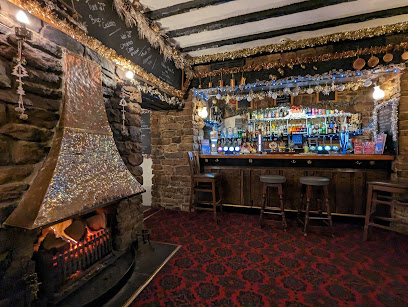
The Crown Inn
8.4 km
A friendly, family-run pub in Askrigg offering hearty local food, fine ales, and a warm Yorkshire welcome in the heart of the Dales.
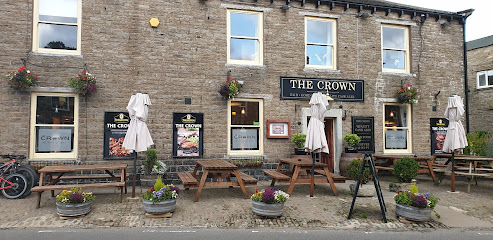
The King's Arms Hotel
8.5 km
Historic Yorkshire Dales pub and hotel famed for warm hospitality, hearty local fare, and charming traditional rooms in Askrigg village.
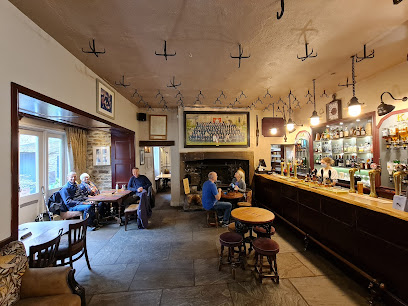
Yorkshire Dales Brewery
9.1 km
Experience authentic Yorkshire craft beers and seasonal taproom charm in the heart of the stunning Yorkshire Dales.
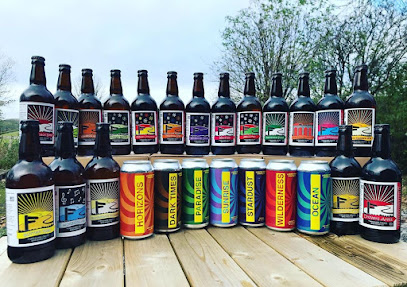
Farmers Arms
13.8 km
A beloved traditional pub in Muker offering hearty food, cozy charm, and a welcoming atmosphere in the heart of the Yorkshire Dales.
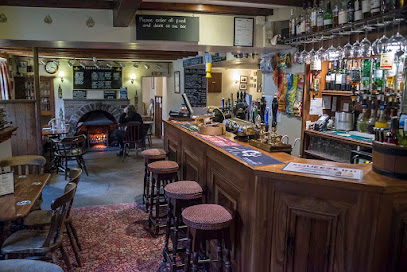
Hawes Club
16.1 km
A friendly, affordable bar on Main Street offering casual drinks, sports, and a pool table in the heart of Hawes.
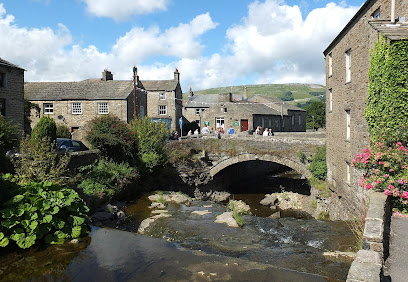
The Cavern Music Bar
16.4 km
A retro-inspired bar in Richmond offering curated cocktails and classic tunes on lively weekend nights.
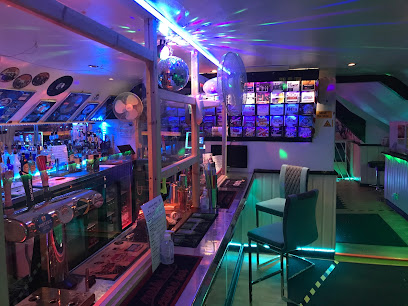
The Green Dragon Inn
16.6 km
Historic Yorkshire coaching inn with cozy fires, hearty pub fare, and scenic Dales setting near Hardraw Force waterfall.
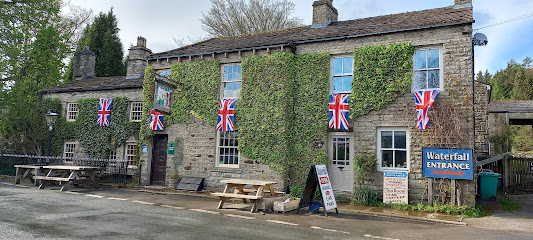
The George Inn
17.4 km
Traditional Yorkshire Dales pub with award-winning pies, cozy rooms, and warm hospitality nestled in the scenic village of Hubberholme.
G & P Events and Mobile Bars
20.4 km
Experience bespoke mobile bar services and event hospitality in the scenic heart of Kettlewell, blending professional expertise with rural charm.
The Blue Bell Inn
20.5 km
Historic 17th-century inn offering cozy rooms, hearty local fare, and a welcoming atmosphere in scenic Kettlewell, Yorkshire Dales.
The Queens Arms
21.8 km
Historic 17th-century Yorkshire pub in Litton offering award-winning local cuisine, cozy ambiance, and handcrafted ales in the heart of the Dales.
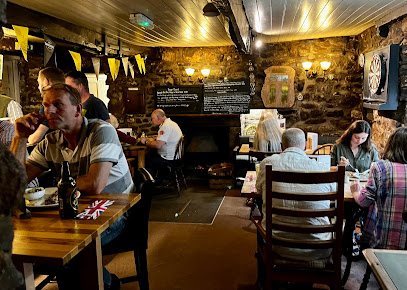
The Gamekeeper's Inn
27.6 km
A charming countryside inn blending rustic hospitality, comfortable stays, and delicious local cuisine in the heart of the Yorkshire Dales.
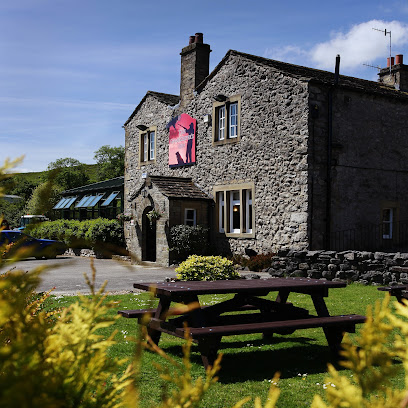
The Taggy Man
30.9 km
A quirky, cosy, and dog-friendly pub in Kirkby Stephen offering hearty pies, local ales, and a warm, welcoming atmosphere.
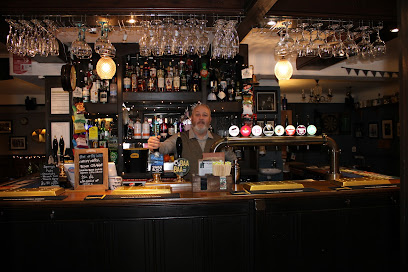
Nightclubs & after hour spots

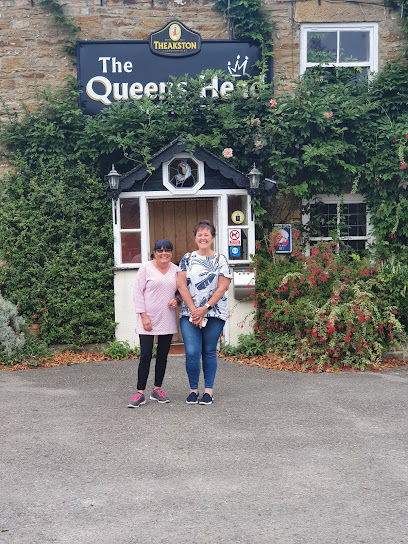
The Queen's Head, Finghall
14.9 km
A quintessential English country pub and inn in Finghall offering hearty British fare, cozy rooms, and warm hospitality in scenic North Yorkshire.
Louis Bar
16.2 km
A vibrant nightclub and bar in Catterick Garrison offering live music, quality food, and a lively atmosphere for all-night entertainment.
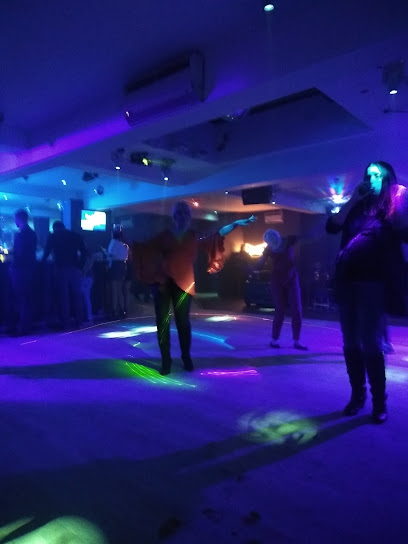
sherdy sherd primary school
17.7 km
Experience Richmond’s vibrant nightlife at Sherdy Sherd Primary School, a uniquely named nightclub with extensive hours and lively atmosphere.
Flares & Popworld - Middlesbrough
54.3 km
Middlesbrough’s premier two-room nightclub blending retro vibes and modern beats for unforgettable nights out.
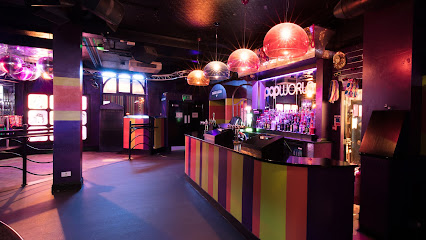
Stereo Club Tees
54.3 km
Experience Middlesbrough’s energetic nightlife at Stereo Club Tees, a lively nightclub hosting up to 500 guests with late-night music and dancing.
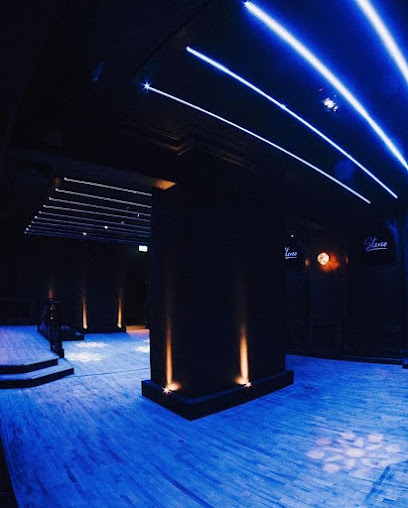
secret bridge
54.5 km
Experience vibrant nightlife and lively music at Secret Bridge, Milburn’s premier nightclub near Penrith in the scenic Eden District.
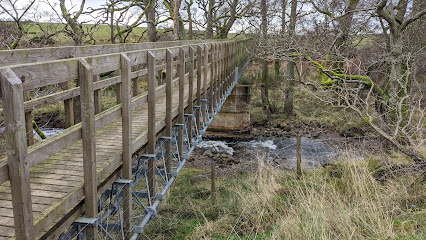
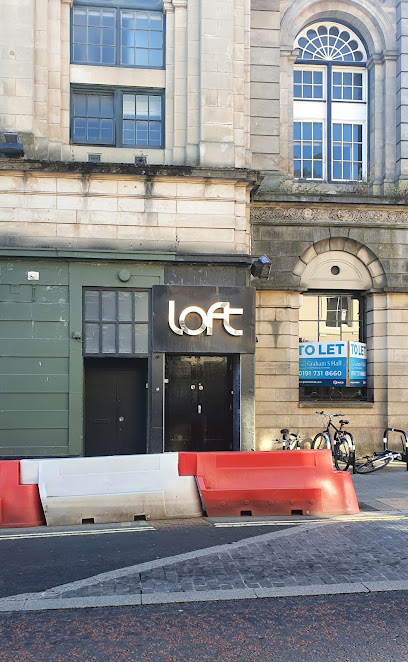
Loft Durham
55.9 km
Discover Loft Durham, the ultimate nightlife destination offering vibrant music, energetic dancing, and a chic atmosphere in the heart of Durham.
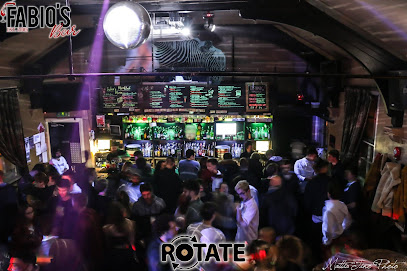
Fabio's Bar
56.0 km
Durham’s lively student nightclub and live music bar above the iconic La Spaghettata, buzzing with events and authentic local charm.
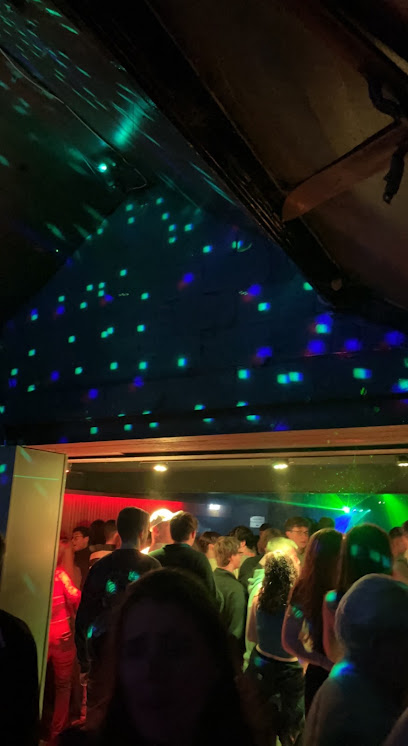
Klute
56.0 km
Durham’s iconic, unapologetically rough nightclub famed for nostalgic beats, cheap drinks, and a legendary student party atmosphere.
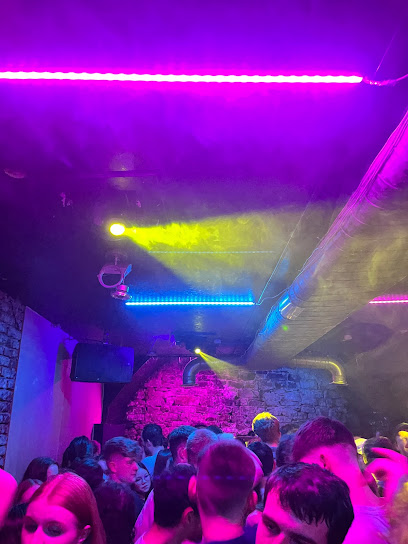
Jimmy Allens
56.0 km
Dive into Durham’s iconic vaulted nightclub where free entry, cheap drinks, and lively crowds create unforgettable nights beneath Elvet Bridge.
Bohemia Durham
56.2 km
Bohemia Durham pulses with vibrant nightlife energy, offering dynamic music and a lively social scene in the heart of historic Durham.
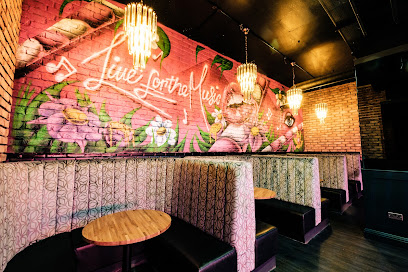
New Inn
60.1 km
Traditional Headingley pub with roaring fires, cask ales, and community spirit on lively Otley Road—a cozy cornerstone of Leeds life.
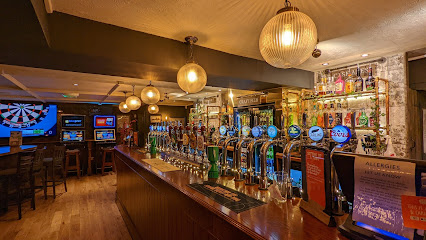
The Original Oak
61.0 km
Headingley's massive beer garden pub where sports, quizzes, hearty grub, and pints create unforgettable vibes on Otley Road.
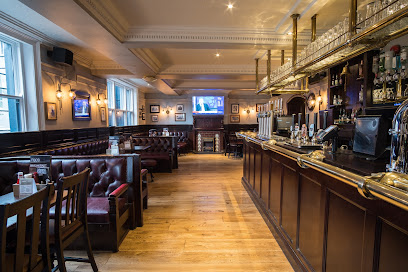
Hyde Park Book Club
61.7 km
Experience the vibrant atmosphere at Hyde Park Book Club, where delicious vegetarian cuisine meets live music and community spirit in the heart of Leeds.
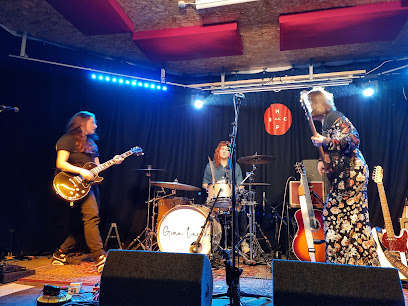
Brudenell Social Club
62.1 km
Experience the vibrant music and community atmosphere at Brudenell Social Club, Leeds' iconic live music venue and social hub.
For the vibe & atmosphere seeker
- Historic
- Scenic
- Relaxing
- Unique
For the design and aesthetic lover
- Rustic Designs
- Vintage Styles
For the architecture buff
- Historic
- Landmarks
For the view chaser and sunset hunter
- Iconic Views
- Panoramas
For the social media creator & influencer
- Instagrammable
- Photo Spots
- Architectural Shots
For the eco-conscious traveler
- Locally Managed
- Public-Transport Accessible
For the kind of experience you’re after
- Cultural Heritage
- Day Trip
- Weekend Getaway
- Photowalk
For how adventurous you want the journey to be
- Easy Access
Location Audience
- Family Friendly
- Senior Friendly
- Child Friendly
- Teen Friendly
- Wheelchair Access
- Pet Friendly
- Couple Friendly
- Solo Friendly


