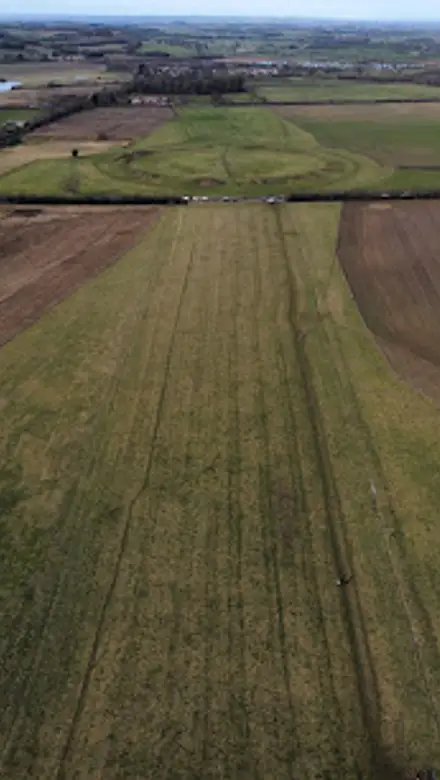
Thornborough Henges Travel Guide
Free Guide: Explore the awe-inspiring Thornborough Henges, a vast Neolithic ritual landscape known as the Stonehenge of the North, free to visit and steeped in ancient mystery.


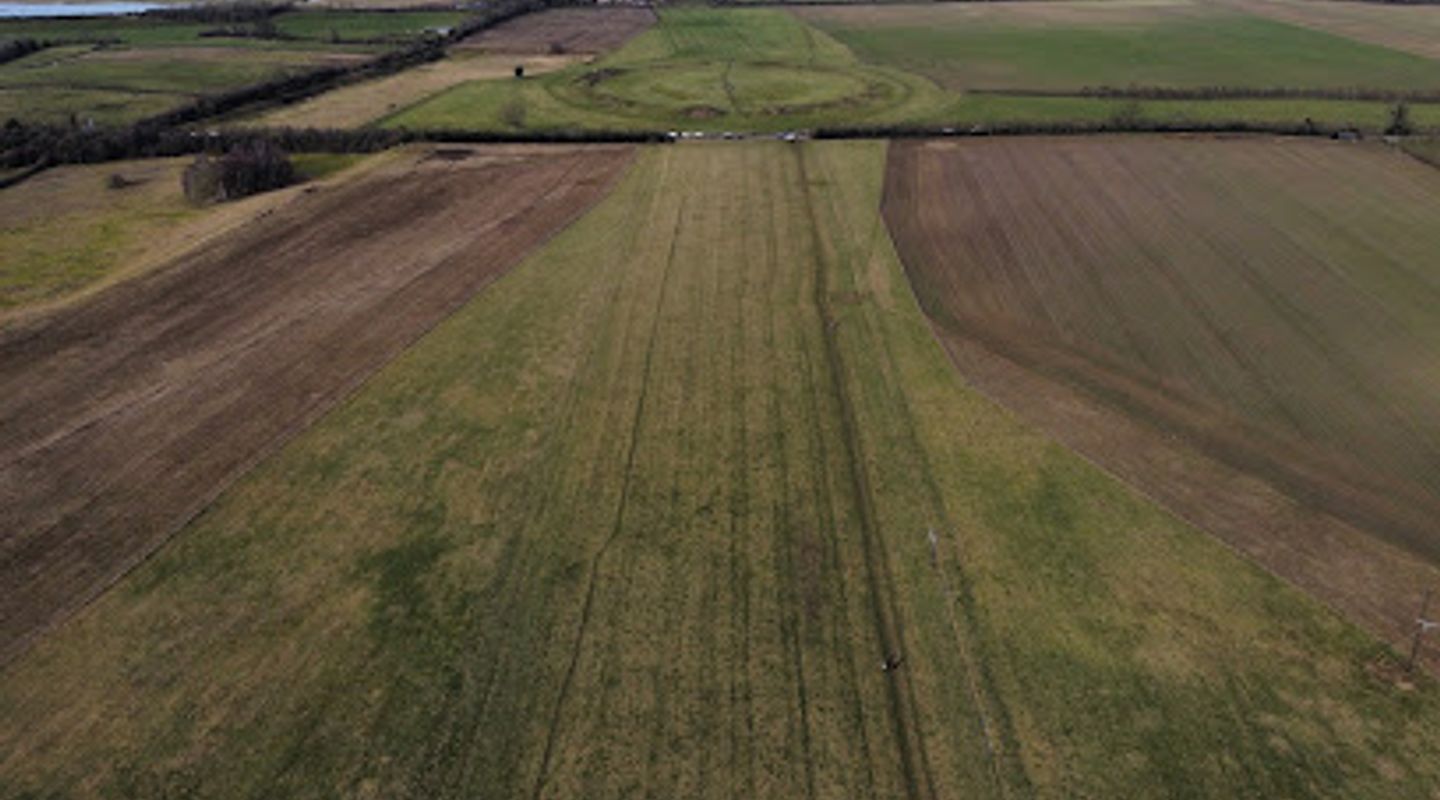
A brief summary of Thornborough Henges
Explore the awe-inspiring Thornborough Henges, a vast Neolithic ritual landscape known as the Stonehenge of the North, free to visit and steeped in ancient mystery.
The Thornborough Henges are a remarkable Neolithic monument complex near Ripon, North Yorkshire, comprising three massive circular earthworks each over 200 meters in diameter. Dating from 3500 to 2500 BC, these henges form part of a vast ritual landscape, thought to have served ceremonial, social, and astronomical purposes. Managed by English Heritage and free to visit, the site offers a profound connection to ancient Britain’s prehistoric past.
On-site amenities
 Information boards
 Seating areas
 Trash bins
Opening hours
- Every dayOpen 24 hours
Opening hours as listed on the venue’s Google Business Profile. Hours can change for services and special events, so check with the venue before you go.
- Address
- New Ln, West Tanfield, Ripon DL8 2RD
- Website
Getting there
Train and Bus
Car
Walking
Discover more about Thornborough Henges
Monumental Legacy of the Neolithic Era
The Thornborough Henges are an extraordinary prehistoric complex situated on a raised plateau above the River Ure near the village of Thornborough in North Yorkshire. Comprising three giant circular earthworks, or henges, each more than 200 meters in diameter, they date from between 3500 and 2500 BC. These earthworks are among the most important Neolithic monuments in northern England and are often dubbed the “Stonehenge of the North” due to their scale, preservation, and ceremonial significance.
A Sacred Landscape of Ritual and Astronomy
The henges are aligned roughly north to south and are thought to have been part of a larger ritual landscape that included cursus monuments, burial grounds, and settlements. Archaeological evidence suggests the site was used for ceremonial gatherings, social interactions, and possibly as a trading hub. Notably, the layout of the henges mirrors the three stars of Orion’s Belt, indicating sophisticated astronomical knowledge. The banks of the henges were once coated in white gypsum, making them visible from miles around and enhancing their sacred presence.
Preservation and Public Stewardship
Historically threatened by quarrying and erosion, the Thornborough Henges have been secured for the nation through the efforts of Historic England and English Heritage. The two henges formerly owned by Tarmac were gifted to Historic England in 2023, with the third northern henge acquired in 2024. Now part of the National Heritage Collection, the site is managed to ensure long-term preservation and public access. English Heritage continues restoration efforts, including repairing banks and conserving the surrounding landscape.
Experiencing the Ancient Site Today
Visitors to Thornborough Henges can explore the expansive earthworks and reflect on their enigmatic origins. The site’s tranquil rural setting enhances its contemplative atmosphere, inviting visitors to connect with the deep past. Interpretation programs help explain the henges’ significance, while the surrounding Vale of Mowbray landscape provides a scenic backdrop rich in prehistoric monuments. The site is freely accessible during daylight hours, offering a unique opportunity to witness one of Britain’s most significant ancient ceremonial complexes.
Interwoven Histories and Cultural Reverence
The Thornborough Henges stand as a testament to the ingenuity and spiritual life of Neolithic communities. Their construction required immense communal effort, reflecting the social importance of these monuments. Over millennia, the site has retained cultural and spiritual significance, with some regarding it as a pilgrimage destination. The alignment with solstices and celestial bodies underscores a worldview that intertwined astronomy, ritual, and landscape.
Future Horizons for a Timeless Site
Ongoing conservation and interpretation initiatives aim to deepen public understanding and appreciation of Thornborough Henges. By protecting this site, English Heritage ensures that future generations can explore and learn from this remarkable prehistoric landscape. The Thornborough Henges not only illuminate ancient practices but also inspire a sense of wonder about humanity’s enduring relationship with the cosmos and the land.
Evendo Review Centre
 Google
Guest reviews
Best time to go
Quietest: Jan, Feb & Dec · before 6am or at 8pm
Busy times are Evendo estimates for a typical year, to help you plan. Actual crowds vary with events, school holidays and the weather.
Explore Thornborough Henges on the map
A handpicked selection of must-see spots near Thornborough Henges, mapped for you.
Get your free copy of our complete guide to Thornborough Henges, delivered straight to you.
Everything on this page, from opening hours and how to get there to Eve’s tips and the best time to go, in one PDF you can read offline, print or share.
Already have an account? Sign in
Your Thornborough Henges guide is ready.
We'll send it to · Not you? Sign out

Getting your guide ready…
We are putting together a fresh copy of the Thornborough Henges guide. This can take up to a minute.
This can take a few moments. If your browser asks, choose Allow so the download can start. You'll find the guide in your Downloads folder.
Nothing happened? Download it again
Sorry, the guide is taking longer than usual. Please try again in a minute, or get it by email instead.
Other nearby places you may find interesting
The closest places of the same kind, if this one is not quite what you had in mind.
-
-
-
-
-


Swipe for more places
More to explore near Thornborough Henges

 Best experiences near Thornborough Henges
 Best hotels near Thornborough Henges
 Best landmarks near Thornborough Henges
 Best attractions near Thornborough Henges
 Best shops near Thornborough Henges
 Best restaurants near Thornborough Henges
 Best bars near Thornborough Henges
Do you manage this location?
Take control to get all the benefits, like improved information, better appearance, and stronger visibility across AI-powered discovery.
Explore more
Explore more of Down
Discover the tranquil beauty, historical treasures, and warm hospitality of Down in Northern Ireland, where serene landscapes and rich heritage await.
Explore Down
Explore more of United Kingdom
Discover the United Kingdom: A blend of rich history, stunning landscapes, and vibrant cities, offering a unique travel experience for every visitor.
Explore United Kingdom