Middleham Castle, Yorkshire Travel Guide
Explore the majestic ruins of Middleham Castle, childhood home of Richard III and a symbol of medieval power in North Yorkshire.
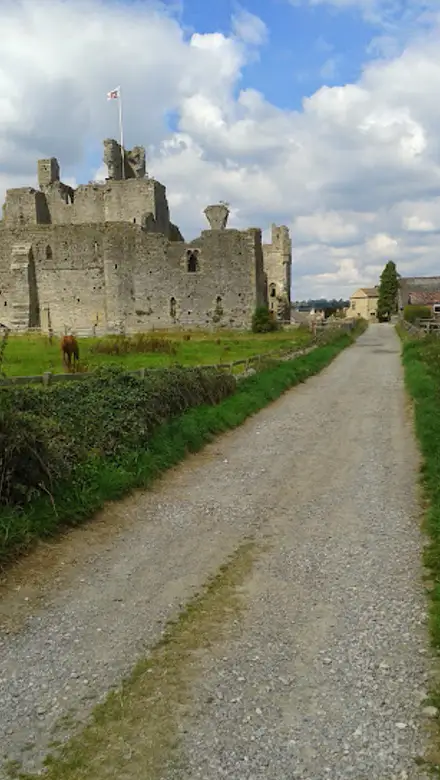
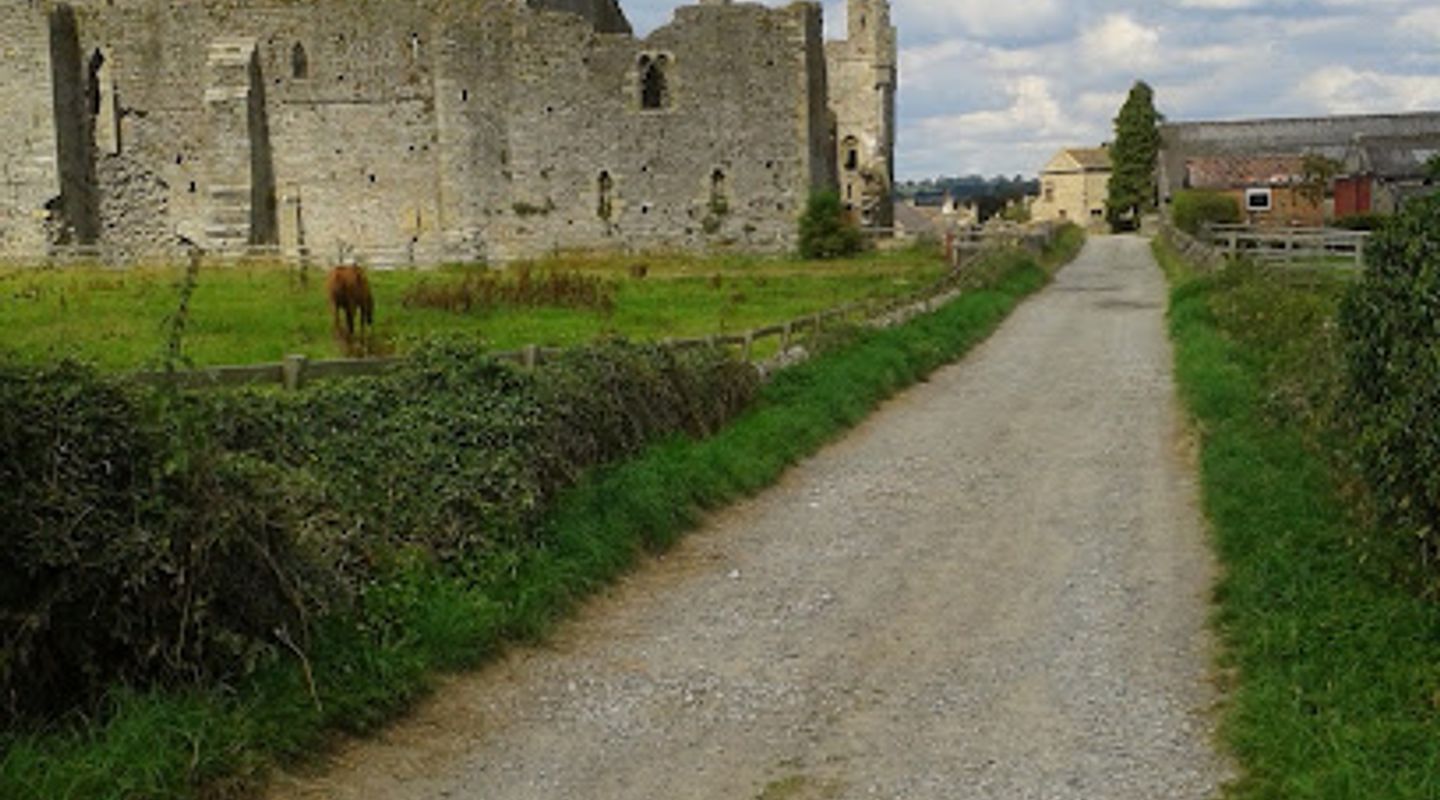
Middleham Castle, located in North Yorkshire, England, is a striking medieval ruin famed as the childhood home of King Richard III and a powerful seat of the Neville family. Built in the late 12th century, its massive stone Norman keep and surrounding curtain walls reflect centuries of architectural evolution and political intrigue during the Wars of the Roses. Visitors can explore its atmospheric ruins, learn about its royal connections, and enjoy panoramic views of the Yorkshire Dales.
A brief summary to Middleham Castle
- Castle Hill Middleham, Leyburn, North Yorkshire, Middleham, DL8 4QG, GB
- Click to display
- Click to display
- Duration: 1.5 to 2.5 hours
- Mid ranged
-
 Outdoor
- Mobile reception: 4 out of 5
- Monday 10 am-5 pm
- Tuesday 10 am-5 pm
- Wednesday 10 am-5 pm
- Thursday 10 am-5 pm
- Friday 10 am-5 pm
- Saturday 10 am-5 pm
- Sunday 10 am-5 pm

Know before you go
Hi, I'm Eve. Here are a few practical things to know before exploring Middleham Castle.
- Book tickets online in advance to save money and guarantee entry, especially during peak seasons.
- Wear sturdy footwear as the castle grounds have uneven surfaces and steep spiral staircases.
- The courtyard is wheelchair accessible, but upper levels require climbing stairs and may not be suitable for those with mobility challenges.
- Visit the exhibition center to see the replica of the Middleham Jewel and learn about the castle’s history.
- Allow 1.5 to 2 hours to fully explore the castle ruins and enjoy the panoramic views of the surrounding Yorkshire Dales.
Do you manage this location?
Take control to get all the benefits, like improved information, better appearance, and stronger visibility across AI-powered discovery. Learn more about listing your business on Evendo
Activate your presenceOther nearby places you may find interesting
The closest places of the same kind, if this one is not quite what you had in mind.

Explore Middleham Castle on the Map
A handpicked selection of must-see spots near Middleham Castle, mapped for you.
Unlock the Best of Middleham Castle
Buy tickets
-
No tickets available
Book tours with entry
-
No tours available
Book tours without entry

Getting There
-
Train and Bus
Take a train to Leyburn Station, approximately 15 km from Middleham. From Leyburn, a local bus service runs to Middleham village in about 20 minutes. The combined journey takes around 1.5 to 2 hours from York or Leeds, with bus services operating several times daily but limited on Sundays. Tickets cost approximately £10–£15 GBP.
-
Car
Driving to Middleham Castle from York or Leeds takes about 45 minutes via rural roads. Parking is available in Middleham village, a short walk from the castle entrance. Note that parking is limited during peak times and the roads can be narrow. There is no parking directly at the castle.
-
Walking
For those staying in Middleham village, the castle is a 10- to 15-minute walk over uneven terrain with some inclines. The path is suitable for able-bodied visitors but may be challenging for those with mobility issues.
For the on-the-go comforts that matter to you
-
 Restrooms
-
 Seating Areas
-
 Information Boards
-
 Visitor Center
Discover more about Middleham Castle
Origins and Architectural Grandeur of the Norman Keep
Middleham Castle’s origins date back to around 1170 when Robert FitzRanulf, 3rd Lord of Middleham, constructed the imposing stone keep that forms the heart of the castle. This rectangular Norman keep, one of the largest in England, features thick walls up to 14 feet at the base and rises approximately 66 feet high. Each corner is fortified with towers, and the interior once housed a great hall, chapel, kitchens, and living quarters spread over multiple floors. The carved stone capitals in the now-inaccessible chapel display the distinctive 'waterleaf' decoration, a hallmark of 12th-century Yorkshire craftsmanship.The Neville Family’s Influence and 15th-Century Enhancements
In 1270, the castle passed to the powerful Neville family, who transformed Middleham into a grand residence often called the 'Windsor of the North.' Throughout the 14th and 15th centuries, the Nevilles raised the curtain walls, added first-floor ranges, heightened towers, and converted the northeast tower into a gatehouse. They built three ranges of luxurious chambers within the courtyard, connected by elevated bridges to the keep, enhancing both comfort and status. These expansions reflected the Nevilles’ political prominence during the Wars of the Roses.Richard III’s Childhood and Political Drama
Middleham Castle is famously known as the childhood home of Richard, Duke of Gloucester, later King Richard III. Between 1465 and 1468, Richard was tutored here by Richard Neville, the Earl of Warwick, known as the 'Kingmaker.' The castle witnessed significant events, including the imprisonment of King Edward IV in 1469 and Edward’s brief captivity at Middleham. Richard’s only son, Edward of Middleham, also lived and died at the castle, deepening its royal legacy. After Richard III’s death at the Battle of Bosworth in 1485, the castle was forfeited to the Crown and gradually fell into disuse.Decline, Civil War, and Conservation Efforts
During the 17th century, Middleham Castle’s fortunes waned. It was used to house prisoners during the English Civil War and suffered partial destruction, although some orders to demolish it were not fully executed. Stones from the castle were repurposed for local buildings, and the structure became a ruin. In the late 19th and early 20th centuries, conservation efforts led by the Masham family and architect Walter Brierley stabilized the ruins, preserving key features such as the latrine towers. Today, the castle stands as a testament to medieval architecture and history.Visitor Experience and Surrounding Landscape
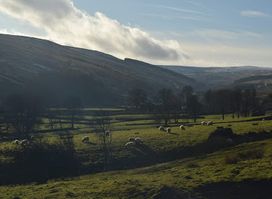
Visitors to Middleham Castle can explore the atmospheric ruins, including the great tower’s interior and the courtyard ranges. The site offers stunning views over the rolling hills of Wensleydale and the Yorkshire Dales beyond. An exhibition center near the castle displays artifacts and tells the story of its notable occupants, including a replica of the famous Middleham Jewel discovered nearby. The grounds are wheelchair accessible at the courtyard level, though upper levels require climbing steep spiral staircases.Enduring Legacy and Cultural Significance
Middleham Castle remains a crucial historical landmark, embodying the turbulent politics of medieval England and the legacy of the Yorkist dynasty. Its connection to Richard III and the Earl of Warwick enriches its narrative, making it a focal point for understanding the Wars of the Roses. The castle’s ruins inspire reflection on power, loyalty, and heritage amid the scenic beauty of North Yorkshire.












Your all‑in‑one travel companion app
Explore expert travel guides, compare and book tours, experiences, hotels, and more—all from the palm of your hand. Download now for seamless trip planning wherever your wanderlust takes you.


Explore More of Yorkshire
Looking beyond Middleham Castle? Discover Yorkshire for broader travel guides, local hot-spots, and regional highlights.
Explore Yorkshire