Bolton Priory, Yorkshire Travel Guide
Explore the evocative ruins and active parish church of Bolton Priory, a serene 12th-century Augustinian site set in the stunning Yorkshire Dales.
Bolton Priory, officially known as The Priory Church of St Mary and St Cuthbert, is a striking 12th-century Augustinian priory ruin nestled in the scenic Yorkshire Dales near Skipton. While much of the original monastery lies in picturesque ruins beside the River Wharfe, the west end remains an active Church of England parish church. The site blends medieval history, Gothic architecture, and tranquil riverside landscapes, offering visitors a profound sense of heritage and natural beauty.
A brief summary to Bolton Priory
- Skipton, Bolton Abbey, BD23 6AL, GB
- Click to display
- Click to display
- Duration: 1 to 3 hours
- Mid ranged
-
 Outdoor
- Mobile reception: 4 out of 5

Know before you go
Hi, I'm Eve. Here are a few practical things to know before exploring Bolton Priory.
- Wear sturdy footwear to explore the uneven terrain around the priory ruins and riverside paths.
- Visit on a weekday morning or late afternoon to enjoy a quieter, more tranquil experience.
- Bring a picnic to enjoy in the scenic seating areas near the church overlooking the River Wharfe.
- Respect the ruins by not climbing on unstable structures and supervise children closely.
- Check the church service schedule if you wish to attend a service or special liturgical event.
Do you manage this location?
Take control to get all the benefits, like improved information, better appearance, and stronger visibility across AI-powered discovery. Learn more about listing your business on Evendo
Activate your presenceOther nearby places you may find interesting
The closest places of the same kind, if this one is not quite what you had in mind.

Explore Bolton Priory on the Map
A handpicked selection of must-see spots near Bolton Priory, mapped for you.
Getting There
-
Train and Bus
Travel by train to Skipton railway station, approximately 10 km from Bolton Priory. From Skipton, take the local bus service to Bolton Abbey village, which runs several times daily. The total journey takes about 30 to 45 minutes. Bus tickets cost around £3-5 GBP. Services may be less frequent on weekends and holidays.
-
Car
Driving from Skipton or nearby towns, expect a 20 to 30-minute journey via rural roads. Parking is available near the estate entrance for a fee of approximately £5-7 GBP. Note that parking can fill up on busy days, so early arrival is recommended.
-
Walking
For active visitors, walking from Bolton Abbey village to the priory is a pleasant 15 to 20-minute stroll along well-maintained paths with gentle terrain. The route is accessible for most fitness levels but may be slippery in wet weather.
For the on-the-go comforts that matter to you
-
 Restrooms
-
 Drink Options
-
 Food Options
-
 Seating Areas
-
 Information Boards
Discover more about Bolton Priory
Origins and Historical Foundations
Bolton Priory was founded in 1154 by Augustinian canons, who relocated from nearby Embsay to establish a religious community on land donated by Lady Alice de Rumilly of Skipton Castle. Despite often being called Bolton Abbey, the site was technically a priory led by a prior. It served as a religious and community center for centuries, with the canons engaging in worship, healing, and hospitality. The priory's estate was extensive, recorded in the Domesday Book as a major manor with vast agricultural lands.Architectural Evolution and Ruination
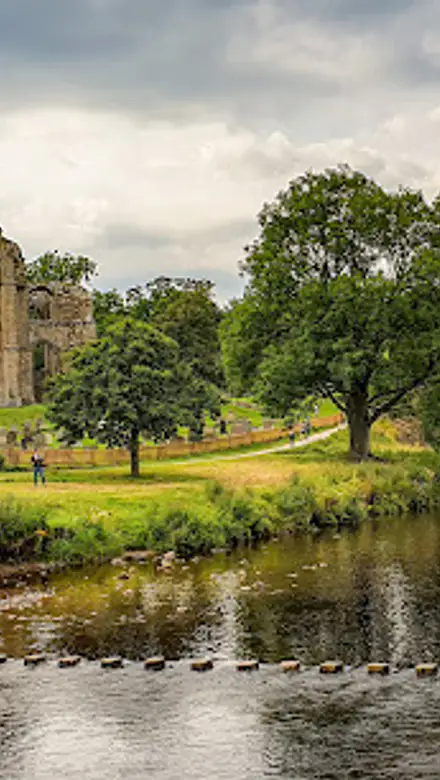
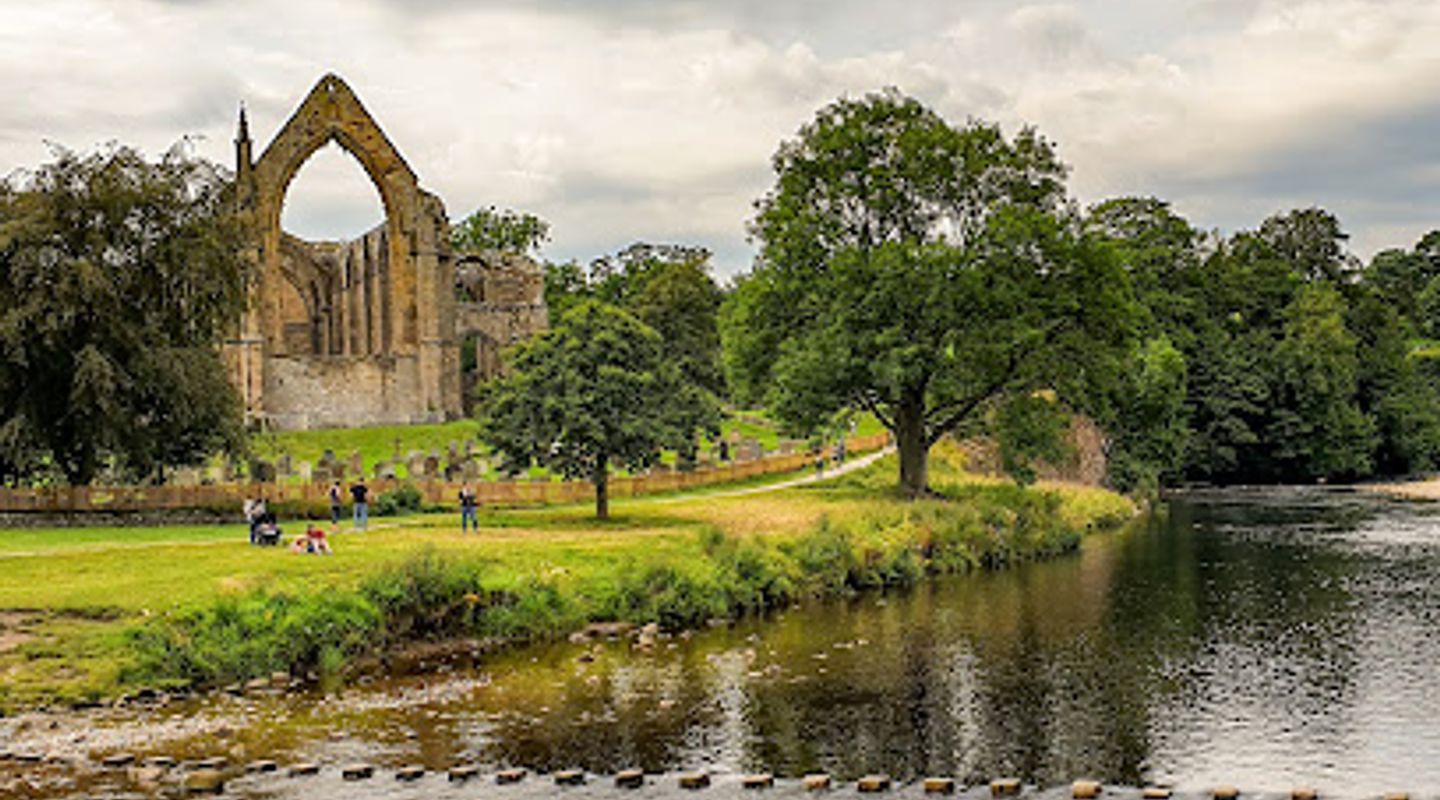
The priory’s original Gothic church was still under construction when the Dissolution of the Monasteries in 1539 led to its partial destruction. The east end fell into ruin, while the west end was preserved as a parish church, separated by a crude stone wall from the ruined sections. The surviving church features Victorian-era restorations by architect George Street, including stained glass windows by Augustus Pugin. The ruins reveal the scale and style of the medieval priory, with remnants of cloisters, chapter house foundations, and a tithe barn nearby.Landscape and Setting
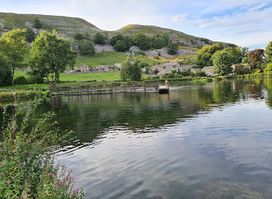
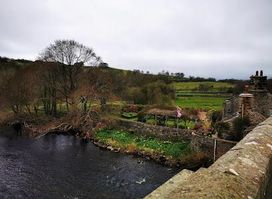
Set on an east-facing slope above a bend in the River Wharfe, Bolton Priory enjoys a stunning natural environment within the Yorkshire Dales National Park. The riverside setting, ancient woodlands, and nearby landmarks such as the 600-year-old Laund Oak tree contribute to the site’s tranquil and scenic atmosphere. The estate surrounding the priory remains privately owned but open to visitors, with walking trails and picnic spots that highlight the harmonious blend of history and nature.Continuity of Worship and Community Role
Unlike many dissolved monasteries, Bolton Priory’s west end continues to function as an active Church of England parish church dedicated to St Mary and St Cuthbert. It holds regular services and religious events, maintaining a spiritual presence on the site for nearly nine centuries. The church’s ongoing use connects modern visitors with the priory’s enduring legacy as a place of worship and community gathering.Visitor Experience and Preservation
Visitors to Bolton Priory can explore the evocative ruins and the still-functioning church, with seating areas allowing quiet reflection and appreciation of the surroundings. While guided tours are currently unavailable, informative signage and the estate’s commitment to conservation ensure a safe and enriching visit. The priory’s historical significance, architectural features, and picturesque location make it a compelling destination for history enthusiasts, nature lovers, and those seeking a peaceful retreat.Legacy and Estate Management
The priory and its estate have been managed by prominent families, notably the Cavendish family, who converted the original gatehouse into Bolton Abbey Hall, a Grade II* listed building. The estate remains a vital cultural and natural asset, with ongoing efforts to preserve its heritage and landscape for future generations. Bolton Priory stands as a remarkable testament to England’s medieval ecclesiastical history and the resilience of sacred spaces through centuries of change.












Your all‑in‑one travel companion app
Explore expert travel guides, compare and book tours, experiences, hotels, and more—all from the palm of your hand. Download now for seamless trip planning wherever your wanderlust takes you.


Explore More of Yorkshire
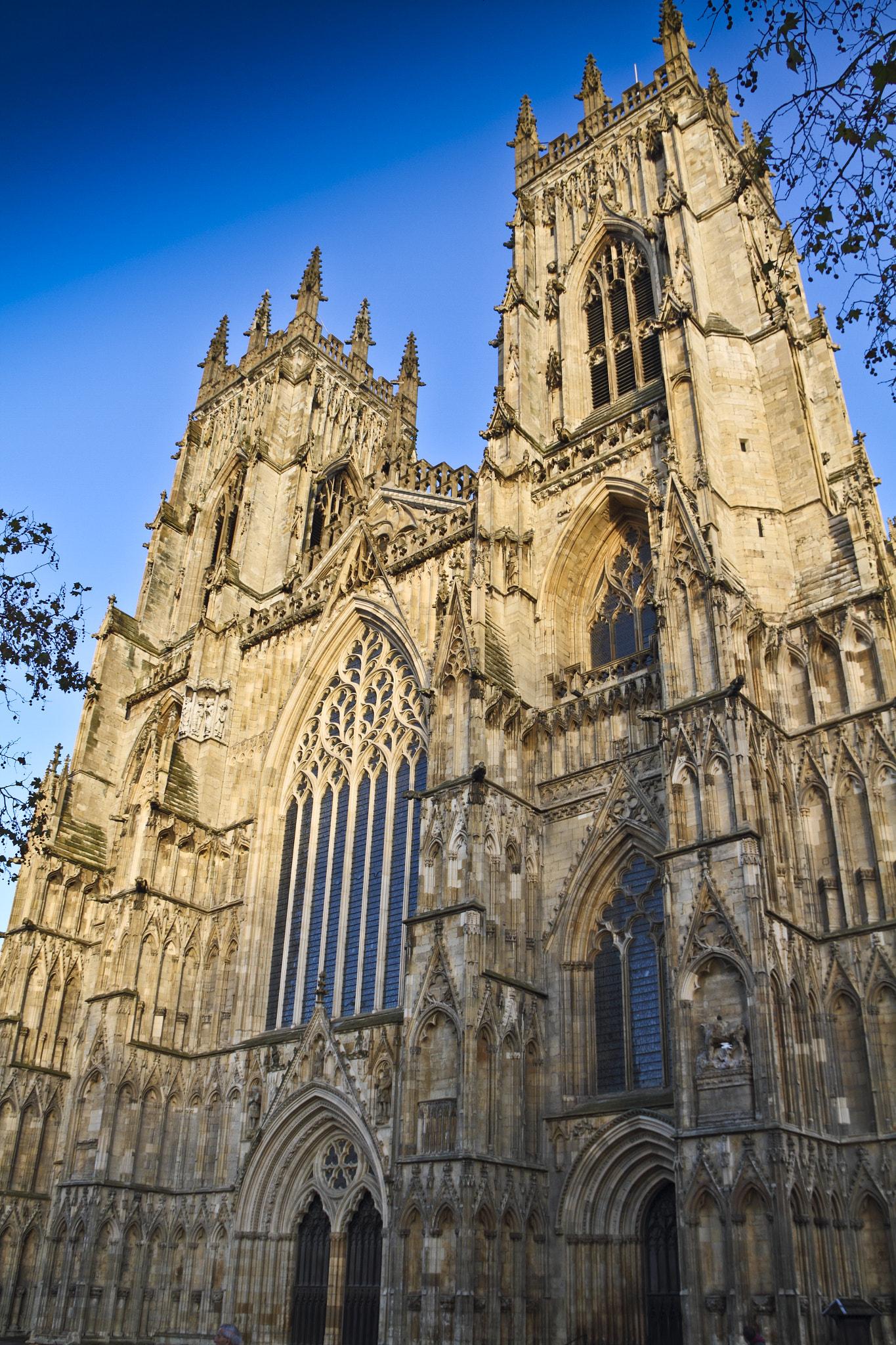
Looking beyond Bolton Priory? Discover Yorkshire for broader travel guides, local hot-spots, and regional highlights.
Explore Yorkshire