

Free Essex County Travel Guide & Mobile App
Explore Essex County with free travel guides. Discover regional history, expert tips, proposed trips, and audio guides on web or mobile app.


Essex County, Vermont, offers secluded lakes, northern forests, wildlife-rich wetlands, railway heritage and outdoor adventures in the Northeast Kingdom.
Read more about Essex County
Getting to and around Essex County
How to get there
Transportation
Best attractions in Essex County
Essex County’s attractions are primarily natural and landscape-based rather than urban. The Nulhegan Basin within the Silvio O. Conte National Fish and Wildlife Refuge is the county’s defining outdoor area, with wetlands, boreal forest, quiet roads and opportunities for wildlife observation. Brighton State Park, on Spectacle Pond near Island Pond, provides swimming, paddling, camping and a manageable introduction to the county’s lake country. Maidstone State Park offers a more secluded setting on the shore of Maidstone Lake, with forest trails, boating and camping. The Connecticut River corridor brings a contrasting landscape of farms, wooded slopes and small historic settlements, while local railway heritage can be explored through Island Pond’s long association with northern transport. In winter, snowmobile routes, Nordic skiing and snowshoeing become major attractions, although routes and access depend on conditions and permissions. Fishing, canoeing, kayaking, birdwatching and scenic driving are central to the visitor experience, with the greatest rewards often found between named sites rather than at a single major attraction.
-
National forest
White Mountain National Forest
Explore the breathtaking landscapes and diverse wildlife of White Mountain National Forest, a perfect destination for outdoor adventures in New Hampshire.
-
Ice Cream
Ben & Jerry’s
Experience the iconic Ben & Jerry's in Waterbury, Vermont, where delightful flavors and a fun atmosphere create sweet memories for visitors.
-
State park
Mt. Washington State Park
Discover the breathtaking beauty and adventure at Mt. Washington State Park, the crown jewel of New Hampshire's outdoor attractions.
-
Amusement park
Story Land
Discover the magic of Story Land in New Hampshire, where fairy tales come to life and family adventures await around every corner.



Best landmarks in Essex County
The Nulhegan Basin is Essex County’s most significant natural landmark, a broad wetland and forest landscape whose rivers, peatlands and wildlife habitat distinguish the county from more intensively settled parts of Vermont. Maidstone Lake is another defining feature, enclosed by forest and associated with a protected lakeside state park. Brighton State Park’s setting on Spectacle Pond represents the county’s accessible lake-and-woods landscape, while the Connecticut River forms a powerful eastern geographic boundary and gives the villages of Guildhall, Lunenburg and Concord their orientation. Island Pond itself is a landmark of human geography: its settlement grew around an important nineteenth-century railway junction and remains closely identified with northern transportation history. Across the county, village churches, cemeteries, farm buildings and old road alignments are modest but meaningful reminders of frontier settlement, timber extraction and the gradual development of communities along rivers, lakes and rail routes.
-
 Resort hotel
Jay Peak Resort
Experience the best of Vermont at Jay Peak Resort, a year-round destination for skiing, golfing, and family fun amid stunning mountain scenery.
-
Resort hotel
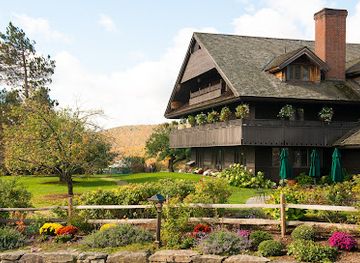
Trapp Family Lodge
Experience the enchanting beauty of Stowe, Vermont at Trapp Family Lodge, where luxury meets adventure amid stunning alpine landscapes.
-
Historical landmark
Fort Ticonderoga
Discover the rich history of Fort Ticonderoga, a premier historical landmark offering engaging exhibits and breathtaking views on Lake Champlain.
-
Tourist attraction
Marsh-Billings-Rockefeller National Historical Park
Explore the rich history and stunning landscapes of Marsh-Billings-Rockefeller National Historical Park, Vermont’s unique gem for nature lovers and history enthusiasts.

Explore Essex County on the map
Plan your trip on one map. See where the top cities, national parks and sights are, and book hotels and experiences in a few clicks.
Best hotels in Essex County
Best restaurants in Essex County
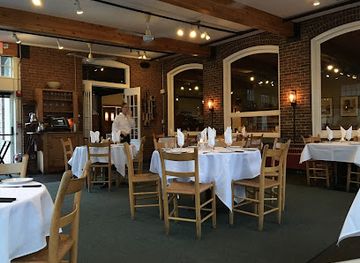
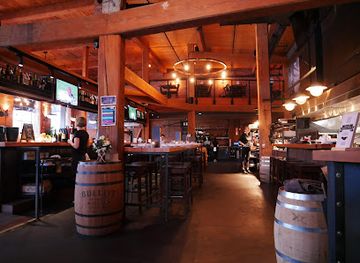
Dining in Essex County is shaped by distance, seasonality and the needs of a working rural population. Island Pond has the broadest concentration of cafés, casual restaurants and pub-style meals, while smaller communities and lake areas offer a more limited selection that may vary by season. Visitors will encounter familiar northern New England cooking, including soups, sandwiches, fried seafood, burgers, pancakes and baked goods, alongside locally sourced meat, maple products and produce when available. Farm stands and small markets can be useful for picnic supplies, particularly before heading into forest or lakeside areas. Vermont’s wider craft-beer and artisan-food culture is present through regional products, but Essex County’s culinary identity is less about formal dining than about practical, relaxed meals after time outdoors. Book ahead where a rural inn or seasonal restaurant is central to your plans, and do not assume that late-evening food service will be available in smaller settlements.
-
Restaurant
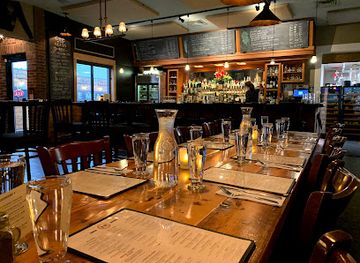
Farmhouse Tap & Grill (Vermont)
Experience the flavors of Vermont at Farmhouse Tap & Grill - where local ingredients meet craft beverages in a welcoming gastropub setting.
-
Bar
Simon Pearce
Discover exquisite American cuisine amidst stunning river views at Simon Pearce in Quechee, Vermont - a true culinary and artistic haven.
-
Hotel
The Essex Resort & Spa
Discover luxury and tranquility at The Essex Resort & Spa, where gourmet dining meets breathtaking Vermont landscapes.
-
American
Waterworks Food + Drink
Experience culinary excellence at Waterworks Food + Drink in Winooski, Vermont - where flavor meets atmosphere.

Best bars in Essex County
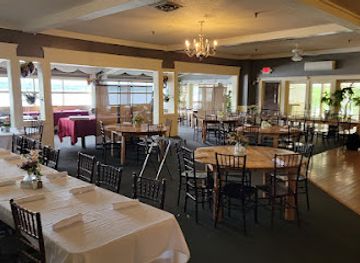
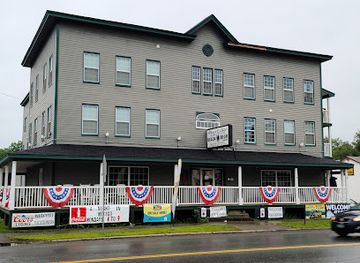
Nightlife in Essex County is low-key and concentrated in village establishments rather than dedicated club districts. Island Pond is the most likely place to find a pub, bar or restaurant open for an evening meal and drinks, while smaller towns tend to offer occasional social events, community gatherings or informal music rather than late-night entertainment. Traditional taverns and pub-style venues are used by both residents and visitors, but opening patterns can be seasonal and services are widely spaced. There is little reason to expect a major nightclub scene; the county’s evening appeal lies more in conversation, local music, clear skies and quiet accommodation near lakes or forests. Visitors should arrange transport before drinking, as taxis and late public transport are limited, and should avoid treating remote roads as suitable for walking after dark.
-
Bar
The East Side Restaurant & Pub
Discover the heart of Newport at The East Side Restaurant & Pub, where delicious food and a cozy atmosphere meet.
-
American
Black Bear Tavern
Experience authentic American cuisine and warm hospitality at Black Bear Tavern in the heart of Colebrook, New Hampshire.
-
Gastropub
Mule Bar
Experience the best of Vermont's culinary delights at Mule Bar, a gastropub in Winooski featuring local flavors and an inviting atmosphere.
-
Grill
On Tap Bar & Grill
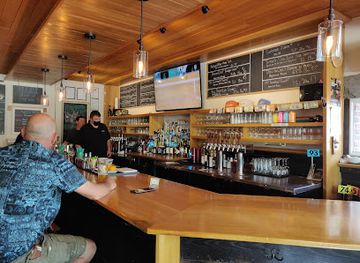
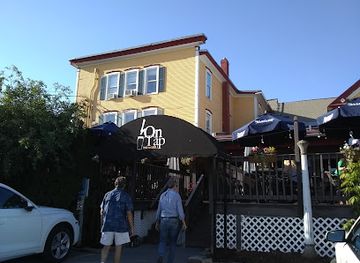
Experience the best of American cuisine and live music at On Tap Bar & Grill in Essex Junction, where great food meets vibrant entertainment.
Get your free copy of our complete guide to Essex County, delivered straight to you.
Everything on this page, from attractions and restaurants to essentials and local phrases, in one PDF you can read offline, print or share.
Already have an account? Sign in
Your Essex County guide is ready.
We'll send it to · Not you? Sign out

Getting your guide ready…
We are putting together a fresh copy of the Essex County guide. This can take up to a minute.
This can take a few moments. If your browser asks, choose Allow so the download can start. You'll find the guide in your Downloads folder.
Nothing happened? Download it again
Sorry, the guide is taking longer than usual. Please try again in a minute, or get it by email instead.
Essex County essentials
Currency and Payment
Safety
Emergency Situations
Do's and Don'ts
Local Tips
From Eve
Local phrases worth knowing
You don't need to get them perfect. A few words go a long way, and locals appreciate the effort.
Basics
| English | Local | Say it |
|---|---|---|
| Hello | Hey there | [Hay thair] |
| Goodbye | See ya | [See ya] |
| Yes | Yup | [Yup] |
| No | Nah | [Nah] |
| Please/You're welcome | Sure thing | [Shur thing] |
| Thank you | Thanks a lot | [Thangs a lot] |
| Excuse me/Sorry | Pardon me | [Pardon me] |
| How are you? | How ya doin'? | [How ya doin'?] |
| Fine. And you? | Good. And you? | [Good. And you?] |
| Do you speak English? | Can ya talk English? | [Can ya talk English?] |
| I don't understand | I ain't gettin' it | [I ain't gettin' it] |
Eating & Drinking
| English | Local | Say it |
|---|---|---|
| I'd like to see the menu, please | Can I see the menu, please? | [Can I see the menu, please?] |
| I don't eat meat | I don't do meat | [I don't do meat] |
| Cheers! | Cheers! | [Cheers!] |
| I would like to pay, please | Can I pay up, please? | [Can I pay up, please?] |
Emergencies
| English | Local | Say it |
|---|---|---|
| Help! | Help! | [Help!] |
| Go away! | Get lost! | [Get lost!] |
| Call the Police! | Ring the cops! | [Ring the cops!] |
| Call a doctor! | Get a doctor here! | [Get a doctor here!] |
| I'm lost | I’m all turned around | [I’m all turned around] |
| I'm ill | I ain't feelin' well | [I ain't feelin' well] |
Shopping
| English | Local | Say it |
|---|---|---|
| I'd like to buy... | I wanna buy... | [I wanna buy...] |
| I'm just looking | Just browsing | [Just browsing] |
| How much is it? | What’s the price? | [What’s the price?] |
| That's too expensive | That's a bit pricey | [That's a bit pricey] |
| Can you lower the price? | Can ya knock down the price? | [Can ya knock down the price?] |
Time & Numbers
| English | Local | Say it |
|---|---|---|
| What time is it? | What time's it? | [What time's it?] |
| It's one o'clock | It's one | [It's one] |
| Half past (10) | Half past ten | [Half past ten] |
| Morning | Mornin' | [Mornin'] |
| Afternoon | Afternoon | [Afternoon] |
| Evening | Evenin' | [Evenin'] |
| Yesterday | Yesterday | [Yesterday] |
| Today | Today | [Today] |
| Tomorrow | Tomorrow | [Tomorrow] |
| 1 | One | [One] |
| 2 | Two | [Two] |
| 3 | Three | [Three] |
| 4 | Four | [Four] |
| 5 | Five | [Five] |
| 6 | Six | [Six] |
| 7 | Seven | [Seven] |
| 8 | Eight | [Eight] |
| 9 | Nine | [Nine] |
| 10 | Ten | [Ten] |
Transport & Directions
| English | Local | Say it |
|---|---|---|
| Where's a/the...? | Where's the...? | [Where's the...?] |
| What's the address? | What’s the address? | [What’s the address?] |
| Can you show me (on the map)? | Can ya show me on the map? | [Can ya show me on the map?] |
| When's the next (bus)? | When's the next bus? | [When's the next bus?] |
| A ticket (to ....) | A ticket to... | [A ticket to...] |
History of Essex County
Abenaki homeland and river corridors
Before European settlement, the region was part of the wider homeland and travel network of Western Abenaki communities. Rivers, lakes and forest routes supported seasonal movement, fishing, hunting and gathering, while the Connecticut River formed an important corridor through northern New England. Later colonial mapping and settlement often obscured these earlier relationships with the land, but the county’s waterways and place names still reflect the importance of Indigenous geography. Visitors should understand Essex County’s forests not as an empty wilderness, but as a landscape with a long human history preceding permanent colonial settlement.
Eighteenth-century frontier settlement
Permanent Euro-American settlement developed slowly in what became Essex County because of the region’s distance from Vermont’s older agricultural towns and its difficult terrain. Communities such as Guildhall, Lunenburg and Concord grew along the Connecticut River and inland routes during the eighteenth and early nineteenth centuries. Farming was possible in river valleys and clearings, but harsh winters, poor roads and isolation limited population growth. Small village centres, meetinghouses, cemeteries and surviving farm landscapes preserve aspects of this frontier period, when local life depended heavily on river crossings, seasonal travel and close community networks.
The timber economy and forest transformation
During the nineteenth century, logging became one of the county’s most important industries. Timber companies and independent operators cut extensive areas of northern forest, using streams, winter roads and later railways to move logs and sawn lumber. The industry supplied regional construction and manufacturing markets while creating employment and accelerating the growth of settlements such as Brighton and Island Pond. Forest clearing, fires and subsequent regrowth altered the landscape profoundly. Modern conservation areas, managed forests and working woodlands are therefore part of a long cycle of extraction, regeneration and changing attitudes towards northern Vermont’s natural resources.
Railways and the rise of Island Pond
Railway construction in the nineteenth century connected Essex County with Montreal, Quebec, the Connecticut River valley and wider New England markets. Island Pond developed as a significant railway junction and became a centre for locomotives, freight handling and railway employment. The railway reduced the county’s isolation, encouraged timber and agricultural commerce, and supported hotels and other services for travellers. Although the historic railway economy has contracted, its legacy remains central to Island Pond’s identity and can be read in the settlement’s location, surviving structures and continuing association with northern transport routes.
Conservation in the Nulhegan Basin
The Nulhegan Basin’s wetlands and forests became increasingly valued for wildlife habitat and ecological research as twentieth-century conservation expanded. Its protection as part of the Silvio O. Conte National Fish and Wildlife Refuge helped preserve one of the most extensive wetland complexes in northern New England. Conservation did not erase the area’s working history: forestry, hunting, fishing and responsible recreation remain part of the surrounding economy and culture. The basin now illustrates a broader regional shift from intensive resource extraction towards a combination of habitat protection, scientific study, sustainable land management and outdoor tourism.
Modern rural adaptation
In the late twentieth and early twenty-first centuries, Essex County faced the same pressures affecting many remote rural areas: population decline, the loss of some traditional industries, limited services and long travel distances. At the same time, outdoor recreation, conservation, forestry, seasonal tourism and heritage became increasingly important. State parks, wildlife refuge lands, snowmobile networks and lake-based recreation now complement remaining farms and forest enterprises. The county’s contemporary identity is consequently shaped by both continuity and adaptation, retaining its working-landscape character while welcoming visitors drawn to quiet roads, forests, wetlands and winter conditions.
Essex County in Photos
Browse through our photo collection highlighting the charm and character of the destination.
Neighbouring regions of Essex County
The closest regions to Essex County, if you have time for more than one.
-
-

-

-

-


Swipe for more regions
Explore more

Explore more of Vermont
Discover Vermont: A year-round haven of natural beauty, charming towns, and rich heritage in the Green Mountain State.
Explore Vermont