

Free Phan Thiet Travel Guide & Mobile App
Plan your Phan Thiet trip with Evendo. Get free guides to top attractions, restaurants, hotels, and bars. Web access or download the mobile app.


Phan Thiet blends Cham towers, fishing heritage, red dunes and Mui Ne beaches, offering memorable coastal sightseeing, seafood and outdoor adventures in Vietnam.
Coastal Character
Phan Thiet sits on Vietnam’s south-central coast, where the broad mouth of the Ca Ty River meets the South China Sea. The city grew from fishing and fish-sauce production, and its waterfront remains closely tied to the sea: small boats, harbour activity and baskets of seafood are part of everyday life. East of the central districts, the resort area of Mui Ne extends along a long sandy shoreline, giving the wider city a contrasting rhythm of beach hotels, kitesurfing schools and open coastal scenery.Read more about Phan Thiet
Cham and Vietnamese Heritage
Dunes, Beaches and Local Life
When is the best time to visit Phan Thiet?
Best: November–January · 30–31°C| Month | High (°C) | Rainfall (mm) |
|---|---|---|
| January (best) | 31 | 11 |
| February | 31 | 8 |
| March | 31 | 6 |
| April | 32 | 6 |
| May | 32 | 6 |
| June | 32 | 6 |
| July | 32 | 6 |
| August | 32 | 6 |
| September | 31 | 6 |
| October | 31 | 8 |
| November (best) | 31 | 11 |
| December (best) | 30 | 11 |
Getting to and around Phan Thiet
How to get there
Transportation
Best attractions in Phan Thiet
Phan Thiet’s attractions range from working coastal scenes to sandy landscapes and historic monuments. In the city, Van Thuy Tu Temple preserves maritime traditions and houses a large whale skeleton associated with the worship of Nam Hai, the sea’s protective spirit. Duc Thanh School offers a quiet glimpse of the early life of Nguyen Tat Thanh, while the Po Sah Inu Cham Towers stand on a hill outside the centre amid broad views towards the coast. Along the Mui Ne shore, the Red Sand Dunes and larger White Sand Dunes create striking terrain shaped by wind, while the Fairy Stream winds through shallow water and warm-coloured earth. Fishing villages, market streets and the Ca Ty River reveal the everyday economy behind the resort landscape, and Doi Duong Beach provides a more urban seaside setting within Phan Thiet itself.
-
Winery
Lâu đài rượu vang RD Phan Thiết - Mũi Né
Explore the enchanting Lâu đài rượu vang RD Phan Thiết - Mũi Né, a winery offering exquisite wines and breathtaking views in Bình Thuận, Vietnam.
27 min drive · 9.1 km from city centre
-
Winery
Lâu đài rượu vang RD Phan Thiết - Mũi Né
Discover the enchanting Lầu Đài Rượu Vang RD in Phan Thiết, where exquisite wines and stunning landscapes await every traveler.
27 min drive · 9.1 km from city centre
-
Tourist attraction
Doi Duong Beach
Experience the beauty of Doi Duong Beach, where golden sands meet vibrant culture in Phan Thiet, Vietnam.
6 min drive · 1.9 km from city centre
-
Beach
Bãi đá Ông Địa
Experience the tranquil beauty of Bãi Đá Ông Địa, a stunning beach in Phan Thiết, Binh Thuận, perfect for relaxation, adventure, and local culture.
28 min drive · 9.2 km from city centre


Best landmarks in Phan Thiet
The Po Sah Inu Cham Towers are Phan Thiet’s most prominent historic monuments, a group of brick sanctuaries on a hill associated with the Cham civilisation and still used for religious observances. In the central city, Van Thuy Tu Temple represents the spiritual world of fishing communities, with elaborate traditional decoration and a strong connection to whale worship. Duc Thanh School is architecturally modest but historically significant as the place where Nguyen Tat Thanh taught in 1910. The Ca Ty River and its bridges provide a civic frame for the city, linking commercial streets with the waterfront, while the harbour reflects the enduring importance of fishing. Doi Duong Beach is a geographical landmark of urban Phan Thiet, contrasting with the more resort-oriented coastline around Mui Ne.
-
Winery
Lâu đài rượu vang RD Phan Thiết - Mũi Né
Discover the beauty of Lâu đầi rươu vang RD Phan Thiết, where exquisite wines and breathtaking views await every traveler.
27 min drive · 9.1 km from city centre
-
Tourist attraction
Red Sand Dunes
Explore the enchanting Red Sand Dunes of Mui Ne, Vietnam, where adventure meets breathtaking natural beauty in a stunning coastal landscape.
42 min drive · 22 km from city centre
-
Tourist attraction
Doi Duong Beach
Discover the beauty of Doi Duong Beach, a stunning coastal gem in Phan Thiet, Vietnam, perfect for relaxation, adventure, and cultural exploration.
6 min drive · 1.9 km from city centre
-
 Resort hotel
Bamboo Village Beach Resort & Spa
Discover the serene beauty of Bamboo Village Beach Resort & Spa in Phan Thiết, where relaxation meets nature in an unforgettable coastal experience.
31 min drive · 11 km from city centre


Explore Phan Thiet on the map
Plan your Phan Thiet trip on one map. See where the top attractions, landmarks, restaurants, bars and hotels are, find what's near where you're staying, and book hotels and experiences in a few clicks.
Best hotels in Phan Thiet
Best restaurants in Phan Thiet
Phan Thiet’s food culture is anchored in the sea and in its long association with nước mắm, the intensely savoury fish sauce made from fermented anchovies and salt. Fresh squid, prawns, clams, crab and locally caught fish appear in seafood restaurants, informal eateries and market stalls, often grilled or prepared with herbs, chilli and Vietnamese dipping sauces. Local specialities include bánh căn, small rice cakes cooked in moulds and served with toppings and sauce, as well as bánh quai vạc, a translucent tapioca dumpling associated with Bình Thuận. The central market and streets around the river offer inexpensive breakfasts, noodles, rice dishes and sweet drinks, while Mui Ne has a broader restaurant scene shaped by visitors. Menus range from traditional Vietnamese cooking to international food, but seafood remains the defining local thread.
-
Seafood
Quán Bi Bo
Experience authentic Vietnamese seafood at Quán Bi Bo in Phan Thiết - where every dish tells a story of coastal tradition.
34 min drive · 14 km from city centre
-
Seafood
Cay Bang Restaurant
Experience exquisite seafood dining with breathtaking ocean views at Cay Bang Restaurant in Phan Thiết.
29 min drive · 9.6 km from city centre
-
Restaurant
Sindbad
Discover authentic Vietnamese flavors at Sindbad in Phan Thiết - where fresh ingredients meet culinary excellence.
33 min drive · 13 km from city centre
-
Restaurant
Cơm Niêu Panda - Phan Thiết
Experience authentic Vietnamese flavors at Cơm Niêu Panda in Phan Thiết – where every dish tells a story.
11 min walk · 0.9 km from city centre


Best bars in Phan Thiet
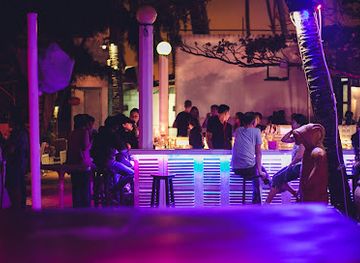
Phan Thiet’s evenings are generally relaxed rather than centred on a large club scene. In the city, cafés and casual riverside or neighbourhood drinking spots fill with local residents after sunset, while the Mui Ne strip offers a wider selection of beach bars, cocktail lounges, live-music venues and informal places serving Vietnamese beer. Some establishments cater to the resort crowd and may have a social, watersports-oriented atmosphere, but the character changes noticeably outside the busiest holiday periods. Sunset drinks, night markets and late seafood meals are more typical than an all-night entertainment circuit. Visitors should take care on the coastal road after dark, where traffic remains active and accommodation is spread along a long stretch rather than concentrated in one pedestrian nightlife quarter.
-
Bar
Joe's Cafe Muine
Discover Joe's Cafe Muine - a vibrant bar blending Vietnamese flavors and international cuisine with stunning ocean views and live music.
32 min drive · 12 km from city centre
-
Bar
Dragon Beach - Lounge Bar & Club
Discover the ultimate nightlife experience at Dragon Beach - Lounge Bar & Club, where stunning views and vibrant music create unforgettable memories.
34 min drive · 14 km from city centre
-
Cocktail bar
Nirvana Beach Club
Experience the vibrant nightlife and delectable cuisine at Nirvana Beach Club, your ultimate beachside destination in Phan Thiết.
34 min drive · 14 km from city centre
-
Restaurant
Modjo Restaurant & Bar
Experience the best of Asian and European cuisine at Modjo Restaurant & Bar, where every meal is a celebration of flavor and hospitality.
33 min drive · 13 km from city centre


Best nightclubs in Phan Thiet
Phan Thiet’s evenings are generally relaxed rather than centred on a large club scene. In the city, cafés and casual riverside or neighbourhood drinking spots fill with local residents after sunset, while the Mui Ne strip offers a wider selection of beach bars, cocktail lounges, live-music venues and informal places serving Vietnamese beer. Some establishments cater to the resort crowd and may have a social, watersports-oriented atmosphere, but the character changes noticeably outside the busiest holiday periods. Sunset drinks, night markets and late seafood meals are more typical than an all-night entertainment circuit. Visitors should take care on the coastal road after dark, where traffic remains active and accommodation is spread along a long stretch rather than concentrated in one pedestrian nightlife quarter.
-
Bar
Dragon Beach - Lounge Bar & Club
Discover the energetic nightlife of Dragon Beach - Lounge Bar & Club, where cocktails meet the rhythm of vibrant music in Phan Thiết, Vietnam.
34 min drive · 14 km from city centre
-
Night club
Nirvana Beach Club
Discover the vibrant nightlife at Nirvana Beach Club in Phan Thiet, where delicious food, refreshing drinks, and great music await you.
34 min drive · 14 km from city centre
-
Bar
Paris Night Club Bar
Experience the vibrant nightlife at Paris Night Club Bar in Phan Thiết, where music, cocktails, and unforgettable moments come together.
18 min walk · 1.5 km from city centre
-
Bar
A3 Club
Discover the vibrant nightlife at A3 Club in Phan Thiết, offering a lively atmosphere, crafted cocktails, and a memorable club experience.
5 min drive · 1.6 km from city centre


Best shops in Phan Thiet
Shopping in Phan Thiet is closely connected with food, fishing and everyday Vietnamese commerce. The central market is the place to browse fresh seafood, dried fish, fruit, spices, clothing and household goods, while smaller neighbourhood stalls provide a more local shopping experience than the resort strip. Bottles of Phan Thiet fish sauce are the best-known edible souvenir, although travellers should pack them securely and check transport rules. Other practical purchases include dried squid, dried shrimp, roasted nuts and regional snacks. Around Mui Ne, shops and stalls sell beachwear, woven goods, shell ornaments and tourist souvenirs, with selection and quality varying between vendors. Visitors interested in crafts should compare materials and workmanship carefully, and should treat market bargaining as a courteous exchange rather than an aggressive negotiation.
-
Supermarket
Lotte Mart Phan Thiết
Explore Lotte Mart Phan Thiết: Your one-stop hypermarket for local and international goods in Bình Thuận, Vietnam.
17 min walk · 1.4 km from city centre
-
Market
Phan Thiet Market
Experience the vibrant culture and culinary delights at Phan Thiet Market, a must-visit destination for every traveler in Vietnam.
11 min walk · 0.9 km from city centre
-
Clothing store
Genz.86
Explore the latest fashion trends at Genz.86, a premier clothing store in Phan Thiết, Vietnam, offering unique styles and accessories for every taste.
6 min walk · 0.5 km from city centre
-
Women's clothing store
3 Mí Store
Explore trendy women's fashion at 3 Mí Store in Phan Thiết – your go-to boutique for stylish clothing and unique accessories.
5 min drive · 1.7 km from city centre


Get your free copy of our complete guide to Phan Thiet, delivered straight to you.
Everything on this page, from attractions and restaurants to essentials and local phrases, in one PDF you can read offline, print or share.
Already have an account? Sign in
Your Phan Thiet guide is ready.
We'll send it to · Not you? Sign out

Getting your guide ready…
We are putting together a fresh copy of the Phan Thiet guide. This can take up to a minute.
This can take a few moments. If your browser asks, choose Allow so the download can start. You'll find the guide in your Downloads folder.
Nothing happened? Download it again
Sorry, the guide is taking longer than usual. Please try again in a minute, or get it by email instead.
Phan Thiet essentials
Currency and Payment
Safety
Emergency Situations
Do's and Don'ts
Local Tips
From Eve
Local phrases worth knowing
You don't need to get them perfect. A few words go a long way, and locals appreciate the effort.
Basics
| English | Local | Say it |
|---|---|---|
| Hello | Xin chào | [sin chow] |
| Goodbye | Tạm biệt | [tam byet] |
| Yes | Có | [koh] |
| No | Không | [kohng] |
| Please/You're welcome | Xin vui lòng | [sin vui long] |
| Thank you | Cảm ơn | [kam uhn] |
| Excuse me/Sorry | Xin lỗi | [sin loy] |
| How are you? | Bạn khỏe không? | [bahn kheh kohng] |
| Fine. And you? | Khỏe. Còn bạn? | [kheh. kohn bahn] |
| Do you speak English? | Bạn có nói tiếng Anh không? | [bahn koh noy ting ahn kohng] |
| I don't understand | Tôi không hiểu | [toy kohng hyehu] |
Eating & Drinking
| English | Local | Say it |
|---|---|---|
| I'd like to see the menu, please | Tôi muốn xem thực đơn, vui lòng | [toy moon sem tuk don, vui long] |
| I don't eat meat | Tôi không ăn thịt | [toy kohng an tit] |
| Cheers! | Dô! | [doh] |
| I would like to pay, please | Tôi muốn thanh toán, vui lòng | [toy moon tan toan, vui long] |
Emergencies
| English | Local | Say it |
|---|---|---|
| Help! | Cứu với! | [kew voy] |
| Go away! | Đi đi! | [dee dee] |
| Call the Police! | Gọi cảnh sát! | [goy kam saht] |
| Call a doctor! | Gọi bác sĩ! | [goy bahk see] |
| I'm lost | Tôi lạc đường | [toy lack doong] |
| I'm ill | Tôi ốm | [toy ohm] |
Shopping
| English | Local | Say it |
|---|---|---|
| I'd like to buy... | Tôi muốn mua... | [toy moon mwa] |
| I'm just looking | Tôi chỉ xem | [toy chee sem] |
| How much is it? | Bao nhiêu tiền? | [bah-oh nyew tee-en] |
| That's too expensive | Đắt quá | [dat kwa] |
| Can you lower the price? | Bạn có thể giảm giá không? | [bahn koh te ziam zah kohng] |
Time & Numbers
| English | Local | Say it |
|---|---|---|
| What time is it? | Bây giờ mấy giờ? | [bahy zoh may zoh] |
| It's one o'clock | Một giờ | [moht zoh] |
| Half past (10) | Mười giờ rưỡi | [moo-ee zoh ruh-ee] |
| Morning | Buổi sáng | [buoy sahng] |
| Afternoon | Buổi chiều | [buoy chee-oo] |
| Evening | Buổi tối | [buoy toy] |
| Yesterday | Hôm qua | [hohm kwah] |
| Today | Hôm nay | [hohm nigh] |
| Tomorrow | Ngày mai | [nyigh my] |
| 1 | Một | [moht] |
| 2 | Hai | [high] |
| 3 | Ba | [bah] |
| 4 | Bốn | [bohn] |
| 5 | Năm | [nahm] |
| 6 | Sáu | [sow] |
| 7 | Bảy | [bahy] |
| 8 | Tám | [tahm] |
| 9 | Chín | [cheen] |
| 10 | Mười | [moo-ee] |
Transport & Directions
| English | Local | Say it |
|---|---|---|
| Where's a/the...? | Đâu là... | [dow lah] |
| What's the address? | Địa chỉ là gì? | [dee-ah chee lah zee] |
| Can you show me (on the map)? | Bạn có thể chỉ cho tôi (trên bản đồ) không? | [bahn koh te chee cho toy (trin bahn doh) kohng] |
| When's the next (bus)? | Khi nào là chuyến xe tiếp theo? | [khee nah-oh lah chuyen se tipe the-oh] |
| A ticket (to ....) | Một vé (đi...) | [moht vay (dee)] |
History of Phan Thiet
Cham Foundations and Coastal Traditions
Before the expansion of Vietnamese settlement, the surrounding coast formed part of the cultural world of the Cham people, whose maritime kingdom of Champa occupied much of central and southern Vietnam at different periods. The Po Sah Inu Towers, generally dated to the late eighth or early ninth century, are the most visible surviving expression of this heritage near Phan Thiet. Their continued religious importance reflects the endurance of Cham traditions rather than a purely archaeological past. The region’s coastal geography also encouraged fishing, salt making and seaborne exchange, activities that remained central as successive communities developed around the river and shoreline.
Vietnamese Settlement and the Nguyễn Era
Vietnamese political and agricultural settlement expanded southwards over several centuries, bringing the coast of present-day Bình Thuận more firmly into the Nguyễn realm. Phan Thiet developed as a provincial coastal centre around the Ca Ty River, linking inland communities with fishing grounds and maritime trade. The area became particularly associated with the production of nước mắm, or fish sauce, made from fermented anchovies and salt. This industry was not merely a culinary speciality: it shaped household economies, harbour activity and the city’s commercial identity. Temples dedicated to sea-protecting spirits also became important institutions for fishing communities.
French Rule and a School of Reform
Under French colonial administration, Phan Thiet continued to function as a regional port and administrative centre while older religious and commercial networks persisted. Duc Thanh School was founded in 1908 by patriotic intellectuals associated with the Dục Thanh movement, which promoted education and national consciousness. In 1910, Nguyen Tat Thanh taught at the school before leaving Vietnam the following year. The modest surviving buildings are therefore linked to the early life of the revolutionary figure later known as Ho Chi Minh. The school also illustrates how education became a vehicle for cultural renewal and anti-colonial thought in early twentieth-century Vietnam.
War, Division and Postwar Change
Like much of central and southern Vietnam, Bình Thuận was affected by the conflicts that followed the end of French rule, including the First Indochina War and the Vietnam War. Military activity and political upheaval altered rural life, transport and commerce, although Phan Thiet’s fishing economy remained important. After reunification in 1975, the city became part of a unified Vietnam and gradually expanded its regional administrative and trading functions. Improvements in roads and domestic mobility later connected the coast more closely with Ho Chi Minh City and other southern centres, laying foundations for the tourism growth that followed.
From Fishing Port to Coastal Resort
Phan Thiet’s modern visitor economy emerged most visibly around Mui Ne, where a long beach, reliable winds and distinctive dunes attracted domestic and international travellers from the late twentieth century onwards. Accommodation, restaurants and watersports businesses spread along the coast, while the city retained its fish markets, temples and fish-sauce producers. The opening of improved road links and the Phan Thiet railway connection strengthened access from the south. Contemporary Phan Thiet consequently has two closely related identities: a working coastal city shaped by maritime traditions and an international beach destination whose landscapes have become central to its public image.
Phan Thiet in Photos
Browse through our photo collection highlighting the charm and character of the destination.
Cities near Phan Thiet
The closest cities to Phan Thiet, if you have time for more than one stop.
-

-

-

-
-


Swipe for more cities
Explore more

Explore more of Vietnam
Discover Vietnam's enchanting landscapes, vibrant cities, and rich cultural heritage. Experience the perfect blend of history, nature, and cuisine in this Southeast Asian gem.
Explore Vietnam