

Free Nha Trang Travel Guide & Mobile App
Plan your Nha Trang trip with Evendo. Get free guides to top attractions, restaurants, hotels, and bars. Web access or download the mobile app.


Nha Trang blends turquoise bays, Cham heritage, island excursions and Vietnamese seafood with coastal sightseeing, culture and spa escapes on Vietnam’s coast.
A South-Central Coast City
Nha Trang stretches along a broad bay on Vietnam’s south-central coast, where a long waterfront boulevard separates the city from beaches, fishing boats and the open waters of the East Sea. Its appeal lies in the combination of an accessible urban centre and a marine landscape of islands, reefs and sheltered coves. The city is the capital of Khánh Hòa province and a long-established beach destination, yet its identity is not limited to seaside leisure: seafood markets, local cafés, Buddhist temples and surviving Cham monuments provide a distinctly Vietnamese rhythm behind the resort frontage.Read more about Nha Trang
Heritage and Sacred Places
Life Around the Bay
When is the best time to visit Nha Trang?
Best: January–March · 28–29°C| Month | High (°C) | Rainfall (mm) |
|---|---|---|
| January (best) | 28 | 44 |
| February (best) | 28 | 24 |
| March (best) | 29 | 19 |
| April | 31 | 38 |
| May | 33 | 79 |
| June | 33 | 126 |
| July | 33 | 139 |
| August | 33 | 130 |
| September | 32 | 180 |
| October | 31 | 229 |
| November | 30 | 157 |
| December | 29 | 80 |
Getting to and around Nha Trang
How to get there
Transportation
Best attractions in Nha Trang
Nha Trang’s principal attractions combine a long urban beach with historical, cultural and marine experiences. Trần Phú Beach is the city’s most accessible stretch of sand, backed by a broad promenade suited to early walks and evening sea views. The Po Nagar Cham Towers rise above the Cái River and offer an atmospheric encounter with the region’s pre-modern Cham heritage, while nearby Long Sơn Pagoda introduces Buddhist art and a hilltop perspective over the city. North of the centre, Hòn Chồng’s granite formations create a distinctive coastal viewpoint. Nha Trang Bay’s islands bring opportunities for boat trips, swimming and snorkelling, with Hon Tre also associated with large-scale leisure attractions. The Alexandre Yersin Museum provides a more focused cultural visit, recalling the scientist whose work was linked to the Pasteur Institute in Nha Trang. Markets, seafood streets and mineral-mud bathing facilities add everyday and restorative dimensions beyond conventional beach sightseeing.
-
Tourist attraction
Ponagar Temple
Explore the ancient beauty of Ponagar Temple, a historical shrine in Nha Trang, showcasing the enchanting culture of the Cham civilization.
7 min drive · 2.3 km from city centre
-
Buddhist temple
Long Son Pagoda
Discover the tranquil beauty and spiritual significance of Long Son Pagoda, a stunning Buddhist temple in Nha Trang, Vietnam, showcasing rich cultural heritage.
5 min drive · 1.6 km from city centre
-
Tourist attraction
Agarwood Tower
Explore the serene beauty and cultural significance of Agarwood Tower, a tranquil retreat in the heart of Nha Trang, Vietnam.
7 min walk · 0.6 km from city centre
-
Resort hotel
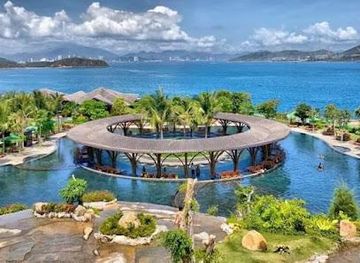
Hòn Tằm Resort
Experience the serene beauty and luxury of Hòn Tằm Resort in Nha Trang, Vietnam, where relaxation and adventure meet in a tropical paradise.
26 min drive · 8.6 km from city centre


Best landmarks in Nha Trang
The Po Nagar Cham Towers are Nha Trang’s foremost historic landmark, a surviving brick sanctuary complex associated with the worship of the goddess Po Nagar and the Cham civilisation of Kauthara. Long Sơn Pagoda, founded in the late nineteenth century and later rebuilt, is recognised by its white Buddha image on the hillside above the city; the temple grounds also contain a reclining Buddha and a historic dragon mosaic. Nha Trang Cathedral, commonly known as the Stone Church, occupies a rise near the railway station and illustrates the French-period development of the city through its Gothic-influenced form and local stone construction. Hòn Chồng’s weathered granite outcrops form a natural landmark on the northern shore, while the former Bao Dai Villas, set on a coastal hill, preserve an association with Vietnam’s last imperial dynasty and offer views across the bay.
-
Tourist attraction
Ponagar Temple
Explore the ancient Ponagar Temple in Nha Trang, Vietnam, a stunning shrine showcasing Cham architecture and rich cultural heritage.
7 min drive · 2.3 km from city centre
-
Hotel
Vinpearl Resort Nha Trang
Experience unparalleled luxury and adventure at Vinpearl Resort Nha Trang, a tropical oasis offering stunning views and world-class amenities.
19 min drive · 6.2 km from city centre
-
Bar
Sailing Club Nha Trang
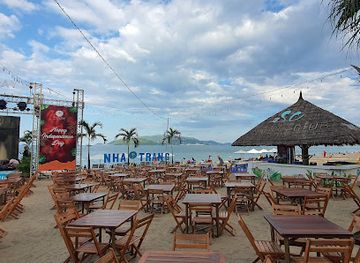
Experience the vibrant beachfront nightlife and exquisite dining at Sailing Club Nha Trang, where ocean views meet culinary excellence.
16 min walk · 1.3 km from city centre
-
Market
Dam Market
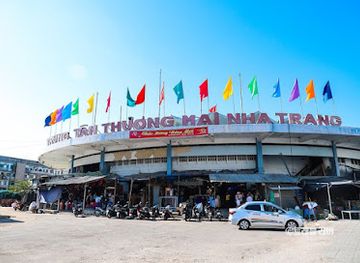
Explore the vibrant Dam Market in Nha Trang for an authentic taste of Vietnamese culture, delicious street food, and unique local handicrafts.
14 min walk · 1.1 km from city centre


Explore Nha Trang on the map
Plan your Nha Trang trip on one map. See where the top attractions, landmarks, restaurants, bars and hotels are, find what's near where you're staying, and book hotels and experiences in a few clicks.
Neighbourhoods in Nha Trang
-

-

-


Swipe for more neighbourhoods
Best hotels in Nha Trang
Best restaurants in Nha Trang
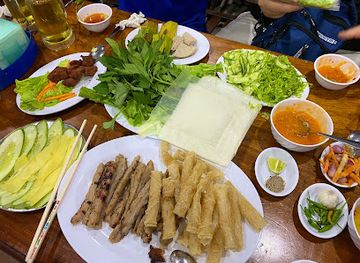
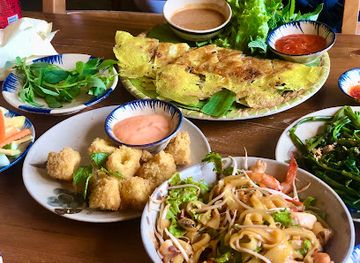
Nha Trang’s food culture is shaped by the sea, central Vietnamese seasoning and the produce of Khánh Hòa province. Bún cá, a light fish-noodle soup often served with fresh herbs and local fish, is a defining city meal, while bánh căn are small rice-flour cakes cooked in moulds and topped with ingredients such as egg or seafood. Nem nướng Ninh Hòa, grilled pork sausage served with herbs, rice paper and dipping sauce, comes from the nearby Ninh Hòa area and is widely associated with the province. Seafood restaurants range from informal shoreline establishments to more polished dining rooms, with prawns, squid, shellfish and fish commonly ordered by weight or selection. Dam Market, Xóm Mới Market and neighbourhood food streets offer fruit, snacks and inexpensive local meals, while the central hotel district includes Vietnamese, international and contemporary restaurants.
-
Restaurant
Xóm Mới Garden Nha Trang (씀모이가든 나트랑)
Experience authentic Vietnamese cuisine amidst lush greenery at Xóm Mới Garden Nha Trang.
7 min walk · 0.5 km from city centre
-
Restaurant
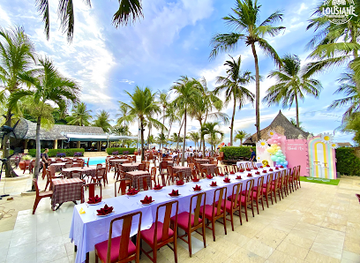
Lousiane Brewhouse
Experience the vibrant atmosphere and exquisite craft brews at Lousiane Brewhouse in Nha Trang – a must-visit culinary destination.
5 min drive · 1.6 km from city centre
-
Vietnamese
Nem Nướng Đặng Văn Quyên
Experience authentic Vietnamese cuisine at Nem Nướng Đặng Văn Quyên in Nha Trang – where flavor meets tradition!
12 min walk · 1.0 km from city centre
-
Vietnamese
Nhà hàng Chào Mào
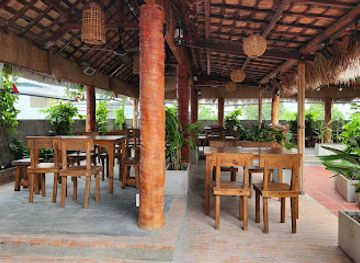
Experience the best of Vietnamese cuisine at Nhà hàng Chào Mào in Nha Trang - where every dish tells a story.
12 min walk · 0.9 km from city centre
Best bars in Nha Trang
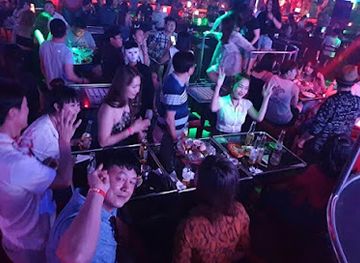
Nha Trang’s evening scene is concentrated around the central seafront, Trần Phú Boulevard and streets behind the beach, where hotel lounges, casual bars, cocktail venues and late-night establishments cater to residents and visitors. The atmosphere ranges from quiet drinks with a view of the bay to louder venues using DJs and amplified music, though the character and operating pattern of individual businesses can change. Smaller cafés and dessert shops provide a more restrained way to spend the evening, while seafood restaurants and riverside dining contribute to the city’s social life without being strictly nightlife venues. Cultural performances and hotel-based entertainment may also appear seasonally. Visitors should take care with drinks and belongings, use reliable transport after dark and remember that local businesses observe Vietnamese licensing and noise regulations.
-
Bar
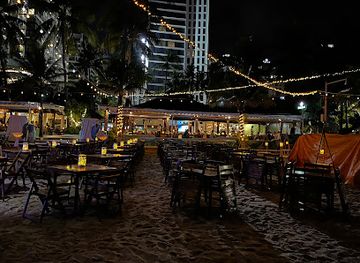
Sailing Club Nha Trang
Experience the ultimate beachside dining and nightlife at Sailing Club Nha Trang, where relaxation meets vibrant entertainment.
16 min walk · 1.3 km from city centre
-
Steak
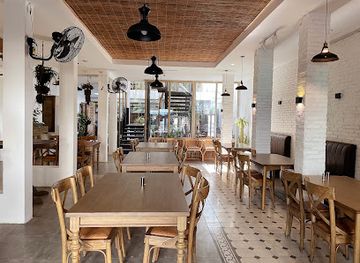
LIVIN - Nha Trang
Experience the best of American barbecue and Vietnamese flavors at LIVIN - Nha Trang, where every meal is a celebration of taste.
9 min walk · 0.8 km from city centre
-
Cocktail bar
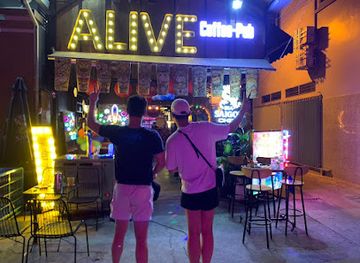
Alive pub
Discover the vibrant nightlife of Nha Trang at Alive Pub, a cocktail bar celebrated for its unique decor and lively atmosphere.
9 min walk · 0.7 km from city centre
-
Bar
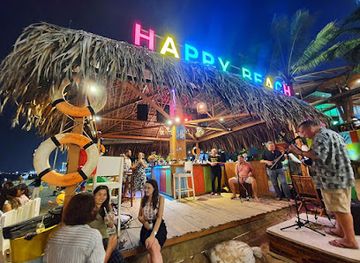
Happy Beach
Experience the vibrant energy and stunning ocean views at Happy Beach, the ultimate bar destination in Nha Trang, Vietnam.
5 min walk · 0.4 km from city centre
Best nightclubs in Nha Trang
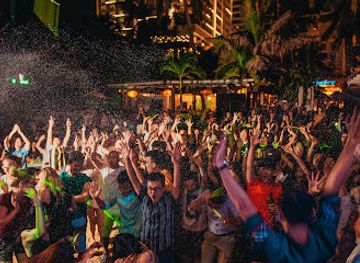
Nha Trang’s evening scene is concentrated around the central seafront, Trần Phú Boulevard and streets behind the beach, where hotel lounges, casual bars, cocktail venues and late-night establishments cater to residents and visitors. The atmosphere ranges from quiet drinks with a view of the bay to louder venues using DJs and amplified music, though the character and operating pattern of individual businesses can change. Smaller cafés and dessert shops provide a more restrained way to spend the evening, while seafood restaurants and riverside dining contribute to the city’s social life without being strictly nightlife venues. Cultural performances and hotel-based entertainment may also appear seasonally. Visitors should take care with drinks and belongings, use reliable transport after dark and remember that local businesses observe Vietnamese licensing and noise regulations.
-
Bar
Sailing Club Nha Trang
Experience the vibrant nightlife and exquisite dining at Sailing Club Nha Trang, where the sea meets sensational flavors and unforgettable memories.
16 min walk · 1.3 km from city centre
-
Night club
Skylight Nha Trang
Discover the vibrant nightlife and stunning views at Skylight Nha Trang, where dining and entertainment blend seamlessly in a luxurious setting.
3 min walk · 0.3 km from city centre
-
Night club
Z Club
Discover the heart of Nha Trang's nightlife at Z Club, where unforgettable memories and electrifying music await every night.
4 min walk · 0.3 km from city centre
-
Bar
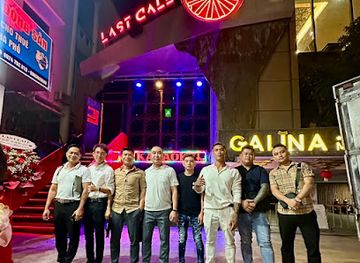
LAST CALL NHA TRANG
Discover the vibrant nightlife at Last Call Nha Trang, a premier bar offering exquisite drinks and an energetic atmosphere in Vietnam's coastal paradise.
10 min walk · 0.8 km from city centre

Best shops in Nha Trang
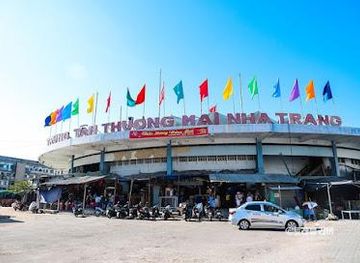
Shopping in Nha Trang ranges from everyday Vietnamese markets to tourist-oriented stores and modern retail spaces. Dam Market is the city’s best-known market, with sections selling clothing, household goods, dried seafood, fruit, snacks and souvenirs, while Xóm Mới Market has a more locally focused atmosphere and is useful for observing the daily food trade. The streets around the central beach and Nguyễn Thiện Thuật contain convenience shops, cafés, small boutiques and vendors selling beach clothing and gifts. Potential purchases include Vietnamese coffee, tea, dried seafood, chilli products, handicrafts, lacquerware and locally made textiles, though quality and provenance vary. Pearl jewellery is widely marketed because of the coastal setting, so buyers should request clear information about materials and receipts. Bargaining may be appropriate in some market stalls but is not expected in fixed-price shops and shopping centres.
-
Market
Dam Market
Explore Dam Market in Nha Trang for a vibrant blend of authentic Vietnamese culture, delicious street food, and unique shopping experiences.
14 min walk · 1.1 km from city centre
-
Shopping mall
Nha Trang Center
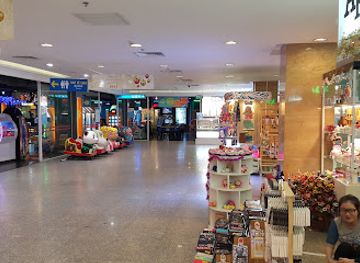
Explore Nha Trang Center, a vibrant shopping mall featuring diverse shops, an exciting food court, and entertainment options for the whole family.
5 min walk · 0.4 km from city centre
-
Hypermarket
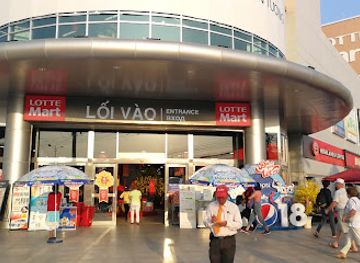
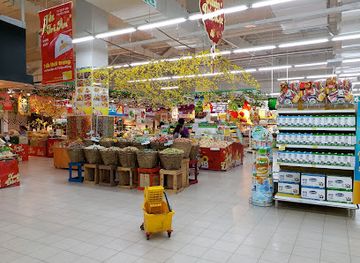
LOTTE MART Nha Trang
Discover a shopping paradise at LOTTE MART Nha Trang, where local flavors meet global brands in a vibrant hypermarket experience.
6 min drive · 2.0 km from city centre
-
Hypermarket
GO! Nha Trang
Explore the vibrant shopping experience at GO! Nha Trang, where local flavors meet an extensive variety of goods in a bustling hypermarket.
9 min drive · 2.9 km from city centre
Get your free copy of our complete guide to Nha Trang, delivered straight to you.
Everything on this page, from attractions and restaurants to essentials and local phrases, in one PDF you can read offline, print or share.
Already have an account? Sign in
Your Nha Trang guide is ready.
We'll send it to · Not you? Sign out

Getting your guide ready…
We are putting together a fresh copy of the Nha Trang guide. This can take up to a minute.
This can take a few moments. If your browser asks, choose Allow so the download can start. You'll find the guide in your Downloads folder.
Nothing happened? Download it again
Sorry, the guide is taking longer than usual. Please try again in a minute, or get it by email instead.
Nha Trang essentials
Currency and Payment
Safety
Emergency Situations
Do's and Don'ts
Local Tips
From Eve
Local phrases worth knowing
You don't need to get them perfect. A few words go a long way, and locals appreciate the effort.
Basics
| English | Local | Say it |
|---|---|---|
| Hello | Xin chào | [sin chow] |
| Goodbye | Tạm biệt | [tam byet] |
| Yes | Có | [ko] |
| No | Không | [kohng] |
| Please/You're welcome | Xin vui lòng | [sin vwee long] |
| Thank you | Cảm ơn | [kahm uhn] |
| Excuse me/Sorry | Xin lỗi | [sin loy] |
| How are you? | Bạn khỏe không? | [bahn kwee khohng] |
| Fine. And you? | Khỏe. Còn bạn? | [khoh-eh. kohn bahn?] |
| Do you speak English? | Bạn có nói tiếng Anh không? | [bahn koh noy tyeng ahn khohng] |
| I don't understand | Tôi không hiểu | [toy khohng hyeu] |
Eating & Drinking
| English | Local | Say it |
|---|---|---|
| I'd like to see the menu, please | Cho tôi xem menu, vui lòng | [cho toy sem menu, vwee long] |
| I don't eat meat | Tôi không ăn thịt | [toy khohng an tit] |
| Cheers! | Dô! | [doh] |
| I would like to pay, please | Tôi muốn thanh toán, vui lòng | [toy muhn thanh toan, vwee long] |
Emergencies
| English | Local | Say it |
|---|---|---|
| Help! | Cứu! | [kyoo] |
| Go away! | Đi đi! | [dee dee] |
| Call the Police! | Gọi cảnh sát! | [goy kahng saht] |
| Call a doctor! | Gọi bác sĩ! | [goy bahk see] |
| I'm lost | Tôi lạc đường | [toy lahk doong] |
| I'm ill | Tôi ốm | [toy ohm] |
Shopping
| English | Local | Say it |
|---|---|---|
| I'd like to buy... | Tôi muốn mua... | [toy muhn mwa] |
| I'm just looking | Tôi chỉ xem thôi | [toy chee sem toy] |
| How much is it? | Bao nhiêu tiền? | [bahng nyew tyen] |
| That's too expensive | Đắt quá | [daht kwah] |
| Can you lower the price? | Bạn có thể giảm giá không? | [bahn koh thee yem zah khohng] |
Time & Numbers
| English | Local | Say it |
|---|---|---|
| What time is it? | Bây giờ mấy giờ? | [bahy zoh my zoh] |
| It's one o'clock | Một giờ | [moh zoh] |
| Half past (10) | Mười giờ rưỡi | [moo-ee zoh roo-ee] |
| Morning | Buổi sáng | [bwo-ee sahng] |
| Afternoon | Buổi chiều | [bwo-ee chee-oo] |
| Evening | Buổi tối | [bwo-ee toy] |
| Yesterday | Hôm qua | [hom wa] |
| Today | Hôm nay | [hom nay] |
| Tomorrow | Ngày mai | [nguy my] |
| 1 | Một | [moh-t] |
| 2 | Hai | [high] |
| 3 | Ba | [bah] |
| 4 | Bốn | [bohn] |
| 5 | Năm | [nahm] |
| 6 | Sáu | [sow] |
| 7 | Bảy | [bahy] |
| 8 | Tám | [tahm] |
| 9 | Chín | [cheen] |
| 10 | Mười | [moo-ee] |
Transport & Directions
| English | Local | Say it |
|---|---|---|
| Where's a/the...? | Chỗ...ở đâu? | [choh...uh dow] |
| What's the address? | Địa chỉ là gì? | [yah chee la zee] |
| Can you show me (on the map)? | Bạn có thể chỉ cho tôi (trên bản đồ) không? | [bahn koh te chee choh toy (trehn bahn doh) khohng] |
| When's the next (bus)? | Khi nào là chuyến (xe buýt) tiếp theo? | [kee now lah chwee-en (say bwit) tyep the-oh] |
| A ticket (to ....) | Một vé (đi ...) | [moh zeh (dee ...)] |
History of Nha Trang
The Cham Kingdom of Kauthara
Before the rise of modern Nha Trang, the area formed part of Kauthara, a southern region of the Cham civilisation that flourished along the central Vietnamese coast. Cham communities developed maritime connections, cultivated the surrounding plains and followed Hindu and later local religious traditions. The Po Nagar complex beside the Cái River was established and expanded over several centuries, with inscriptions and brick architecture linking it to the worship of the goddess Po Nagar, a powerful mother deity. Although political control later changed, the sacred site endured, and its continuing worship illustrates the persistence of Cham cultural influence within the region’s later Vietnamese history.
Vietnamese Expansion and Coastal Settlement
From the late medieval period, Vietnamese southward expansion gradually brought the territory of Kauthara into the political sphere of Đại Việt. Population movement, administrative change and the growth of agricultural settlements altered the cultural landscape, while Cham communities continued to contribute to the region’s traditions. The coastal settlement that developed around present-day Nha Trang remained linked to fishing, farming and maritime trade rather than functioning as a major inland capital. Religious buildings and local festivals preserved memories of the earlier Cham world, while Vietnamese institutions and village life became increasingly established across Khánh Hòa.
Colonial-Era Urban Development
Under French colonial rule, Nha Trang began to develop as a more formal urban and medical centre. Its coastal climate and landscape attracted attention from colonial administrators and scientists, and the Pasteur Institute of Nha Trang, founded in 1895, became associated with medical research and public health work in the region. Roads, administrative buildings and villas gradually shaped the town’s modern layout. Nha Trang Cathedral, built in the early twentieth century on elevated ground, is another visible reminder of this period. The town remained smaller than major Vietnamese ports, but its seaside setting was already influencing its identity as a place of health, leisure and regional administration.
War, Division and National Reunification
Nha Trang’s strategic position on the central coast made it relevant during the conflicts that shaped twentieth-century Vietnam. The city and surrounding province experienced the upheavals of the First Indochina War and the Vietnam War, while military facilities and transport links increased its strategic importance. Following the fall of Saigon in 1975 and national reunification, Nha Trang entered a period of reconstruction within the Socialist Republic of Vietnam. Public institutions, transport connections and coastal infrastructure were progressively rebuilt, laying the foundations for the city’s later expansion.
The Rise of Modern Coastal Tourism
From the late twentieth century, improved roads, rail connections and domestic prosperity encouraged Nha Trang’s development as a major Vietnamese seaside destination. Hotels, restaurants and leisure facilities expanded along the waterfront, while the bay’s islands and coral-rich waters supported boating, diving and snorkelling activities. Tourism growth brought investment and employment but also intensified pressure on beaches, marine habitats and the city’s traditional coastal economy. Contemporary Nha Trang therefore contains several overlapping identities: a provincial capital, a working Vietnamese city, a historic Cham landscape and an internationally recognised resort on one of Vietnam’s most accessible bays.
Nha Trang in Photos
Browse through our photo collection highlighting the charm and character of the destination.
Cities near Nha Trang
The closest cities to Nha Trang, if you have time for more than one stop.
-

-

-

-

-


Swipe for more cities
Explore more

Explore more of Vietnam
Discover Vietnam's enchanting landscapes, vibrant cities, and rich cultural heritage. Experience the perfect blend of history, nature, and cuisine in this Southeast Asian gem.
Explore Vietnam