

Al-Hajjarah Village Travel Guide - Free Web & App
Your ultimate guide to Al-Hajjarah Village. Discover top landmarks, proposed trips, and local tips. Free on the web or via the Evendo companion app.


Al-Hajjarah Village in Yemen reveals Haraz mountain architecture, terraced coffee landscapes and centuries of highland history near Manakha today.
A Fortified Village in the Haraz Highlands
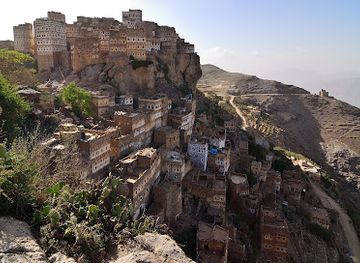
Al-Hajjarah is a historic mountain village in Yemen’s Haraz Highlands, west of Sana’a and close to the regional settlement of Manakha. Built into a steep escarpment, it is recognised for its tightly grouped stone houses, tall defensive architecture and dramatic position above deeply cut valleys. The village forms part of a wider highland landscape shaped by terraced agriculture, seasonal rainfall and long-established communities adapted to rugged terrain.Read more about Al-Hajjarah Village
Architecture, Agriculture and Highland Life
Visiting a Remote Cultural Landscape
When is the best time to visit Al-Hajjarah Village?
Best: March–April, November · 23–26°C| Month | High (°C) | Rainfall (mm) |
|---|---|---|
| January | 21 | 0 |
| February | 21 | 0 |
| March (best) | 23 | 0 |
| April (best) | 26 | 0 |
| May | 27 | 0 |
| June | 29 | 1 |
| July | 31 | 1 |
| August | 31 | 1 |
| September | 30 | 0 |
| October | 28 | 0 |
| November (best) | 26 | 0 |
| December | 23 | 0 |
Getting to and around Al-Hajjarah Village
How to get there
Transportation
Best attractions in Al-Hajjarah Village
Al-Hajjarah’s principal attraction is the village itself, where tall stone houses cluster along a steep rocky ridge above the Haraz valleys. The compact settlement is particularly noted for its defensive appearance, narrow lanes and layered skyline, while openings between buildings reveal cultivated terraces and mountain slopes. The surrounding Haraz Highlands provide the wider setting: steep valleys, ridgelines, scattered hamlets and agricultural fields supported by long-established water and soil-management practices. Nearby Manakha is the main regional reference point and may provide context for understanding the highland landscape, although it is separate from Al-Hajjarah. The village is also connected culturally to Yemen’s upland coffee-growing traditions, which remain more significant as a regional agricultural heritage than as a guaranteed visitor experience. Facilities are limited, and access to buildings, terraces and viewpoints depends on local permission, weather, road conditions and the prevailing security situation.
-
Mosque
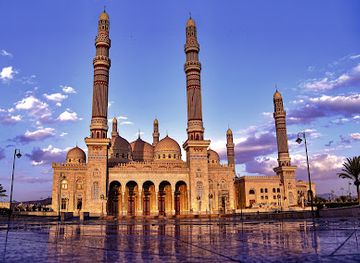
Al-Saleh Mosque
Discover the architectural beauty and spiritual depth of Al-Saleh Mosque, a stunning landmark in Sana'a, Yemen, rich in history and culture.
-
Tourist attraction
Al Sabeen Square
Explore Al Sabeen Square in Sana'a, Yemen - a lush park offering tranquility, beauty, and a taste of local culture amid the city's vibrant atmosphere.
-
Park
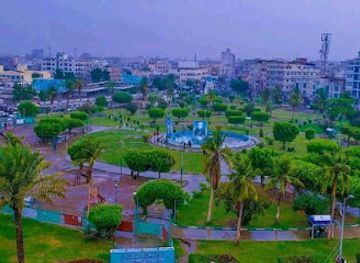
Althawra Park
Explore the serene beauty of Althawra Park, a lush urban oasis in Sana'a, perfect for relaxation and family outings.
-
Historical landmark
Dar AlHajar
Explore the enchanting Dar AlHajar, Yemen's iconic historical landmark that captures the essence of the country's rich heritage and stunning architecture.


Best landmarks in Al-Hajjarah Village
The defining landmark is Al-Hajjarah’s fortified stone settlement, whose tall, closely packed houses rise from a dramatic mountain position and illustrate the defensive and environmental logic of Yemeni highland architecture. Its narrow approach lanes, substantial masonry and compact urban form are as important as any single building, because they show how a community adapted to steep terrain, limited flat land and historical insecurity. The surrounding terraced slopes form a second, living landmark: they embody generations of agricultural labour and water management in the Haraz Highlands. The mountain ridges and valleys around Manakha provide the broader geographical frame, while the region’s association with coffee cultivation adds cultural significance. Individual houses should be treated as private property, and the condition or accessibility of historic structures cannot be assumed.
-
Mosque
Al-Saleh Mosque
Experience the architectural wonder and spiritual tranquility of Al-Saleh Mosque, a must-visit landmark in Sana'a, Yemen.
-
Historical landmark
Dar AlHajar
Explore the enchanting Dar AlHajar, a historic Yemeni landmark boasting stunning architecture and breathtaking mountain views.
-
Garden
Alshaab Garden
Explore the lush landscapes of Alshaab Garden, a serene haven in Al Hudaydah featuring vibrant flora and tranquil paths perfect for relaxation.
-
Castle
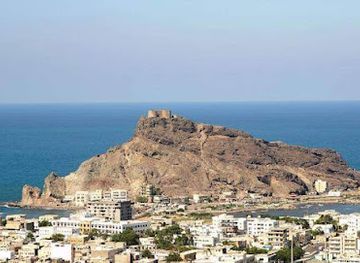
Seera Castle
Discover the rich history and breathtaking views at Seera Castle in Aden, Yemen – a must-see fortress for every traveler.

Explore Al-Hajjarah Village on the map
Plan your trip on one map. See where the top attractions, landmarks, restaurants and hotels are, and book hotels and experiences in a few clicks.
Best hotels in Al-Hajjarah Village
Best restaurants in Al-Hajjarah Village
Al-Hajjarah has no established restaurant quarter or dependable dining infrastructure for international visitors. Food options, where available, are likely to be modest and closely connected to local households, small shops or arrangements made through a guide, while more practical supplies may be sought in Manakha or before leaving larger towns. Yemeni cuisine commonly includes saltah, a bubbling stew traditionally served with fenugreek foam, flatbreads such as malawah and bint al-sahn, rice dishes, beans, tea and spiced coffee, though availability varies considerably in a conflict-affected rural area. Visitors authorised to travel should not assume that meals, bottled water, dietary alternatives or refrigeration will be available on arrival. Advance planning and respectful acceptance of local hospitality are more realistic than expecting a conventional tourist dining scene.
-
Restaurant
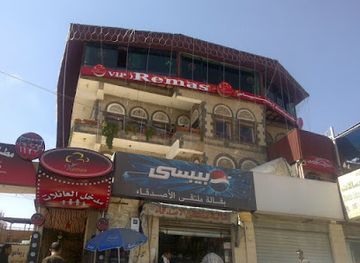
Remas Restaurants
Experience authentic Yemeni cuisine at Remas Restaurants in Sana'a - where tradition meets flavor in every dish.
-
Yemenite
Al Taizzy Restaurant
Experience authentic Yemenite flavors at Al Taizzy Restaurant - where tradition meets affordability in every delicious bite.
-
Restaurant
Al Qarmoushi Restaurant
Experience authentic Yemeni cuisine at Al Qarmoushi Restaurant in Sana'a – a culinary gem showcasing traditional flavors and warm hospitality.
-
Restaurant
PavaRoti Resturant
Experience authentic Yemeni flavors at PavaRoti Restaurant in Sanaa – where delicious cuisine meets warm hospitality.


Best bars in Al-Hajjarah Village
Al-Hajjarah has no bar, nightclub or commercial nightlife scene, and evening activity is shaped by village life, family gatherings and the practical limitations of a remote mountain settlement. Yemen is a predominantly Muslim country, and alcohol is not part of ordinary public hospitality; visitors should not expect licensed drinking venues. A quiet evening may involve tea, conversation and views across the darkening highlands, but even this should be approached with sensitivity to residents and local customs. Security conditions, limited electricity, communications difficulties and the need to travel during safer daylight periods may further restrict evening movement. More substantial hospitality facilities, where operating, would be associated with larger settlements rather than the village itself.
-
Bar
حوث
Discover the lively bar scene at حوث in Sana'a, where local culture meets vibrant nightlife and refreshing drinks await.
-
Bar
عصارة الطويلي الشارع العام
Discover عصارة الطويلي, the vibrant bar in الطويله, Yemen, for an authentic taste of local culture and refreshing traditional drinks.
-
 Bar
Barهايل للزبيب ولوزوالمكسرات
Discover a delightful bar in Sana'a offering a unique selection of nuts and raisins, perfect for a taste of Yemen's culinary heritage.
-
Bar
أبــو عــهـد الـحـسـيـني
Discover the vibrant local culture at أبــو عــهـد الـحـسـيـني, a charming bar in Hezyaz's bustling بني مطر market, perfect for relaxation and refreshment.

Best nightclubs in Al-Hajjarah Village
Al-Hajjarah has no bar, nightclub or commercial nightlife scene, and evening activity is shaped by village life, family gatherings and the practical limitations of a remote mountain settlement. Yemen is a predominantly Muslim country, and alcohol is not part of ordinary public hospitality; visitors should not expect licensed drinking venues. A quiet evening may involve tea, conversation and views across the darkening highlands, but even this should be approached with sensitivity to residents and local customs. Security conditions, limited electricity, communications difficulties and the need to travel during safer daylight periods may further restrict evening movement. More substantial hospitality facilities, where operating, would be associated with larger settlements rather than the village itself.
-
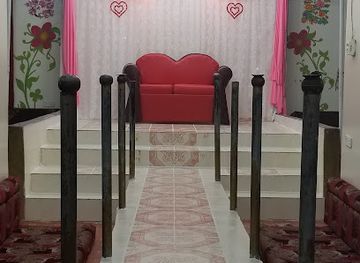
Wedding venue
صاله النادي الاهلي
Discover the elegance of Al-Ahli Club in Sana'a, a premier wedding venue offering exceptional service and breathtaking settings for your special day.
-
Night club
صالة نجوم طيبة
Discover the vibrant nightlife at صالة نجوم طيبة, the premier night club in Sana'a, Yemen, where music and culture come alive.
-
Tourist attraction
حارة المجران مدخل القرية
Explore the captivating allure of حارة المجران in Al Hajjarah, Yemen, where rich history meets vibrant local culture.
-
Lounge
صاله الرحاب
Discover the charm of صاله الرحاب, a cozy lounge in Sana'a offering local flavors and a serene atmosphere for relaxation.
Best shops in Al-Hajjarah Village
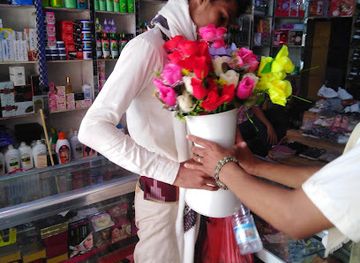
Shopping in Al-Hajjarah is limited and should not be confused with the craft districts or markets of Yemen’s larger towns. Small supplies may be available through local shops or informal trading, while more substantial provisions and regional goods are more likely to be found in Manakha or before travelling into the highlands. Potentially relevant products include Yemeni coffee, honey, spices, woven textiles and locally made foodstuffs, but availability, quality and legal transport arrangements vary. Visitors should avoid treating residents’ homes or agricultural goods as retail outlets and should ask before photographing or purchasing traditional items. Because cash services and commercial stocks may be unreliable, authorised travellers need to plan essential purchases in advance rather than depend on the village for souvenirs or equipment.
-
Warehouse club
Bani Mansour Market
Explore the vibrant Bani Mansour Market in Ar Rihabi, Yemen, where local culture, cuisine, and crafts come to life in a bustling atmosphere.
-
Grocery store
بقالـه ومعـرض غــاز اليــســري
Explore the authentic flavors of Yemen at بقالـه ومعـرض غــاز اليــســري, your local grocery store in Matnah.
-
E-commerce service
Yemen Gift Cards
Explore Yemen Gift Cards for authentic souvenirs and unique gifts showcasing the rich culture and artistry of Yemen.
-
Cosmetics store
المغـــــــــربي للأدوات التجميل
Explore المغـــــــــربي للأدوات التجميل in Abal, Yemen, for an unforgettable beauty shopping experience with local and international products.


Get your free copy of our complete guide to Al-Hajjarah Village, delivered straight to you.
Everything on this page, from attractions and restaurants to essentials and local phrases, in one PDF you can read offline, print or share.
Already have an account? Sign in
Your Al-Hajjarah Village guide is ready.
We'll send it to · Not you? Sign out

Getting your guide ready…
We are putting together a fresh copy of the Al-Hajjarah Village guide. This can take up to a minute.
This can take a few moments. If your browser asks, choose Allow so the download can start. You'll find the guide in your Downloads folder.
Nothing happened? Download it again
Sorry, the guide is taking longer than usual. Please try again in a minute, or get it by email instead.
Al-Hajjarah Village essentials
Currency and Payment
Safety
Emergency Situations
Do's and Don'ts
Local Tips
From Eve
Local phrases worth knowing
You don't need to get them perfect. A few words go a long way, and locals appreciate the effort.
Basics
| English | Local | Say it |
|---|---|---|
| Hello | مرحبا | [marhaba] |
| Goodbye | وداعا | [wadaan] |
| Yes | نعم | [naam] |
| No | لا | [laa] |
| Please/You're welcome | من فضلك | [min fadlik] |
| Thank you | شكرا لك | [shukran lak] |
| Excuse me/Sorry | عذرا | [aathir] |
| How are you? | كيف حالك؟ | [kaifa halak?] |
| Fine. And you? | بخير. وأنت؟ | [bikhair. wa'ant?] |
| Do you speak English? | هل تتكلم الإنجليزية؟ | [hal tatakallam al ingiliyziya?] |
| I don't understand | أنا لا أفهم | [ana la afham] |
Eating & Drinking
| English | Local | Say it |
|---|---|---|
| I'd like to see the menu, please | أود أن أرى القائمة، من فضلك | [awad an ara alqa'imah, min fadlik] |
| I don't eat meat | أنا لا آكل اللحم | [ana la aakol al lah'm] |
| Cheers! | في صحتك! | [fi sahtak!] |
| I would like to pay, please | أود أن أدفع، من فضلك | [awad an adfa', min fadlik] |
Emergencies
| English | Local | Say it |
|---|---|---|
| Help! | النجدة! | [alnajdah!] |
| Go away! | إبتعد! | [ibtad!] |
| Call the Police! | اتصل بالشرطة! | [atasil bialsurta!] |
| Call a doctor! | اتصل بطبيب! | [atasil bitalib!] |
| I'm lost | لقد ضللت الطريق | [laqad dalalet altariq] |
| I'm ill | أنا مريض | [ana mareed] |
Shopping
| English | Local | Say it |
|---|---|---|
| I'd like to buy... | أود شراء... | [awad shira...] |
| I'm just looking | أنا فقط أتفرج | [ana faqat atfarij] |
| How much is it? | كم سعره؟ | [kam si'rh?] |
| That's too expensive | هذا غالي جدا | [hatha ghali jiddan] |
| Can you lower the price? | هل يمكنك خفض السعر؟ | [hal yumkinuk khafdh alsi'r?] |
Time & Numbers
| English | Local | Say it |
|---|---|---|
| What time is it? | كم الساعة؟ | [kam al saa'a?] |
| It's one o'clock | الساعة الواحدة | [alsa'a alwahidah] |
| Half past (10) | العاشر والنصف | [al'ashir walnisf] |
| Morning | الصباح | [alsabah] |
| Afternoon | الظهر | [alzuhur] |
| Evening | المساء | [almasa'] |
| Yesterday | أمس | [ams] |
| Today | اليوم | [alyawm] |
| Tomorrow | غدا | [ghadan] |
| 1 | واحد | [wahid] |
| 2 | اثنان | [ithnan] |
| 3 | ثلاثة | [thalatha] |
| 4 | أربعة | [arba'a] |
| 5 | خمسة | [khamsa] |
| 6 | ستة | [sitta] |
| 7 | سبعة | [saba'a] |
| 8 | ثمانية | [thamania] |
| 9 | تسعة | [tasia] |
| 10 | عشرة | [ashara] |
Transport & Directions
| English | Local | Say it |
|---|---|---|
| Where's a/the...? | أين هو/هي...؟ | [ayn hu/hyi...?] |
| What's the address? | ما هو العنوان؟ | [ma hu al'unaan?] |
| Can you show me (on the map)? | هل يمكنك أن تريني (على الخريطة)؟ | [hal yumkinuk an tureeni ('ala alkhariata)?] |
| When's the next (bus)? | متى الحافلة التالية؟ | [mata alhafilat altaliat?] |
| A ticket (to ....) | تذكرة (إلى ....) | [tadhkirat ('iilaa ....)] |
History of Al-Hajjarah Village
The Haraz Mountain Landscape
The Haraz Highlands are part of Yemen’s western uplands, a mountainous region shaped by volcanic and tectonic processes over geological timescales. Steep ridges, narrow valleys and irregular rainfall encouraged communities to create agricultural terraces on slopes that would otherwise have been difficult to cultivate. Water management, stone construction and carefully maintained fields became central to highland settlement patterns. Al-Hajjarah’s location reflects this adaptation: the village occupies a naturally defensible rocky position while remaining connected to the surrounding agricultural landscape. Its history therefore belongs not only to its buildings but also to the long interaction between mountain communities, scarce water and terraced cultivation.
Medieval Fortification and Settlement
Al-Hajjarah is generally associated with Yemen’s medieval highland history and is commonly described as having developed as a fortified settlement during the period of the Sulayhid dynasty, which ruled parts of Yemen from the eleventh to the twelfth century. The precise evolution of the village’s buildings is difficult to separate from later rebuilding and enlargement, but its defensive character is clear in the compact arrangement, elevated position and substantial stone houses. Such settlements protected residents and stored valuable agricultural produce in a region where political authority, tribal relationships and control of mountain routes could shift over time.
Highland Trade and Coffee Cultivation
The Haraz area became linked to Yemen’s wider agricultural and trading economy through terraced cultivation and the production of coffee. Yemen’s coffee tradition is historically associated with upland districts, where local varieties were grown in small fields and carried through regional trading networks towards larger markets. Al-Hajjarah itself was not an isolated fortress detached from rural life: its prosperity was connected to surrounding farms, water systems and movement between mountain communities. Coffee remains an important part of the cultural identity of the Haraz region, although conflict, economic hardship and disrupted transport have placed pressure on cultivation and trade.
Architecture as Cultural Heritage
The village’s stone houses and fortified urban form represent a broader Yemeni highland architectural tradition in which buildings served domestic, agricultural, social and defensive purposes at the same time. Multi-storey structures used local materials and were arranged closely on difficult terrain, creating a compact skyline rather than a spread-out settlement. Decorative details vary from building to building, while the overall form reflects adaptation to climate, limited flat land and the need for security. Al-Hajjarah became increasingly recognised as a cultural and scenic destination through photography and heritage travel, even though tourism infrastructure remained modest.
Conflict, Conservation and Restricted Access
Yemen’s modern political instability and conflict have profoundly affected the country’s heritage, roads, public services and tourism economy. Al-Hajjarah’s historic fabric has attracted cultural interest, but conservation cannot be considered separately from the needs of residents, regional insecurity and limited resources. Travel to the Haraz Highlands may be affected by checkpoints, damaged roads, changing administrative arrangements and risks that are difficult for outside visitors to assess. The village’s present significance consequently lies both in its surviving architecture and in the continuing challenge of protecting Yemen’s highland heritage while communities face severe economic and humanitarian pressures.
Al-Hajjarah Village in Photos
Browse through our photo collection highlighting the charm and character of the destination.
Cities in Al-Hajjarah Village
The towns and cities of Al-Hajjarah Village, and the easiest places to base yourself.
-

-

-

-


Swipe for more cities
Neighbouring destination travel guides
The closest destinations to Al-Hajjarah Village, if you have time for more than one.
-

-

-

-

-


Swipe for more destinations
Explore more

Explore more of Raymah
Discover Raymah, Yemen’s untouched gem, where breathtaking landscapes, rich culture, and warm hospitality await every traveler.
Explore Raymah
Explore more of Yemen
Discover Yemen: An ancient land of rich history, stunning landscapes, and warm hospitality, offering a unique travel experience off the beaten path.
Explore Yemen