

Free Raymah Travel Guide & Mobile App
Explore Raymah with free travel guides. Discover regional history, expert tips, proposed trips, and audio guides on web or mobile app.


Raymah, Yemen offers rugged highlands, terraced farms, mountain villages and living rural traditions for travellers with authorised local arrangements.
Read more about Raymah
When is the best time to visit Raymah?
Best: April–May, October · 24–27°C| Month | High (°C) | Rainfall (mm) |
|---|---|---|
| January | 16 | 10 |
| February | 17 | 10 |
| March | 20 | 15 |
| April (best) | 24 | 15 |
| May (best) | 27 | 10 |
| June | 30 | 5 |
| July | 31 | 10 |
| August | 30 | 10 |
| September | 29 | 10 |
| October (best) | 26 | 10 |
| November | 21 | 10 |
| December | 17 | 10 |
Getting to and around Raymah
How to get there
Transportation
Destinations in Raymah
Resorts, valleys and scenic spots worth a trip of their own.
-

-


Swipe for more destinations
Best attractions in Raymah
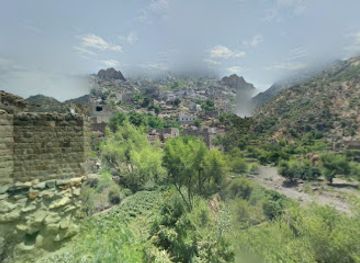
Raymah’s attractions are primarily landscapes, settlement patterns and cultural experiences rather than developed tourism facilities. The governorate’s terraced hillsides are its most distinctive feature, with stone-walled fields climbing slopes above narrow valleys and villages. A locally guided drive or walk can reveal how farms, paths, springs and houses are connected, although access must always be checked for security and land-use restrictions. Al Jabin provides the principal setting for observing administrative life, local commerce and the architectural language of the western Yemeni highlands. Smaller district markets and village clusters may offer a closer view of farming economies, traditional building methods and everyday social life, but they are not conventional sightseeing sites. Visitors interested in nature can appreciate highland panoramas, seasonal vegetation and the changing appearance of cultivated valleys after rain. There are no reliable assumptions to make about marked trails, visitor centres, public toilets or staffed museums, and road conditions may limit even planned excursions. The value of Raymah lies in its living rural environment and its relationship between steep terrain and agriculture, approached slowly and with local permission rather than through an independent attraction itinerary.
-

Hammam Mahy ad Din
Discover the tranquil oasis of Hammam Mahy ad Din, Yemen's renowned hot spring offering relaxation and cultural immersion in a stunning natural setting.
-
Mountain peak
Jabal Raymah
Explore the breathtaking Jabal Raymah, Yemen's majestic mountain peak, where stunning views and cultural richness await every traveler.

Best landmarks in Raymah
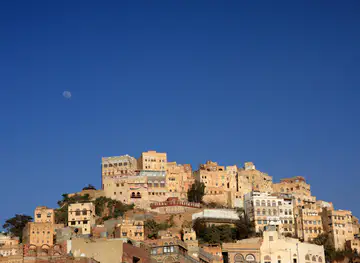
Raymah’s most important landmarks are tied to its mountain environment and inhabited landscape. Al Jabin is the governorate’s principal urban reference point, where traditional highland houses, mosques, local commercial streets and administrative buildings form a compact expression of regional life, although individual structures may be altered or affected by neglect and conflict. Across the governorate, stone agricultural terraces are landmarks in their own right: their retaining walls show how generations adapted farming to steep slopes and limited water. Clusters of tall stone and mud-brick houses on ridges and valley edges provide another recognisable feature, with construction styles varying between districts. Mosques and village cemeteries are important religious and social markers, but they should be approached only with permission and appropriate dress. Raymah’s ridgelines, cultivated valleys and seasonal watercourses create powerful natural viewpoints, yet exact access and safety cannot be presumed. The significance of these places lies less in monumental scale than in the relationship between architecture, agriculture, faith and difficult terrain.
-
Dar AlHajar
Discover the majestic Dar AlHajar, Yemen's iconic Rock Palace, and immerse yourself in its rich history and stunning architecture.
-
Seera Castle
Experience the historic grandeur of Seera Castle, a magnificent fortress in Aden, showcasing Yemen's rich heritage and offering stunning coastal views.
-
Historical landmark
Alsahareej (Water Tanks)
Discover the historical Alsahareej Water Tanks in Aden, Yemen, a remarkable testament to ancient engineering and cultural heritage.
-
National reserve
Excelled protected
Discover the breathtaking landscapes and rich biodiversity of Excelled Protected National Reserve in Yemen, a must-visit for nature lovers and adventure seekers.


Explore Raymah on the map
Plan your trip on one map. See where the top cities, national parks and sights are, and book hotels and experiences in a few clicks.
Best hotels in Raymah
Best restaurants in Raymah
Raymah does not have a developed restaurant industry for international visitors, and dining arrangements are likely to be informal, locally organised and concentrated in Al Jabin or other district centres. Meals commonly reflect western Yemeni highland cooking, with flatbreads, rice, beans, lentils, vegetables, sorghum and millet appearing alongside meat when available. Qat is an important agricultural and social product in Yemen, although it is not a meal and visitors should not assume that participation is expected. Tea and simple sweetened drinks are more realistic refreshments than a café culture designed for tourists. Rural hosts may offer food according to local custom, and accepting hospitality politely while explaining dietary restrictions clearly is advisable. Travellers should carry sealed drinking water and supplementary provisions because supplies and refrigeration can be uncertain. Food tastes, ingredients and availability vary between households, markets and seasons; visitors should avoid presenting modest rural meals as a staged cultural performance and should follow local advice on hygiene and safe water.
-
Restaurant
Alshaibany corporation for restaurants
Experience authentic Yemeni cuisine at Alshaibany Corporation for Restaurants in Sana'a - where flavor meets tradition.
-
Yemenite
Remas Restaurants
Experience authentic Yemeni cuisine at Remas Restaurants in Sana'a - where tradition meets flavor in every dish.
-
Restaurant
Saraya Restaurant
Experience authentic Yemeni cuisine at Saraya Restaurant in Al Hudaydah - where every dish tells a story.
-
Yemenite
Royal restaurant
Experience authentic Yemenite cuisine at Royal Restaurant in Sana'a - where tradition meets flavor in every dish.


Best bars in Raymah
Raymah has no conventional bar or nightclub scene, and Yemen’s religious, social and security conditions mean that evening life is centred on homes, family gatherings, local cafés, tea, conversation and community spaces rather than commercial nightlife. District centres may have modest places serving hot drinks and simple food, but opening arrangements and suitability for foreign visitors cannot be assumed. Night travel is particularly inadvisable because mountain roads, lighting, communications and security conditions are limited. Qat-chewing sessions form part of social life for some Yemenis, but visitors should approach the practice carefully, understand its legal and health implications in their own country and never treat participation as obligatory. In Raymah, the more appropriate evening experience is a quiet meal or conversation arranged through trusted local hosts, with respect for prayer times, household privacy and local guidance.
-
Chandler Muriel Bing
Discover the vibrant flavors of Yemen City at Chandler Muriel Bing, where exceptional coffee meets exquisite unagi in a cozy atmosphere.
-
Barari Alyemen
Discover the vibrant atmosphere and rich flavors of Barari Alyemen, a premier hookah bar in Sana'a, Yemen, perfect for relaxation and socializing.
-
Al hutaib Cottages
Discover the serene beauty of Al Hutaib Cottages, a charming retreat in Yemen's picturesque Hutayb, perfect for relaxation and cultural immersion.
-
Bar
قاعة احتفالات
Discover the welcoming atmosphere of قاعة احتفالات, a vibrant lounge in الرجم, Yemen, perfect for relaxation and cultural immersion.


Best nightclubs in Raymah
Raymah has no conventional bar or nightclub scene, and Yemen’s religious, social and security conditions mean that evening life is centred on homes, family gatherings, local cafés, tea, conversation and community spaces rather than commercial nightlife. District centres may have modest places serving hot drinks and simple food, but opening arrangements and suitability for foreign visitors cannot be assumed. Night travel is particularly inadvisable because mountain roads, lighting, communications and security conditions are limited. Qat-chewing sessions form part of social life for some Yemenis, but visitors should approach the practice carefully, understand its legal and health implications in their own country and never treat participation as obligatory. In Raymah, the more appropriate evening experience is a quiet meal or conversation arranged through trusted local hosts, with respect for prayer times, household privacy and local guidance.
-
Hawaii Entertainment Club
Experience the vibrant atmosphere of Hawaii Entertainment Club, a unique blend of coffee shop, athletic park, and social hub in Sana'a, Yemen.
-
ياسين العبدلي
Discover the vibrant nightlife at Yaseen Al-Abdali, a premier nightclub in Maweiah, Yemen, where music, dance, and culture come alive.
-
فندق وأجنحة الدحباشي
Discover the vibrant nightlife at فندق وأجنحة الدحباشي, Aden's ultimate destination for dancing, entertainment, and cultural immersion.
-
sultan been mehras been dreeb
Discover the heartbeat of Yemen's nightlife at Sultan Been Mehras, where music and culture intertwine for an unforgettable experience.

Best shops in Raymah
Shopping in Raymah is primarily local and practical, with small markets and shops serving nearby farming communities rather than a dedicated tourist retail sector. Visitors may encounter seasonal agricultural produce, grains, honey, coffee from suitable growing areas, dried foods, woven items and simple household goods, although availability varies by district and transport conditions. Al Jabin is the most likely place for a broader selection of everyday supplies, but it should not be expected to offer a large modern shopping centre, dependable international brands or extensive craft galleries. Purchases should be made respectfully and without intrusive bargaining, particularly when dealing with small producers or rural households. Ask local hosts whether an item is genuinely made in Raymah before describing it as regional, and avoid buying antiquities, old building materials or objects that might have been removed from archaeological or religious sites. Essential medicines, toiletries, cash and packaged provisions are best obtained before travelling into remote mountain areas.
-
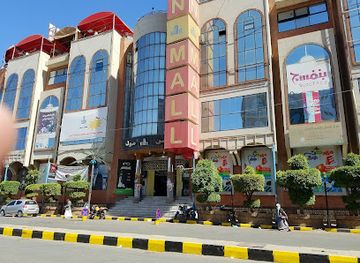
Shopping mall
Yemen Mall
Discover Yemen Mall: A Shopping Haven in the Heart of Sana'a, Blending Local Culture with Modern Retail Experiences.
-
Shopping mall
Aden Mall
Discover the vibrant shopping scene at Aden Mall in Yemen, featuring local crafts, international brands, diverse dining, and family-friendly entertainment.
-
Shopping mall
Goods Yahya Almaaanh and Akhunh to Tjarhamh
Explore Goods Yahya Almaaanh and Akhunh to Tjarhamh: Your ultimate shopping destination in Al Mahwit, Yemen, blending local charm with modern shopping.
-
Outlet mall
هاني الاحلسي HB modern glasses
Explore HB Modern Glasses in Sana'a for a unique shopping experience, blending modern eyewear fashion with traditional Yemeni hospitality.


Get your free copy of our complete guide to Raymah, delivered straight to you.
Everything on this page, from attractions and restaurants to essentials and local phrases, in one PDF you can read offline, print or share.
Already have an account? Sign in
Your Raymah guide is ready.
We'll send it to · Not you? Sign out

Getting your guide ready…
We are putting together a fresh copy of the Raymah guide. This can take up to a minute.
This can take a few moments. If your browser asks, choose Allow so the download can start. You'll find the guide in your Downloads folder.
Nothing happened? Download it again
Sorry, the guide is taking longer than usual. Please try again in a minute, or get it by email instead.
Raymah essentials
Currency and Payment
Safety
Emergency Situations
Do's and Don'ts
Local Tips
From Eve
Local phrases worth knowing
You don't need to get them perfect. A few words go a long way, and locals appreciate the effort.
Basics
| English | Local | Say it |
|---|---|---|
| Hello | مرحبا | [Marhaban] |
| Goodbye | وداعا | [Wada'an] |
| Yes | نعم | [Na'am] |
| No | لا | [La] |
| Please/You're welcome | من فضلك | [Min fadlik] |
| Thank you | شكرا | [Shukran] |
| Excuse me/Sorry | عفوا | [Afwan] |
| How are you? | كيف حالك؟ | [Kayfa halak?] |
| Fine. And you? | بخير. وأنت؟ | [Bikhayr. Wa anta?] |
| Do you speak English? | هل تتحدث الإنجليزية؟ | [Hal tatahaddath al-ingliziyya?] |
| I don't understand | لا أفهم | [La afham] |
Eating & Drinking
| English | Local | Say it |
|---|---|---|
| I'd like to see the menu, please | أود رؤية القائمة، من فضلك | [Awad ru'yat al-qaimah, min fadlik] |
| I don't eat meat | لا آكل اللحم | [La akul al-lahm] |
| Cheers! | في صحتك! | [Fi sihtak!] |
| I would like to pay, please | أود الدفع، من فضلك | [Awad al-daf', min fadlik] |
Emergencies
| English | Local | Say it |
|---|---|---|
| Help! | مساعدة! | [Musa'adah!] |
| Go away! | ابتعد! | [Ibt'id!] |
| Call the Police! | اتصل بالشرطة! | [Ittasil bil-shurta!] |
| Call a doctor! | اتصل بالطبيب! | [Ittasil bil-tabeeb!] |
| I'm lost | أنا ضائع | [Ana da'i'] |
| I'm ill | أنا مريض | [Ana marid] |
Shopping
| English | Local | Say it |
|---|---|---|
| I'd like to buy... | أود شراء... | [Awad shirā'] |
| I'm just looking | أنا فقط أنظر | [Ana faqat anzur] |
| How much is it? | كم ثمنه؟ | [Kam thamanuh?] |
| That's too expensive | هذا مكلف جدا | [Hatha mukallaf jiddan] |
| Can you lower the price? | هل يمكنك تخفيض السعر؟ | [Hal yumkinuka takhfid al-si'r?] |
Time & Numbers
| English | Local | Say it |
|---|---|---|
| What time is it? | كم الساعة؟ | [Kam al-sa'ah?] |
| It's one o'clock | الساعة واحدة | [Al-sa'ah wahidah] |
| Half past (10) | نصف (10) | [Nisf (10)] |
| Morning | صباح | [Sabah] |
| Afternoon | بعد الظهر | [Ba'd al-zuhur] |
| Evening | مساء | [Masa'] |
| Yesterday | أمس | [Ams] |
| Today | اليوم | [Al-yawm] |
| Tomorrow | غدا | [Ghadan] |
| 1 | واحد | [Wahid] |
| 2 | اثنان | [Ithnan] |
| 3 | ثلاثة | [Thalatha] |
| 4 | أربعة | [Arba'a] |
| 5 | خمسة | [Khamsa] |
| 6 | ستة | [Sitta] |
| 7 | سبعة | [Sab'a] |
| 8 | ثمانية | [Thamaniya] |
| 9 | تسعة | [Tis'a] |
| 10 | عشرة | [Ashara] |
Transport & Directions
| English | Local | Say it |
|---|---|---|
| Where's a/the...? | أين ...؟ | [Ayn ...?] |
| What's the address? | ما هو العنوان؟ | [Ma huwa al-'unwan?] |
| Can you show me (on the map)? | هل يمكنك أن تريني (على الخريطة)؟ | [Hal yumkinuka an turini (ala al-kharita)?] |
| When's the next (bus)? | متى تكون الحافلة القادمة؟ | [Mata takun al-hafila al-qadima?] |
| A ticket (to ....) | تذكرة (إلى ...) | [Tadhkirah (ila ...)] |
History of Raymah
Ancient Highland Agriculture
Raymah’s steep cultivated slopes belong to the wider agricultural landscape of western Yemen, where communities developed terracing, water management and diversified farming over many centuries. Stone retaining walls reduced soil erosion and made it possible to grow cereals and other crops on hillsides that would otherwise have been difficult to use. The governorate is not defined by one single monumental archaeological centre, but its rural landscape preserves an important form of inherited environmental knowledge. The continuing relationship between villages, terraces, seasonal water and grazing land is one of the region’s most significant historical legacies.
Pre-Islamic South Arabian Influences
Before Islam, western Yemen formed part of the cultural world of the ancient South Arabian kingdoms, including Saba and Himyar. Political control varied across time and terrain, and evidence from the wider highlands includes old settlement patterns, inscriptions, water-management traditions and routes linking upland communities with lowland markets. Raymah’s mountainous character probably limited the concentration of large urban monuments compared with some other Yemeni regions, but its agricultural systems and position between highland and western routes connect it to the long history of South Arabian settlement and exchange.
Islamisation and Medieval Highland Communities
From the seventh century onwards, Islam reshaped Yemen’s political institutions, scholarship, architecture and community life. The western highlands developed networks of mosques, local markets and learned families, while villages adapted older settlement patterns to new religious and administrative structures. Control was often dispersed, with the practical authority of local communities and regional leaders particularly important in difficult mountain country. The mosques, cemeteries, house forms and patterns of village organisation found across Raymah reflect this long interaction between Islamic institutions, agriculture and highland society.
Zaydi Imamate and the Western Highlands
For much of the medieval and early modern period, Raymah was connected to the political and religious sphere of Yemen’s Zaydi imams. The imamate’s authority was negotiated through alliances with local tribal and village leaders rather than imposed uniformly across every mountain district. Raymah’s terrain made access laborious and encouraged strong local identities, while agricultural production and routes towards the western lowlands gave the area wider importance. The period left a durable imprint on religious life, patterns of authority and the architectural character of many western Yemeni highland settlements.
Ottoman Interventions
The Ottoman Empire made two major attempts to control Yemen, first in the sixteenth century and again from the nineteenth century until the end of the First World War. Ottoman authority was strongest in strategic towns and corridors, while mountainous districts such as Raymah were often difficult to administer consistently. Military expeditions, taxation, local resistance and negotiated relationships shaped the period. Although Raymah does not have the same concentration of Ottoman monuments as some larger Yemeni cities, the era formed part of the wider political history linking the western highlands with coastal ports and imperial administration.
The Modern Yemen Arab Republic
After the end of the imamate in 1962, the Yemen Arab Republic gradually extended new administrative structures, roads, schools and state services into the northern and western highlands. Raymah remained predominantly rural, and its difficult topography continued to influence access to healthcare, markets and education. The governorate was formally established as a separate administrative unit in 2004, reflecting efforts to manage local government and public services more directly. That administrative development did not erase older village and district identities, which remain central to social and economic life.
Conflict and Humanitarian Disruption
Yemen’s conflict since 2014 has affected transport, public services, food supply, employment and domestic movement throughout the country, including Raymah. Mountain communities have faced particular difficulties when roads, fuel access and communications are disrupted. The region’s recent history is therefore not only a political story but also one of pressure on farming households, migration and local infrastructure. Any contemporary account of Raymah must recognise that many apparently ordinary travel arrangements, historic buildings and rural activities are shaped by humanitarian needs and an unstable security environment.
Raymah in Photos
Browse through our photo collection highlighting the charm and character of the destination.
Neighbouring regions of Raymah
The closest regions to Raymah, if you have time for more than one.
-

-
-

-

-


Swipe for more regions
Explore more

Explore more of Yemen
Discover Yemen: An ancient land of rich history, stunning landscapes, and warm hospitality, offering a unique travel experience off the beaten path.
Explore Yemen