


Amsterdam: Dam Square, Red Light District & Canals Walking Tour
 Amsterdam, NL
 66% of travellers recommend this
Highlights
- Explore iconic canals
- Visit Dutch East India Company remnants
- Discover hidden charm
- Learn rich history
- Experience vibrant culture
-
Local guide included
-
Duration 2 hours
-
Wheelchair accessible
-
Available in English and Spanish
-
Explore hidden gems of Amsterdam
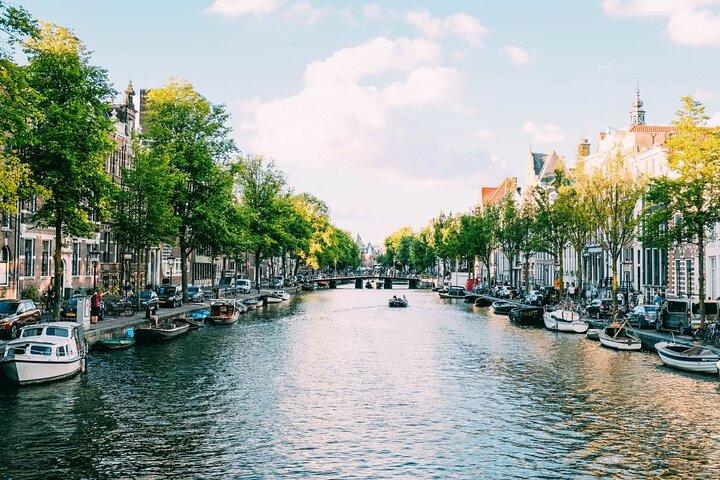
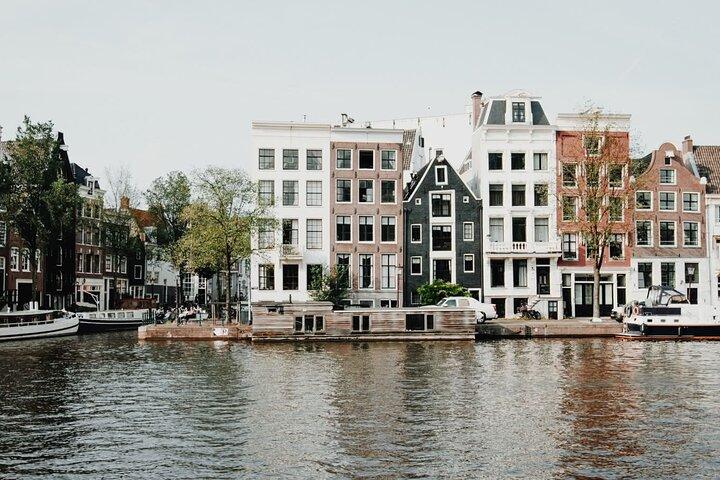
Experience the best of Amsterdam with a captivating 2-hour walking tour that takes you through the city's iconic canals, past remnants of the Dutch East India Company, and into hidden gems inaccessible by bus. Led by local experts, you'll uncover Amsterdam's rich history, from its golden age of shipping to the dark era of Nazi occupation. Explore unique landmarks like the city's smallest house and the historic Jewish Quarter, while immersing yourself in the vibrant and open-minded culture that defines Amsterdam today. This tour offers a perfect blend of history and modernity, providing a deep dive into one of Europe's most beloved cities. Don't miss out on this unforgettable experience!
At a Glance
-
 Free cancellation
-
 2 hours
-
 Instant Confirmation
-
 Available in English, Spanish; Castilian
-
 Wheelchair accessible
-
 Mobile voucher
-
 Private Tour
-
 Guided
-
 Family friendly

Featured Reviews

Join the Amsterdam Highlights Walking Tour for an engaging 2-hour exploration of the city's rich history and vibrant culture with a local guide.
Included
-
 OtherLocal guide
Excluded
-
 OtherGratuities
Meeting Point
Your tour starts in front of the clock at Centraal Station. Look for the red umbrella!

1012 AB Amsterdam , Netherlands


What to expect
Centraal Station
Our tour begins where Amsterdam meets the water. Around 800 years ago this was a small fishing settlement at the mouth of the river Amstel, and the story of how it became one of the richest cities in the world starts right here. Your guide explains how a simple dam gave Amsterdam its name, and how the harbor turned a muddy village into a global trading power. We'll meet in front of Central Station, opened in 1889 and designed by Pierre Cuypers, the architect of the Rijksmuseum. It sits on three artificial islands supported by thousands of wooden piles driven into the soft ground. When it was built it cut the city off from its own waterfront, and many locals hated it. Today it’s one of Amsterdam’s most photographed buildings and a great starting point for the city’s story.
10 minutes
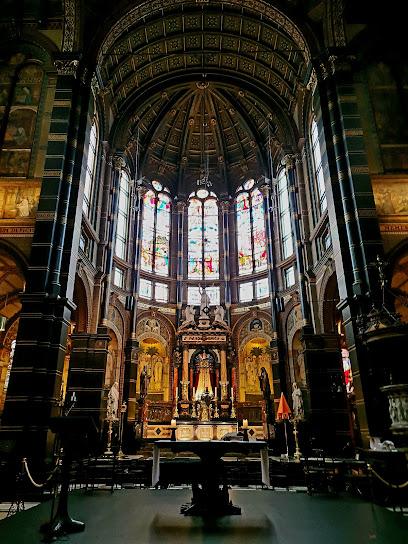
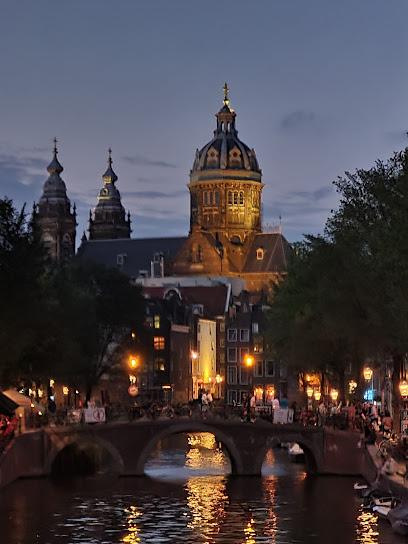
It's not the North Pole, but it does have a connection to the legend of a certain keeper of lists and stuffer of stockings! Just across the water from the station rises the Basilica of St Nicholas, Amsterdam’s main Catholic church, completed in 1887. Its twin towers and huge dome make it one of the city’s great landmarks, especially from the water. St Nicholas is the patron saint of sailors, and of Amsterdam itself, which fits a city built on sea trade. You'll learn why such a grand Catholic church only appeared in the late 19th century. For about two centuries before that, Catholics in Protestant Amsterdam could only worship in hidden churches tucked inside ordinary houses. Finally, we'll hear how St Nicholas became Sinterklaas, the Dutch figure behind the modern Santa Claus! Sinterklaas is a controversial figure in the Netherlands, so get ready to either love him or hate him!
5 minutes
In ‘t Aepjen
At the start of the Zeedijk stands one of only two wooden houses left in Amsterdam’s old center, built in the 16th century, when the city was still full of timber buildings. After repeated fires, Amsterdam banned new wooden houses, which makes this one a rare survivor. Today it’s a cozy old bar with a famous story. Legend says sailors coming home from Asia paid their bills here with monkeys, and the house was soon full of them, fleas and all. It gave the Dutch a saying still used today. Your guide reveals the story behind the name and what the saying really means.
5 minutes
Chinatown
The Zeedijk started as an actual sea dike that protected early Amsterdam from the water. It grew into one of the city’s liveliest streets, packed with sailors, taverns and lodging houses, and later earned a darker reputation that locals worked hard to change. Today it’s the heart of Amsterdam’s Chinatown, with Asian restaurants, bakeries and shops lining the street. Here you’ll see the He Hua Temple, the largest Chinese palace-style Buddhist temple in Europe. Your guide shares how Chinese sailors first settled in this part of the city, and how the Zeedijk changed from the city’s roughest street into one of its most colorful.
10 minutes
The Red Light District is the oldest part of Amsterdam, and its narrow canals and medieval alleys are home to the Oude Kerk, the city’s oldest building. Your guide gives honest, respectful context on how the district works today, how sex work is regulated in the Netherlands and why the area remains such an important part of the city’s identity. You’ll then have time to walk through the district yourself before regrouping. Please note: photographing the windows or the people working in them is strictly forbidden, and your guide will explain the local rules so you can explore with confidence and respect.
15 minutes
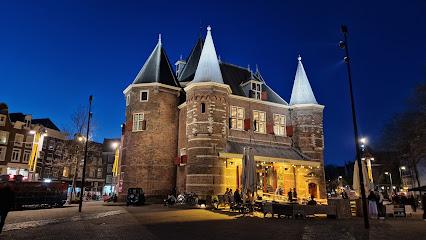
On Nieuwmarkt square stands De Waag, the oldest non-religious building in Amsterdam. It was built in the 1400s as a gate in the city walls, at a time when Amsterdam’s border ran right through this square. As the city grew past its walls, the gate became a weighing house for goods, and its upper floors housed the city’s guilds. The surgeons’ guild performed public dissections here, and it was for this guild that Rembrandt painted his famous Anatomy Lesson of Dr. Tulp. Your guide brings medieval Amsterdam to life, from city walls and markets to public punishments, at one of the most atmospheric squares in town.
10 minutes
Kloveniersburgwal 48
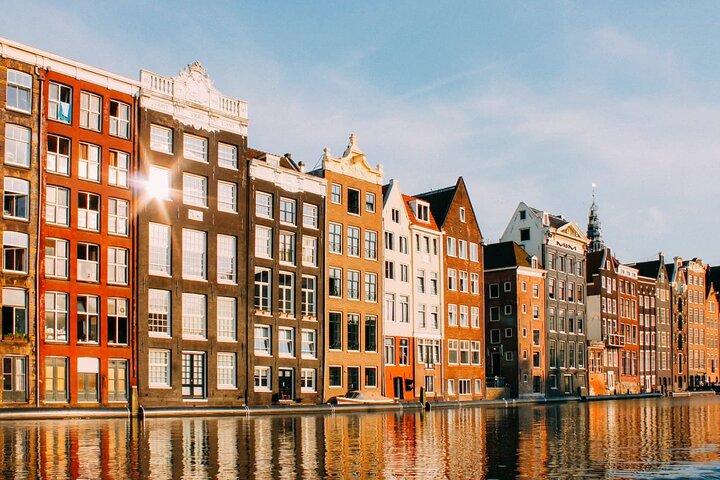
This building was the headquarters of the Dutch East India Company, the VOC, founded in 1602. Often called the world’s first multinational company, it was also the first to issue publicly traded shares, an idea that helped shape modern capitalism. From here the company ran a trading empire that stretched from Africa to Japan and made Amsterdam the richest city in the world in the 17th century. Your guide covers both sides of that story: the Golden Age wealth that built the canals you see today, and the colonial violence and exploitation it depended on. Today the building belongs to the University of Amsterdam.
10 minutes
Dam Square
Dam Square is where Amsterdam began. In the 13th century, settlers built a dam on the river Amstel here, and the city took its name from it: Amstel-dam. For centuries this was the center of trade, politics and public life, and it’s still the city’s main stage for celebrations, protests and national events. In the middle of the square stands the National Monument, which remembers the victims of World War II. Every year on May 4, the King and the nation gather here for the Remembrance of the Dead. Your guide shows you how much history surrounds you on this one square.
10 minutes
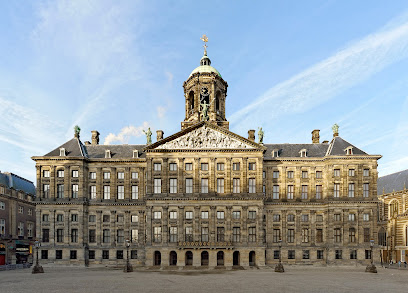
The Royal Palace was never meant for royalty. It was built in the 17th century as Amsterdam’s City Hall, at the height of the Dutch Golden Age, and was so grand that people called it the Eighth Wonder of the World. It stands on more than 13,000 wooden piles sunk into the marshy ground. The building only became a palace in 1808, when Napoleon’s brother Louis Bonaparte was made King of Holland and moved in. Today it’s one of three palaces used by the Dutch royal family, and is still used for state visits and official receptions. Your guide explains what its design said about the city that built it.
5 minutes
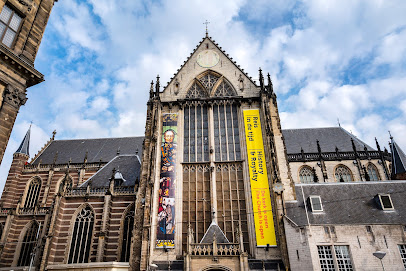
Despite its name, the New Church dates from the early 15th century. It was “new” compared to the Oude Kerk in the Red Light District. Rebuilt after a major fire in the 17th century, it has become the stage for the biggest moments of the Dutch monarchy. Dutch kings and queens are inaugurated here, including King Willem-Alexander in 2013, and royal weddings have taken place under its roof. Today it no longer holds regular services and is used for major exhibitions and events. Your guide explains its role in Dutch royal history and why the Netherlands inaugurates its monarchs instead of crowning them.
5 minutes
Statue of Multatuli
Here you’ll find the statue of Multatuli, the pen name of Eduard Douwes Dekker, one of the most important Dutch writers. His 1860 novel Max Havelaar exposed the abuse of the local population in the Dutch East Indies (now Indonesia) and shook the conscience of the nation. The statue stands on the Torensluis, one of the oldest and widest bridges in Amsterdam, built where a tower of the old city walls once stood. Under the bridge are old cells that were used as a jail. Your guide tells the story of the writer who challenged his own country and the hidden history beneath your feet.
5 minutes
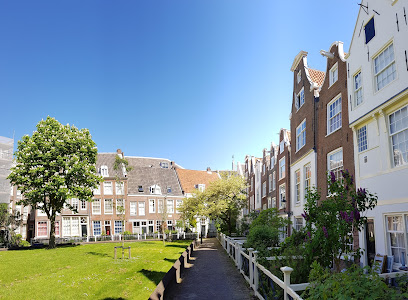
Step through an unassuming doorway and you’ll find one of Amsterdam’s best-kept secrets: a peaceful courtyard of historic houses around a garden, hidden in the middle of the city. Since the Middle Ages, the Begijnhof was home to the Beguines, Catholic women who lived together in a religious community without taking full vows as nuns. Here you’ll see the Houten Huis, one of only two wooden houses left in central Amsterdam, and a hidden Catholic church built behind ordinary house fronts. The Begijnhof is still a residential area, so your guide will share its story quietly, letting you enjoy one of the calmest spots in the city.
10 minutes
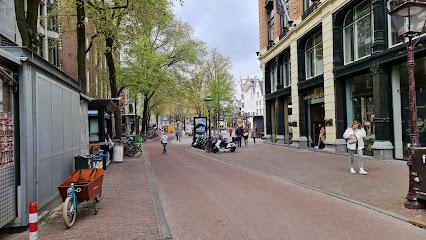
Your tour ends at Spui, one of Amsterdam’s most charming squares, surrounded by bookshops and historic cafés. In the 1960s it was the stage for the Provos, a playful anti-establishment movement that held “happenings” around the small statue of Het Lieverdje. They challenged authority with humor and creative protests, and with ideas like free white bicycles for everyone, which helped shape the open, tolerant Amsterdam of today. Your guide finishes the story of the city here, and is happy to share tips on where to eat, drink and explore next.
10 minutes
The experience can be subject to change due to bad weather or unforseen circumstances. We always endeavour to give you the best possible experience.
Additional Information
-
 Infants and small children can ride in a pram or stroller
-
Suitable for all physical fitness levels
-
Transportation options are wheelchair accessible
-
Wheelchair accessible
What our experts say
-
 Start at Dam Square for lively vibes.
-
Visit nearby Café de Jaren for coffee.
-
Check out the unique shops around.
-
Explore the Red Light District after tour.
-
Don't miss the street performers at Dam.

More About this Experience
Introduction
Welcome to the Amsterdam Highlights Walking Tour, a 2-hour journey through the heart of this vibrant city. Led by knowledgeable locals, this tour promises to unveil the hidden gems of Amsterdam, from its iconic canals to its rich history.What to expect?
On this tour, expect to immerse yourself in the history and culture of Amsterdam. You will explore the city's famous canals, visit landmarks like the Dutch East India Company remnants, and discover the historic Jewish Quarter. Learn about Amsterdam's past, from its golden age to the dark times of Nazi occupation, all while experiencing the city's modern and open-minded atmosphere.Who is this for?
This tour is perfect for history buffs, culture enthusiasts, and anyone looking to explore Amsterdam beyond the typical tourist spots. Whether you're a solo traveler, a couple, or a group of friends, this tour offers something for everyone who wants to dive deep into Amsterdam's fascinating past and present.Why book this?
Immerse yourself in the rich history and vibrant culture of Amsterdam on this unique walking tour. From iconic landmarks to hidden gems, you'll get a comprehensive overview of the city's past and present. Led by local experts, you'll gain insights and stories that you won't find in guidebooks, making this experience truly unforgettable.Good to know
Joining this tour will give you a deeper understanding of Amsterdam's history and culture, allowing you to see the city from a new perspective. Wear comfortable shoes and be prepared to walk through charming streets and alleys that reveal the essence of Amsterdam. Don't forget your camera to capture the beauty of this city!Reviews
Travelers who have experienced the Amsterdam Highlights Walking Tour rave about the knowledgeable guides, the fascinating insights into the city's history, and the overall immersive experience. Many have described it as a must-do for anyone visiting Amsterdam, praising the blend of history and modernity that this tour offers.
Your all‑in‑one travel companion app
Explore expert travel guides, compare and book tours, experiences, hotels, and more—all from the palm of your hand. Download now for seamless trip planning wherever your wanderlust takes you.


This is a popular product and the date you are looking for just sold out. Next available date is
