


Amsterdam in World War Two Cycle Tour
 Amsterdam, NL
 100% of travellers recommend this
Highlights
- Cycle through Amsterdam South and discover the history of World War Two
- Visit the home of Anne Frank and learn about her story
- Explore historical locations where the German Army had fights with the Dutch resistance
- Learn about the German occupation in the Netherlands from retired historians
- See the transformed Museumplein and learn about its role during the war
-
Duration 2.5 to 3.2 hours
-
Guided by retired historians
-
Small group experience
-
Includes historical photo displays
-
Bicycle rental not included
Experience the gripping history of Amsterdam during World War Two with the Amsterdam in World War Two Cycle Tour. Retired historians, fueled by a passion for this era, will take you on a bike tour through Amsterdam South, guiding you past significant sites from the occupation. Be transported back in time as you view old photos juxtaposed with the same locations today. Discover the home of Anne Frank, explore Jewish sites, witness German bunkers, and visit places where the Dutch resistance fought against the German Army. This immersive tour provides a unique opportunity to understand the impact of the war on the city and its people. Join us on this compelling journey and gain a deeper appreciation for the history of Amsterdam during this turbulent period. Duration: 150 to 190 minutes.
At a Glance
-
 Free cancellation
-
 2 hours 30 minutes
-
 Instant Confirmation
-
 Available in English
-
 Mobile voucher
-
 Small Group tour
-
 Guided
-
 Family friendly

Featured Reviews

Explore Amsterdam's WWII history on a captivating bike tour led by expert historians, uncovering stories at key historical sites.
Included
-
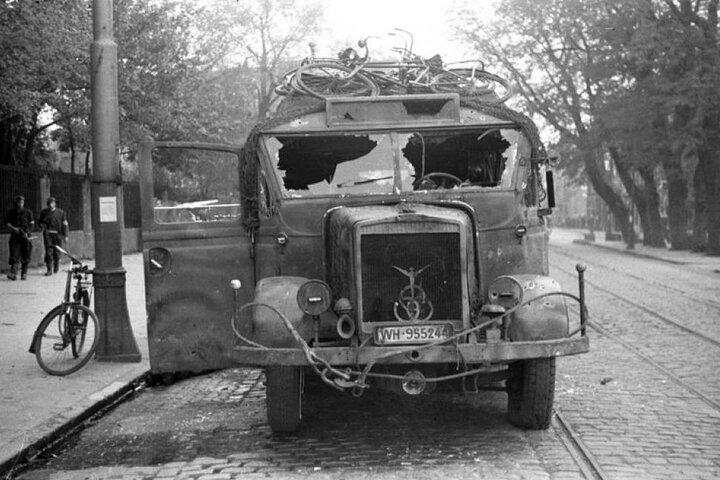
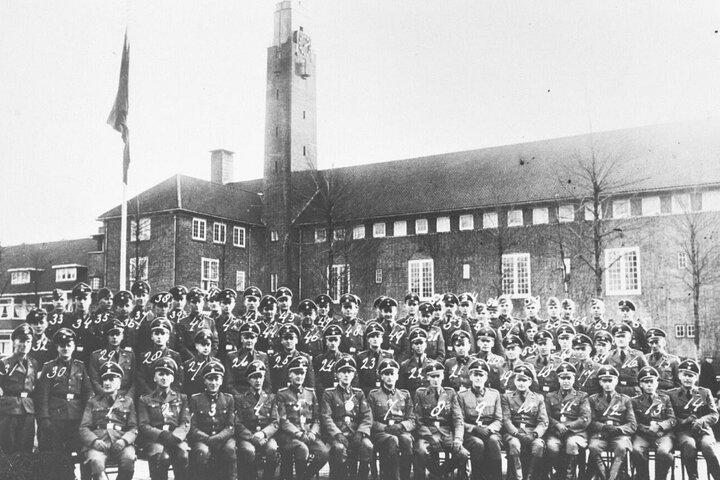
 During the tour we show pictures of the situation in World War Two on the same place today.


What to expect
Victorieplein
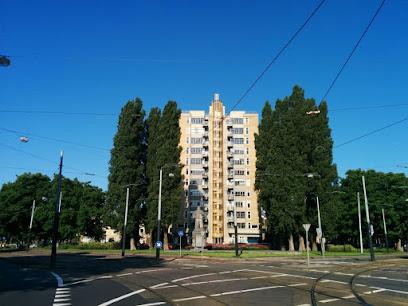
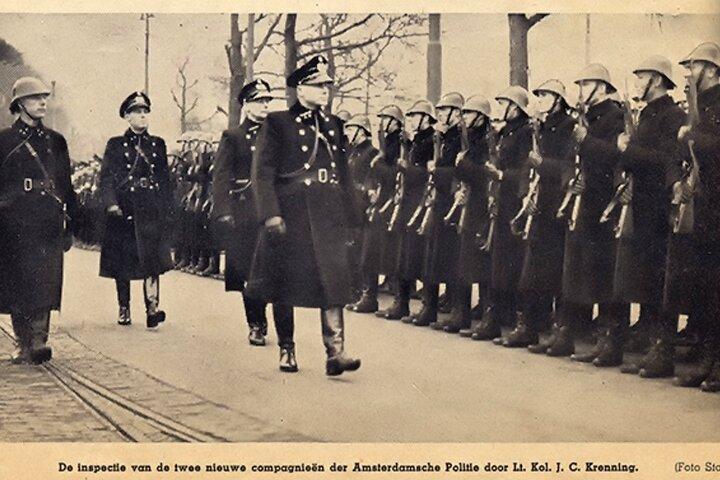
Our bike tour starts at Victorieplein (Victory Square was then called Daniël Willinkplein). On June 20, 1943, a major raid took place in Amsterdam. At the foot of the Skyscraper, large groups of Jewish citizens were arrested during a so-called Judenaktion. Assisted by Dutch police units (PBA, Police Battalion Amsterdan) and police volunteers (from the Dutch National Socialist Movement - the NSB), the Nazis transported the Jews to Olympiaplein, among other places, for registration purposes and then to the Westerbork concentration camp in the east of the Netherlands.
Merwedeplein
Merwedeplein 37-II (3rd floorby American counting) was the home of the Frank family. In the summer of 1942, Otto Frank took his family and some acquaintances to “Het Achterhuis” (the Secret Annex) on the Prinsengracht, where Otto Frank's company was located. A statue commemorates Anne Frank on Merwedeplein. Around the corner from the Waalstraat bookstore, Jimmink (still active) sold the first edition of “Het Achterhuis” (Contact publishers), the first edition of Anne Frank's diary was published in 1947. It was at this bookshop that Otto Frank bought the diary for his daughter.
Waalstraat
At Waalstraat 48, opposite Merwedeplein, (now Café Blek) was once the Tilex Bar (Tilly and Lex - van Weren). Lex van Weren survived Auschwitz because he had to play his trumpet at executions.
Cornelis Troostplein 1
Cornelis Troostplein 23. Once accommodated the PBA-baracks, before WWII it was called “peace parish” ( the Catholic complex held two convents and a school). Spring 1942 the chief of the Sicherheitsdienst (SD) /Gestapo Rauter inspected the PBA and met Reichsführer - SS Heinrich Himmler at Museumplein.
Rijksmuseum
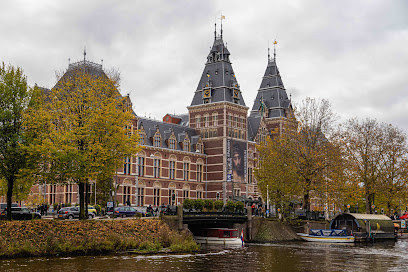
The Germans transformed the Museumplein during the war into a stronghold. When facing the concert hall, the houses on your left were occupied by German offices. E.g. the United States consulate building once housed the Zentralstelle für Jüdische Auswanderung ( Central Jewish ‘Emigration’ office) Next door you could find the Ortskommandantur (Town Major) and the Feldgendarmerie (Military Police) building. The other buildings housed nazi party offices and other German services. On the square in front of these buildings was the IJsclubterrein ( Amsterdam skating club). Here the Germans build their stronghold with bunkers an anti-aircraft (Flak~) batteries. Next to the concert hallyou found the NSB HQ Amsterdam. After WWII all bunkers were blown up.
Roelof Hartplein
Cafe Wildschut, we’ll have a short stop for coffee and a restroom visit.
10 minutes
Roelof Hartstraat
There was a photo shop next to the library building on Roelof Hartstraat. During the war, the Dutch resistance used the store and developed unique photos (e.g. Charles Breijer) of the first roundup of Jews in Amsterdam by the SD/Gestapo and the German (order) police.
Harmoniehof
You’ll find a small monument remembering Jews taken from this neighborhood.
Corner Beethovenstraat / Apollolaan. At the end of October 1944, approx. in front of no: 6. (and note: most of the house numbers are still the same as during WWII), Herbert Oelschlägel SS officer and Sicherheitsdienst /Gestapo agent was executed by a Dutch resistance member. In retaliation the Sicherheitsdienst / Gestapo burned down two houses and executed 29 resistance fighters.
Gerrit van der Veenstraat 6
At the time this street was called Euterpestraat. Gerrit van der Veen was the leader of an important Dutch resistance-group
Memlingstraat
On the corner of Memlingstraat/Rubensstraat were two offices of the most important Nazi oppression organizations. SD-HQ Amsterdam (SD Aussenstelle under Willy Lages) and the Hausraterfassungsstelle (stealing the possesions of deported Jews) which was part of the Zentralstelle für Jüdische Auswanderung. The leader of the Hauserfassungsstelle was a Dutch collaborator named Henneicke. In November 1944, the resistance requested the Royal Air Force via a secret radio message to attack the headquarters of the SD/Gestapo and the Hausraterfassungsstelle. Destroying SD/Gestapo files was their main aim. This job was done by Group Captain Denys Gillam DSO, DFC, AFC leader of 149 (Typhoon) wing. There was a (resistance) safehouse on the corner of Rubensstraat/Gerrit van der Veenstraat. See Stolperstein (stumbling stone) for the address. In June 1944, this address was betrayed to the SD/Gestapo by a female informant (V-Frau).
Olympiaplein
Olympiaplein/Parnassusweg. On this square, Jewish people arrested during the raid of June 1943 at the sports complex (see monument Parnassusweg) were registered by the SD/Gestapo with the help(!) of Jewish camp police sent from Westerbork concentration camp.
Valeriusplein
Valeriusplein / Amsterdam Lyceum. This school building was the headquarters of the Luftwaffe at the end of the occupation.
Emmaplein
Statue of Queen Emma on Emmalaan/Prins Hendriklaan In the summer of 1940, people placed flowers at the statue, in defiance of the German occupiers. One of the resistance photographers, Charles Breijer (see 7.), took this photo of the guard at the headquarters of the Kriegsmarine in 1944.
Amstelveenseweg
When the Germans surrendered on May 7, 1945, dangerous situations arose between frustrated German troops and resistance fighters. See the monument to the victims of one of the shootings on the last day. This was the last point of the tour. I will guide you through the Vondelpark to Leidseplein where we started.
The experience can be subject to change due to bad weather or unforseen circumstances. We always endeavour to give you the best possible experience.
Additional Information
-
 Not recommended for pregnant travelers
 -
Not recommended for travelers with poor cardiovascular health
-
Not recommended for travelers with spinal injuries
-
Suitable for all physical fitness levels
What our experts say
-
 Stop by Cafe Wildschut for coffee.
 -
Visit the Anne Frank House nearby.
-
Wear comfortable shoes for biking.
-
Check the weather, dress accordingly.
-
Explore the Vondelpark after the tour.

More About this Experience
Introduction: The Amsterdam in World War Two Cycle Tour offers a unique and immersive experience, taking you on a captivating journey through the history of the German occupation in the Netherlands during World War Two. Led by three retired historians with an immense passion for this period, this bike tour will transport you back in time as you explore Amsterdam South and discover the stories that unfolded in each location. What to expect: During this 150 to 190-minute tour, you can expect to visit significant sites and hear fascinating anecdotes about Amsterdam's role in the war. From the home of Anne Frank to German bunkers and headquarters, you'll see firsthand the places where history was made. Along the way, the tour guides will share old photographs that will conjure vivid images of the past and help you understand the enormity of the events that took place. Who is this for: This tour is for anyone with an interest in history, particularly World War Two and its impact on Amsterdam. Whether you're a history enthusiast, a student, or simply curious about the past, this tour offers valuable insights into a crucial period in Dutch history. Why book this: What sets the Amsterdam in World War Two Cycle Tour apart is the expertise of the retired historians who lead the tour. Their wealth of knowledge and passion for the subject make this experience truly exceptional. By choosing this tour, you'll gain a deeper understanding of Amsterdam's wartime history, engaging with real stories and locations that will leave a lasting impression. Good to know: The tour takes place on bicycles, which allows for easy and efficient transportation between each location. Make sure to dress comfortably and bring water, as the duration of the tour can range from 150 to 190 minutes. Throughout the tour, you'll have opportunities to take breaks, including a short stop at Cafe Wildschut for coffee and restroom use. Reviews: Previous participants have highly praised the Amsterdam in World War Two Cycle Tour, commending the tour guides for their extensive knowledge and engaging storytelling. Many have expressed deep appreciation for the unique perspective gained from exploring the city on a bicycle and have described the experience as both educational and emotionally moving. By the end of the tour, visitors have reported feeling a profound connection to the past and a greater appreciation for the resilience of the Dutch people during a challenging time in history.

Your all‑in‑one travel companion app
Explore expert travel guides, compare and book tours, experiences, hotels, and more—all from the palm of your hand. Download now for seamless trip planning wherever your wanderlust takes you.


This is a popular product and the date you are looking for just sold out. Next available date is
