


County Armagh Private Day Tour From Belfast Navan Fort Celts
 Armagh, GB



Highlights
- Explore the ancient ceremonial monument of Navan Fort
- Immerse yourself in the history of Armagh at the oldest county museum in Ireland
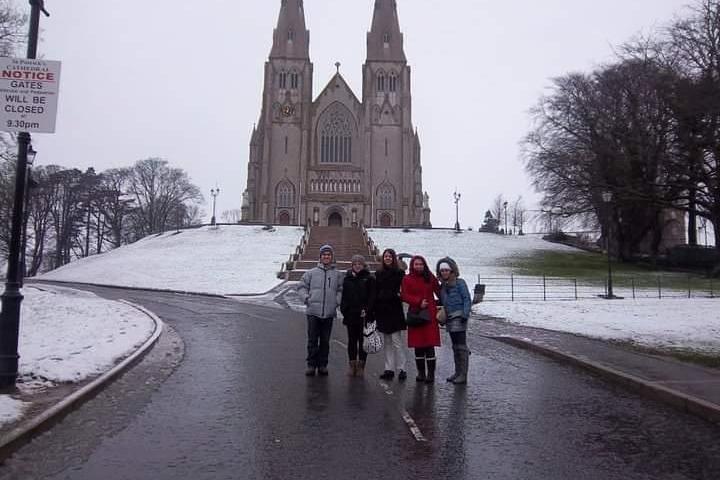
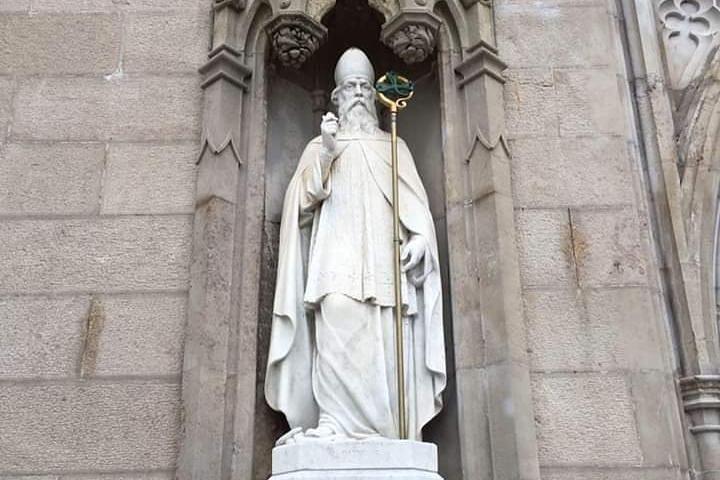
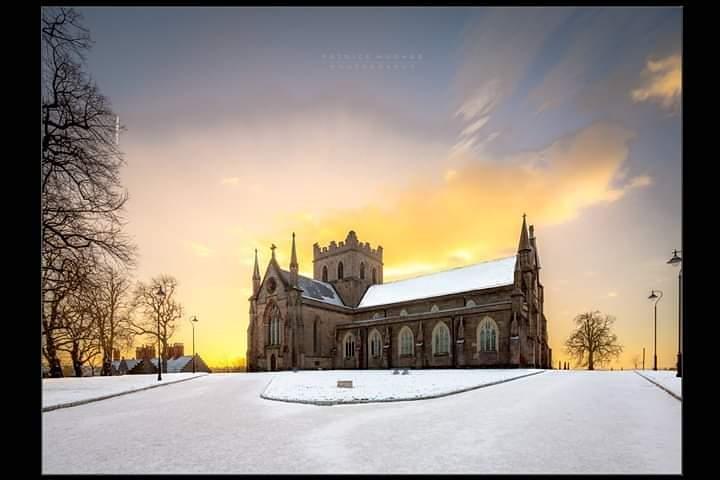
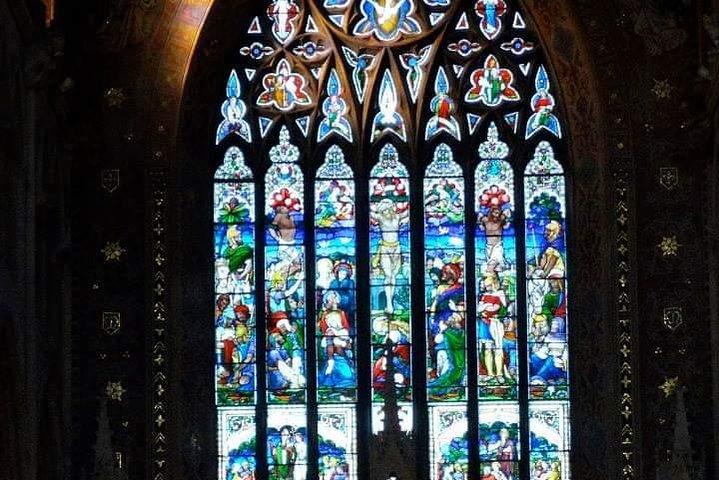
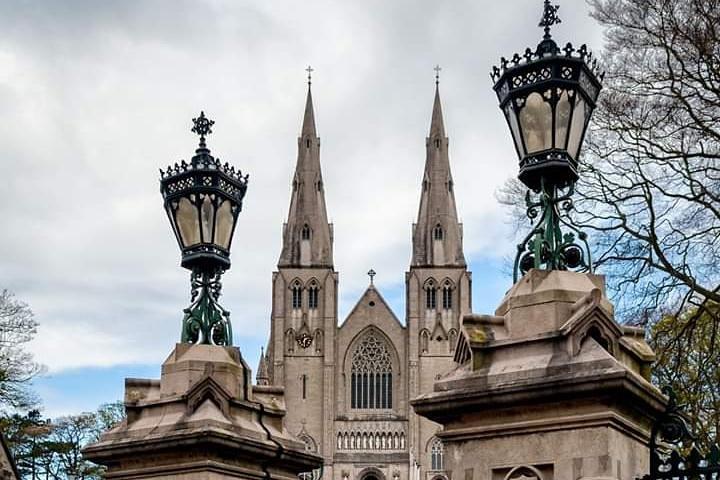
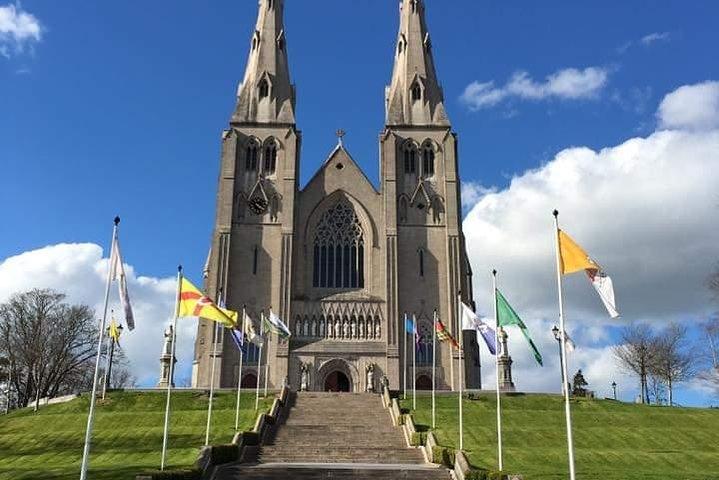
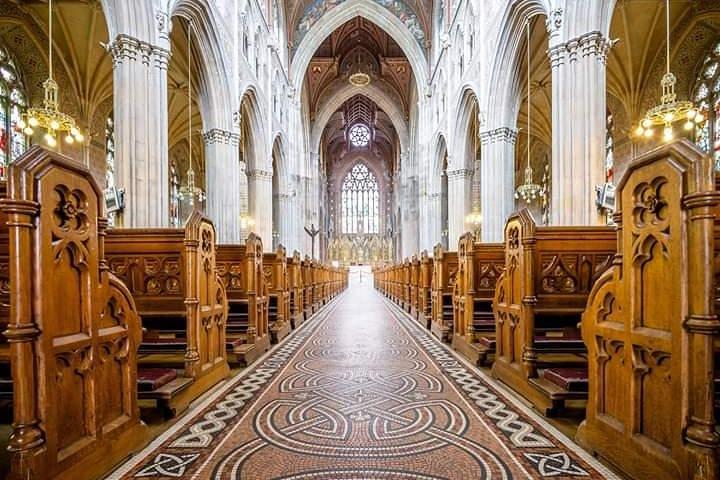
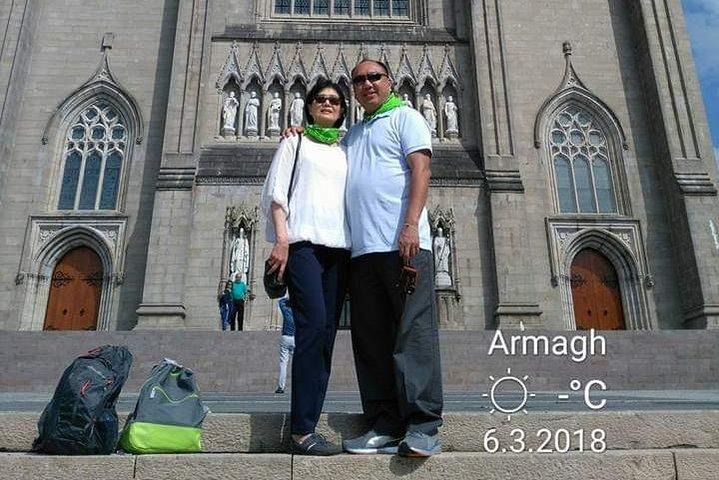
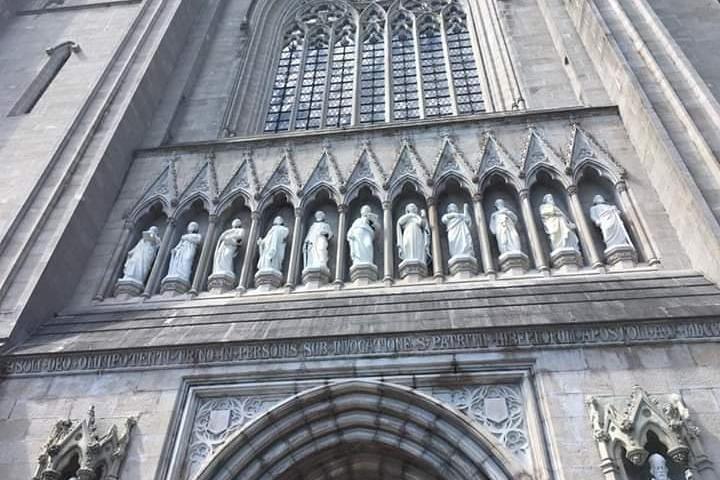
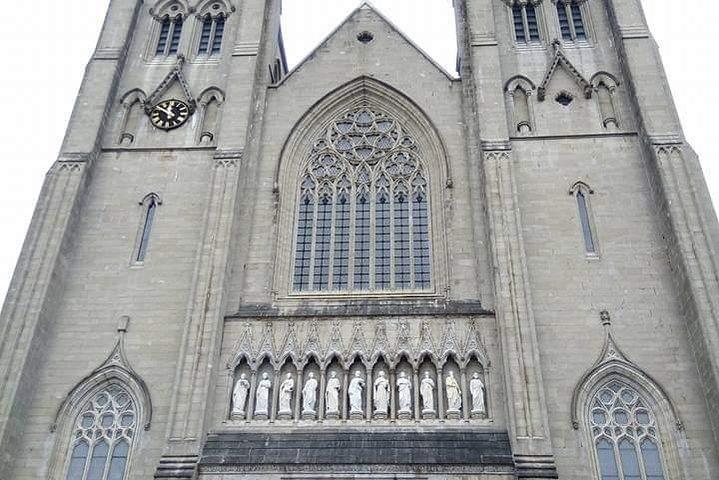
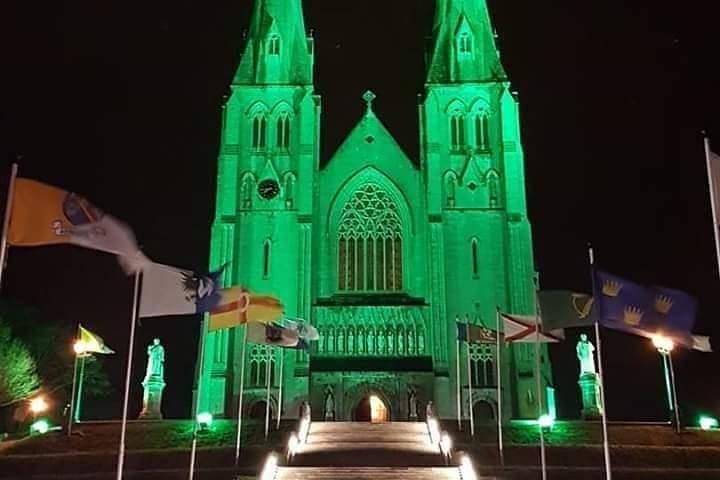
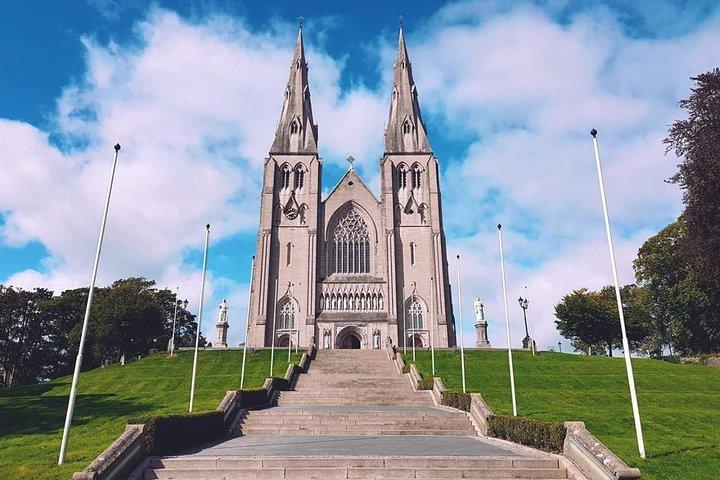
- Marvel at the stunning cathedrals of St. Patrick in Armagh
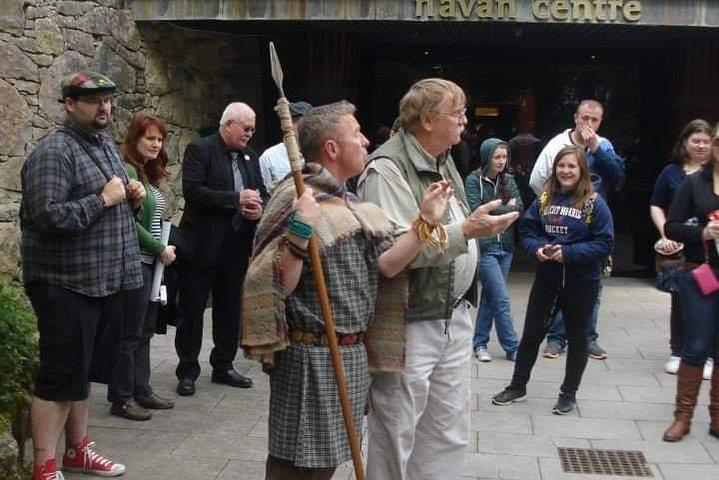
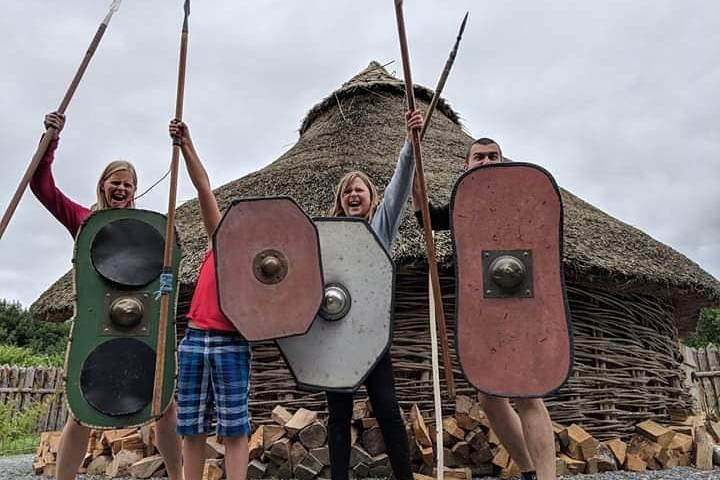
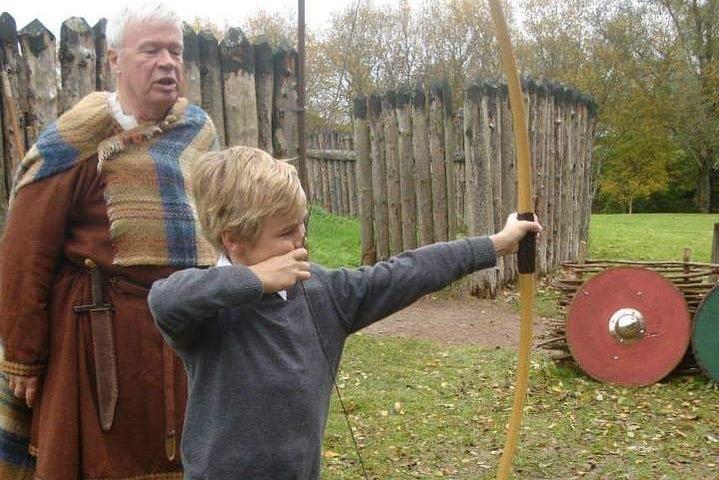
- Experience living history and learn about Iron Age life at Navan Centre & Fort
- Discover the fascinating collections and artifacts at the Registry Building in Armagh
-
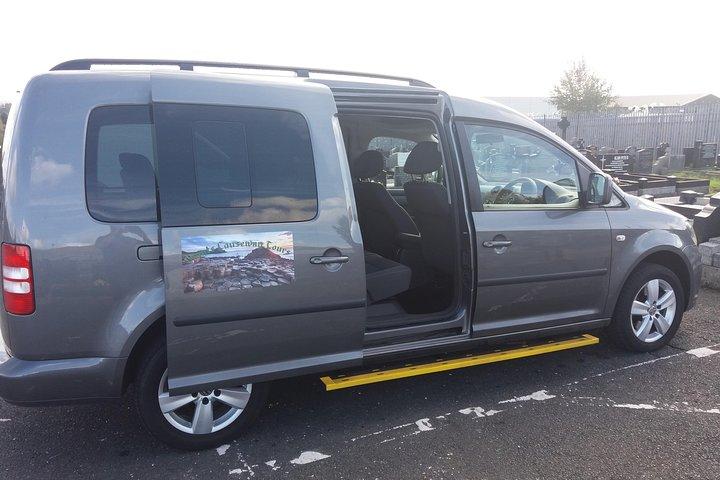
Private transportation included
-
Duration 6 to 8 hours
-
Expert guide and historian
-
Hassle-free hotel pickup
-
Skip-the-line access
-
Wheelchair accessible
Book your Private Tour and get off the beaten track away from all the usual tourist areas, this tour would suit visitors who have been here before and seen all the usual sights, History buffs will love this tour! Prepare to be Amazed by County Armagh Aka "The Orchard County!" Navan Fort is an ancient ceremonial monument and According to tradition it was one of the great royal sites of pre-Christian Gaelic Ireland and the capital of the Ulaidh (Ulster). Armagh is the the ecclesiastical capital of Ireland and we will visit the Two spectacular Cathedrals where the last high king of Ireland Brian Boru is buried as well as immersing yourself in history and Irish culture, this Private led Tour is a Completely Unique Experience and is led by a Professional Guide who is also a Historian.
At a Glance
-
 Free cancellation
-
 6 hours
-
 Instant Confirmation
-
 Available in English
-
 Wheelchair accessible
-
 Mobile voucher
-
 Small Group tour
-
 Guided
-
 Family friendly

Explore County Armagh’s rich history on a private day tour from Belfast, guided by a historian. Visit iconic sites like Navan Fort and Armagh's cathedrals.
Included
-
 Private transportationPrivate transportation
 -
OtherOptimize your time with hassle-free round-trip transfer from your Hotel or Cruise Ship!
-
OtherGain intimate insight into Armaghs history and culture from your guide
-
OtherBenefit from the personalized service and itinerary of a private tour
-
OtherLearn more about the city’s former conflict from your guide
-
In-vehicle air conditioningAir-conditioned vehicle
-
OtherLet your driver handle navigation, leaving you free to admire the city and sights
Excluded
-
 OtherTip for your Guide
 -
OtherUpgrade to Top of The Range Luxury Mercedes Benz V-Class for £30(Where Available)
-
OtherLunch
-
OtherAdd extra time to your tour from £50 per hour
Pickup
Check if pick-up is available from your location, you will select during checkout (providers may allow other pickup locations)

What to expect
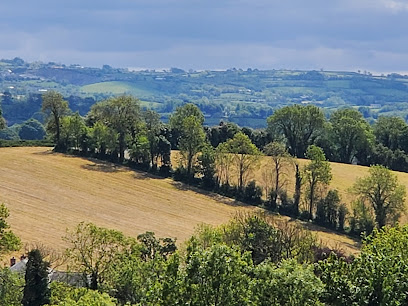
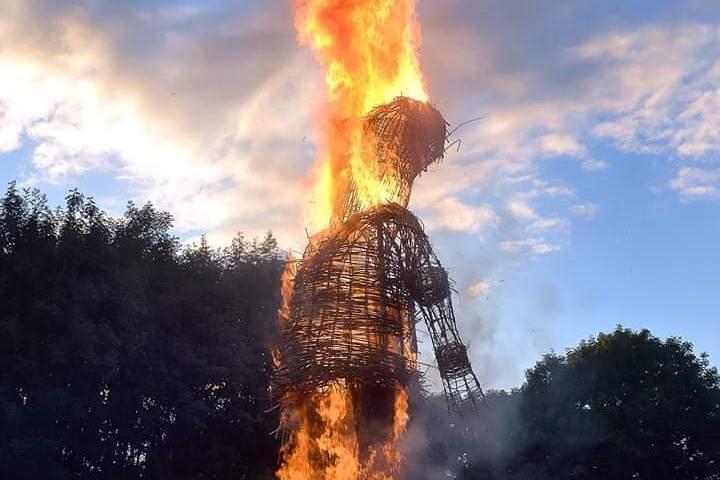
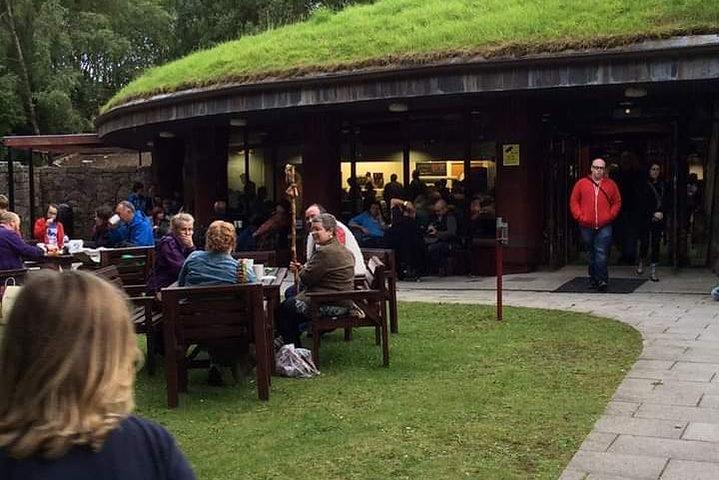
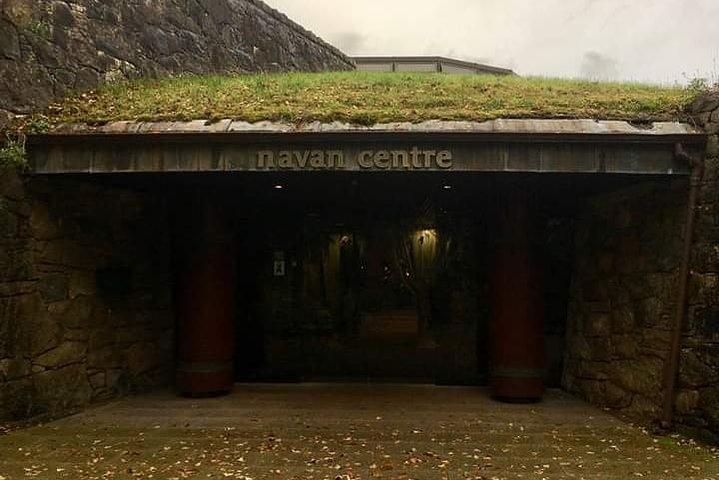
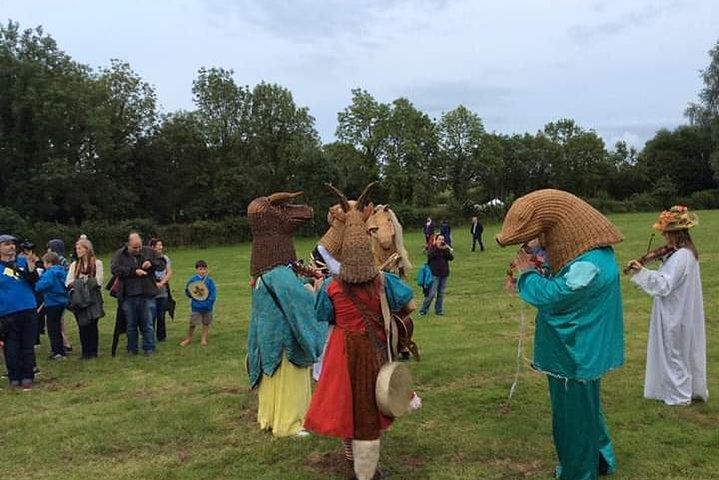
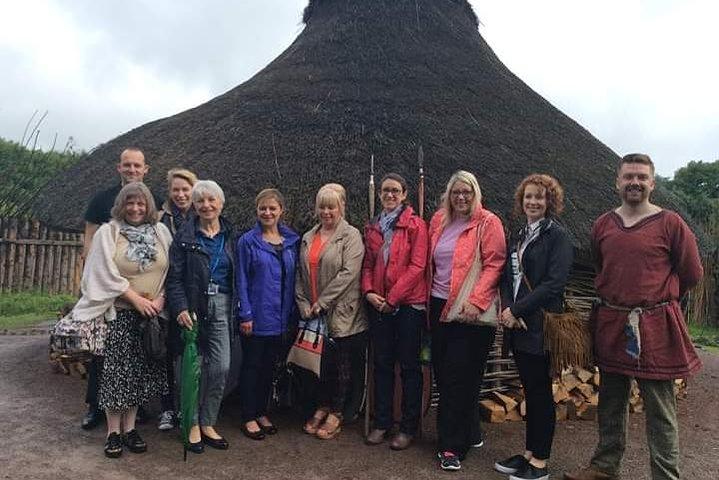
Navan Fort is an ancient ceremonial monument near Armagh, Northern Ireland. According to tradition it was one of the great royal sites of pre-Christian Gaelic Ireland and the capital of the Ulaidh(Ulster) It is a large circular hilltop enclosure—marked by a bank and ditch—inside which is a circular mound and the remains of a ring barrow. Archeological investigations show that there were once buildings on the site, including a huge roundhouse-like structure which has been likened to a temple. In a ritual act, this timber structure was filled with stones, deliberately burnt down and then covered with earth to create the mound which stands today. It is believed that Navan was a pagan ceremonial site and was regarded as a sacred space. It features prominently in Irish mythology, especially in the tales of the Ulster Cycle. According to the Oxford Dictionary of Celtic Mythology, "the [Eamhain Mhacha] of myth and legend is a far grander and mysterious place than archeological excavation supports".[1] Navan Fort is the heart of the larger 'Navan complex', which also includes the ancient sites of Haughey's Fort (an earlier hilltop enclosure), the King's Stables (a manmade ritual pool) and Loughnashade (a lake which has yielded votive offerings). The name Eamhain Mhacha has been interpreted as "Macha's twins" or "Macha's brooch", referring to a local goddess. 'Navan' is an anglicisation of the Irish An Eamhain. Navan Centre & Fort is a place where myth and reality meet. It is one of Ireland's most famous and important archaeological sites, the legendary Emain Macha.Navan Centre & Fort is a place where myth and reality meet. It is one of Ireland’s most famous and important archaeological sites, the legendary Emain Macha. Legends say that Macha, the ancient goddess of war and fertility, scored the earth with her brooch pin and traced the famous outline of this sacred stronghold of the hero Cu Chulainn, home of the famous Red Branch Knights and Ulster Cycle of tales. Living History At Navan – Have you ever wondered about the past? How did people live their lives 2,000 years ago? What were their homes like? How did they survive? What were their daily tasks? Allow our Living History characters to bring these questions to life before your eyes! This memorable and interactive experience takes place in our replica Iron Age dwelling. Sit down by the fire and witness Iron Age life come alive! Enjoy helping the Celts prepare and cook their meals and get your hands dirty in the garden and herb beds. Prepare yourself for battle and learn the skills to survive as an ancient warrior, or sit and relax and allow your imagination to wander as the great tradition of storytelling is used to pass on some of the history of the area and the great warriors who once lived here!
90 minutes
 Admission Not Included
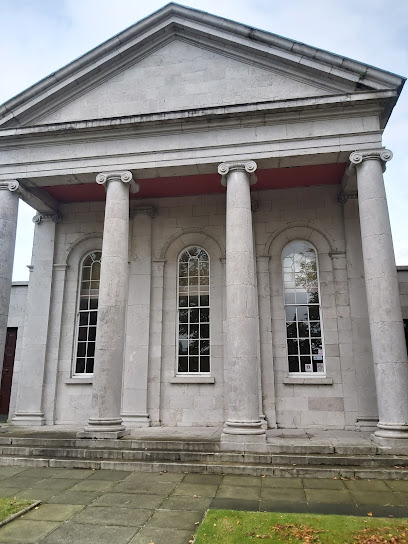
The oldest county museum in Ireland is set in Armagh’s beautiful Georgian tree lined Mall. Located near the centre of St Patrick’s cathedral city, a visit to Armagh County Museum is an ideal way to experience a flavour of the orchard county. The unique character of the Museum’s architecture makes it one of the most distinctive buildings in the city. Opened in 1937 as Ireland’s first County Museum, its collections capture centuries of stories relating to the people who lived, worked and had connections with this famous city and historic county. On display are military uniforms, wedding dresses, ceramics, natural history specimens and railway memorabilia. An impressive art collection includes works by many well-known Irish artists such as AE Russell, John Luke and JB Vallely. The Museum boasts an extensive reference library and archive offering a wide range of both academic and popular texts which is complemented by the photographic and map collections especially around research and genealogy.
45 minutes
 Admission Included
The Cathedral Church Of Saint Patrick, Armagh
As you approach Armagh, you’ll notice its most distinctive landmarks right away. From opposite hills, two striking cathedrals face each other across a valley, both honoring St Patrick. Saint Patrick first built a stone church on the hill of Armagh in 445AD and there has been a Christian church on the site where the Cathedral stands ever since. The plan of the Cathedral, as it now stands, is the design of Archbishop O’Scanlain in 1268 and it was last restored in 1834. The High King of Ireland, Brian Boru, was buried in the Cathedral grounds in 1014. The Church of Ireland Cathedral of St Patrick, Armagh, is set on a hill from which the name of the city derives – Ard Macha – the Height of Macha. Macha is the legendary pre-Christian tribal princess, some say fearsome goddess of war and fertility.St. Patrick's Cathedral in Armagh, Northern Ireland is the seat of the Catholic Archbishop of Armagh, Primate of All Ireland. It was built in various phases between 1840 and 1904 to serve as the Roman Catholic Cathedral of the Archdiocese of Armagh, the original Medieval Cathedral of St. Patrick having been transferred to the Protestant Church of Ireland at the time of the Irish Reformation. The building of a Catholic cathedral at Armagh was a task imbued with great historic and political symbolism. Armagh was the Primatial seat of Ireland and its ancient ecclesiastical capital. Yet, since the Irish Reformation under Henry VIII, no Catholic Archbishop had resided there. Since the seventeenth century, the majority Catholic population of Ireland had lived under the rigours of the Penal Laws, a series of enactments which were designed, in the words of the Anglo-Irish historian Lecky, "to deprive Catholics of all civil life; to reduce them to a condition of extreme, brutal ignorance; and, to disassociate them from the soil". As a result, whilst to some extent tolerated, the public practice of Catholicism was almost completely extinguished and all Churches existent at the time of the enactment of the laws were ceded to the Established Church. Thus, by the end of the eighteenth century, there were few Catholic churches and no cathedrals in existence in Ireland for a large Catholic population. Following Catholic emancipation in 1829, the need to construct churches and cathedrals to serve this population became apparent. The lack of a Catholic presence in the Primatial City of Armagh in particular became a popular cause of discontent among the emerging Catholic episcopacy, clergy and congregation.
30 minutes
Admission Included
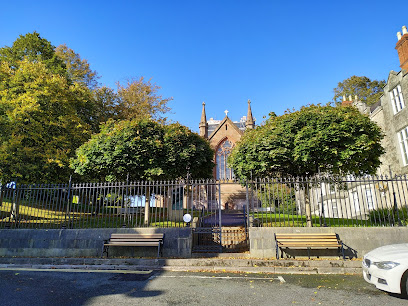
As you approach Armagh, you’ll notice its most distinctive landmarks right away. From opposite hills, two striking cathedrals face each other across a valley, both honouring St Patrick. Saint Patrick first built a stone church on the hill of Armagh in 445AD and there has been a Christian church on the site where the Cathedral stands ever since. The plan of the Cathedral, as it now stands, is the design of Archbishop O’Scanlain in 1268 and it was last restored in 1834. The High King of Ireland, Brian Boru, was buried in the Cathedral grounds in 1014. The Church of Ireland Cathedral of St Patrick, Armagh, is set on a hill from which the name of the city derives – Ard Macha – the Height of Macha. Macha is the legendary pre-Christian tribal princess, some say fearsome goddess of war and fertility.
30 minutes
Admission Included
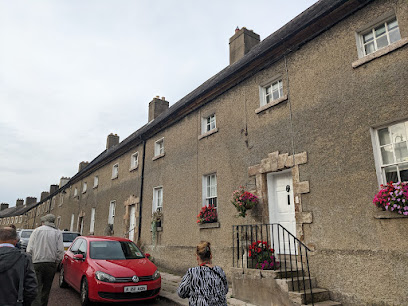
The Registry Building No 5 Vicars’ Hill was built in 1772 as the Diocesan Registry by Archbishop Richard Robinson as part of his plans for the improvement of the City of Armagh. It held records for the Church of Ireland and Armagh Diocese: the octagonal rooms contained many public as well as Church records. While the Diocesan records are no longer kept in the building, some examples are on display, with ancient coins, gems, significant prints, early Christian artefacts and other collections and curiosities from Armagh Public Library. The deceptively large building, which resembles a modest dwelling from the outside, has a fascinating interior and retains many of its original features. No 5 Vicars’ Hill No 5 will appeal to all age groups. There is an opportunity to explore the collections in more detail through the use of touch screens. Advice and information can be provided to those who wish to carry out more in-depth research of the archives, many of which are contained in the nearby Armagh Public Library. Younger visitors can make use of activity sheets to write their name in Ogham, the earliest form of Irish. They can also handle replicas of some of the old coins, answer the quiz questions, have fun rubbing outlines of medals and ancient bronze objects and try the jig-saws of old prints.No 5 is a short walk from the Library, opposite St Patrick’s Cathedral. From the outside No 5 looks no different from the houses on either side. However, its small hallway opens into two beautiful, octagonal rooms with vaulted ceilings. Archbishop Robinson built No 5 as the Registry to hold Church of Ireland and civil records. In 2011 the Library restored No 5 to exhibit examples of the Library’s collections, such as Roman and Medieval coins, Neolithic stone tools, Bronze Age weapons, Irish hand bells and eighteenth century fine art. Rare survivals of eighteenth century fine art include James Tassie’s ‘gems’ from the 1770s. Tassie reproduced classical figures in a hard-setting sulphur paste. Collectors of his ‘gems’ included Russia’s Catherine the Great, while Louis XIV of France commissioned medals to commemorate his reign. You can see some very rare casts of these medals, made in about 1690 from originals in the Paris mint. In addition, a number of Hogarth’s satirical engravings from the Library’s internationally important print collection are on display.
30 minutes
Admission Included
Crossmaglen
Visit Bandit Country including South Armagh which saw the IRA driving the British Army into the Air, this was the scene of most of the Guerilla Warfare between the IRA and the British Empire!
60 minutes
The experience can be subject to change due to bad weather or unforseen circumstances. We always endeavour to give you the best possible experience.
Additional Information
-
 All areas and surfaces are wheelchair accessible
 -
Infants and small children can ride in a pram or stroller
-
Infants are required to sit on an adult’s lap
-
Public transportation options are available nearby
-
Suitable for all physical fitness levels
-
Transportation options are wheelchair accessible
-
Wheelchair accessible
What our experts say
-
 Try local apples at nearby orchards
 -
Visit the Armagh County Museum first
-
Lunch options include The Yellow Door Cafe
-
Don't miss the views from Navan Fort
-
Bring a camera for stunning cathedrals

More About this Experience
Introduction
Immerse yourself in the rich history and captivating beauty of County Armagh with the Small Group Armagh Private Day Tour from Belfast Navan Fort Celts. This unique and off-the-beaten-track tour is perfect for history buffs and seasoned travelers looking to discover hidden gems in Ireland. Led by a professional guide and historian, this tour offers a completely unique experience, providing essential information and context about the region's ancient past.What to expect?
During this private tour, you can expect to explore Navan Fort, an ancient ceremonial monument that was once one of the great royal sites of Gaelic Ireland. Discover the fascinating history and mythology surrounding this sacred space as you walk through its large circular hilltop enclosure and marvel at the remains of a ring barrow and a circular mound. Your guide will bring the site to life by sharing stories from the Ulster Cycle and offering a glimpse into the pagan rituals that took place here. Next, visit Armagh, the ecclesiastical capital of Ireland. Explore the two spectacular cathedrals that face each other across a valley, both honoring St. Patrick. Delve into the rich Christian heritage of this city as you step inside the Cathedral of St. Patrick, where the last high king of Ireland, Brian Boru, is buried. Learn about the legendary tribal princess Macha and her connection to this historic site.Who is this for?
This private day tour is suitable for visitors who have already seen the usual tourist sights and are seeking a deeper understanding of Ireland's history and culture. It is perfect for history enthusiasts, archaeology lovers, and anyone wanting to escape the crowds and experience something truly unique. The tour is designed to be inclusive, welcoming all curious travelers who want to explore the rich heritage of County Armagh.Why book this?
Book this private tour to embark on a journey through time and immerse yourself in the captivating stories and legends of County Armagh. Led by a knowledgeable guide, you will gain a deep understanding of the region's ancient past and its significance in Irish history. Unlike typical tourist tours, this experience takes you off the beaten track, allowing you to explore lesser-known sites and uncover hidden gems. By booking this tour, you will have the opportunity to delve into the mysteries of Navan Fort and visit the impressive cathedrals of Armagh, all while enjoying a personalized and intimate experience.Good to know
This tour has a total duration of 360 to 420 minutes, giving you ample time to fully immerse yourself in the history and culture of County Armagh. Prepare for a day filled with fascinating stories, awe-inspiring architecture, and breathtaking scenery. Wear comfortable walking shoes and dress appropriately for the weather. Don't forget your camera to capture the stunning landscapes and historic sites along the way. Your guide will provide informative commentary throughout the tour, offering insights and answering any questions you may have.
Your all‑in‑one travel companion app
Explore expert travel guides, compare and book tours, experiences, hotels, and more—all from the palm of your hand. Download now for seamless trip planning wherever your wanderlust takes you.


This is a popular product and the date you are looking for just sold out. Next available date is
