


Day trip through multicultural city landscapes & photo highlights
 Berlin, DE
 100% of travellers recommend this

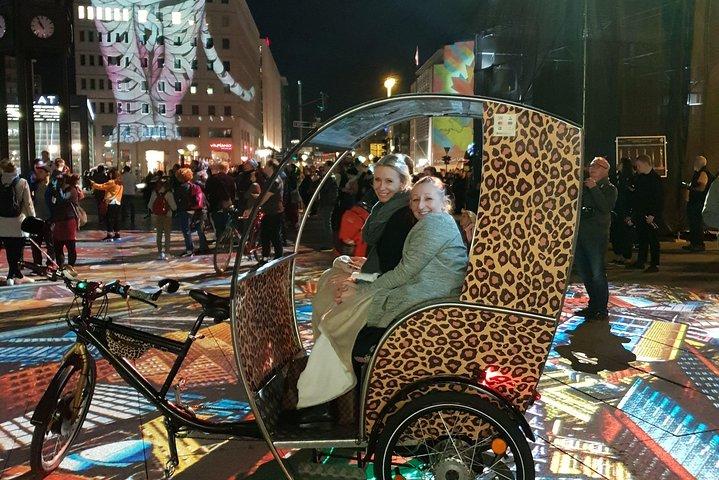
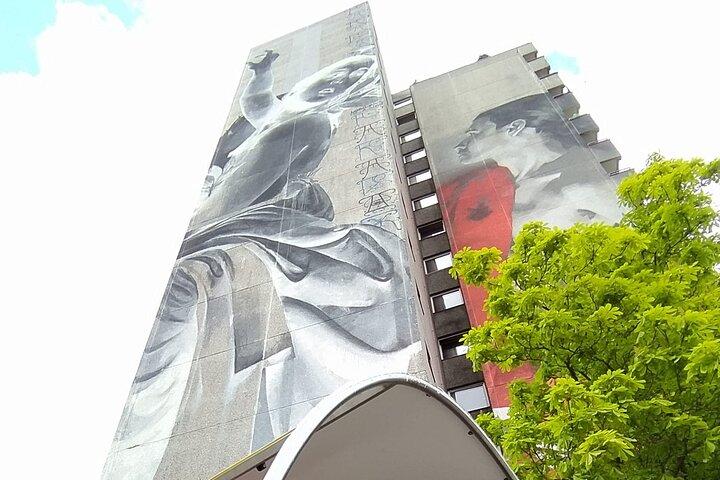
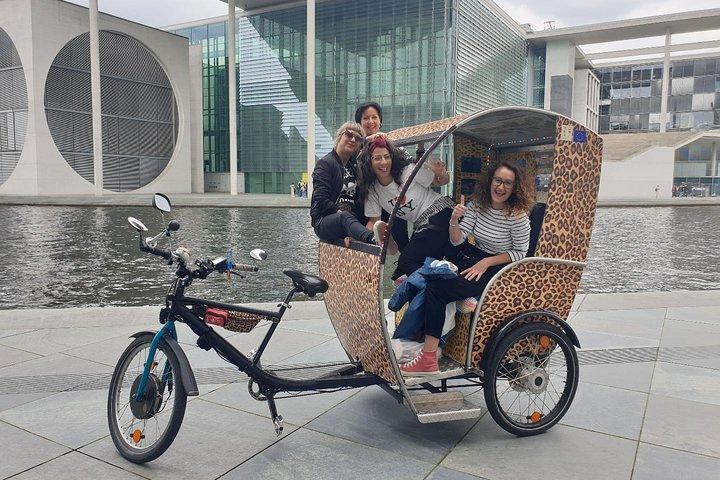
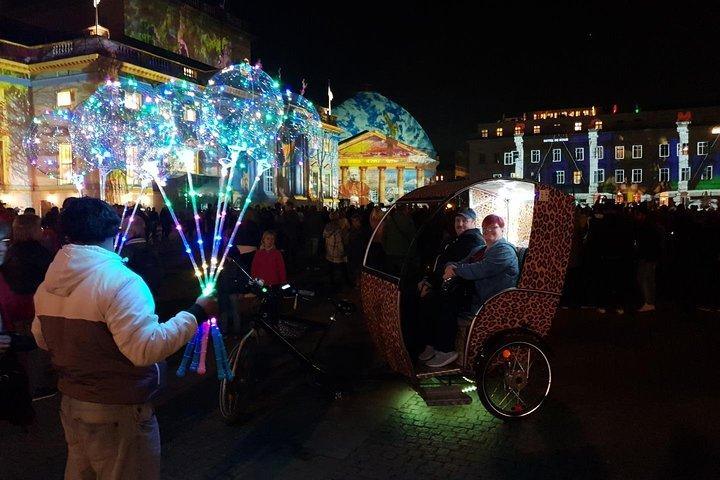




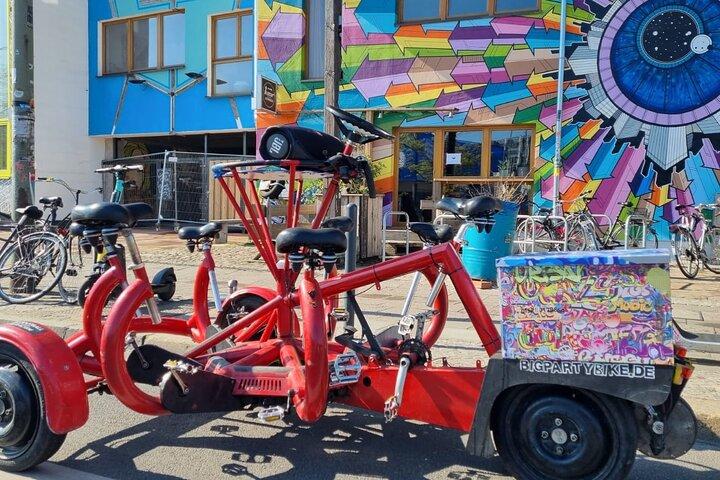
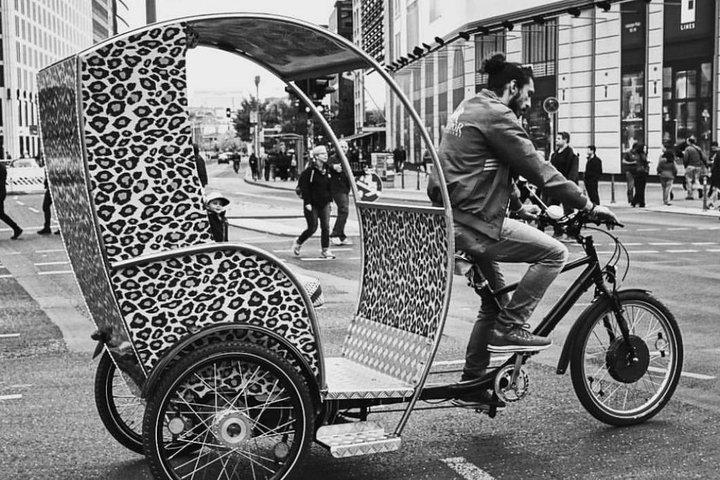
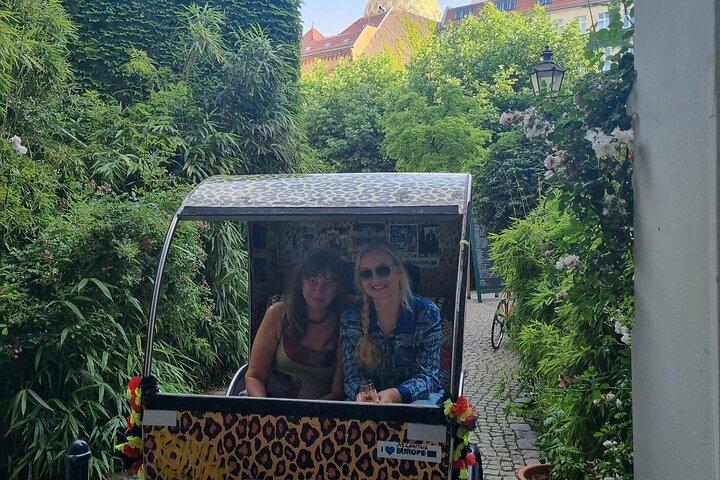
Highlights
- Savor authentic Berlin street food delights
- Explore vibrant neighborhoods filled with culture
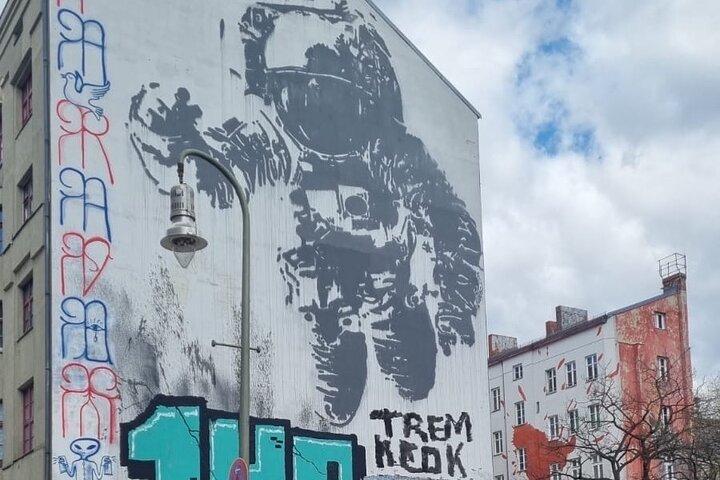
- Discover captivating street art and hidden gems
- Immerse in rich history and local stories
- Enjoy personalized itineraries tailored to you
-
Duration 3 to 6 hours
-
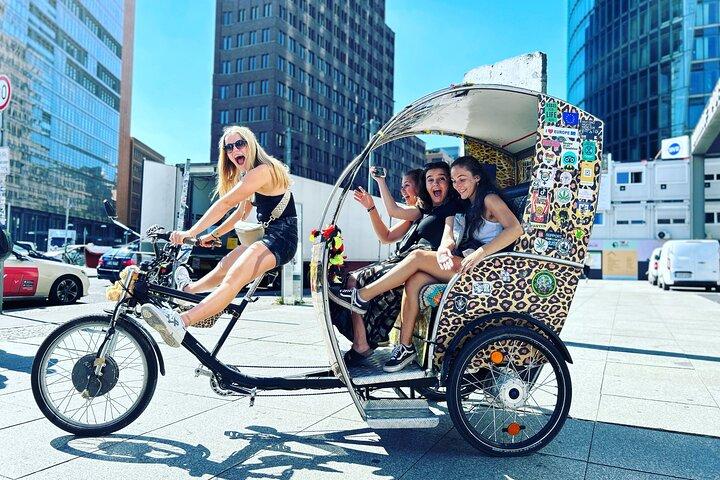
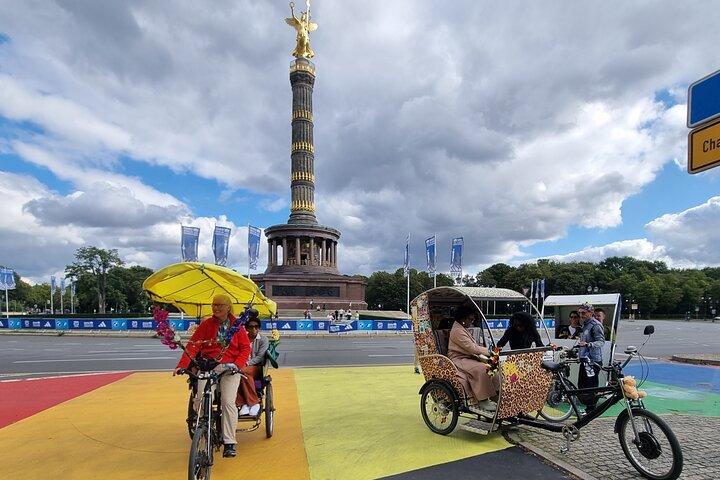
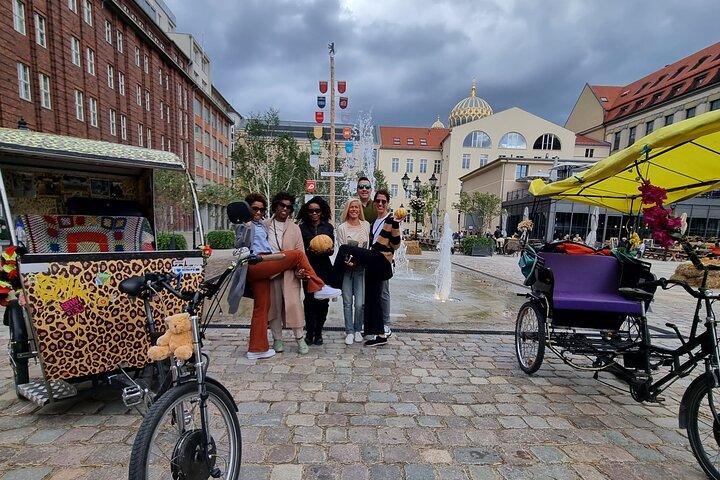
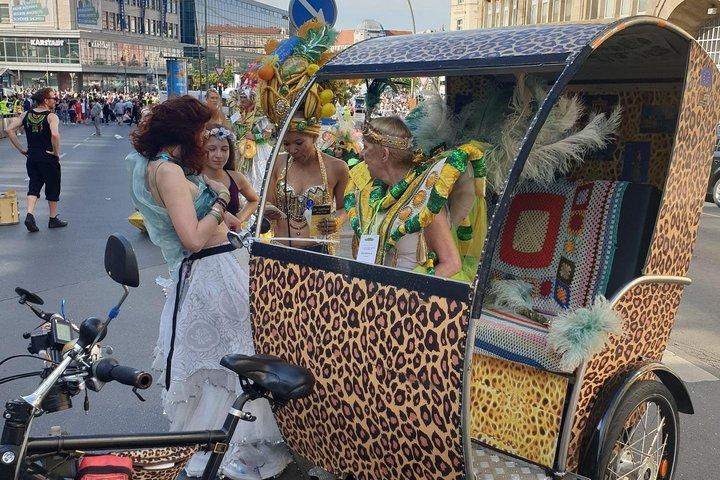
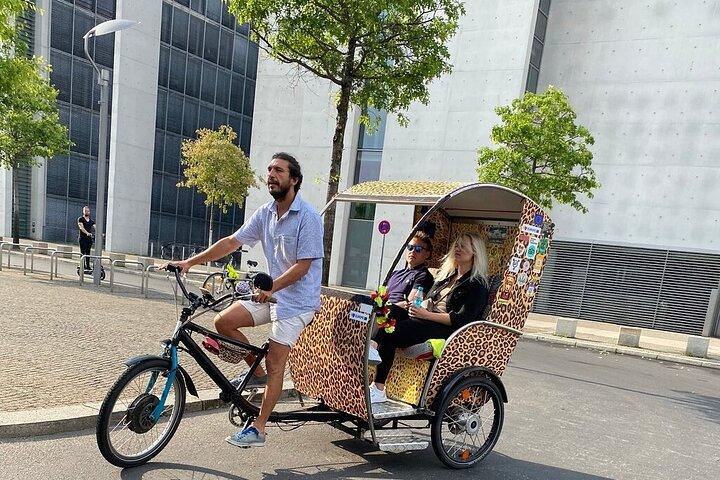
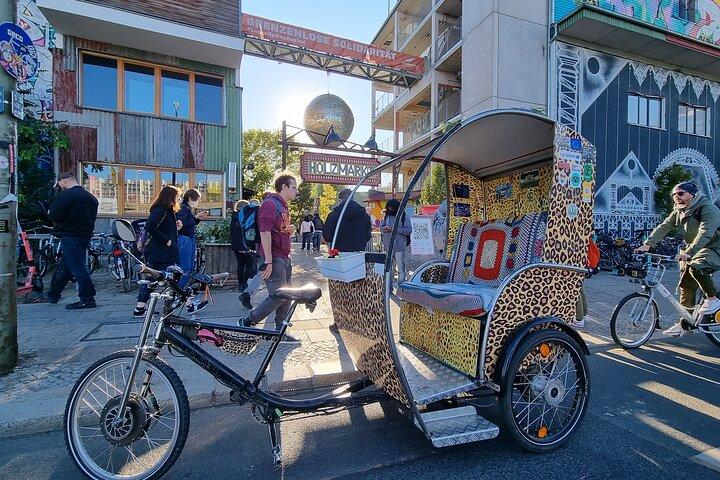
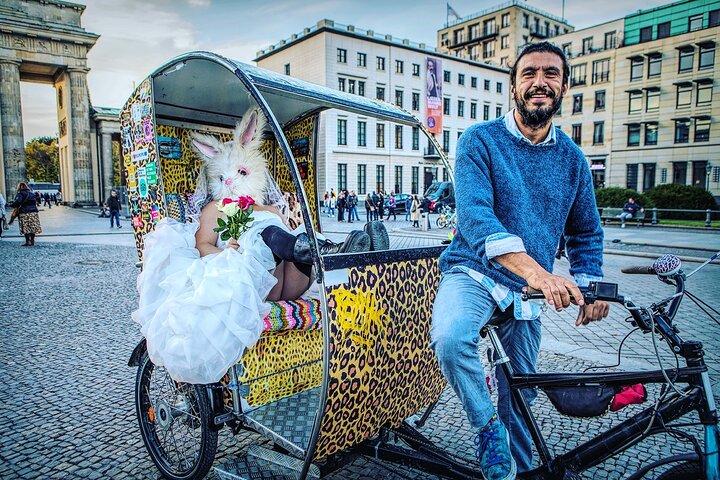
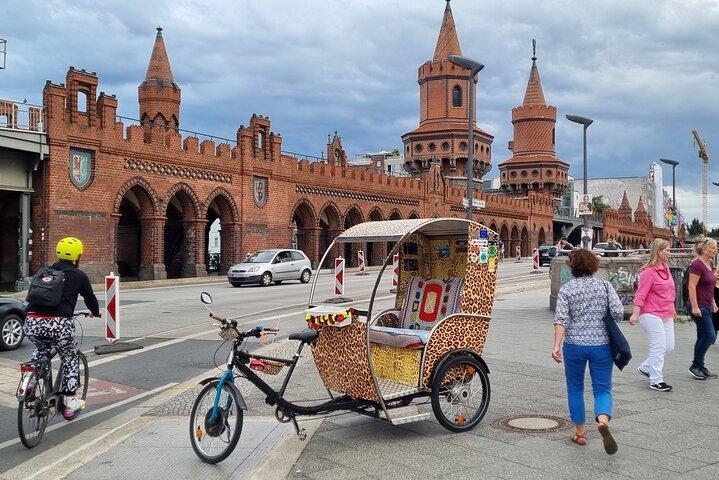
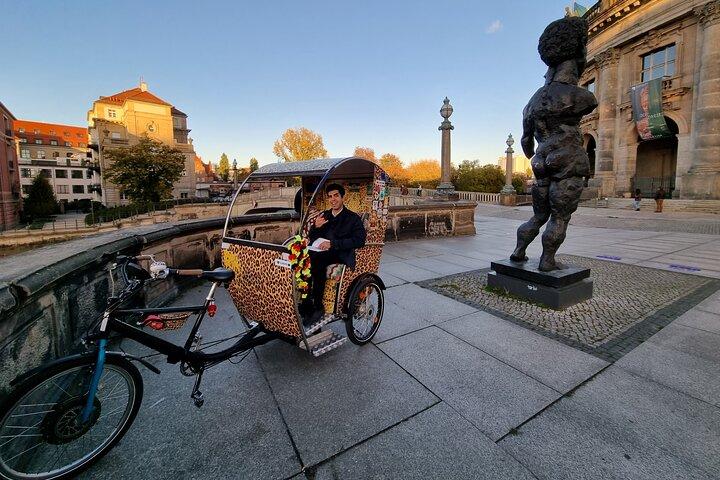
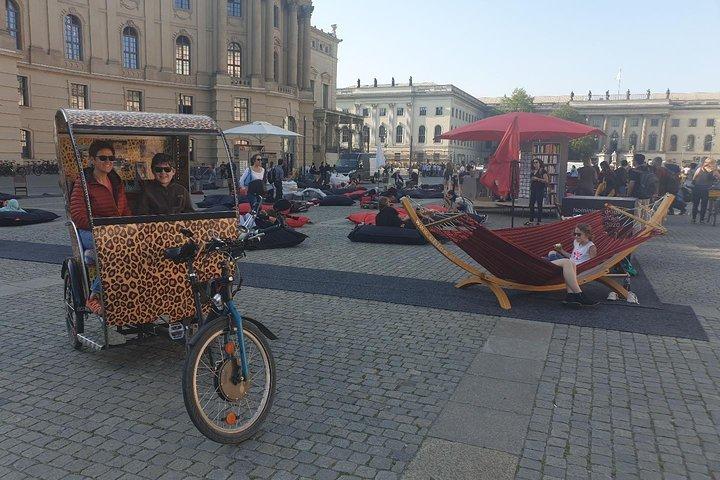
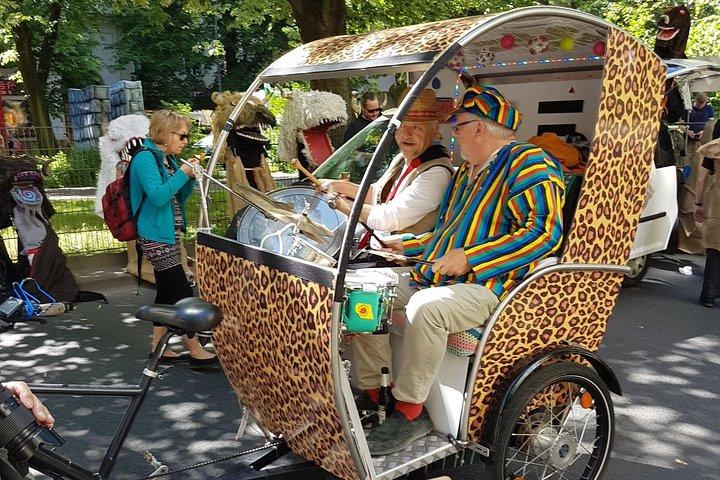
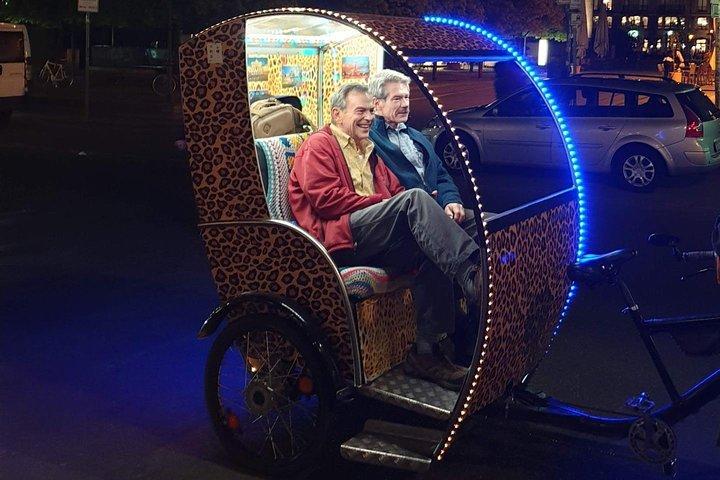
Private transportation
-
Expert local guide
-
Multilingual guide available
-
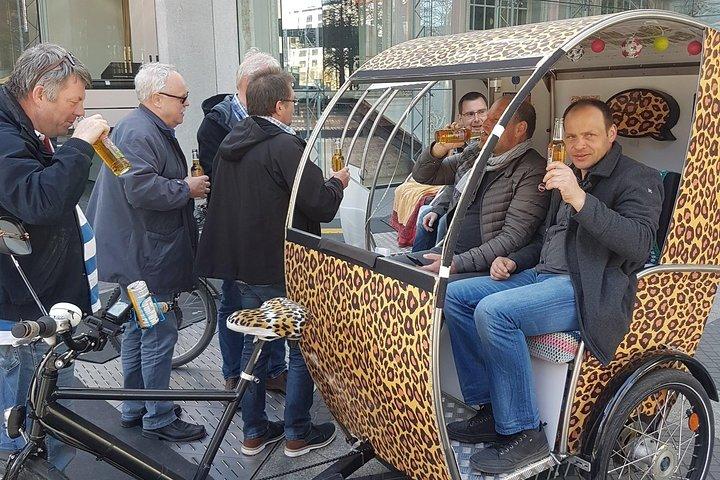
Includes alcoholic beverages
-
Personalized itinerary
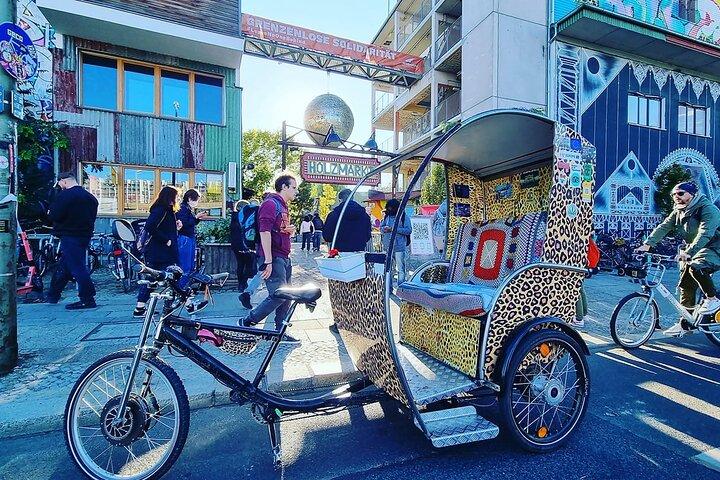
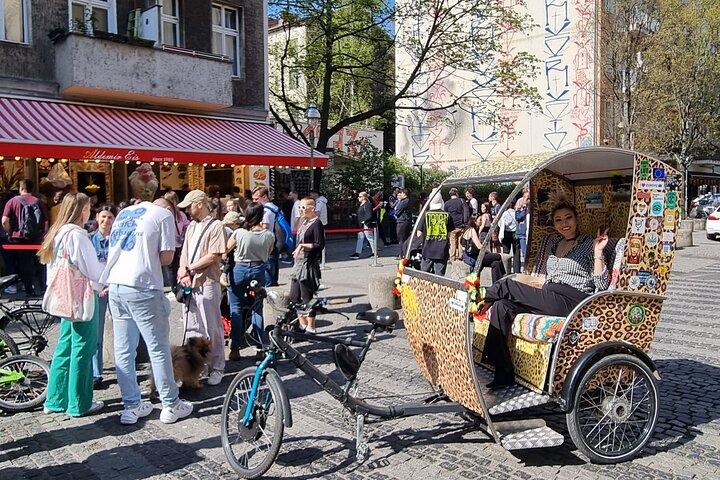
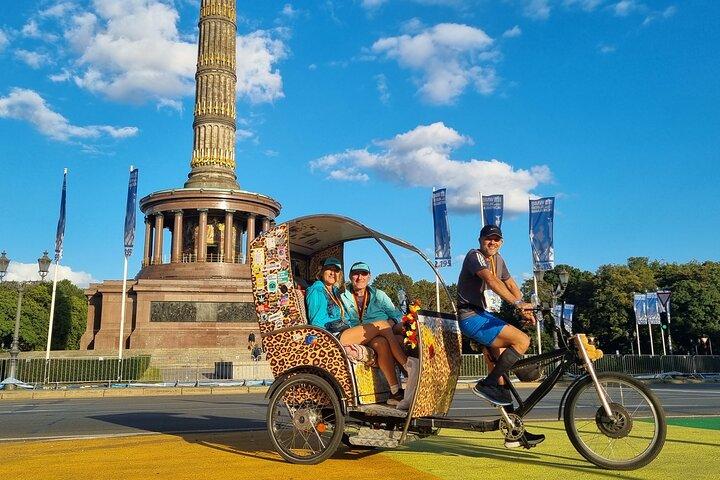
Experience the vibrant and diverse neighborhoods of Berlin on a personalized day trip. Immerse yourself in the multicultural food culture of Kreuzberg and taste the favorite snacks of the locals, such as currywurst. Explore charming shops and small grocery stores, and admire the famous street art that adorns the city's walls. Hear fascinating stories about Kreuzberg's wild past and present. From the iconic Brandenburg Gate to the historic Reichstag building, visit the city's main landmarks and discover the significant events in German history that are associated with them. Take a stroll through the Tiergarten, a beautiful park with monuments, bridges, and historical sites. Marvel at the modern architecture of Potsdamer Platz and delve into the dark history of the Topography of Terror. With a flexible itinerary and an experienced guide, this tour will give you an authentic and unforgettable experience of multicultural Berlin.
At a Glance
-
 Free cancellation
-
 3 hours
-
 Instant Confirmation
-
 Available in Spanish; Castilian, Turkish, English, Italian, Arabic, French, German
-
 Wheelchair accessible
-
 Mobile voucher
-
 Small Group tour
-
 Guided
-
 Family friendly

Featured Reviews

Explore Berlin's multicultural landscapes on a personalized tour, savoring local snacks and discovering hidden art gems with a private guide.
Included
-
 Private transportationPrivate transportation
 -
Othertravel Guide
-
Alcoholic beveragesAlcoholic Beverages
-
Tea and coffeeCoffee and/or Tea
-
OtherMusic on request
-
Otherphotographer
Excluded
-
 GratuitiesGratuities
Meeting Point

Hauptbahnhof, Europaplatz 1, 10557 Berlin , Germany


Pickup
Check if pick-up is available from your location, you will select during checkout (providers may allow other pickup locations)

What to expect
Meeting Point
TV tower entrance
Meeting Point
Pariser Platz
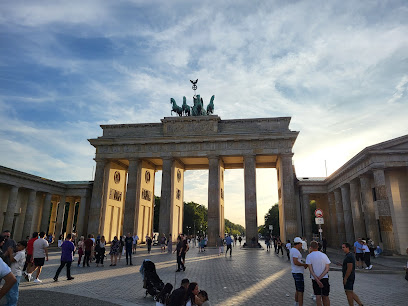
The Brandenburg Gate made of sandstone is one of the largest and most beautiful creations of German classicism. It was built in the years 1788 to 1791 based on designs by Carl Gotthard Langhans the Elder, who was strongly oriented towards the propylaea of the Athens Acropolis. King Friedrich Wilhelm II had previously ordered the construction of the Brandenburg Gate because he was looking for a worthy architectural conclusion for the boulevard Unter den Linden.
Reichstag/Bundestag
Significant turning points and events in German history are associated with the Reichstag building. On November 9, 1918, SPD politician Philipp Scheidemann called the Republic from the balcony on the west portal. The "Reichstag fire" occurred on the evening of February 27, 1933. The plenary hall and the dome were completely destroyed. A red flag of the Soviet Union, raised on April 30, 1945 by two Red Army soldiers, symbolized the victory over the "Third Reich".
5 minutes
 Admission Not Included
German Chancellery
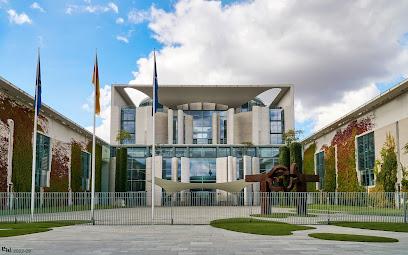
The 36-meter high "administration building" rises between and above the two five-story administrative wings, which houses the offices of the Chancellor and his Ministers of State, the cabinet room and conference rooms. A large arch is cut into the bare wall to the north and south, to the east (to the main entrance) and to the west the outer walls are broken up into large glass surfaces that span between high concrete pillars. This gives the large building an astonishing transparency and lightness. The two side wings, whose floor plans resemble a comb, appear completely different. The offices are grouped around atriums that are completely glazed. The long side walls with their alternation of windowless concrete walls and large glass surfaces appear compact and defiant.
5 minutes
Admission Not Included
Soviet War Memorial Tiergarten
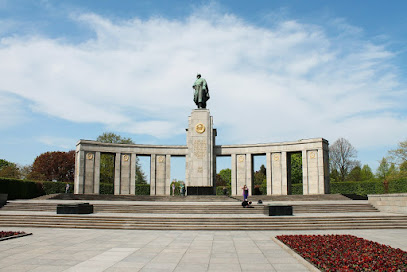
Flanked by two "T 34" tanks, there is a bronze statue of a Red Army soldier carrying his rifle on his shoulder in the middle of the square. Texts with the names of fallen Soviet soldiers are attached to the pillars behind them. In the rear part of the memorial are the graves of around 2500 soldiers.
3 minutes
Tiergarten
History of the zoo At the end of the 17th century, Elector Friedrich III. create a "pleasure park for the population" from the former hunting ground. Over time, the park was redesigned according to several models, including Between 1833 and 1838 the famous landscape designer Peter Joseph Lenné transformed the zoo into an English public park. Sights in the Tiergarten But it is not just trees, shrubs and green spaces that determine the face of the approximately 200-hectare zoo. Many sights such as monuments and memorials, bridges, the Victory Column, the Federal President's Office, the House of World Cultures or the English Garden invite you to take a day stroll through the park. The English garden created around a pond gives an insight into the English landscape architecture and is today one of the most beautiful corners of the zoo.
Potsdamer Platz
Potsdamer Platz was planned as an entire district by architects. With success - the cafes, cinemas and shops between the futuristic high-rise buildings are used by Berliners and tourists alike. The city planners' calculation worked: The Berliners have accepted the cafes, cinemas and the large shopping arcade of the new Daimler City very well. A whole new district was created on 6.8 hectares between Potsdamer Platz and Reichpietschufer.
2 minutes
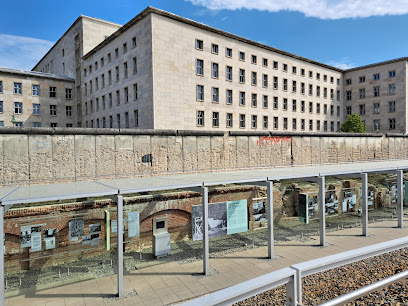
The area, which became known as the "Topography of Terror" in 1987, was the central location for the planning and control of most Nazi crimes. Between 1933 and 1945, the most important institutions of the National Socialist terror apparatus of the SS and police were housed here with the Secret State Police Office, the Reichsführung SS and the Reich Security Main Office.
5 minutes
Gropius Bau
The Martin-Gropius-Bau is dedicated to cultural history, contemporary art and photography.
2 minutes
Admission Not Included
Memorial of the Berlin Wall
Wall
1 minutes
Admission Not Included
Checkpoint Charlie
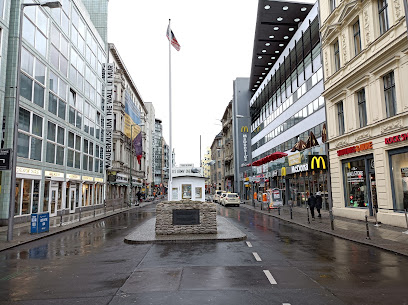
The former military checkpoint Checkpoint Charlie was the most famous border crossing of the three border points controlled by the Americans next to the Glienicke Bridge during the division of Berlin. The others were the border control points Helmstedt-Marienborn (Checkpoint Alpha) and Dreilinden-Drewitz (Checkpoint Bravo). The transition could only be used by foreigners and employees of the Permanent Representation of the FRG in the GDR and by GDR officials.
2 minutes
Friedrichstrasse
Friedrichstrasse runs through Berlin as a north-south axis. A popular shopping mile developed between Checkpoint Charlie and Friedrichstrasse station after the fall of the wall.
Gendarmenmarkt
The square was created at the end of the 17th century according to plans by Johann Arnold Nering. At that time, French immigrants, mainly French Protestants (Huguenots), settled in this area. The market place was first called Esplanade, then in chronological order Lindenmarkt, Friedrichstädtischer Markt and Neuer Markt. Finally it was renamed Gendarmenmarkt in 1799, since from 1736 to 1782 the guard and the stables of the "Gens d'armes" ward regiment were located there.
5 minutes
Deutscher Dom
The permanent exhibition "Ways - wrong trails - detours" in the German Cathedral shows the historical development of liberal parliamentary democracy in Germany on five floors.
2 minutes
Admission Not Included
Konzerthaus
The Konzerthaus am Gendarmenmarkt is a masterpiece of classicist architecture and is one of Karl Friedrich Schinkel's main works. As early as 1776, at the instigation of Frederick the Great, a small comedy house was opened here, which was designed according to the plans of the Prussian director of construction, Johann Bouman the Elder. was built. The renaming to the Royal National Theater in 1787 illustrated the rise to one of the leading theaters in the country
2 minutes
Admission Not Included
Berlin Central Train Station
In the middle of the museum center of Berlin, Bebelplatz gives an idea of what a beautiful city was like almost 300 years ago. The Nazis desecrated the place by burning books, which is now a memorial. On May 10, 1933, the National Socialists burned over 20,000 books at Bebelplatz. They believed that the volumes they selected were "non-German spirit". These included books by Erich Kästner, the Mann family, Magnus Hirschfeld, Lion Feuchtwanger, Karl Marx, Else Lasker-Schüler and almost 400 other authors. Heinrich Heine's books were also burned. If you had read them instead, you would have come across Heine's remark that wherever you burn books, you also have people
2 minutes
Museum Island
On the north side of the Spreeinsel in the center of Berlin is one of the most outstanding museum complexes in Europe, the Museum Island. Over the course of 100 years, an ensemble was created in 1930 in which five architects were involved. The museum district, which was included in the UNESCO list of world cultural heritage in 1999, has been gradually restored since the late 1990s and expanded with a new reception building. Tickets for the Museum Island
5 minutes
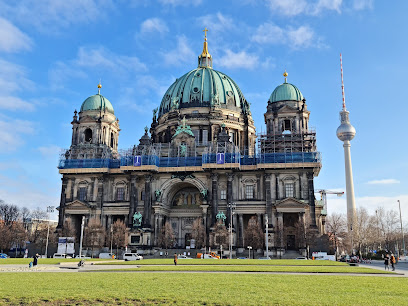
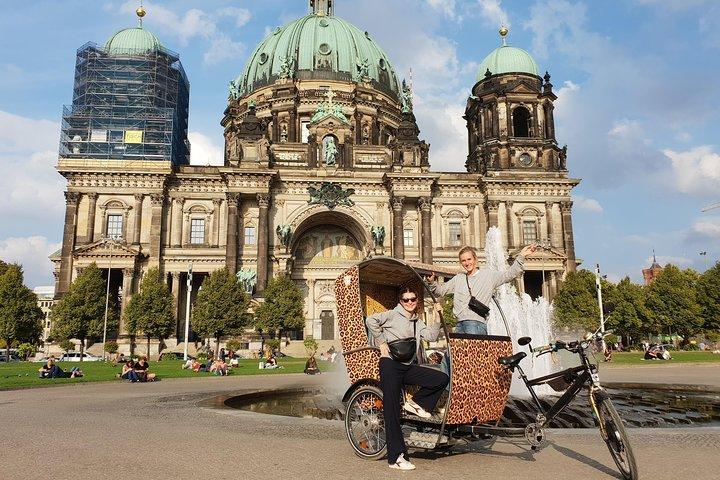
With its striking dome, the mighty Berlin Cathedral in the center of Berlin is hard to miss. As the former court and cathedral church of the Hohenzollerns, the cathedral was rebuilt between 1894 and 1905 under Emperor Wilhelm II.
3 minutes
Admission Not Included
Alexanderplatz
Alexanderplatz, popularly known as Alex, is a central square and transportation hub in central Berlin. It is one of the most visited places and at the same time one of the most famous sights in the city.
3 minutes
Admission Not Included
Nikolaiviertel
The Nikolaiviertel on the Spreeinsel is a kind of open-air museum of the destroyed old Berlin. In its current form, it was created for the 750th anniversary of Berlin in 1987. The Nikolaikirche in the Nikolaiviertel
3 minutes
Admission Not Included
Neptunbrunnen
The Neptune Fountain in front of the Red City Hall is known to Berliners as "Forckenbecken". This term was right in two ways: on the one hand, the then mayor of Berlin was called Forckenbeck, and on the other hand, the terminology fits perfectly with the fountain itself, because Neptune is standing in a basin with his trident. The four female figures at his feet symbolize the rivers Elbe, Rhine, Oder and Vistula.
1 minutes
Admission Not Included
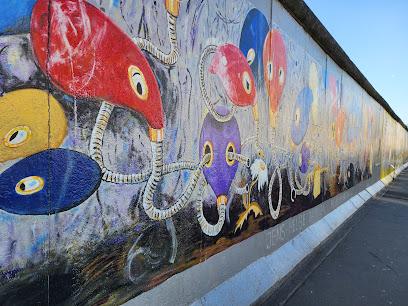
The East Side Gallery is a painted 1.3 kilometer section of the former Berlin Wall along the Spree. With over a hundred original wall paintings, it is the longest open-air gallery in the world.
Bergmannstraße
Between Gneisenaustrasse, Mehringdamm, Südstern and Fidicinstrasse, there is a well-kept area of old buildings in what used to be Kreuzberg SW 61. Along Bergmannstraße and its side streets you get an insight into the versatility of Kreuzberg and the way of life of its residents - a bit more sedate than in the wild SO 36, away from the notorious club scene and yet multicultural and lively.
5 minutes
Landwehrkanal
One of the most important inner-city canals in Berlin flows straight through the districts of Treptow, Kreuzberg, Neukölln, Tiergarten and Charlottenburg. Berlin's first artificial waterway has been part of the cityscape since the 19th century. At that time, with the growing industrialization, the need for transport was increasing, road and rail were no longer sufficient. In 1841, the city planner and master gardener Peter Joseph Lenné was commissioned by King Friedrich Wilhelm IV to design a new transport canal near the then urban area. The construction of the 10.74 km long canal started in 1845 and was completed in 1850. Just a few years later, the Landwehr Canal proved to be indispensable for the transport of building materials for the rapid development of Berlin in the Gründerzeit.
5 minutes
Admiralbrucke
Popular meeting place in summer When summer is over Berlin and the evenings are long, bright and warm, the old bridge with its cobblestone streets and old gas lanterns becomes a popular meeting place for Berliners and tourists. The Admiralbrücke is an island of big city romance and attracts numerous people in the summer months. As the sun goes down, fragments of English, Spanish and Italian words waft through the evening and small groups enjoy the cozy atmosphere on the Admiralsbrücke. Many sit together on the bollards and the paving stones to talk, have a drink, make music and admire the sunset over the Landwehr Canal. After local residents complained about the nightly volume, the bridge was cleared peacefully every evening at 10 p.m. with the support of the police.
5 minutes
Oranienstraße
Gastronomy and the scene dominate the streetscape of the street, which is also very lively at night. 100 small shops, bars and restaurants with international flair as well as the SO 36 await your visit.
4 minutes
Görlitzer Bahnhof
The Görlitzer Park in Kreuzberg is the central recreation area in the district. It was created in the early 1990s on the site of the former Görlitz train station, today there are spacious lawns, several sports fields and playgrounds and a popular children's farm near Glogauer Straße. The district's indoor swimming pool, the Spreewaldbad, is located on Wiener Strasse. Prehistory of the Görlitzer Park The Görlitz train station was built in 1865 on the 14 hectare area, the former Köpenicker Feld, between the Emmaus Church and the Landwehr Canal. Tons of sand were dumped on the farmland, rails were laid, and buildings were built to transport people and goods. The large terminal station was inaugurated by the Prussian king in 1866 with the first troop transports.
5 minutes
Tempelhofer Feld
The former Tempelhof Airport with the large check-in hall and its more than 300-hectare airfield was opened to the public in May 2010 after flight operations had ceased. As "Tempelhofer Feld", the site is to be carefully redesigned into a park that can be used in a variety of ways with the participation of the citizens. Development of the Tempelhof Park After the successful referendum in May 2014, the Tempelhof Field Law (ThFG) came into force in June 2014. This sees i.a. proposes that a development and care plan with the participation of the population is to be drawn up for the future use and further development of the open space at Tempelhofer Feld.
5 minutes
Park am Gleisdreieck
Park am Gleisdreieck in Kreuzberg is a park with urban flair. There are many small and large local recreation areas in the capital, especially in the inner city districts. But a healthy mixture of buildings and open spaces should also be found in the future. The most recent example of this urban planning concept is the newly created park at the Gleisdreieck in Kreuzberg. The railway area around the traffic junction of the Gleisdreieck lay fallow for a long time after the end of the Second World War and a varied vegetation developed almost unnoticed. Due to this unexpected retreat for flora and fauna and the dense development of the adjacent quarters, a group of citizens soon formed that wanted to green the area permanently and was ultimately successful.
5 minutes
End Point
TV tower entrance
End Point
Pariser Platz
The experience can be subject to change due to bad weather or unforseen circumstances. We always endeavour to give you the best possible experience.
Additional Information
-
 All areas and surfaces are wheelchair accessible
 -
Infants and small children can ride in a pram or stroller
-
Public transportation options are available nearby
-
Service animals allowed
-
Specialized infant seats are available
-
Suitable for all physical fitness levels
-
Transportation options are wheelchair accessible
-
Wheelchair accessible
What our experts say
-
 Try currywurst at Curry 36 nearby.
 -
Visit Graefestraße for unique shops.
-
Check out street art in Kreuzberg.
-
Relax at Riehmers Hofgarten park.
-
Explore the Turkish Market on Tuesdays.

More About this Experience
Introduction
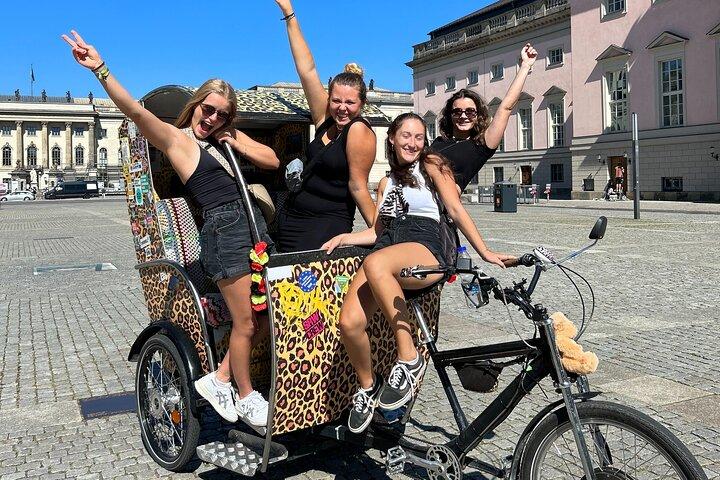
Berlin, a city where history and modernity dance together, invites you to embark on an exhilarating day trip through its vibrant multicultural landscapes. This experience, lasting anywhere from three to six hours, is a delightful blend of culinary exploration, artistic discovery, and rich storytelling. Participants will have the unique opportunity to customize their adventure with a flexible itinerary, allowing for spontaneous detours into the heart of local life. As you traverse through the lively neighborhoods of Kreuzberg, Potsdamer Platz, and beyond, you’ll savor the flavors of iconic snacks like currywurst, enjoy refreshing beverages, and soak in the vibrant atmosphere that makes Berlin a cultural melting pot. With a personal guide by your side, you’ll uncover hidden gems, hear captivating tales of the city’s past, and capture stunning photo highlights that will make your friends envious. This isn’t just a tour; it’s a journey into the soul of Berlin, crafted just for you.What to expect?
Expect to be immersed in the rich tapestry of Berlin's multicultural food culture, where every bite tells a story. From savoring the local favorite currywurst to discovering lesser-known eateries frequented by Berliners, your taste buds will embark on a delightful journey. You'll stroll through charming neighborhoods, lined with eclectic shops and vibrant street art, where every corner reveals a new artistic treasure waiting to be captured in your camera. Your knowledgeable guide will sprinkle in fascinating anecdotes about Kreuzberg's wild past and present, bringing the city’s history to life in an engaging way. As you explore, you’ll also have the freedom to personalize your experience; whether you’re a food lover, an art enthusiast, or a history buff, this trip adapts to your interests, ensuring a memorable experience tailored just for you. The blend of sights, tastes, and stories will leave you with a new appreciation for this dynamic city.Who is this for?
This day trip is perfect for anyone who longs to experience Berlin beyond the typical tourist attractions. Whether you’re a solo traveler seeking connection, a couple looking for a romantic outing, or a family wanting to immerse yourselves in a multicultural adventure, this tour caters to all. It’s also ideal for photographers wanting to capture the vibrant street art and picturesque neighborhoods or foodies eager to indulge in local flavors. With the experience being fully accessible, even those with mobility challenges can enjoy the journey alongside family and friends. Language barriers are a non-issue, as tours are offered in multiple languages, ensuring that everyone can engage with the rich narratives and varied experiences. This tour welcomes all who are curious about Berlin's eclectic culture, offering something special for every explorer.Why book this?
Booking this day trip is a passport to uncovering Berlin's hidden treasures in a way that standard tours simply can't offer. The unique selling point lies in its personalized approach, allowing travelers to shape their adventure based on their interests. With an expert guide leading the way, participants will delve deeper into the city’s cultural landscape, discovering local hotspots and authentic experiences that are often missed. The combination of mouth-watering cuisine, vibrant art, and captivating stories creates a multi-sensory experience that is both enriching and enjoyable. Plus, with the convenience of private transportation, you can sit back, relax, and soak in the sights as you move seamlessly from one iconic location to another. This day trip isn’t just about seeing Berlin; it’s about feeling its pulse, engaging with its narratives, and creating lasting memories that will resonate long after the tour ends.Good to know
Before embarking on this exciting journey, it's helpful to know that the tour is designed to be inclusive for all ages and physical abilities. Specialized infant seats are available, ensuring that families can enjoy the experience together. Every location is wheelchair accessible, and public transportation options are conveniently nearby, making it easy for anyone to join in on the fun. Travelers are encouraged to bring their cameras, as countless photo opportunities await around every corner, from stunning street art to bustling market scenes. Additionally, music can be requested to set the mood, enhancing the overall atmosphere of the adventure. Since gratuities are not included, guests may wish to budget accordingly. This tour promises a blend of culinary delights, rich history, and vibrant culture, all wrapped up in the enchanting essence of Berlin.Reviews
Feedback from travelers who have joined this day trip highlights their overwhelming satisfaction with the experience. Many rave about the personalized nature of the tour, appreciating how the itinerary can be adjusted to fit individual interests and preferences. Participants have shared that their guides were not only knowledgeable but also passionate about the city, making the stories come alive. The culinary aspect received high praise, with many loving the opportunity to taste authentic Berlin snacks while exploring the city’s diverse neighborhoods. Reviewers often mention the stunning photo opportunities, noting how the tour allowed them to capture Berlin in a way they hadn’t anticipated. Overall, the experience is described as both enriching and enjoyable, leaving participants with a deeper appreciation for Berlin's unique culture and history.
Your all‑in‑one travel companion app
Explore expert travel guides, compare and book tours, experiences, hotels, and more—all from the palm of your hand. Download now for seamless trip planning wherever your wanderlust takes you.


This is a popular product and the date you are looking for just sold out. Next available date is
