

Cambridge Walking and Punting Shared Combined Tour
 Cambridge, GB
 100% of travellers recommend this

Highlights
- Discover authentic stories from local experts
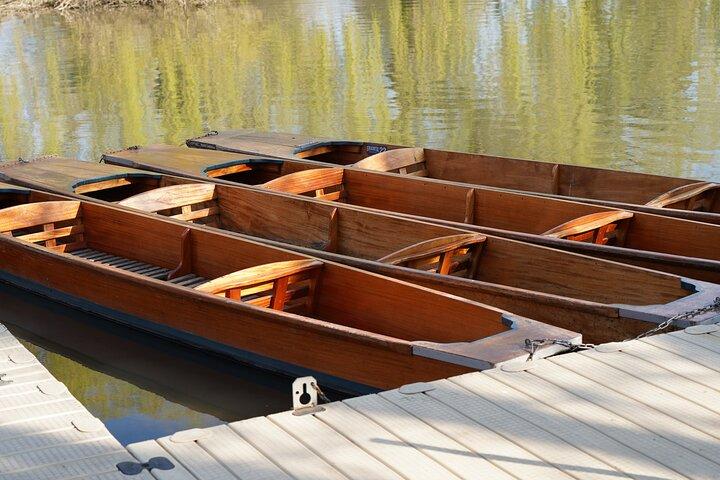
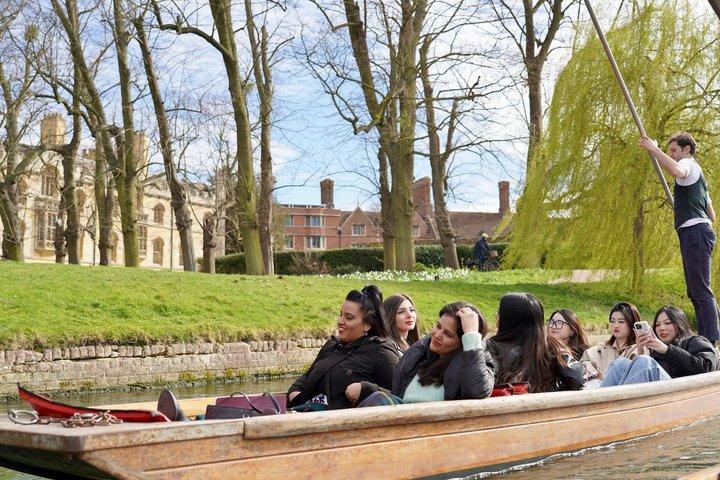
- Enjoy scenic views along the River Cam
- Experience Cambridge's rich academic traditions
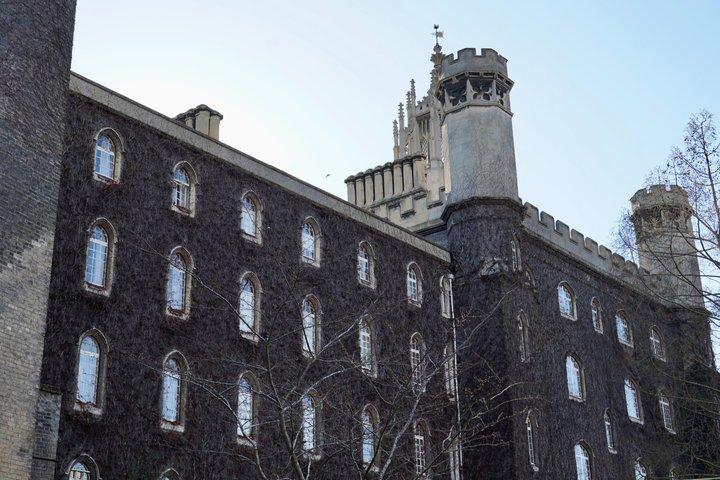
- Visit iconic colleges and historic landmarks
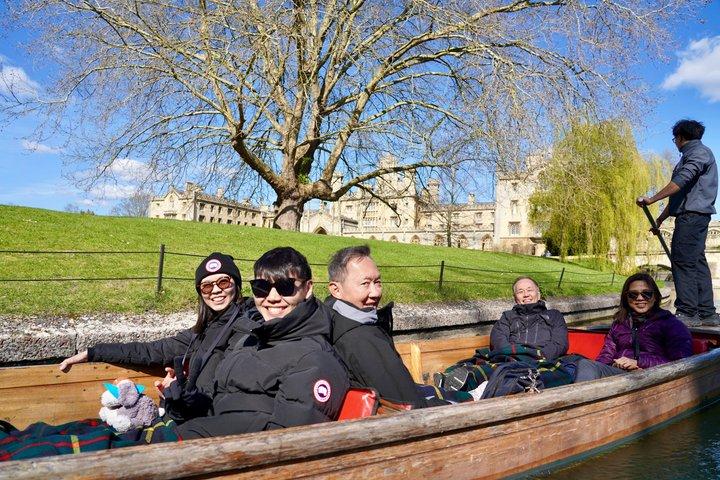
- Relax with provided blankets and local discounts
-
Duration 3 hours
-
Friendly local guide
-
Multilingual audio guide
-
Includes blankets and umbrellas
-
Local discount coupons
-
Private tour option available
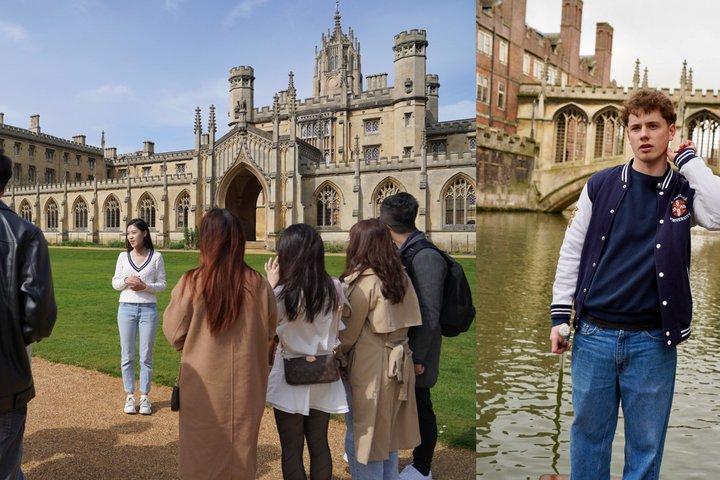
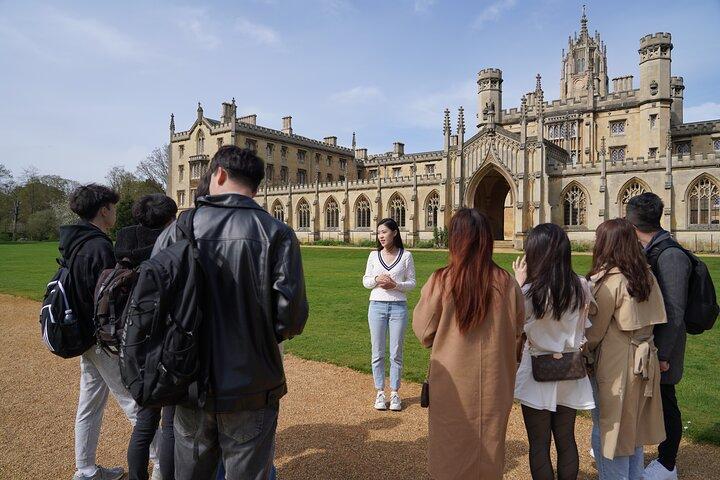
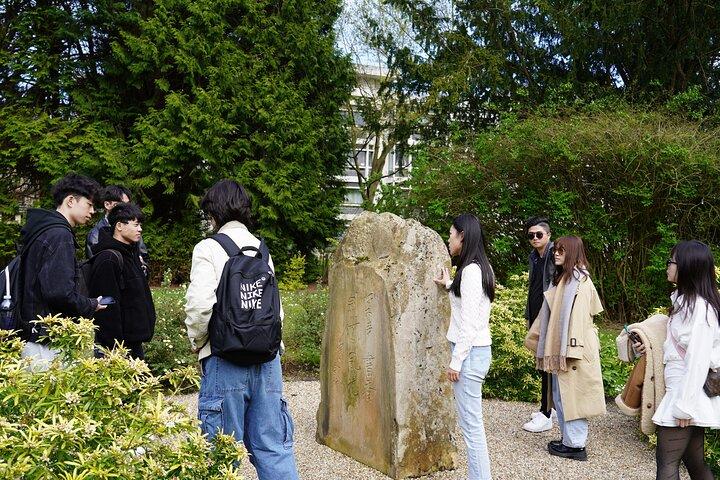
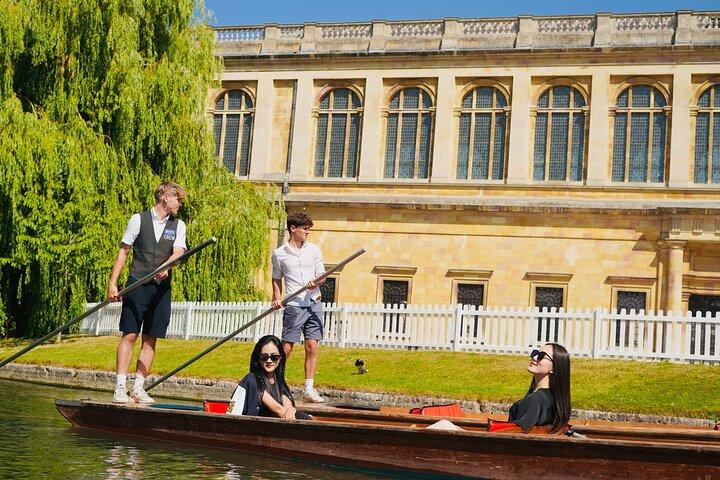
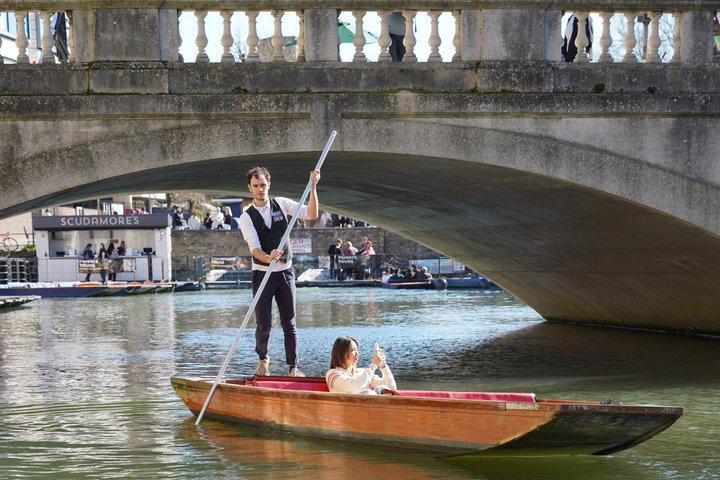
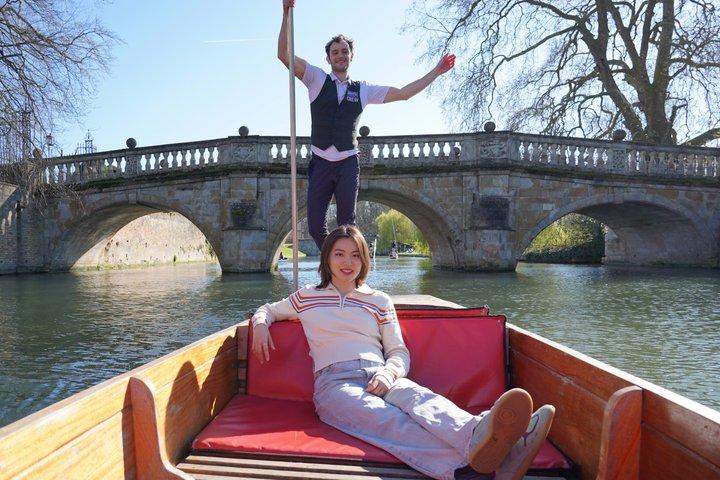
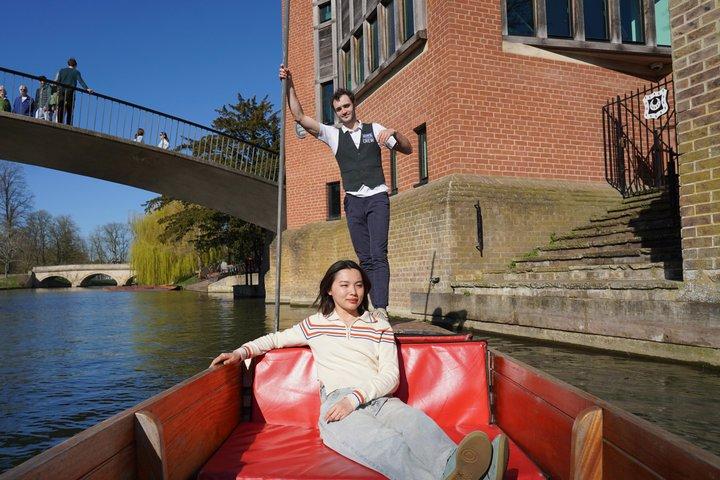
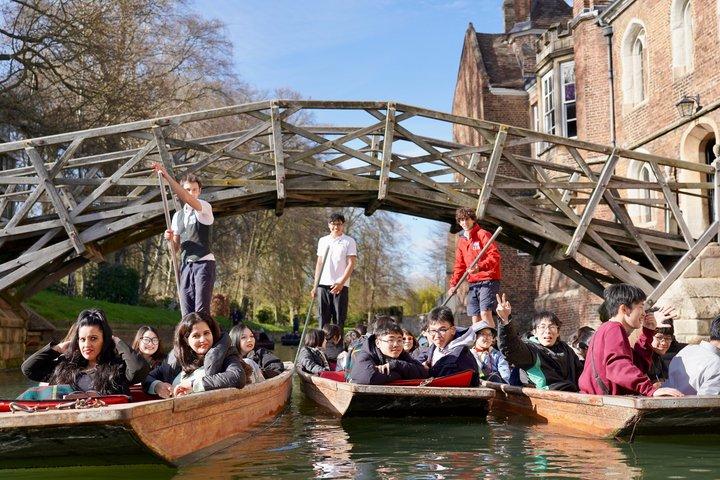
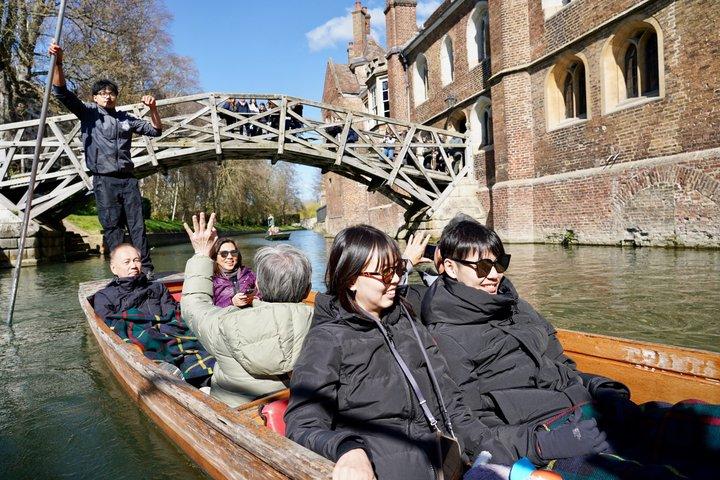
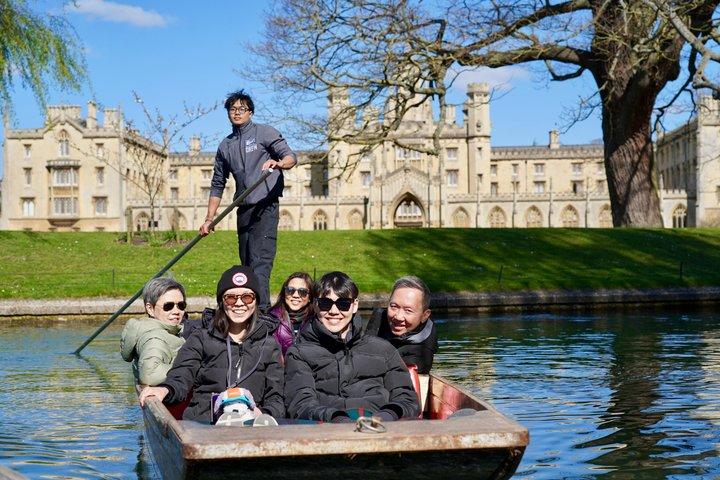
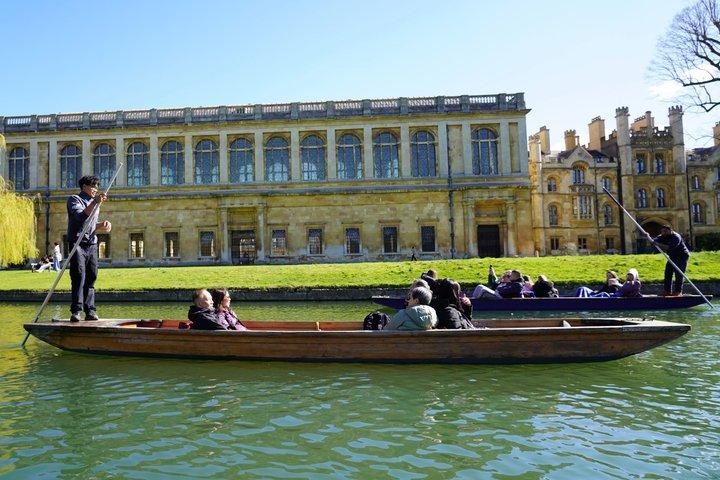
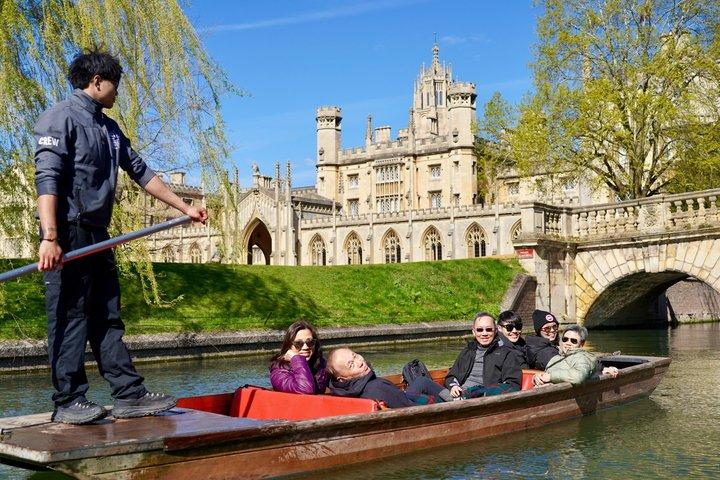
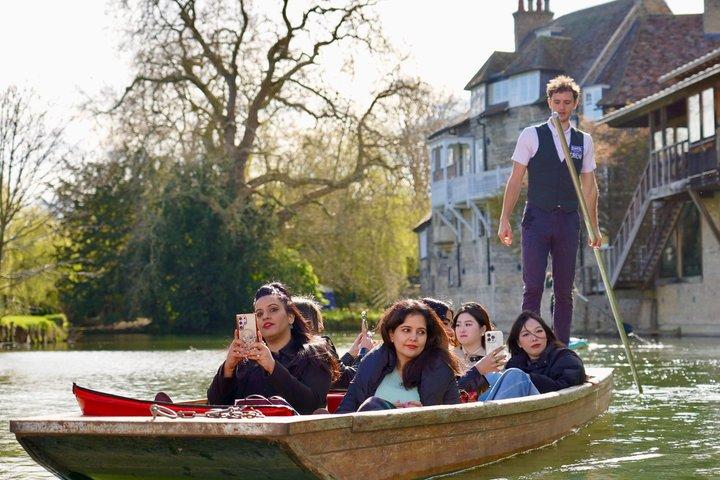
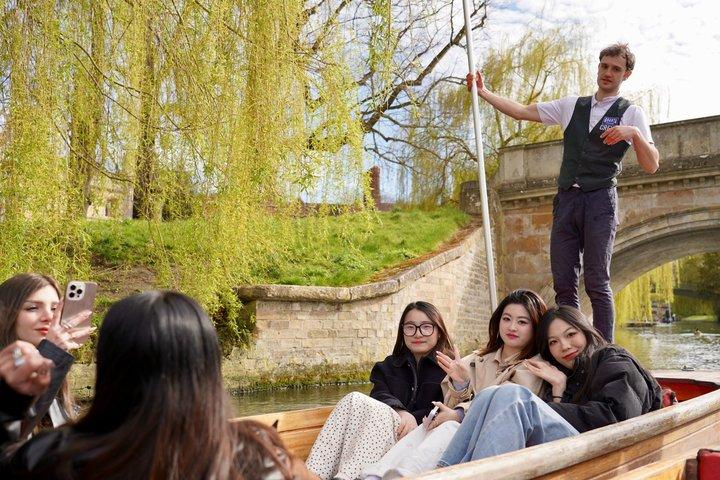
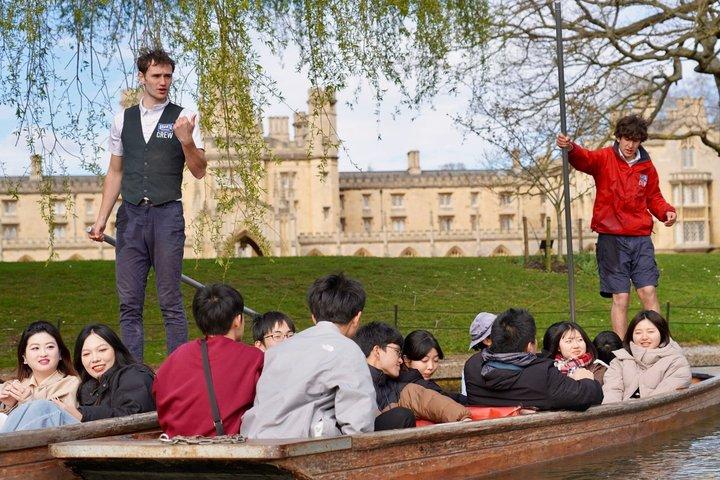
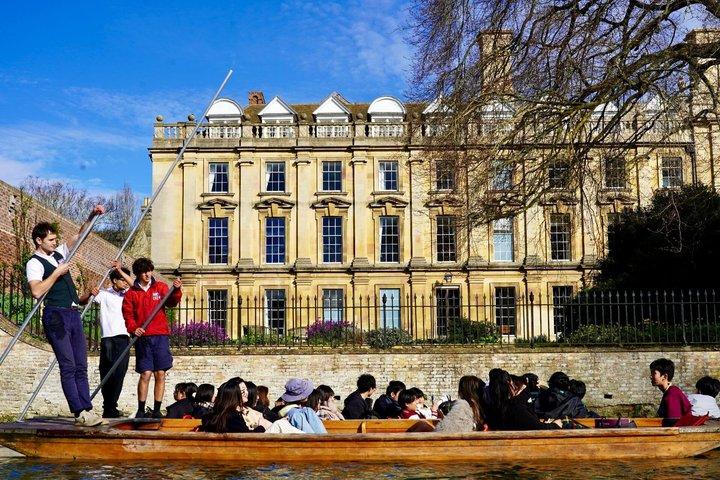
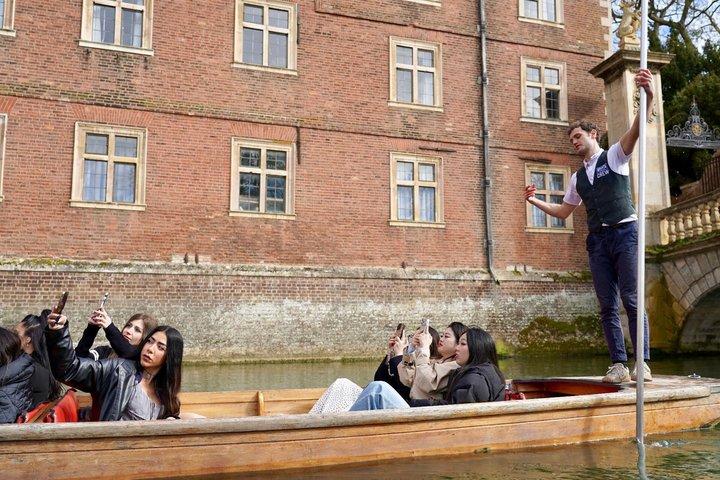
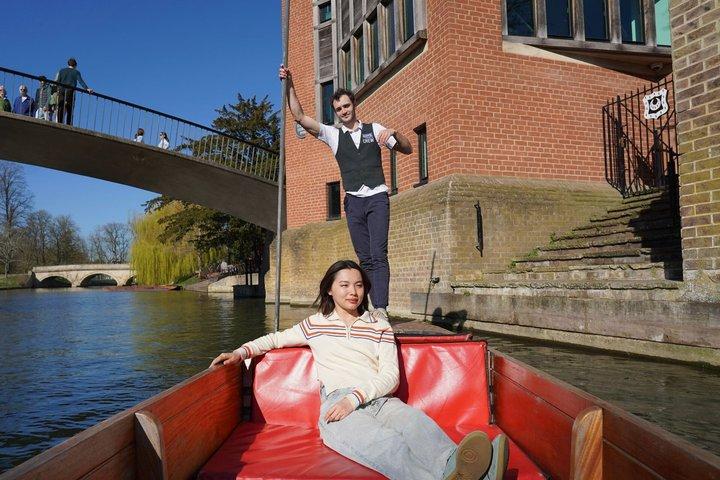
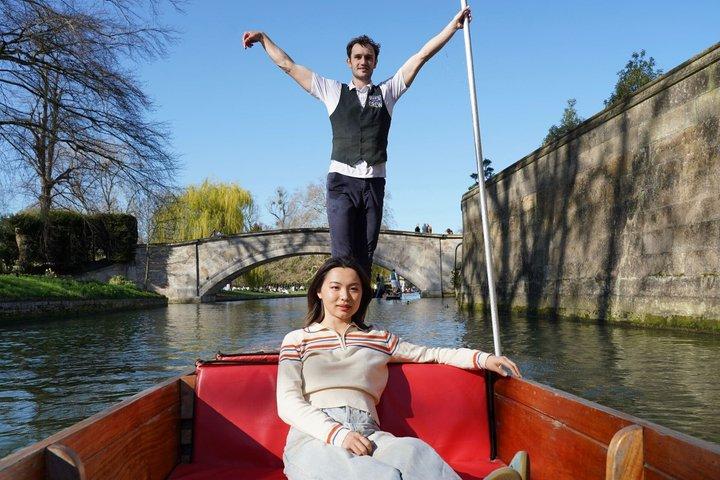
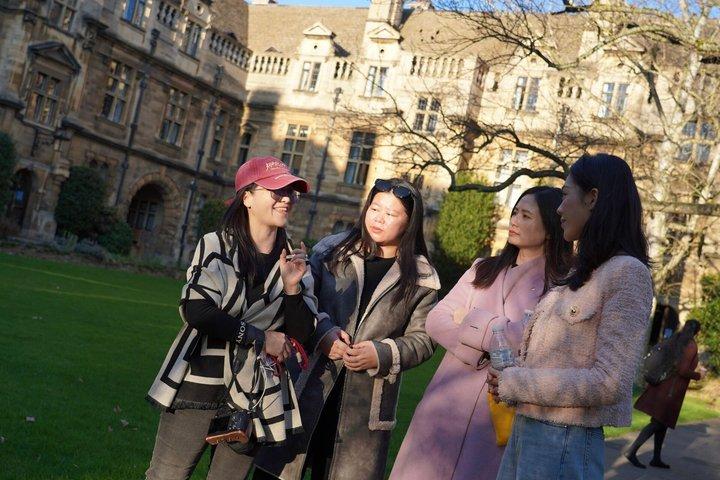
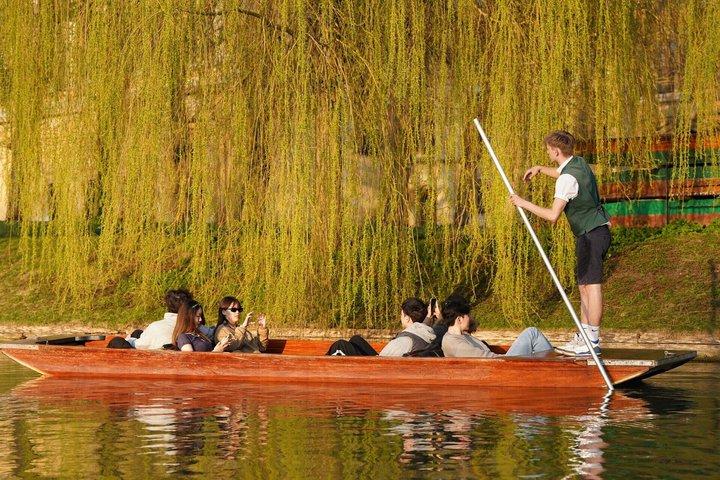
They embark on an enchanting journey through the heart of Cambridge with a captivating walking and punting tour that reveals the city's rich tapestry of history and tradition. Led by a friendly local guide, they will uncover hidden gems and vibrant tales from the university's illustrious past, all while gliding along the serene River Cam, where majestic colleges reflect on the water's surface. This immersive experience combines the charm of leisurely punting with insightful walks past iconic landmarks like King’s College and the Mathematical Bridge. With thoughtful touches like blankets and local discounts, every detail enhances their adventure, making it a perfect blend of comfort and discovery. Multilingual options ensure that everyone can connect with the stories that breathe life into this historic city, making memories that linger long after the tour concludes.
At a Glance
-
 Free cancellation
-
 3 hours
-
 Instant Confirmation
-
 Available in Italian, French, Spanish; Castilian, German, Mandarin Chinese, Cantonese, English
-
 Wheelchair accessible
-
 Mobile voucher
-
 Family friendly

Featured Reviews

Explore Cambridge's rich history with a unique walking and punting tour, guided by locals sharing hidden stories and stunning sights.
Included
-
 OtherLocal Discount Coupons
 -
OtherKnowledgeable, friendly, and professionally trained student or local guide
-
OtherFree Audio & Written Guide App
-
OtherBlankets and Umbrellas
Meeting Point
Please meet us outside the main entrance of Great St Mary’s Church, Senate House Hill, CB2 3PQ. At the meeting point, you’ll see our large dark blue flag with the words “Cambridge Walking Tours.” Alternatively, your guide may be holding a rainbow-colored umbrella to help you spot the group easily.

The University Church, Senate House Hill, Cambridge CB2 3PQ , United Kingdom

End Point
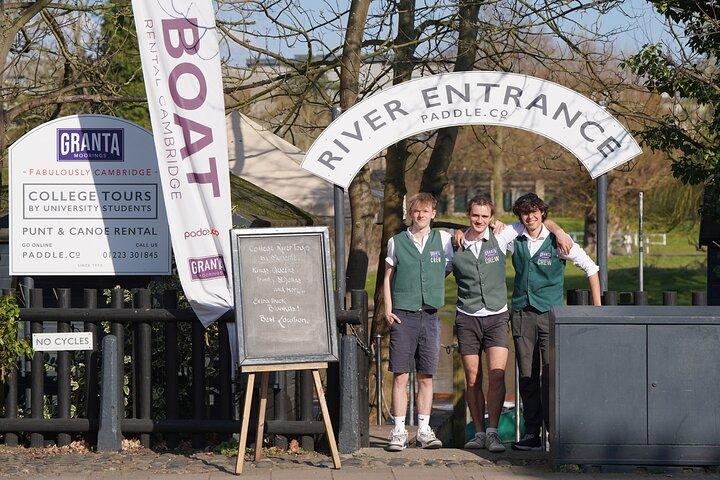
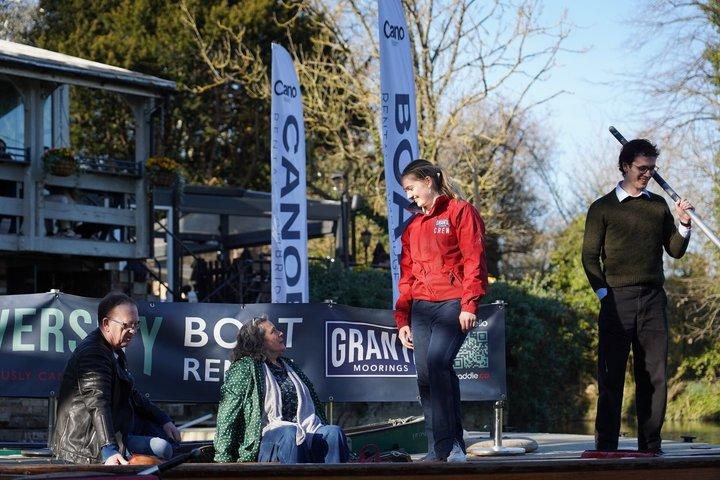
To check in for your punting tour, please go to the riverside area next to The Granta Pub. Our punting company, Granta Moorings, is located at 14 Newnham Road, Cambridge, CB3 9EX. Please look out for the large Granta Moorings sign.

14 Newnham Rd, Cambridge CB3 9EX , United Kingdom
What to expect
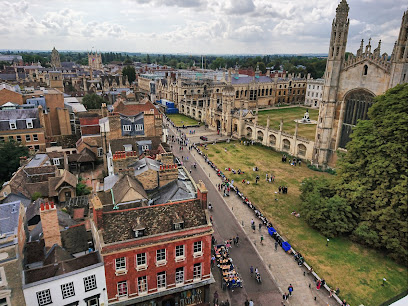
English Walking Route- Great St Mary’s Church, completed in 1519, stands at the very heart of Cambridge as the University Church. It has long been the centre of university life, hosting sermons, ceremonies, and important academic gatherings since the Middle Ages. Its tower was once used as a landmark for travellers approaching the city and today remains one of Cambridge’s most recognisable historic silhouettes.
Senate House
English Walking Route – Senate House, built between 1722 and 1730 by architect James Gibbs, serves as the ceremonial heart of the University of Cambridge, where students have formally received their degrees for nearly three centuries. Its neoclassical design reflects dignity, tradition, and the timeless prestige of the university.
Gonville and Caius College
English Walking Route – Gonville & Caius College, founded in 1348, is one of Cambridge’s oldest and most distinguished colleges. Famous for its medical and scientific achievements, it counts 15 Nobel Prize winners and physicist Stephen Hawking among its alumni, symbolising Cambridge’s enduring pursuit of knowledge.
King's College
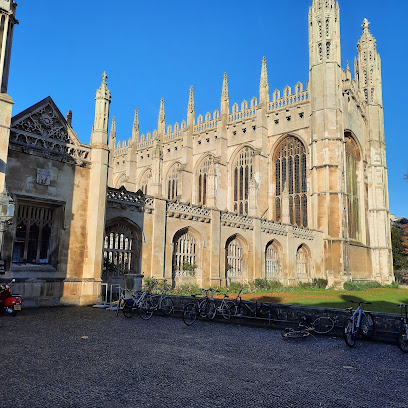
English Walking Route – King’s College, established in 1441 by King Henry VI, is one of Cambridge’s most iconic colleges. Its magnificent King’s College Chapel, completed in 1515, stands as a masterpiece of English Gothic architecture and remains a global symbol of the university.
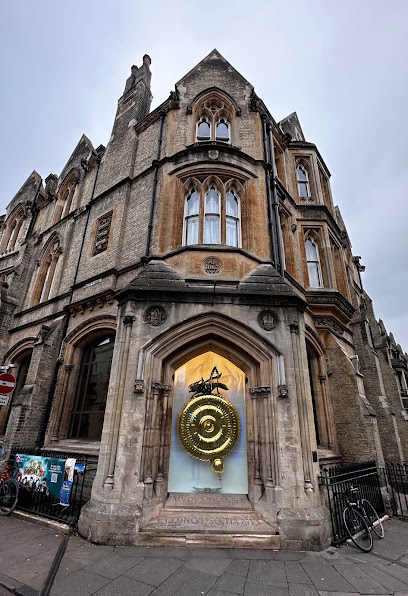
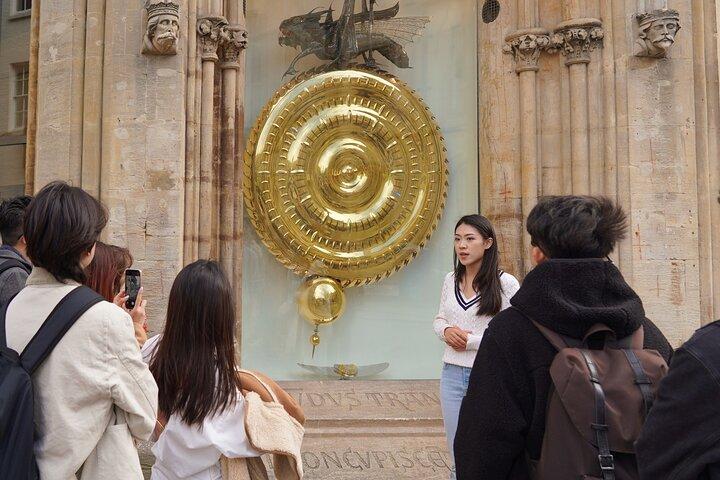
English Walking Route – Corpus Clock, unveiled in 2008 on the corner of Corpus Christi College, was designed by Cambridge inventor Dr John C. Taylor. The striking golden clock, crowned by a metal creature known as the “Chronophage” or “time-eater,” represents the relentless and unstoppable passage of time.
Eagle
English Walking Route – The Eagle Pub, dating back to the 14th century, is one of Cambridge’s oldest public houses. It became world-famous when scientists James Watson and Francis Crick announced their discovery of the DNA double helix here in 1953, marking one of the greatest moments in modern science.
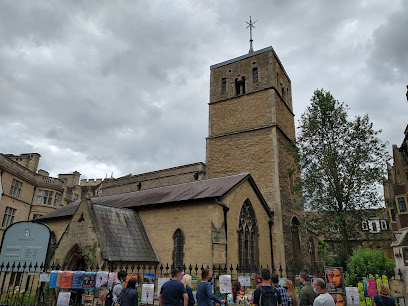
English Walking Route – St Bene’t’s Church, built around 1030 AD, is the oldest surviving building in Cambridge. Its distinctive Anglo-Saxon tower has stood for nearly a thousand years, linking the city’s medieval roots with the rise of the university.
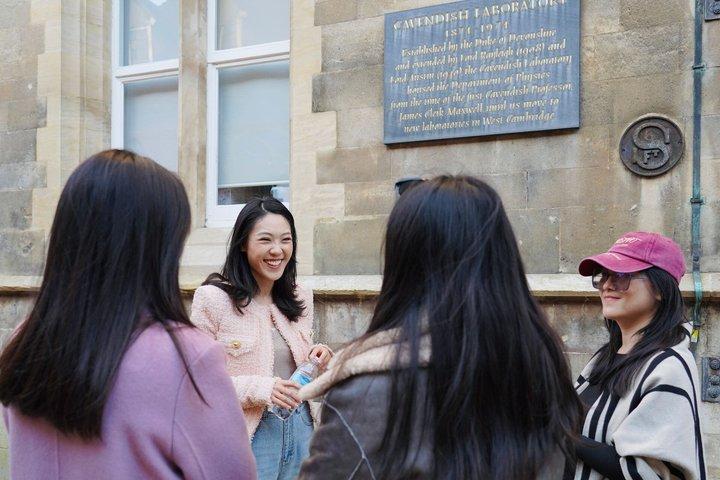
Old dsCavendish Laboratory
English Walking Route – Old Cavendish Laboratory, founded in 1874, is one of the most important sites in the history of science. It was here that the electron, the structure of DNA, and the splitting of the atom were all discovered, earning the laboratory over 20 Nobel Prizes and shaping modern physics.
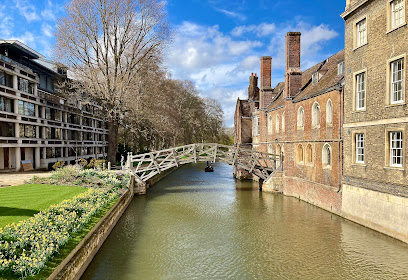
English Walking Route – Mathematical Bridge, constructed in 1749 at Queens’ College by James Essex from a design by William Etheridge, is an engineering masterpiece made entirely of straight wooden beams arranged in a perfect arch. Despite the myth, it was not built by Isaac Newton but remains one of Cambridge’s most admired bridges.
Queens' College
English Walking Route – Queens’ College, founded in 1448 by Queen Margaret of Anjou and refounded in 1465 by Queen Elizabeth Woodville, spans both sides of the River Cam. Its blend of medieval architecture, riverside charm, and academic heritage make it one of Cambridge’s most picturesque colleges.
Darwin College
English Walking Route – Darwin College, established in 1964 and named after Charles Darwin’s family, was the first Cambridge college to admit both men and women. Dedicated to postgraduate study, it is known for its international community and its peaceful setting along the River Cam.
Clare College
English Walking Route – Clare College, founded in 1326, is the second-oldest college in Cambridge and admired for its beautiful 17th-century architecture and riverside gardens. Its historic Clare Bridge, completed in 1640, is the oldest bridge still standing over the River Cam.
St. John's College
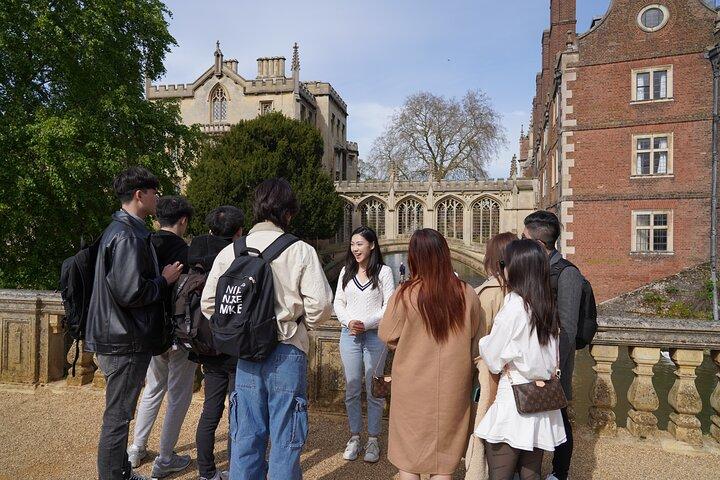
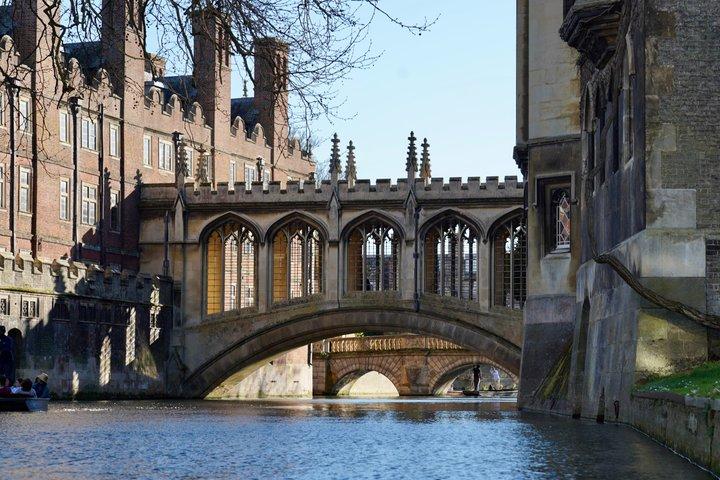
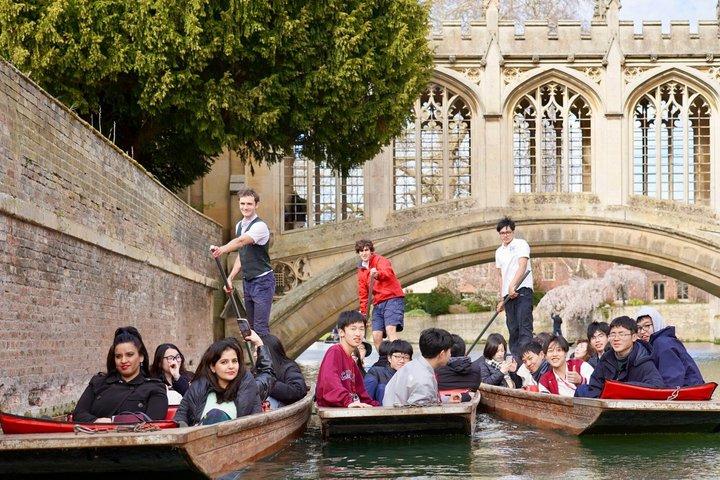
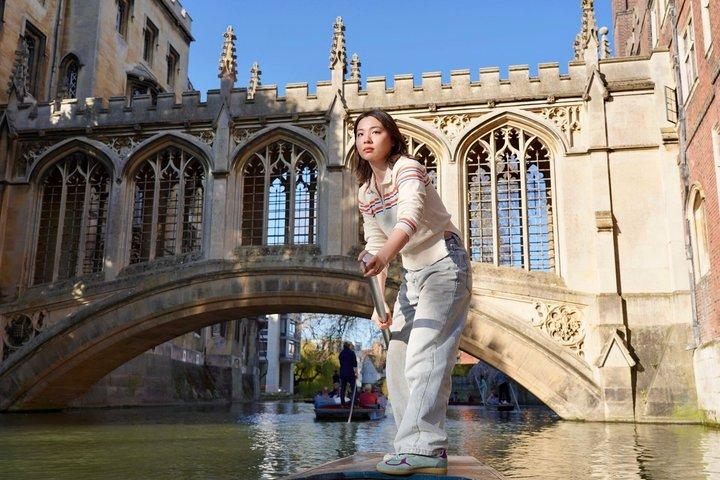
English Walking Route – St John’s College, founded in 1511 by Lady Margaret Beaufort, is famous for its magnificent Tudor and Victorian architecture. Its Bridge of Sighs, built in 1831, is one of Cambridge’s most photographed landmarks, representing the college’s rich blend of beauty and tradition.
Trinity College
English Walking Route – Trinity College, established in 1546 by King Henry VIII, is the largest and one of the most prestigious Cambridge colleges. It is home to the celebrated Wren Library, designed by Sir Christopher Wren in 1695, which houses treasures by Newton, Shakespeare, and Milton.
English Walking Route – Newton’s Apple Tree, found within the grounds of Trinity College, is a direct descendant of the tree at Woolsthorpe Manor that inspired Sir Isaac Newton’s theory of gravity. This living symbol of discovery links modern Cambridge to one of history’s greatest scientific breakthroughs.
Darwin College
English Punting Route – Darwin College, founded in 1964, was the first Cambridge college to admit both men and women and remains exclusively for postgraduate students. Named after Charles Darwin, it occupies 18th-century riverside buildings that once belonged to Darwin’s family. Known for its international community and interdisciplinary spirit, Darwin offers a tranquil and welcoming start to the River Cam journey.
Darwin College Library
English Punting Route – Darwin College Library, overlooking the River Cam, is a peaceful study space within the college’s historic buildings. Open exclusively to postgraduate members, it reflects Darwin’s academic diversity and fosters quiet research and collaboration — blending Cambridge tradition with modern scholarly life.
Silver Street Bridge
English Punting Route – Silver Street Bridge, completed in 1958 to a design by Sir Edwin Lutyens, carries Silver Street over the River Cam. Its smooth concrete arch replaced an older stone bridge and now marks the gateway to the scenic “Backs” of the colleges. The bridge’s elegant simplicity contrasts beautifully with the surrounding historic architecture.
Queens' College
English Punting Route – Queens’ College, founded in 1448, is one of Cambridge’s oldest and most picturesque colleges. It was uniquely established by two queens — Margaret of Anjou and Elizabeth Woodville — and spans both sides of the River Cam. With its medieval courts and tranquil gardens, Queens’ embodies the living history of the university.
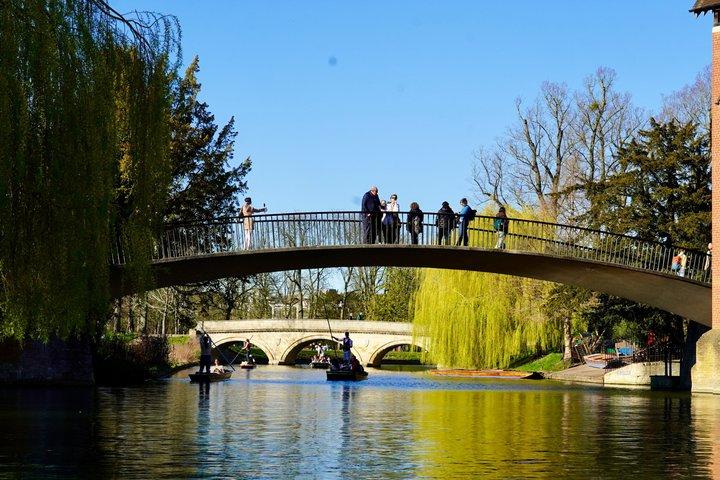
English Punting Route – Mathematical Bridge, designed by William Etheridge and built in 1749 by James Essex, connects the two sides of Queens’ College. Constructed entirely from straight wooden beams forming a perfect arch, it remains a remarkable example of 18th-century engineering and one of Cambridge’s most photographed landmarks.
New Court
English Punting Route – New Court (Queens’ College), completed in 1823 by architect William Wilkins, reflects early 19th-century Gothic Revival design. Linked to the rest of the college by the Mathematical Bridge, it combines architectural elegance with beautiful riverside views, symbolising Cambridge’s harmony between tradition and progress.
King’s College Bridge
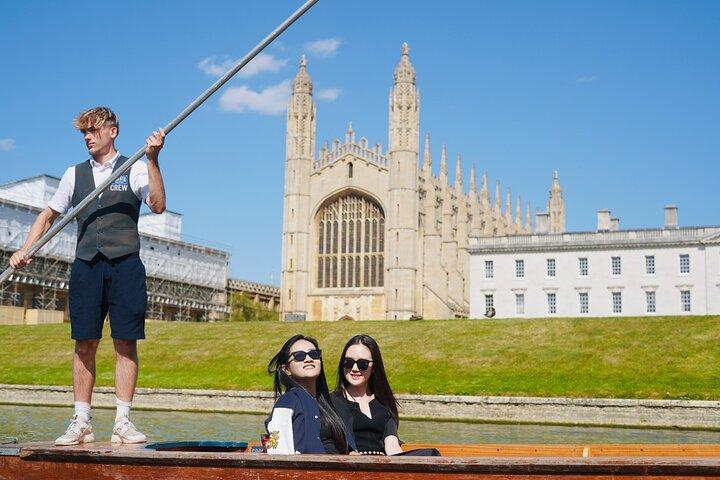
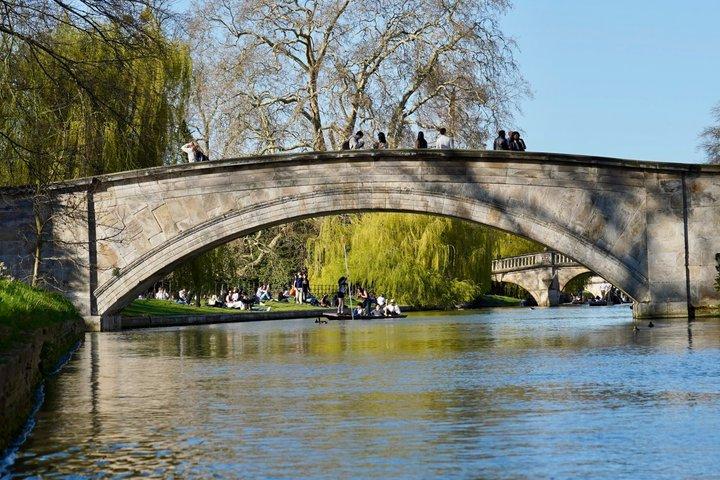
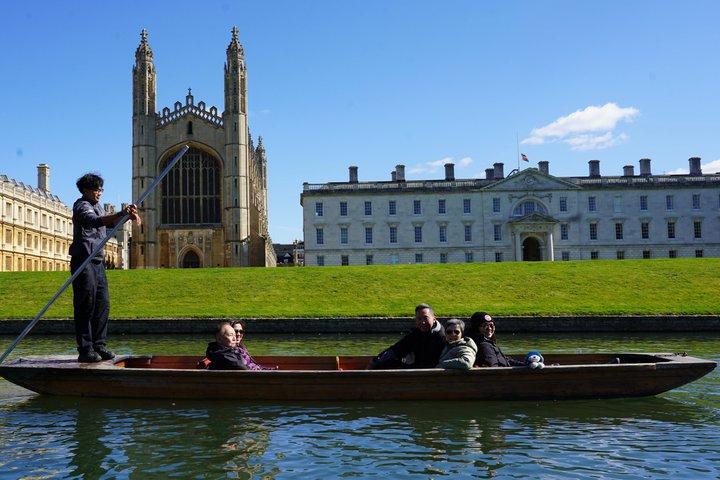
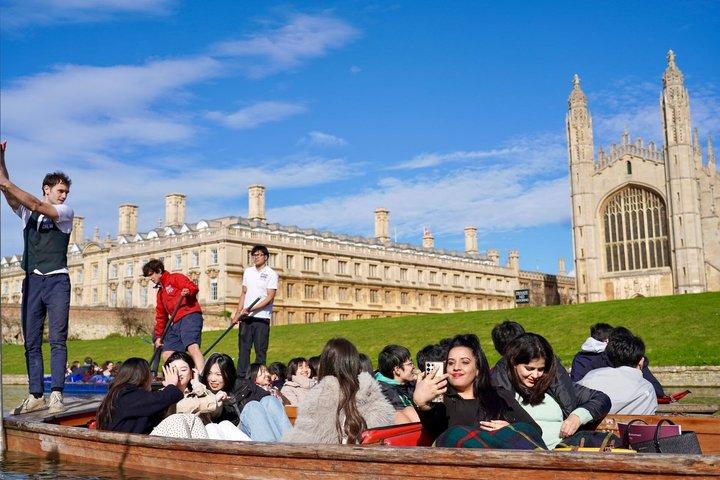
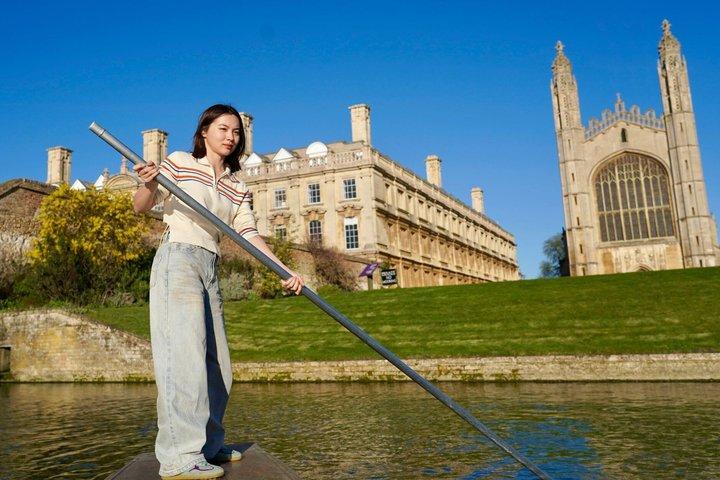
English Punting Route – King’s College Bridge, built in 1819, connects the lawns of King’s College with the college grounds on the opposite bank. The bridge offers one of Cambridge’s most famous river views — the sweeping lawns, graceful willows, and the magnificent King’s College Chapel rising beyond.
King's College
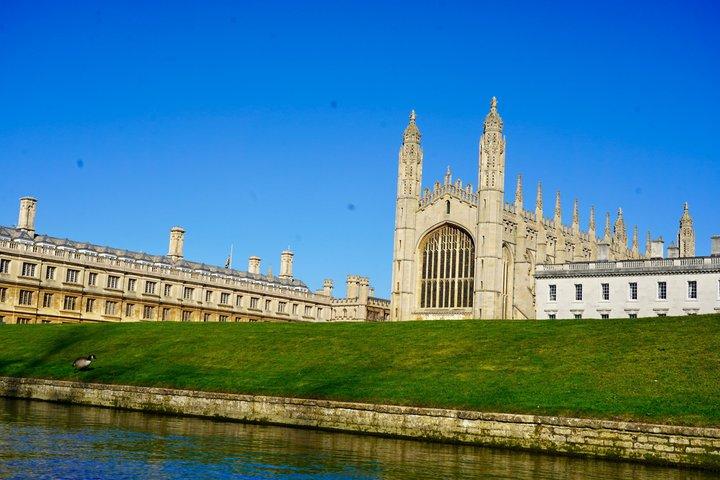
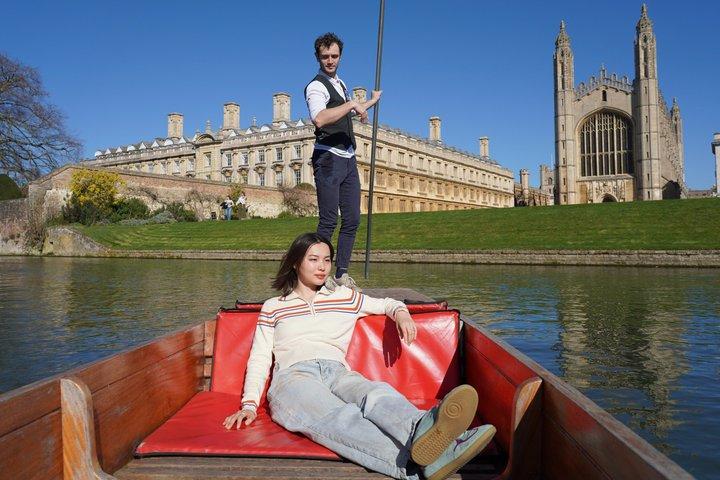
English Punting Route – King’s College, founded in 1441 by King Henry VI, is world-renowned for its Gothic architecture and academic heritage. Its riverside frontage forms one of the most recognisable scenes in England, while its long lawns and majestic chapel reflect the grandeur of the university’s royal foundation.
King's College Chapel
English Punting Route – King’s College Chapel, begun in 1446 and completed in 1515, stands as a masterpiece of late English Gothic architecture. Commissioned by Henry VI, the chapel is famous for its soaring fan-vault ceiling, exquisite stained glass, and world-famous choir, symbolising centuries of faith, art, and scholarship.
Cambridge University Library
English Punting Route – Cambridge University Library, located on West Road, is one of the world’s great research libraries. Designed by Sir Giles Gilbert Scott in the 1930s, its tall brick tower dominates the skyline. As a legal deposit library, it holds a copy of every book published in the UK, serving scholars across generations.
Clare Bridge
English Punting Route – Clare Bridge (Clare College), completed in 1640, is the oldest surviving bridge on the River Cam. Designed by Thomas Grumbold in classical stone, it links Clare’s Old Court with the Fellows’ Garden and is famed for its missing baluster — a playful feature that adds mystery to its beauty.
Clare College
English Punting Route – Clare College, founded in 1326, is the second-oldest Cambridge college and admired for its 17th-century architecture and elegant riverside gardens. The college’s setting beside the Cam offers timeless views of King’s Chapel and the Backs, making it one of the most photogenic parts of the river.
Queen's Rd
English Punting Route – Scholars’ Garden (Clare College), lying across the river from Clare’s main buildings, is a serene walled garden reserved for college members and alumni. Its manicured lawns and ancient stonework create a peaceful retreat, reflecting the college’s long tradition of elegance and quiet beauty.
Jerwood Library, Trinity Hall
English Punting Route – Jerwood Library (Trinity Hall), opened in 1998, is one of Cambridge’s most striking modern buildings. Set on the riverbank, its glass and oak design provides bright, peaceful study spaces for students. The library represents the college’s seamless blend of heritage and innovation.
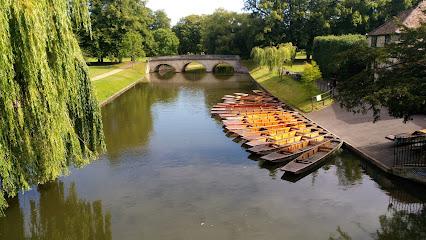
English Punting Route – Garret Hostel Bridge, built in 1960 by Timothy Guy Morgan, connects Trinity and Trinity Hall to the university’s Sidgwick Site. Its graceful concrete arch offers a panoramic view of the Cam, where the line of college bridges can be seen stretching in both directions — a favourite sight for punters and photographers.
Garret Hostel Ln
English Punting Route – Garret Hostel Lane, once a quiet footpath, was historically the centre of Cambridge’s underground punting scene. For decades, independent punters gathered here before dawn to secure river spots, creating a lively, competitive, and rebellious culture that helped shape modern punting traditions.
Trinity College Bridge
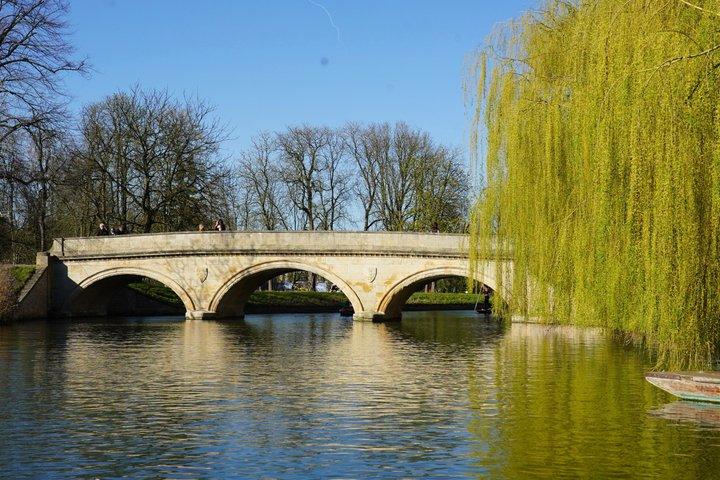
English Punting Route – Trinity College Bridge, completed in 1765 and designed by James Essex, links Trinity’s historic courts with the Fellows’ Garden. With its three graceful arches and classical symmetry, it reflects the grandeur of the college and offers one of the best views of the Wren Library.
Trinity College
English Punting Route – Trinity College, founded in 1546 by King Henry VIII, is the largest and most prestigious of the Cambridge colleges. It has produced more Nobel Prize winners than any other institution in the world and remains the academic heart of the university, rich in history and intellectual legacy.
Wren Library
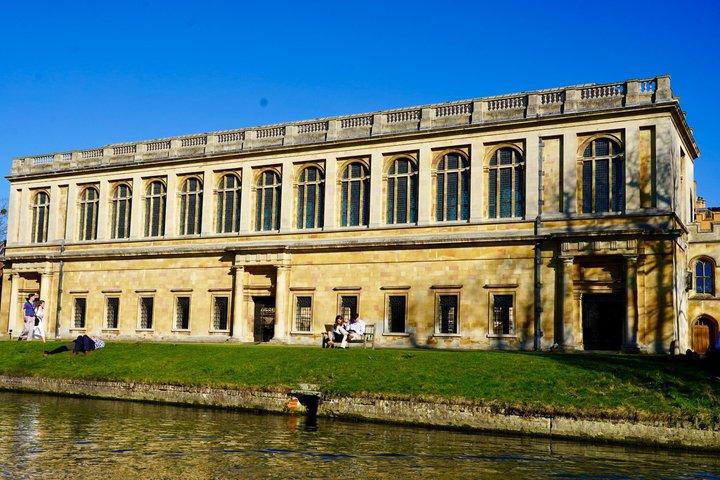
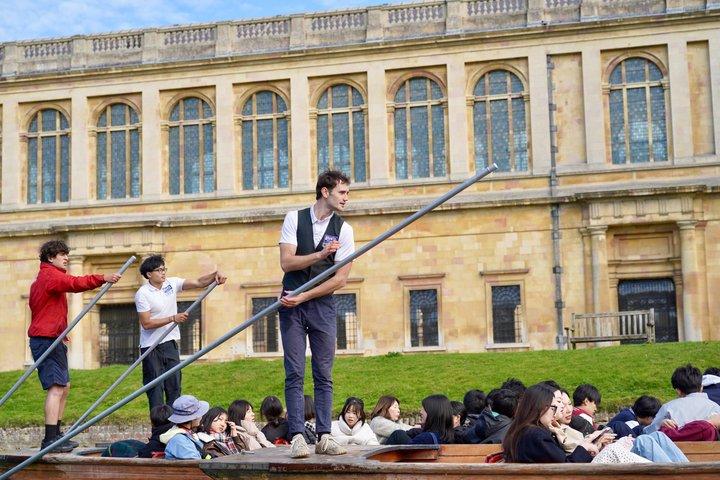
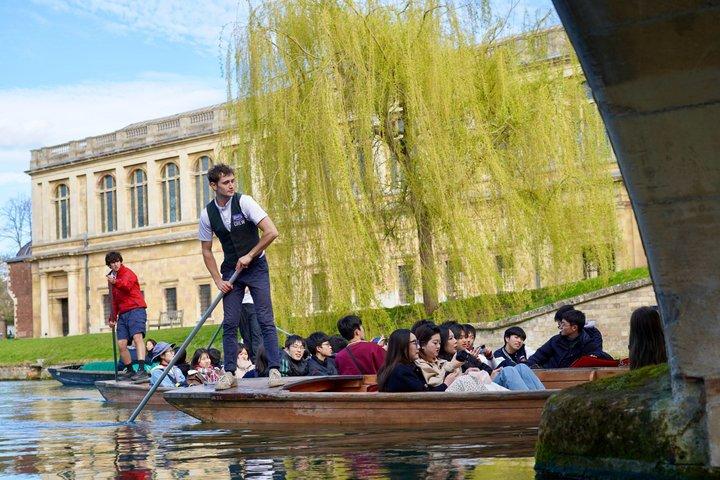
English Punting Route – Wren Library (Trinity College), completed in 1695 and designed by Sir Christopher Wren, is one of Cambridge’s most celebrated landmarks. Overlooking the River Cam, it houses priceless works by Newton, Milton, and Shakespeare. Its light-filled interior is an enduring monument to learning and human creativity.
St. John's College
English Punting Route – St John’s College, established in 1511 by Lady Margaret Beaufort, is one of the most architecturally impressive colleges in Cambridge. Stretching along the river with majestic courts and bridges, it perfectly combines grandeur, history, and natural beauty.
Kitchen Bridge, St John's College
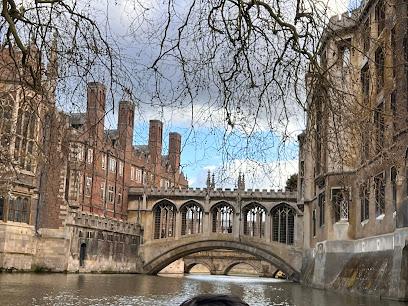
English Punting Route – Kitchen Bridge (St John’s College), also known as the Wren Bridge, was completed in 1709. Designed by Sir Christopher Wren, it connects the college’s Third Court to the kitchens and features elegant stone arches, reflecting both practicality and refined architectural style.
Bridge of Sighs
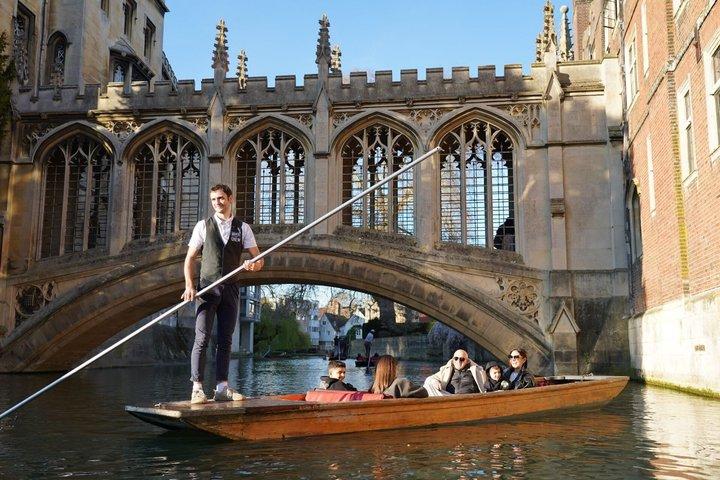
English Punting Route – Bridge of Sighs (St John’s College), completed in 1831 and designed by Henry Hutchinson, spans the river between the Third and New Courts. Its Gothic arches and detailed stonework make it one of Cambridge’s most photographed landmarks, often compared to its Venetian namesake.
St John's College Chapel
English Punting Route – St John’s College Chapel (Virginia Creeper), famous for its autumn display of crimson Virginia Creeper, transforms into one of Cambridge’s most beautiful sights each year. The ivy’s brilliant red against the stone façades symbolises the changing seasons and the living heritage of the college.
Magdalene College
English Punting Route – Magdalene College, founded in 1428, lies gracefully on the north bank of the River Cam. Known for its intimate charm and medieval architecture, it is home to the Pepys Library, which preserves the 17th-century diaries of Samuel Pepys exactly as he left them.
Magdalene Bridge
English Punting Route – Magdalene Bridge, completed in 1823, marks the start of the River Cam’s famous Backs. Designed by Arthur Browne, it replaced a series of medieval wooden crossings and now forms the lively heart of Cambridge punting, where boats launch toward the historic colleges.
Quayside
English Punting Route – Quayside (Cambridge), a vibrant riverside hub beside Magdalene Bridge, was once a historic trading port and is now filled with cafés, restaurants, and punting stations. It serves as the gateway to the River Cam, where Cambridge’s beauty, history, and local life flow together in perfect harmony.
The experience can be subject to change due to bad weather or unforseen circumstances. We always endeavour to give you the best possible experience.
Additional Information
-
 Infants and small children can ride in a pram or stroller
 -
Infants are required to sit on an adult’s lap
-
Not recommended for travelers with poor cardiovascular health
-
Not recommended for travelers with spinal injuries
-
Public transportation options are available nearby
-
Service animals allowed
-
Suitable for all physical fitness levels
-
Wheelchair accessible
What our experts say
-
 Try the Eagle Pub for lunch nearby
 -
Visit King's College Chapel for photos
-
Take a stroll along the Backs after
-
Check out local shops near Senate House
-
Bring a light jacket, it may get breezy

More About this Experience
Introduction
This enchanting Cambridge Walking and Punting Shared Combined Tour invites you on a journey through one of the world’s most storied cities, blending the charm of a guided walking experience with the tranquility of punting on the River Cam. Over the course of three hours, guests will be treated to an immersive exploration that showcases the vibrant life and rich history of Cambridge through the eyes of knowledgeable guides. Founded by a University of Cambridge graduate and lifelong local, the tour is carefully designed to offer genuine insights and heartwarming stories about student life, university traditions, and hidden gems that you won’t find in any guidebook. Starting from a serene location, the punting route allows you to glide past iconic sights, before transitioning seamlessly into a walking tour that weaves through the city’s historic heart. With blankets and umbrellas provided for comfort, this experience is as cozy as it is captivating, appealing to adventurers and history buffs alike.What to expect?
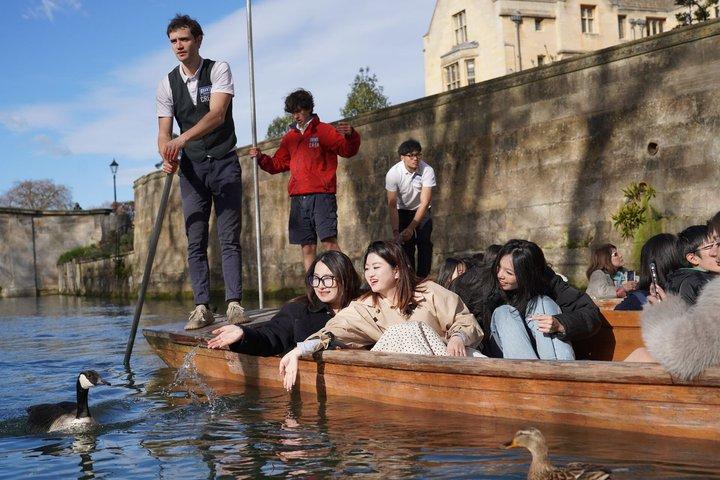
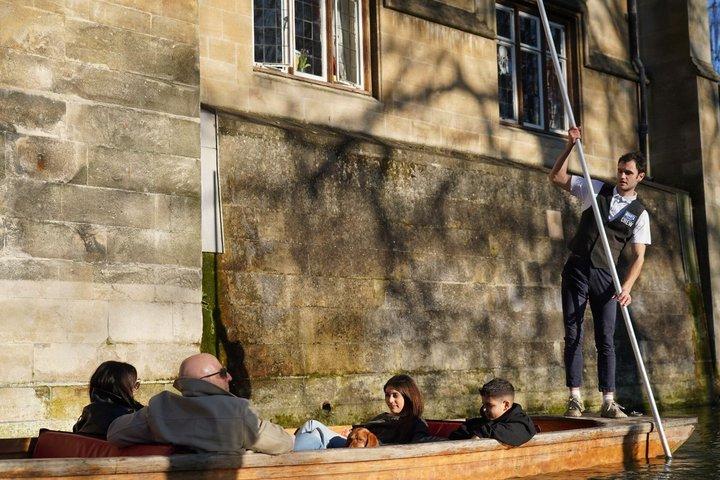
Participants can expect an unforgettable experience that beautifully marries the historic charm of Cambridge with the peacefulness of its waterways. The tour begins with a shared punting adventure on the River Cam, where you'll float past stunning colleges, picturesque bridges, and lush gardens, all while soaking in the tranquil atmosphere that this scenic stretch of the river offers. The knowledgeable guides will regale you with tales that weave together the past and present, revealing the hidden stories of the university’s prestigious history and the lives of its students. After the punting, the walking segment flows effortlessly through the heart of the city, featuring no backtracking, allowing you to see more in less time. From the iconic Great St Mary’s Church to the awe-inspiring King’s College Chapel, every stop is a visual delight and an opportunity to delve into the stories that make Cambridge so special. Expect not just sights, but memories that will linger long after the tour is over.Who is this for?
This delightful experience is designed for anyone with a thirst for knowledge and a love for exploration. Whether you're a solo traveler, a couple, a family with young children, or part of a larger group, this tour offers something for everyone. With multilingual guides available, it caters to a diverse audience, making it accessible to non-English speakers as well. Infants can be comfortably accommodated in prams or strollers, and the tour is wheelchair accessible, ensuring that everyone can participate. History enthusiasts and first-time visitors alike will be captivated by the tales and sights, while those seeking a peaceful escape will relish the serene beauty of punting on the river. This is not just a walking tour; it's a shared experience that fosters connection and appreciation for one of the world's greatest academic cities.Why book this?
Booking the Cambridge Walking and Punting Shared Combined Tour means immersing yourself in the rich tapestry of Cambridge’s history and culture in a way that feels both personal and engaging. As one of the most trusted operators in the area, this tour goes beyond the ordinary, providing an authentic perspective that is often missed by larger, more commercialized tours. The combination of punting and walking ensures a varied experience that showcases both the natural beauty of the River Cam and the architectural grandeur of the university's colleges. Plus, with thoughtful touches such as blankets and local discount coupons, the tour prioritizes your comfort and enjoyment. You'll be captivated not just by the sights but by the stories shared by passionate guides who bring the city to life. With a focus on creating unforgettable moments, this tour promises to be a highlight of your time in Cambridge.Good to know
Before embarking on this charming adventure, there are a few key details that can enhance your experience. The meeting point is conveniently located outside the main entrance of Great St Mary’s Church, easily identifiable by a large dark blue flag. Make sure to dress comfortably and check the weather, as the experience involves both outdoor walking and punting on the river. It's advisable to arrive a little early to settle in and soak up the atmosphere before starting. The tour accommodates all physical fitness levels, ensuring that everyone can enjoy the journey. For those with specific needs, like wheelchair access, it's good to know that the tour has been designed to be inclusive. Lastly, don’t forget to bring your camera to capture the stunning sights and memorable moments along the way.Reviews
Previous guests have consistently praised the Cambridge Walking and Punting Shared Combined Tour for its engaging storytelling and the warmth of the guides. Many have shared how the tour exceeded their expectations, highlighting the unique insights into the university's history and culture that are often overlooked. Visitors have found the combination of punting and walking to be a refreshing and enjoyable way to experience the city, allowing them to appreciate both the serene beauty of the river and the stunning architecture of the colleges. Travelers from various backgrounds have noted how accommodating the tour is, with positive feedback on the multilingual options available. Overall, the reviews echo a sentiment of satisfaction, with many expressing that this tour was a highlight of their trip to Cambridge, leaving them with cherished memories and a deeper appreciation for this historic city.
Your all‑in‑one travel companion app
Explore expert travel guides, compare and book tours, experiences, hotels, and more—all from the palm of your hand. Download now for seamless trip planning wherever your wanderlust takes you.


This is a popular product and the date you are looking for just sold out. Next available date is
