

From Busan to Gyeongju UNESCO Legacy Tour with National Museum
 Busanjin District, KR
 100% of travellers recommend this


Highlights
- Explore ancient Silla Kingdom capital
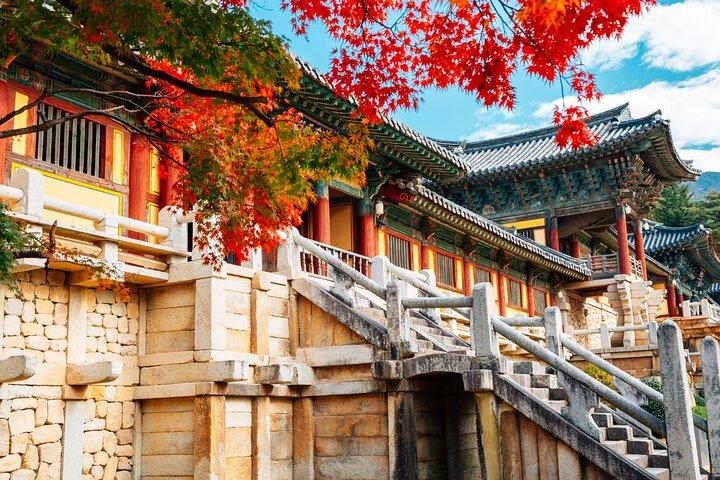
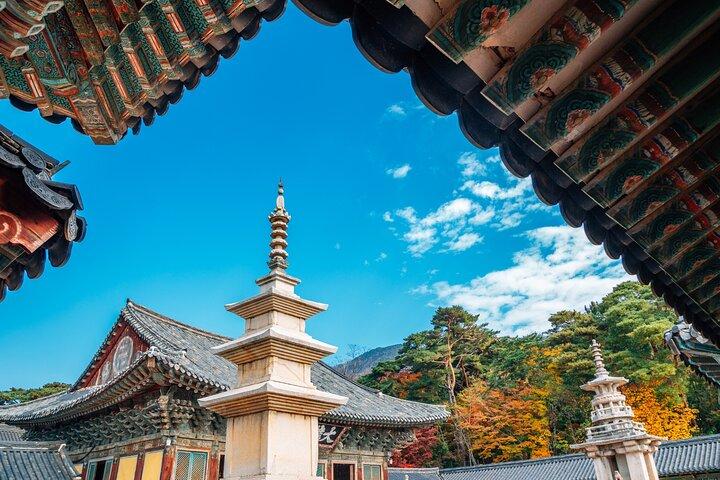
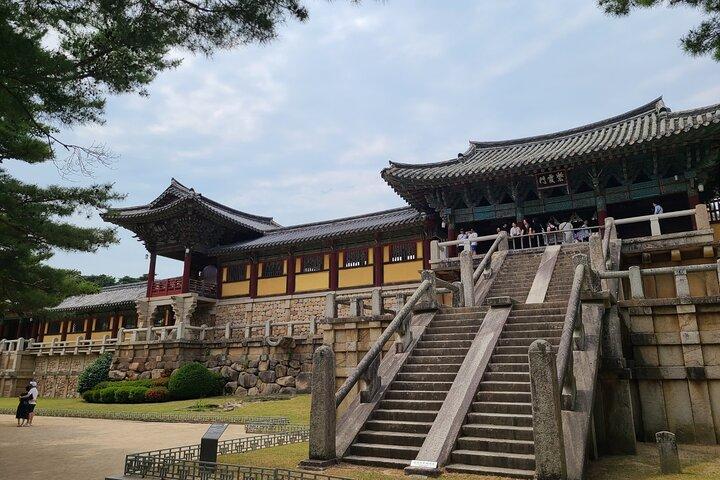
- Visit UNESCO-listed Bulguksa Temple
- Walk through Gyochon Hanok Village
- Discover priceless Silla relics at museum
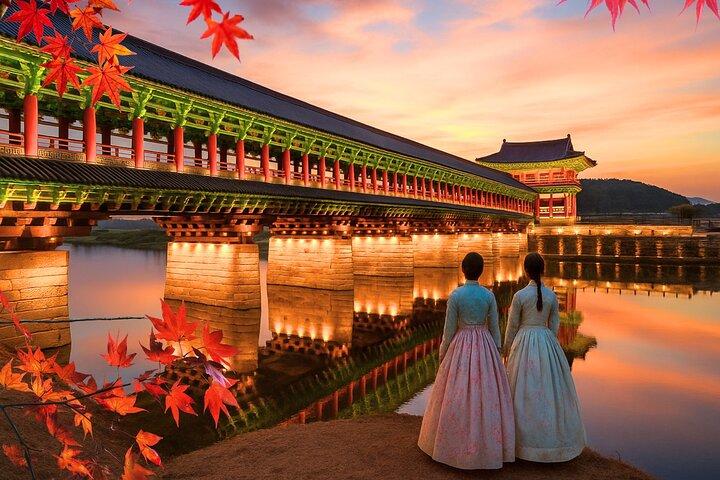
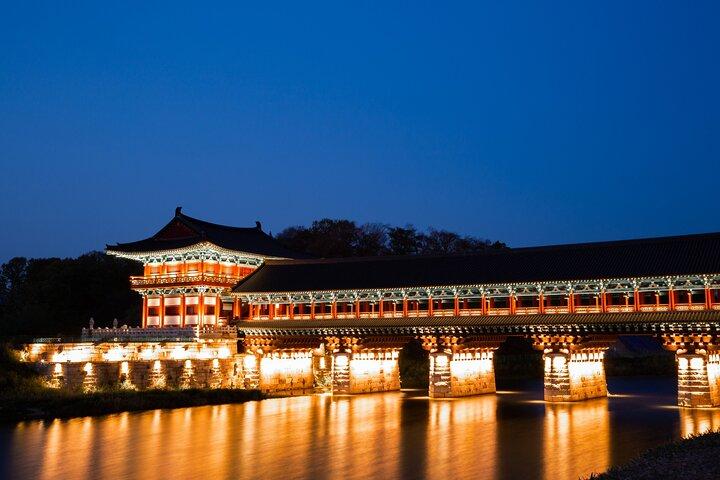
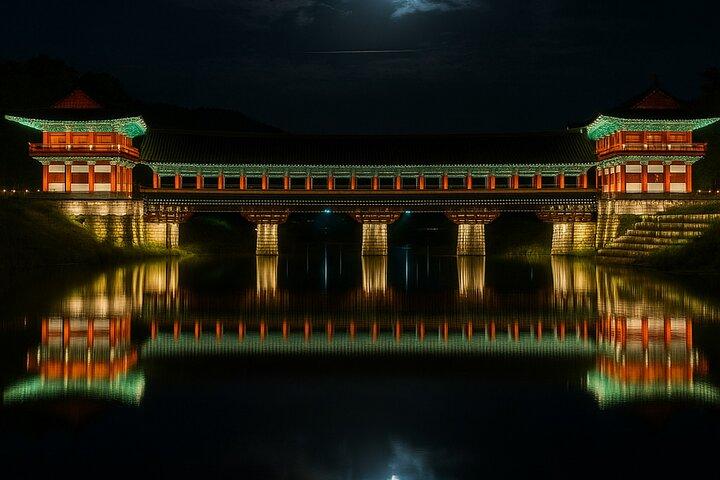
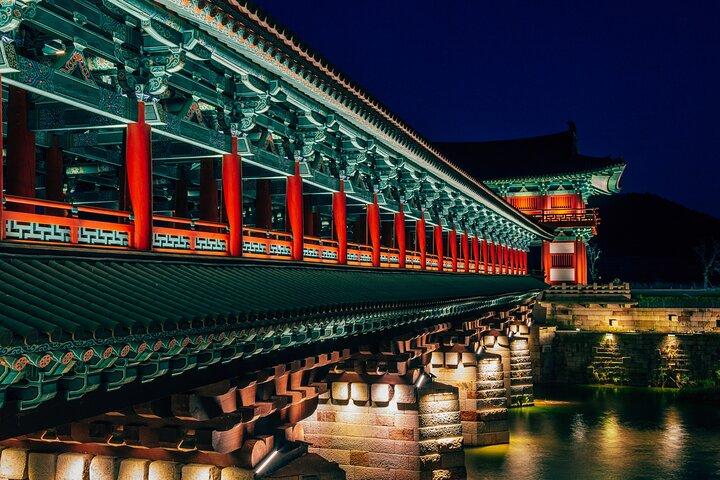
- Capture night view at Woljeonggyo Bridge
-
Duration 12 hours
-
Local expert guide
-
Round-trip transport included
-
Entrance fees included
-
Balanced mix of culture & history
-
Available in English
Embark on a journey through time with the Gyeongju UNESCO Legacy Tour from Busan. Immerse yourselves in the rich heritage of Korea as you explore the ancient capital of the Silla Kingdom. From the serene Ahopsan Bamboo Forest to the majestic Bulguksa Temple, each stop will leave you in awe of the country's history. Walk through Gyochon Hanok Village and visit the Gyeongju National Museum to see priceless relics. End the day at Woljeonggyo Bridge, beautifully illuminated at night for the perfect photo opportunity. With a local expert guide, round-trip transport, and entrance fees included, this tour offers a balanced mix of iconic sites and local culture. Book now and experience Korea's soul in just one unforgettable day.
At a Glance
-
 Free cancellation
-
 12 hours
-
 Instant Confirmation
-
 Available in , English, Mandarin Chinese
-
 Mobile voucher
-
 Small Group tour
-
 Guided
-
 Family friendly

Featured Reviews

Explore Gyeongju's UNESCO sites from Busan on a full-day tour, including ancient temples, traditional villages, and stunning night views.
Included
-
 English/Chinese -speaking guide
 -
Toll fees
-
Parking fees
-
Professional guide
-
Fuel fees
-
In-vehicle air conditioning
Excluded
-
 Optional entrance fees (ahopsan forest, donggung palace and wolji pond)
 -
Lunch
-
Personal expenses
-
Personal travel insurance
Meeting Point
Haeundae Station Exit 5 (11:00), Guide holding 'Love Korea' picket

539-15 U-dong, Haeundae-gu, Busan , Korea

End Point
Haeundae Station Exit 5 (11:00), Guide holding 'Love Korea' picket

539-15 U-dong, Haeundae-gu, Busan , Korea
What to expect
Meeting Point
Seomyeon Subway station Exit 4 *(10:20), Guide holding 'Love Korea' picket
Meeting Point
Busan Station Subway Exit 6 (10:00), Guide holding 'Love Korea' picket
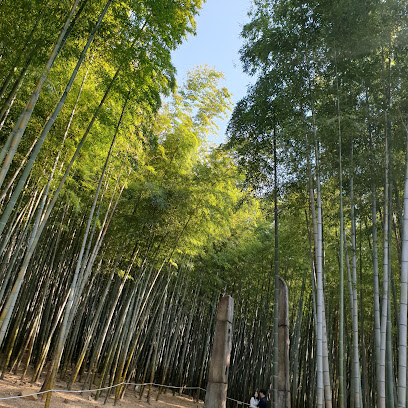
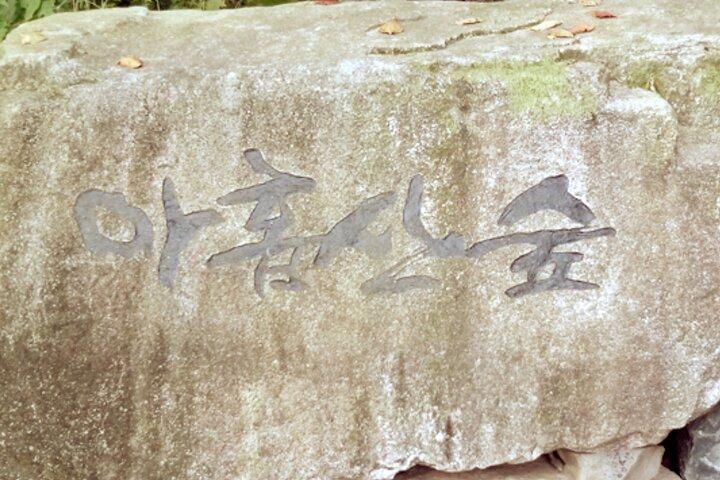
Ahopsan Forest is a privately owned bamboo forest located in Busan, South Korea. It has been preserved for over 400 years and offers visitors a peaceful and mystical experience with its dense bamboo groves, towering cedar trees, and winding forest paths. The name Ahopsan means "Nine Mountains" and reflects the forest's harmonious setting among the surrounding peaks. This forest is famous for its appearance in many Korean dramas and films, including “The King: Eternal Monarch” and “Kundo: Age of the Rampant.” For Ahopsan Forest, the entrance fee is not included. If you prefer not to visit the forest, you can start your day at a peaceful nearby café instead.
90 minutes
 Admission Not Included
Bulguksa Temple
Introduction to Bulguksa Temple Bulguksa Temple is a UNESCO-listed Buddhist site in Gyeongju, South Korea. Originally built in 528 during the Silla Dynasty and rebuilt in 774, it is a masterpiece of Buddhist art and architecture. The temple embodies the Silla people's wish to create a paradise on earth, blending spiritual depth with natural beauty. What to See Dabotap & Seokgatap Pagodas Two stone pagodas stand in harmony—Dabotap is detailed and decorative, while Seokgatap is simple and balanced. They symbolize wisdom and enlightenment. Cheongun-gyo & Baegun-gyo Bridges These graceful stone stairways represent the transition from the secular world to the spiritual realm. ♂️ Main Hall (Daeungjeon) The main hall houses a statue of Sakyamuni Buddha and serves as the temple’s central space for worship. Natural Harmony Surrounded by forests, ponds, and seasonal flowers, Bulguksa offers peaceful scenery and a serene atmosphere all year round.
120 minutes
 Admission Included
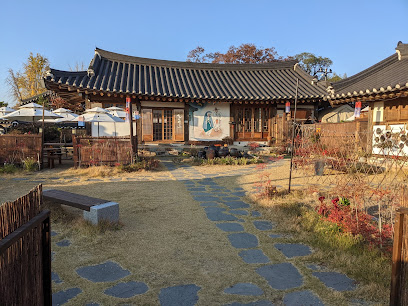
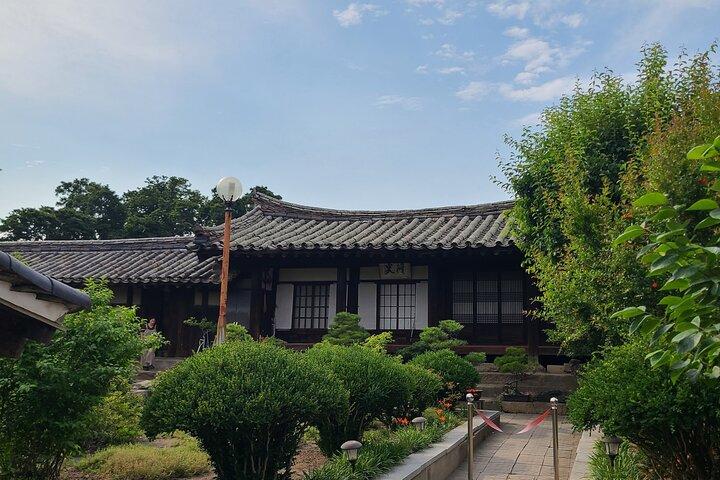
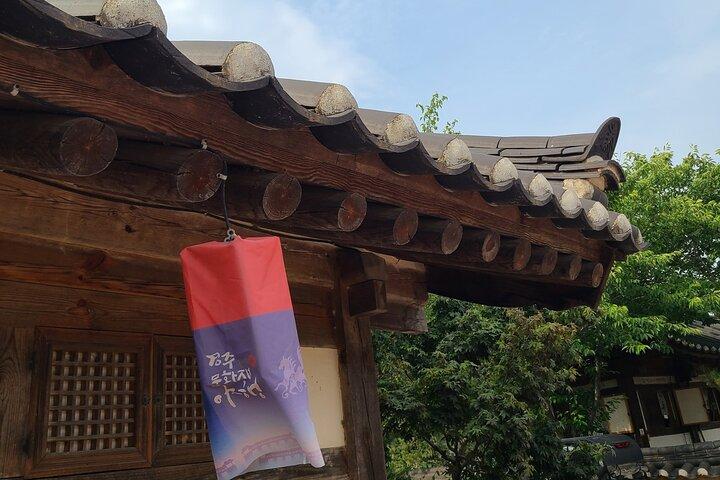
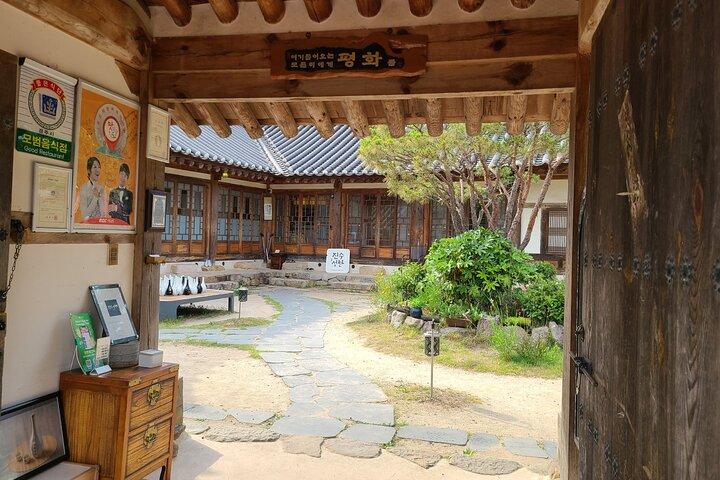
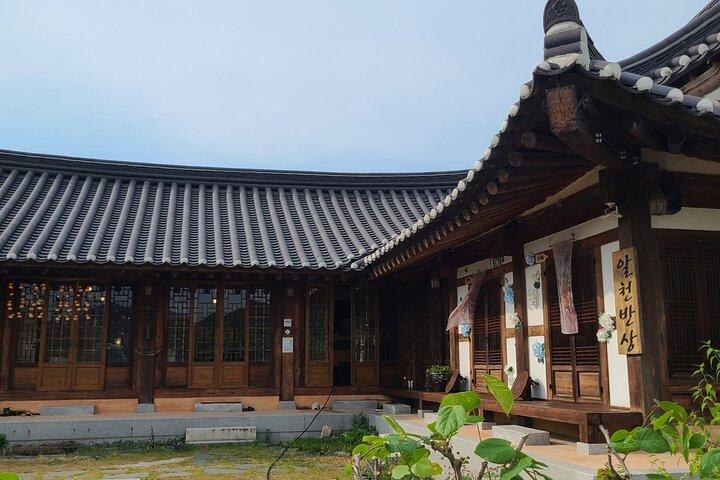
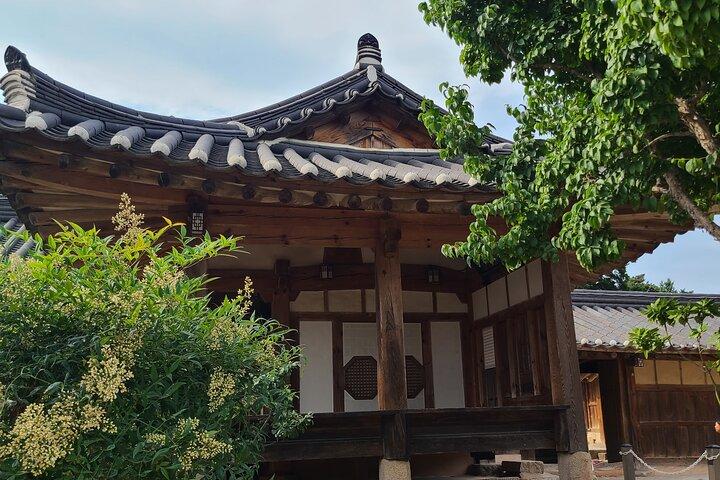
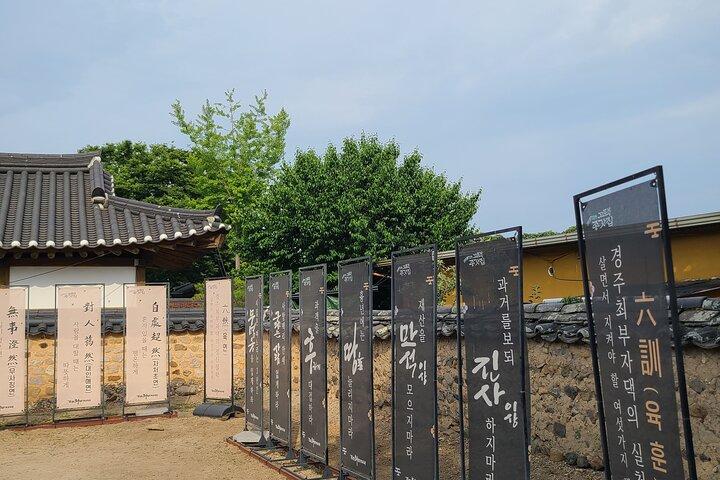
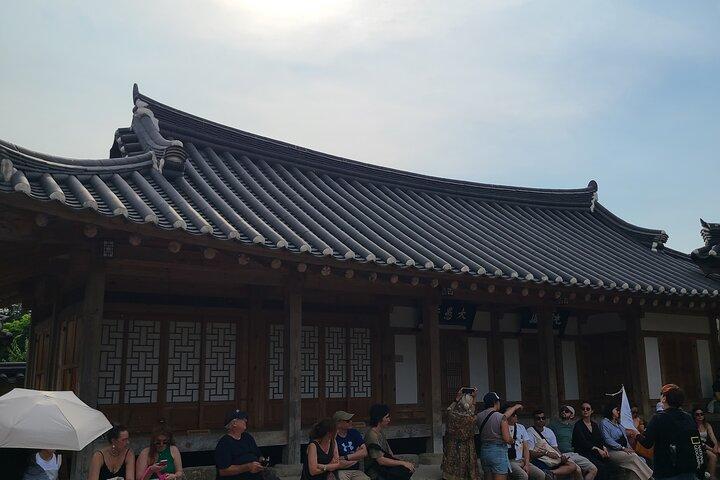
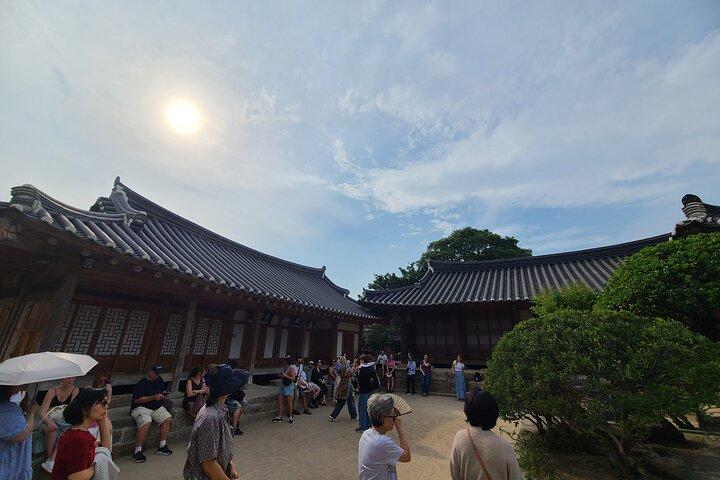
Introduction to Gyochon Hanok Village (교촌한옥마을 소개) Gyochon Hanok Village is a traditional Korean village located near Bulguksa Temple and Woljeonggyo Bridge in Gyeongju. It was once home to the Gyeongju Choi clan, a noble Confucian family, and showcases well-preserved hanok (Korean traditional houses). The village reflects the lifestyle, values, and architecture of the Joseon Dynasty era. What to See (볼거리) Traditional Hanok Houses Walk among beautifully maintained traditional houses that showcase Korea’s wooden architecture and floor-heating systems (ondol).
60 minutes
Choe Jun's House
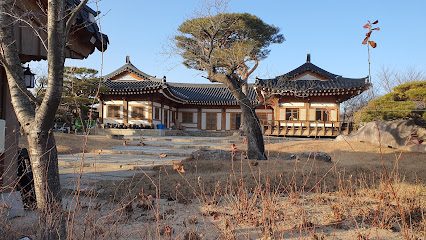
Introduction to the Gyeongju Choi Family House (경주 최부자댁 소개) The Gyeongju Choi Family House is the former residence of the Choi clan, one of Korea’s most respected noble families. For over 300 years and through 12 generations, the Choi family upheld Confucian values of humility, education, and community service. Their legacy is remembered by the phrase “Wealth that lasts over 300 years,” earned through moral leadership and philanthropy. What to See (볼거리) Main Residence and Hanok Architecture Explore the traditional hanok buildings, including the sarangchae (men’s quarters) and anchae (inner quarters), preserved in original style. Confucian Values & Family Motto Learn about the family’s guiding principles, such as helping the poor, rejecting government posts, and living with modesty. Educational Legacy The Choi family supported scholars, maintained private schools, and funded public works—without seeking fame or power.
60 minutes
Sungmundae
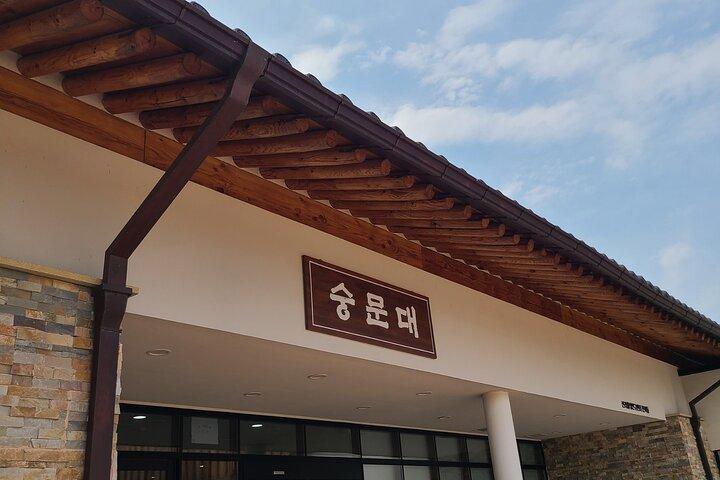
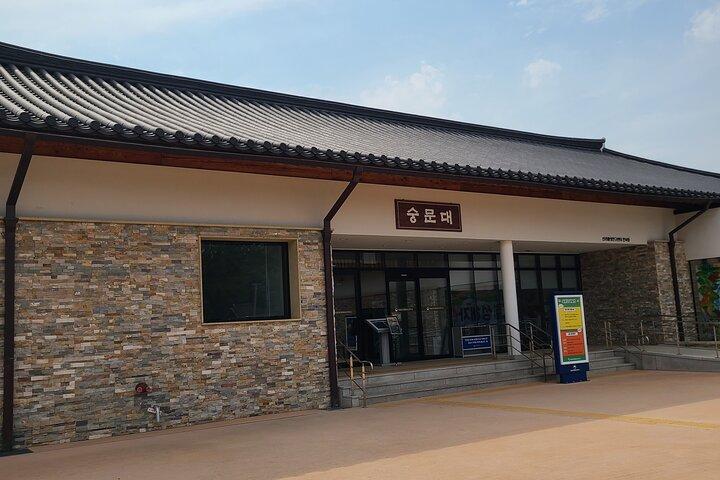
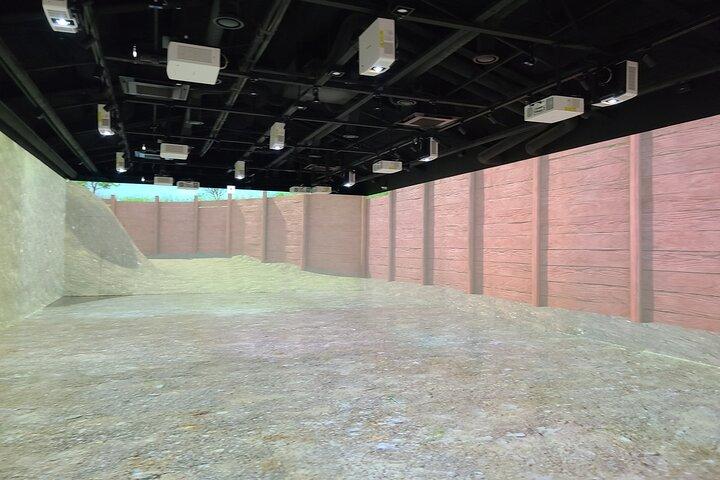
Introduction to Soongmundae (숭문대 소개) Soongmundae is a historical site in Gyeongju that once served as a private Confucian school during the Joseon Dynasty. Located near the Gyochon Hanok Village and Choi Family House, it symbolizes the deep-rooted value placed on education and moral training by Korea’s traditional upper class. The name "Soongmundae" means "platform for honoring literature." What to See (볼거리) Traditional Lecture Hall A modest wooden building where Confucian scholars studied classic texts and trained in proper conduct. Confucian Educational Tools Displays of calligraphy, books, and educational artifacts help visitors imagine how learning took place centuries ago. Quiet Garden & Stone Yard A peaceful courtyard and stone-paved yard ideal for reflection and photos.
60 minutes
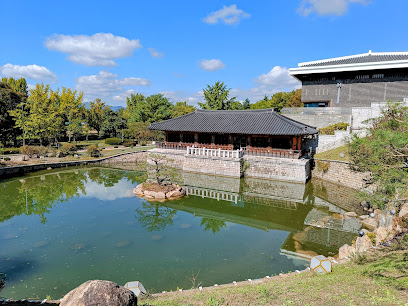
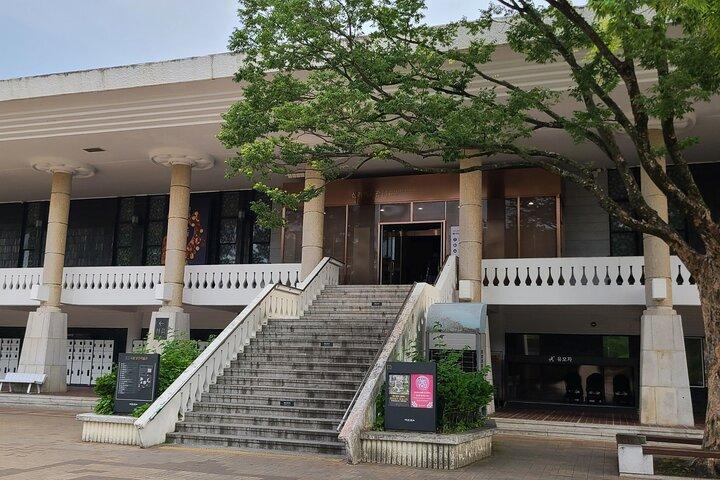
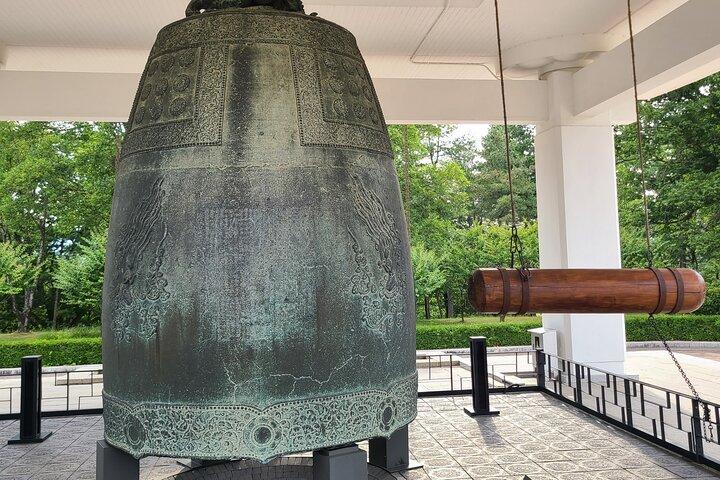
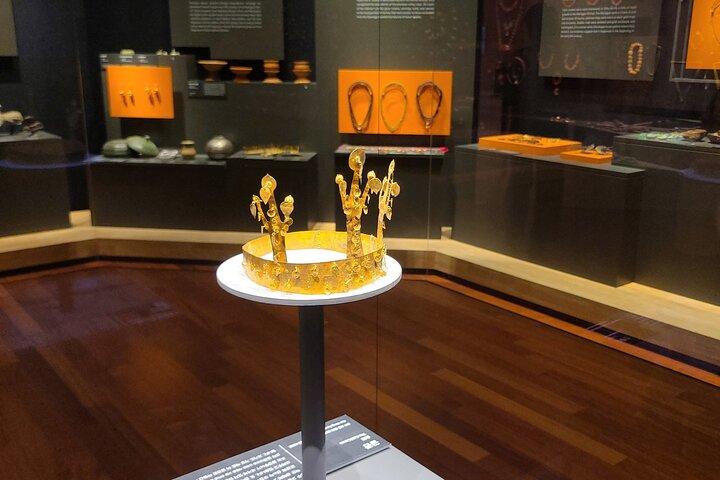
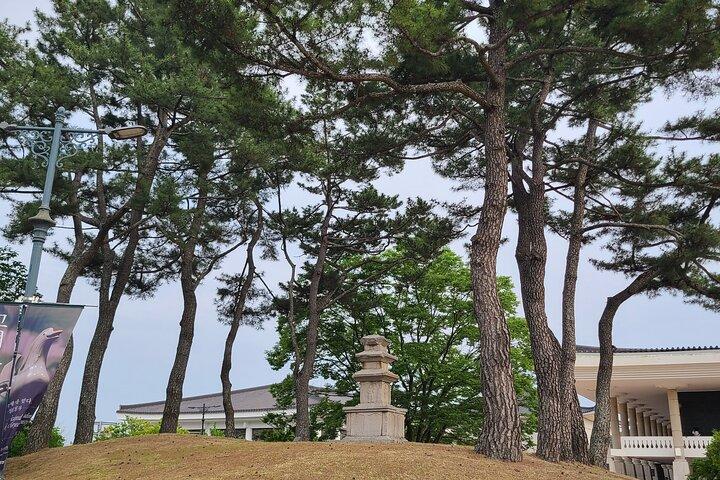
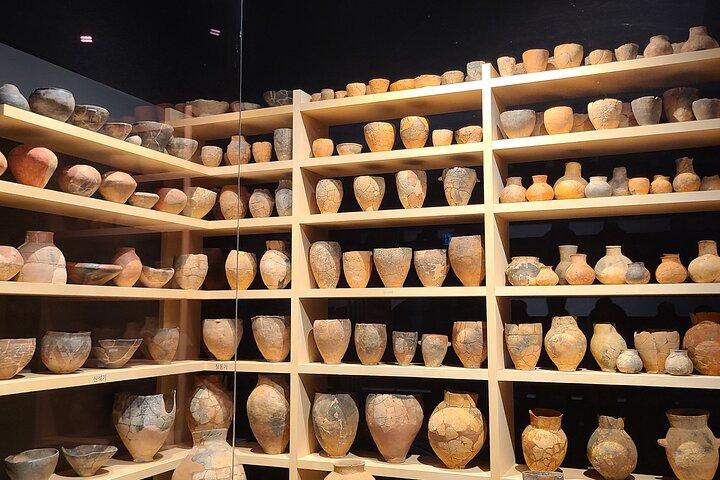
Introduction to Gyeongju National Museum (국립경주박물관 소개) The Gyeongju National Museum is the best place to explore the rich cultural heritage of the ancient Silla Kingdom. Located in the heart of Gyeongju, this museum holds thousands of relics and treasures, including royal crowns, Buddhist artifacts, and daily tools from over a thousand years ago. It offers a deep look into the life, beliefs, and craftsmanship of Korea’s golden age. What to See (볼거리) Silla Gold Crown One of the most iconic relics from the Silla Dynasty—delicate, elegant, and made of pure gold. Emille Bell (Sacred Bell of King Seongdeok) A massive bronze bell famous for its deep sound and the legend of a child’s cry within. Silla Life & Culture Gallery Exhibits of pottery, weapons, jewelry, and Buddhist art showing everyday and spiritual life. Outdoor Exhibition Garden Ancient stone pagodas, statues, and inscriptions displayed in a peaceful park setting.
120 minutes
Donggung Palace & Wolji Pond
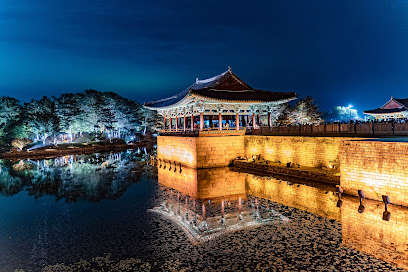
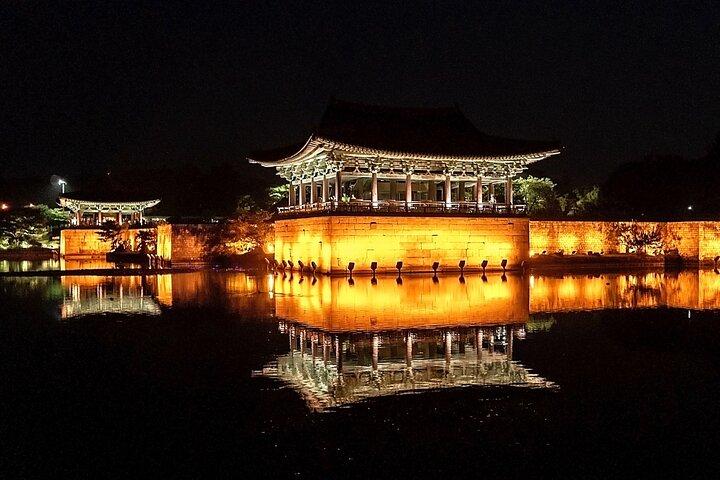
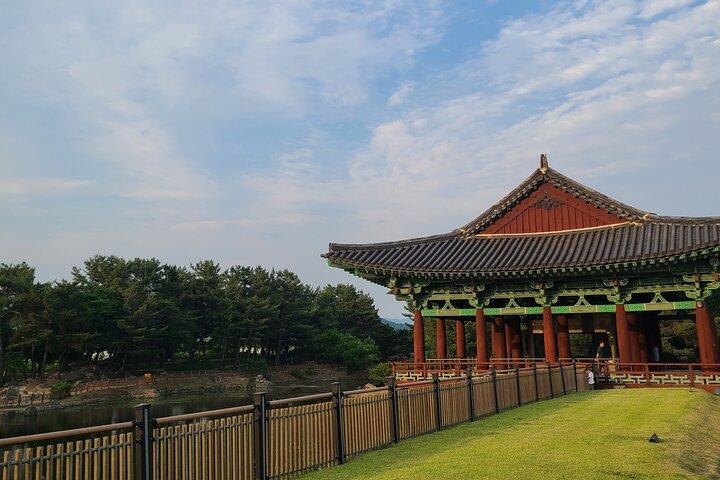
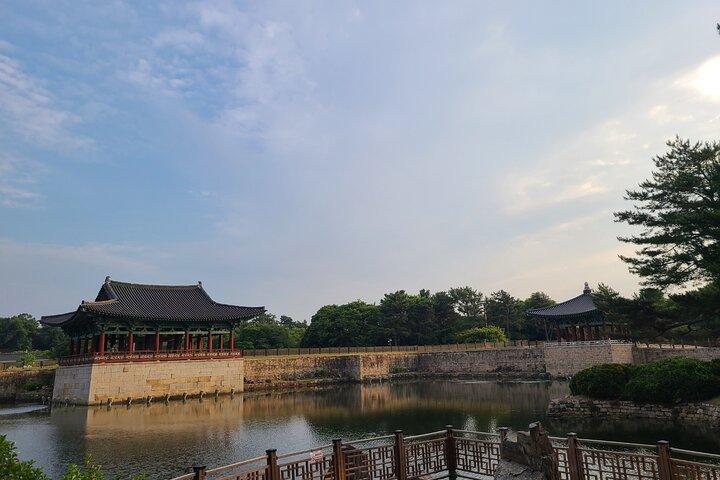
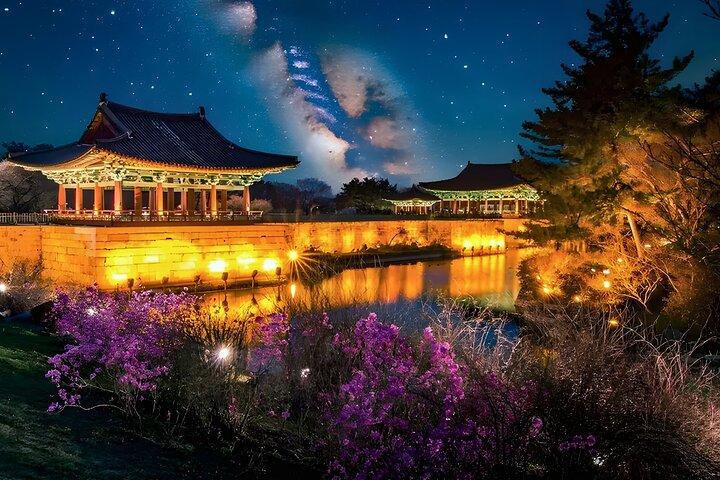
For guests who prefer not to visit the Gyeongju National Museum, Donggung Palace and Wolji Pond offer a beautiful and historically meaningful alternative. (Entry fee not include) Alternative Option: Donggung Palace & Wolji Pond (동궁과 월지) This site was once the secondary palace for the crown prince of the Silla Kingdom and a venue for royal banquets. The site is especially known for its scenic beauty, particularly in the evening when the buildings reflect off the pond. What to See (볼거리) Restored Palace Structures Some palace buildings have been reconstructed to give visitors a glimpse into royal life during the Silla period. Wolji Pond (formerly Anapji) An artificial pond surrounded by stone walls and lotus flowers, built in 674 to represent a harmonious universe.
90 minutes
Admission Not Included
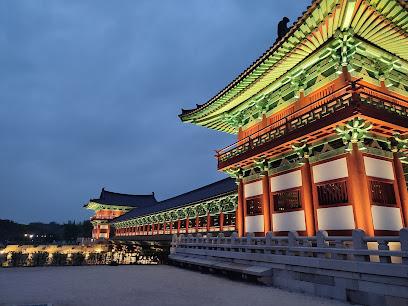
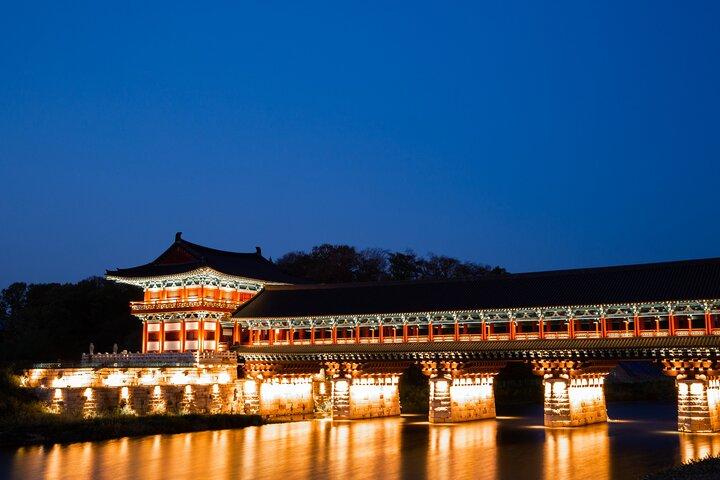
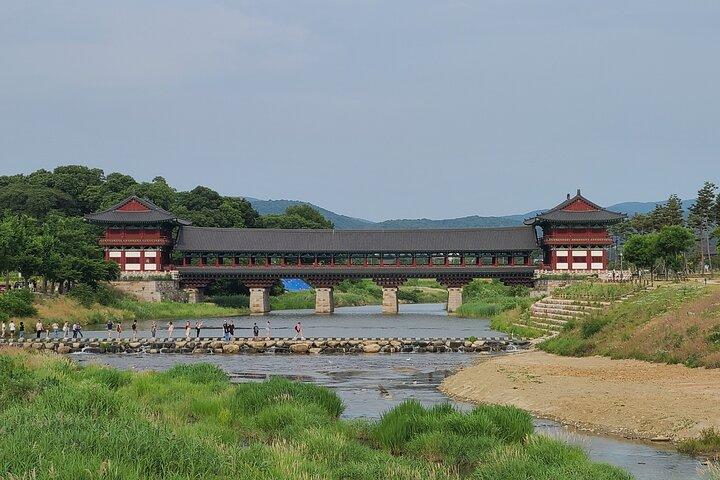
Introduction to Woljeonggyo Bridge Woljeonggyo Bridge is a stunning reconstruction of a royal bridge from the Unified Silla period. Originally built in 760, it connected the royal palace with the southern part of Gyeongju across the Namcheon Stream. The current version was rebuilt using historical records and completed in 2018. It showcases the grandeur and elegance of ancient Korean architecture. What to See (볼거리) Traditional Design The bridge features two large pavilions at each end and intricate wooden beams with traditional colors. Reflection on the Water Especially at night, the illuminated bridge reflects beautifully on the water, making it one of Gyeongju’s most popular photo spots. Exhibition Hall (Inside the Pavilion) Inside the pavilion, there are exhibitions explaining the bridge’s history, construction process, and Silla engineering techniques. Great Photo Spot Popular among both locals and tourists for its symmetry, lighting, and historical ambiance.
120 minutes
End Point
Seomyeon Subway station Exit 4 *(10:20), Guide holding 'Love Korea' picket
End Point
Busan Station Subway Exit 6 (10:00), Guide holding 'Love Korea' picket
The experience can be subject to change due to bad weather or unforseen circumstances. We always endeavour to give you the best possible experience.
Additional Information
-
 Public transportation options are available nearby
 -
Suitable for all physical fitness levels
What our experts say
-
 Try local cuisine at Gyeongju's eateries.
 -
Wear comfortable shoes for walking tours.
-
Visit the Gyeongju National Museum's outdoor garden.
-
Capture sunset photos at Woljeonggyo Bridge.
-
Explore nearby cafes for a post-tour treat.

More About this Experience
Introduction
Embark on a journey through time and heritage with the Gyeongju UNESCO Legacy Tour from Busan. Immerse yourself in the rich history of the Silla Kingdom as you explore ancient temples, traditional villages, and picturesque landscapes. This full-day trip promises to be a cultural feast for the senses, offering a perfect blend of iconic sites and local charm.What to expect?
Guests can anticipate a day filled with awe-inspiring sights and immersive experiences. From wandering through a 400-year-old bamboo forest to marveling at UNESCO treasures like Bulguksa Temple, every moment promises to be a unique adventure. The tour also includes visits to traditional hanok villages, historical landmarks, and a chance to capture the stunning night view of Woljeonggyo Bridge.Who is this for?
This tour is perfect for history enthusiasts, culture seekers, and nature lovers alike. Whether you're a solo traveler looking to uncover Korea's hidden gems or a group of friends eager to explore together, this experience caters to anyone with a passion for discovery and adventure. From young explorers to seasoned travelers, this tour offers something for everyone.Why book this?
Step into the past and witness the beauty of Korea's cultural heritage come to life on this immersive tour. With a local expert guide leading the way, you'll gain insights into the country's soul and history like never before. From seamless transportation to inclusive entrance fees, this tour takes care of all the details, allowing you to focus on creating lasting memories and unforgettable experiences.Good to know
As you prepare for this tour, remember to bring your camera to capture the beauty of Gyeongju's ancient wonders. Don't forget to wear comfortable shoes for exploring and be ready to indulge in local cuisine during lunchtime (not included). With a well-rounded itinerary and expert guidance, this tour ensures a hassle-free and enriching experience for all participants.Reviews
Travelers who have embarked on the Gyeongju UNESCO Legacy Tour rave about the seamless organization, informative guides, and unforgettable experiences. Many highlight the perfect balance of iconic sites and local culture, making it a must-do day trip from Busan. From the breathtaking night view of Woljeonggyo Bridge to the historic treasures of Bulguksa Temple, this tour leaves a lasting impression on all who partake.


This is a popular product and the date you are looking for just sold out. Next available date is
