


Gwangju City Tour : Where old meets new (private)
 Dong-gu, KR
 100% of travellers recommend this
Highlights
- Explore the vibrant history of Gwangju
- Experience the creative art culture of the city
- Taste the magic touch of local cuisine
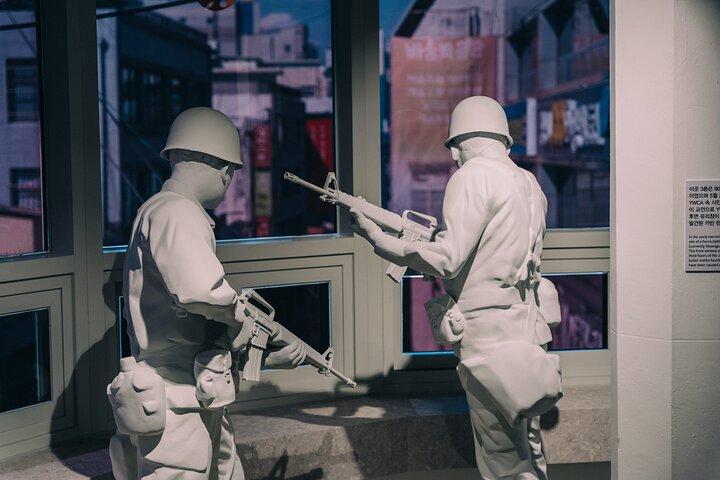
- Learn about the May 18 Democratic Uprising
- Get a new perspective of Gwangju
-
Duration 8 hours
-
Private transportation included
-
Expert English guide
-
Coffee or tea included
-
All fees and taxes included
-
Suitable for all fitness levels
Embark on a journey through the vibrant history and culture of Gwangju City with the Gwangju City Full Day Small Group Tour. Immerse yourself in the spirit of the May 18 Democratic Uprising as you explore the city's landmarks and taste the local cuisine. From the Gwangju Biennale to the Asia Culture Center, experience the creativity and resilience of the Gwangju citizens. Let the magic of Gwangju captivate you as you listen to the stories of the past and witness the beauty of the present. With private transportation and all fees included, all you need to do is sit back, relax, and enjoy the wonders of Gwangju.
At a Glance
-
 Free cancellation
-
 8 hours
-
 Instant Confirmation
-
 Available in English
-
 Mobile voucher
-
 Small Group tour
-
 Guided
-
 Family friendly

Featured Reviews

Explore Gwangju's rich history and vibrant art scene with a private 8-hour city tour, including local cuisine and cultural insights.
Included
-
 Private transportationPrivate transportation
 -
OtherAll Fees and Taxes
-
OtherCoffee or Tea in a Cafe
-
OtherLift and Monorail Rides
Excluded
-
 LunchLunch
 -
OtherPersonal Travel Insurance
Pickup
Check if pick-up is available from your location, you will select during checkout (providers may allow other pickup locations)

What to expect
5.18 Democracy Square
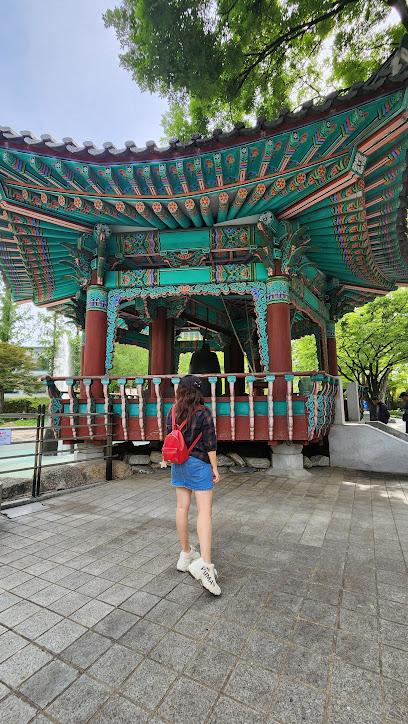
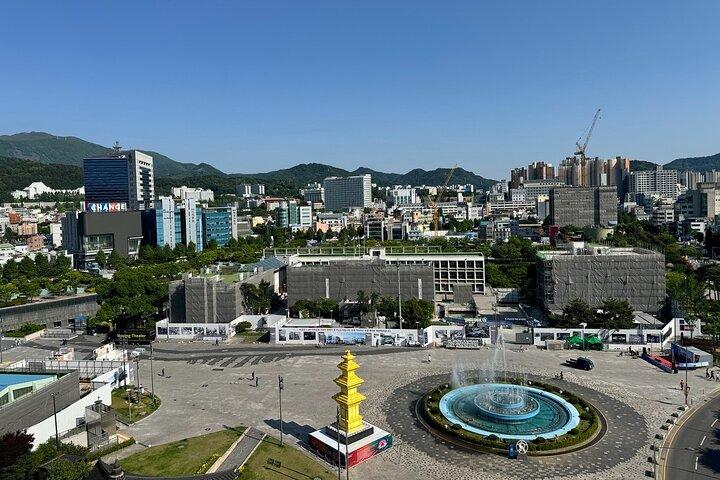
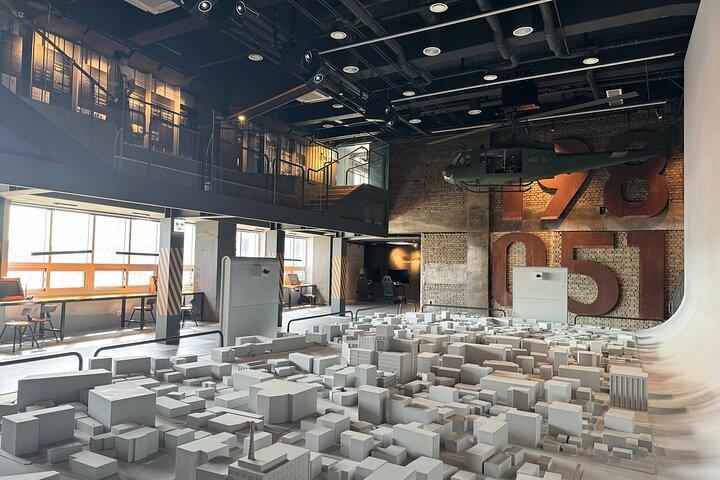
Let’s begin our journey at May 18 Democracy Square, the heart of Gwangju, both in meaning and in daily life. Back in May 1980, this plaza was the final stronghold for citizens who bravely stood together against military dictatorship, making it a landmark of Korea’s modern democracy. Today, it’s a lively gathering spot where young people, locals, and visitors come to reflect, learn, and experience cultural life. From memorial ceremonies to festivals and educational events, May 18 Democracy Square is more than just a place of past pain—it continues to live on as a space where the May Spirit is remembered, practiced, and carried forward by the people of Gwangju.
20 minutes
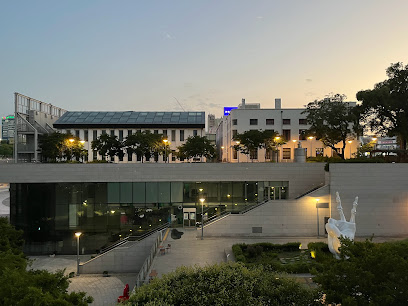
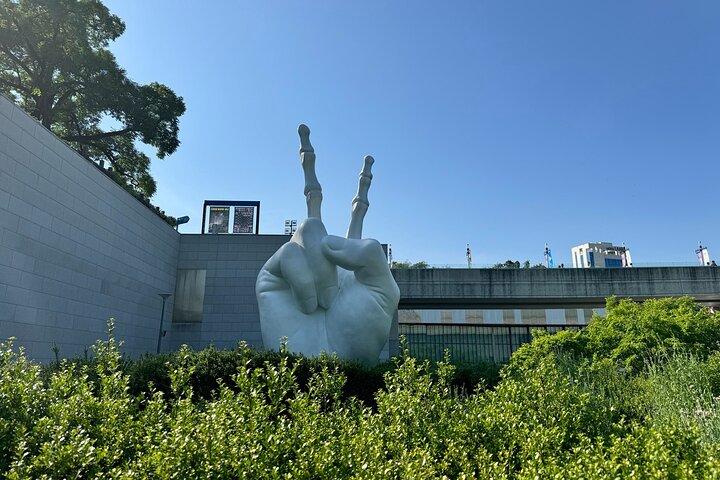
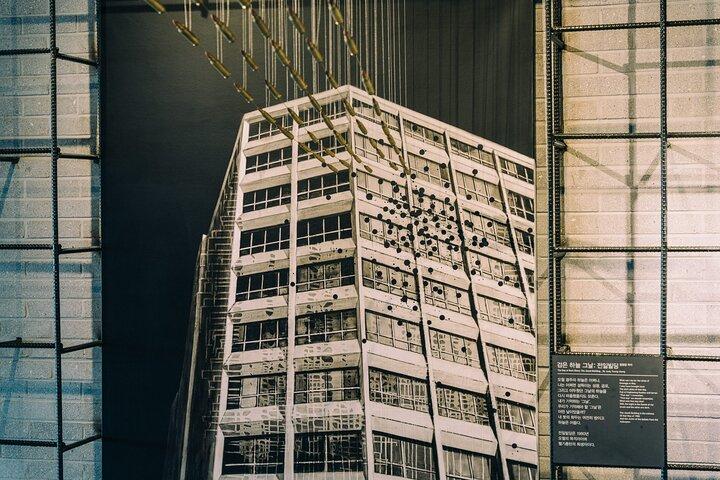
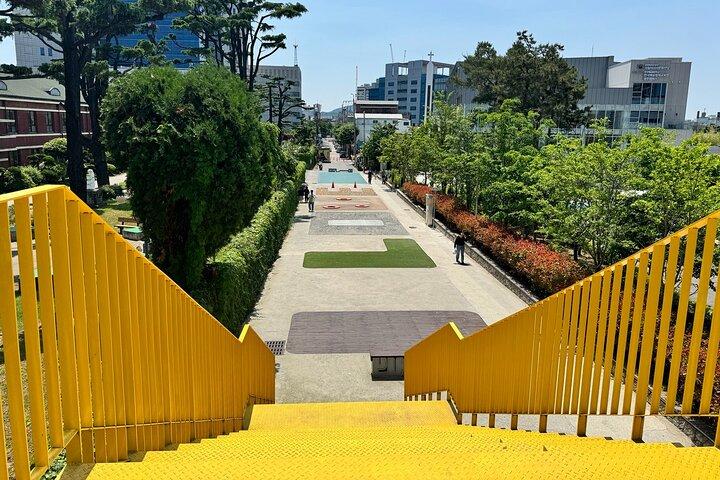
Right next to May 18 Democracy Square, you’ll find the Asia Culture Center, or ACC. This is one of the largest cultural complexes in Asia, built on the very site of the May 18 Democratic Uprising. The center honors the spirit of democracy while serving as a hub for art and cultural exchange across Asia. Inside, visitors can enjoy exhibitions, performances, and hands-on programs that change throughout the year. When a recommended exhibition is available, we’ll explore it together as part of the tour. There’s even a modern library and a spacious park, making it a welcoming place for culture lovers and anyone seeking a relaxing visit. Many young people and families come here to hang out, learn, and experience something new.
30 minutes
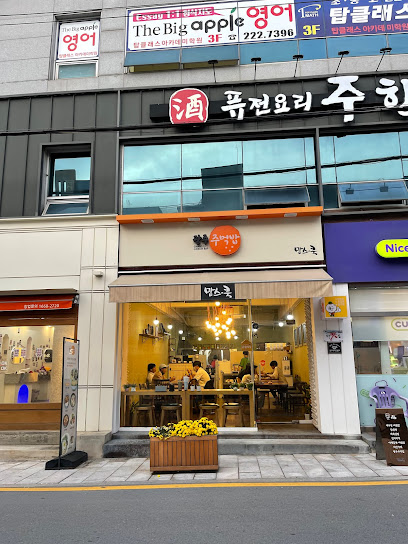
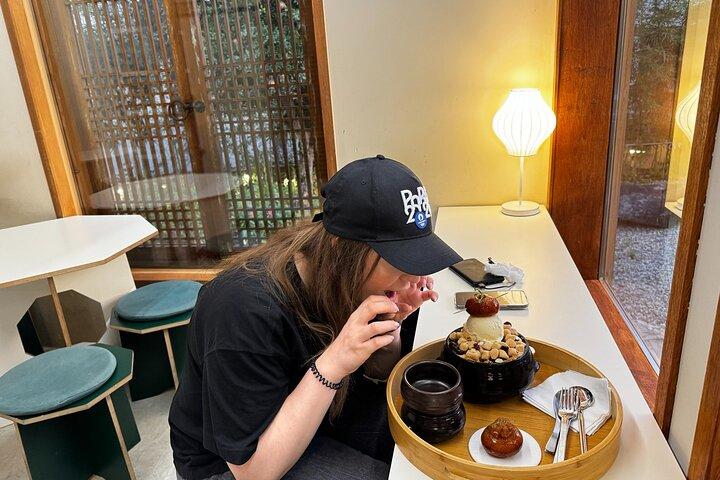
This neighborhood was once considered the most prestigious area in Gwangju. Later, as people moved into modern apartment complexes, the streets here grew quieter. But in recent years, Dongmyeong-dong has come back to life. Old houses have been transformed not only into cafés, but also into restaurants and cultural spaces, and with the opening of the Asia Culture Center in 2015, it became especially popular with the younger generation. Today, it’s one of the liveliest spots in the city—you can enjoy unique cafés, try delicious local restaurants, explore creative venues, and even find special Gwangju souvenirs to take home.
20 minutes
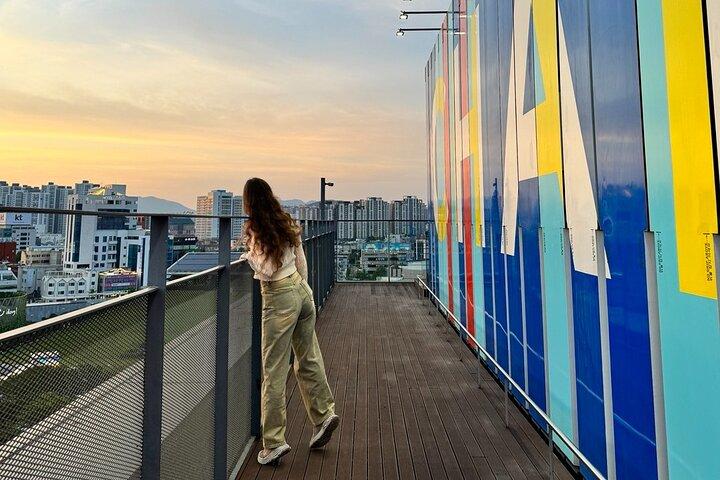
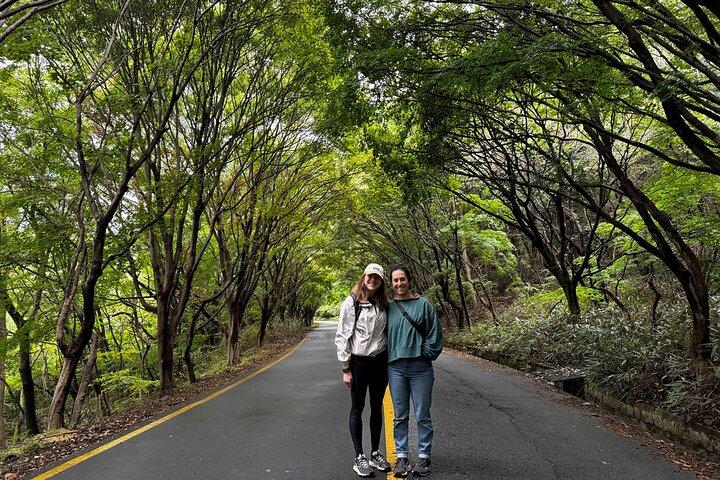
Opened in 1978, Jisan Amusement Park was once Gwangju’s largest leisure complex, created as a place for families to relax and enjoy nature. One of its highlights is the old lift that takes you through the forest—on the way down, you’re treated to stunning views of the city below. Even more unique is the monorail. Sitting 350 meters above sea level, it’s the only one of its kind in Korea. From here, you can see all of Gwangju spread out below, along with the magnificent peak of Mudeungsan, a UNESCO Global Geopark. After years of decline and closure, the park was revived in 2016, so when you ride them today, you can enjoy a nostalgic, retro-style journey that takes you back in time.
150 minutes
 Admission Included
Gwangju
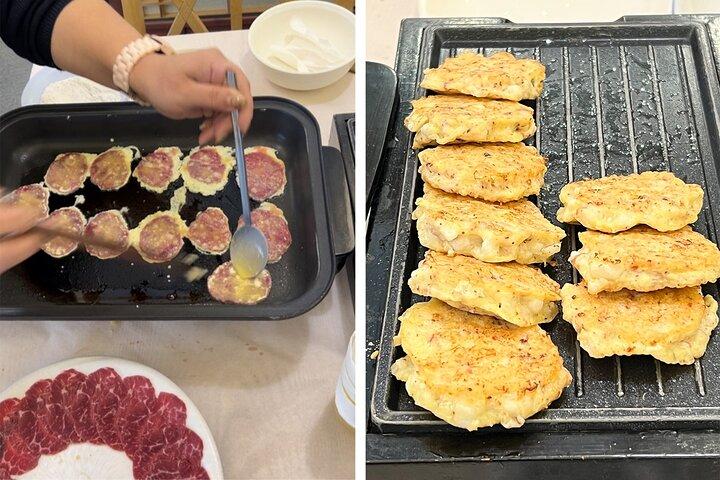
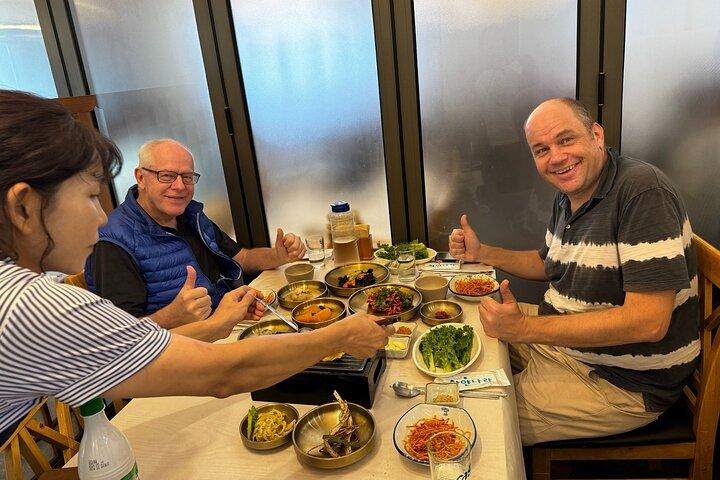
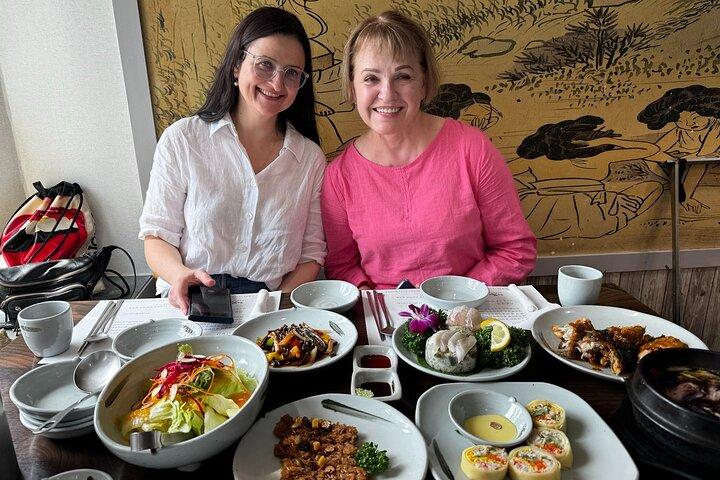
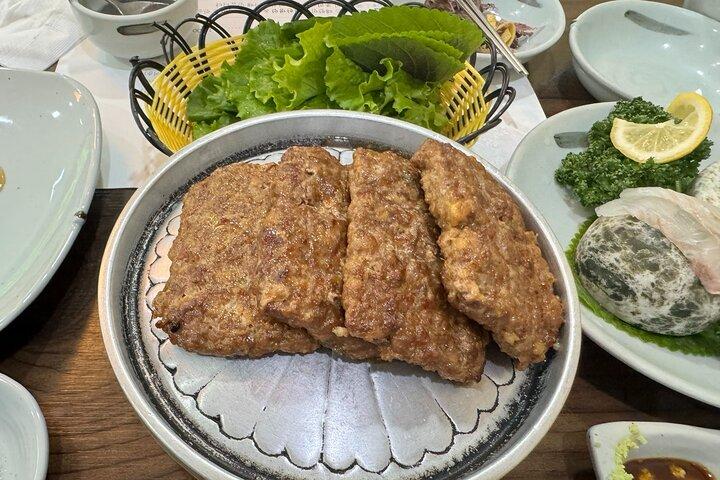
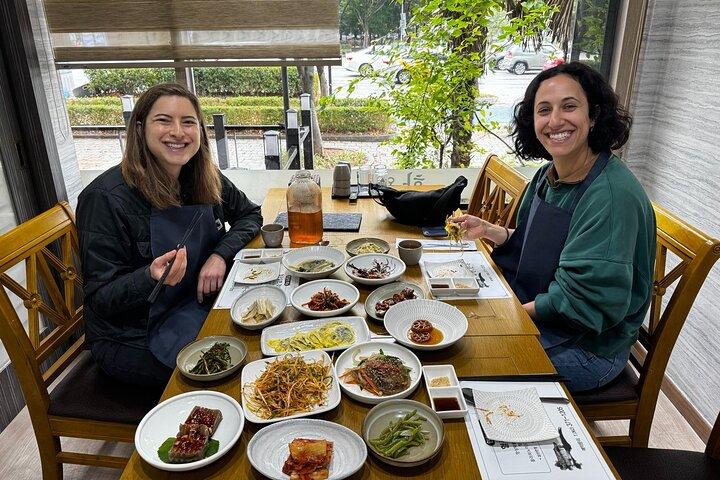
< Lunch Time > Gwangju is famous for its delicious food and generous portions. We’ve carefully selected popular dishes loved by locals. Choose your favorite and pay on the spot for an authentic taste of the city. 1. Yukjeon: thin slices of tender beef pancake, cooked right at the table 2. Tteok-galbi: grilled short rib patties with regional side dishes, prepared by a master chef. 3. Classic Hanjeongsik: traditional Korean set meal featuring a variety of Namdo (Southern Korea) dishes, including fish, meat, and seasonal vegetables. 4. Local Hanjeongsik: a table full of Korean dishes made with regional ingredients. (vegetarian) 5. Jeon Platter & Japchae: assorted Korean pancakes & stir-fried glass noodles with acorn jelly (vegetarian) 6. Fresh bread and pastries with drinks, at Gwangju’s iconic bakery (vegetarian) 7. Seasonal fruit sandwich with coffee or freshly squeezed juice (vegetarian) Lunch choices range from 12,000 to 38,000 KRW, depending on your choice.
70 minutes
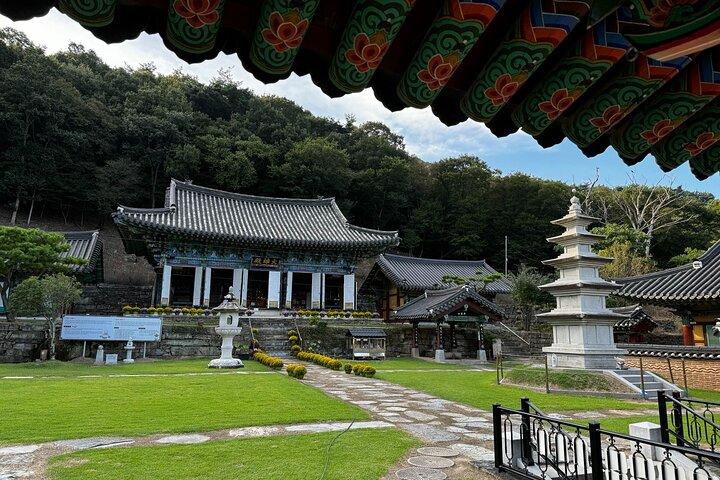
< Chasaengwon tea house > Hankook Tea Co., established in 1951, was Korea’s first commercial tea company and the first to produce matcha(powdered tea) and yellow tea. For their dedication to preserving traditional Korean teas, they have been honored as a “Traditional Food Master” by the Ministry of Agriculture, Food and Rural Affairs. Since 1965, they have operated a tea factory here in Gwangju, with green tea fields spread across three regions in Jeollanam-do. Right next to the factory is Chasaengwon, a tea cultural space where visitors can taste Hankook Tea’s products with the guidance of a tea expert, and explore traditional tea ceramics. During our visit, we’ll have the chance to taste both matcha and yellow tea, experiencing the flavors of Korea firsthand.
70 minutes
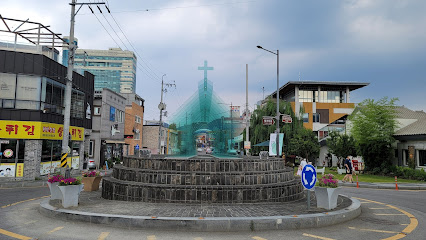
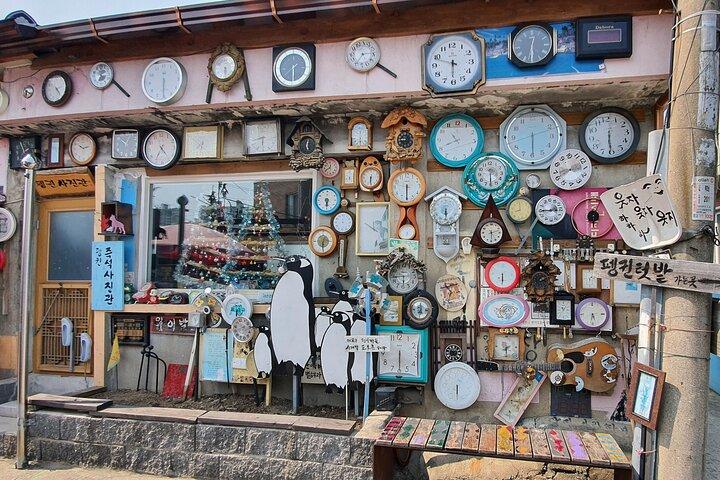
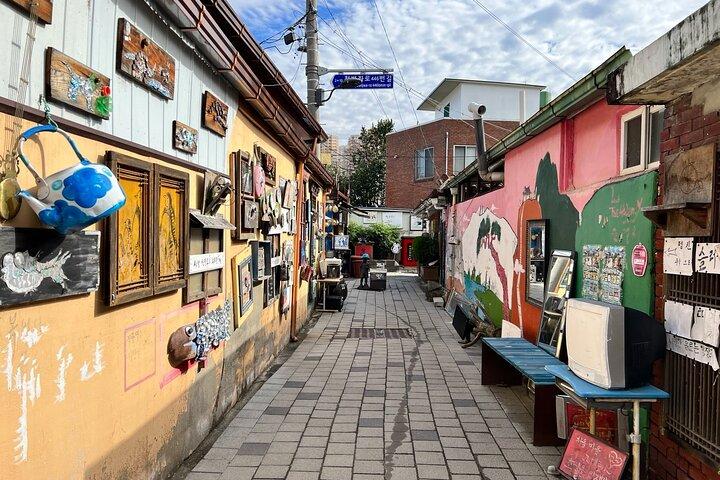
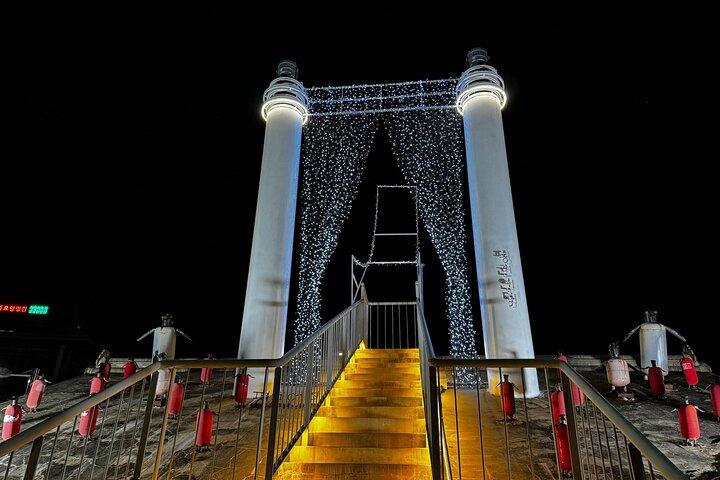
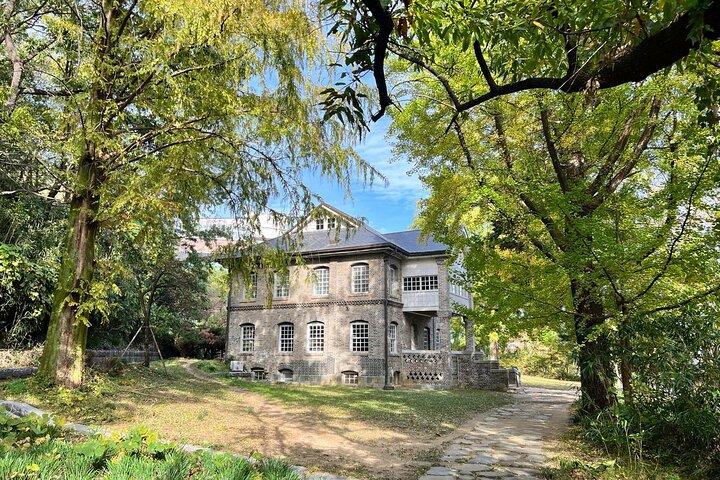
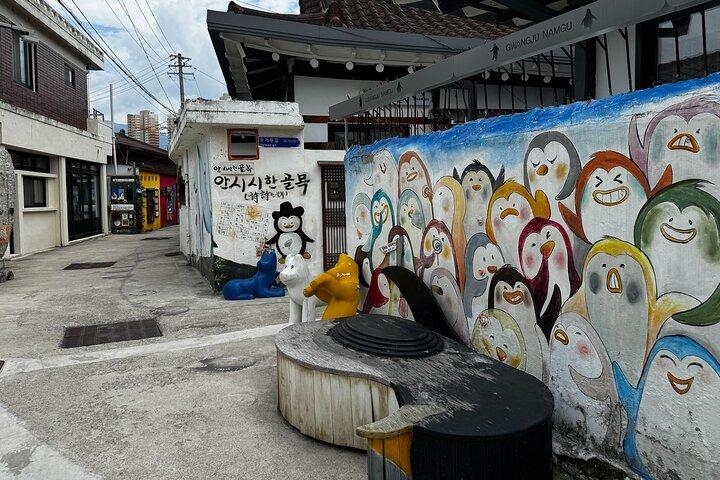
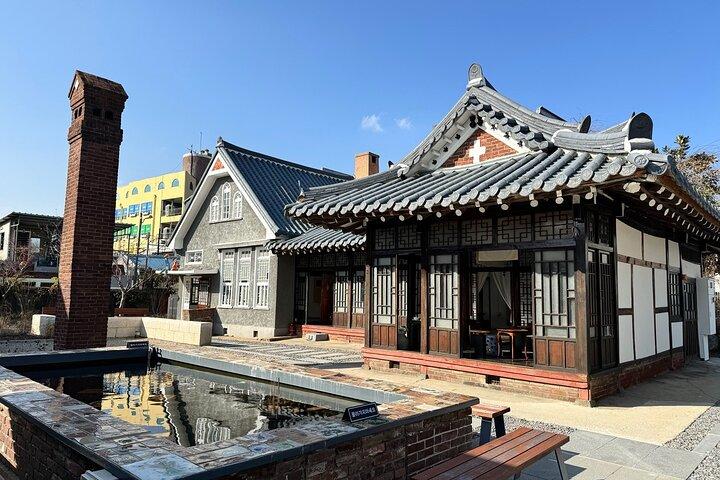
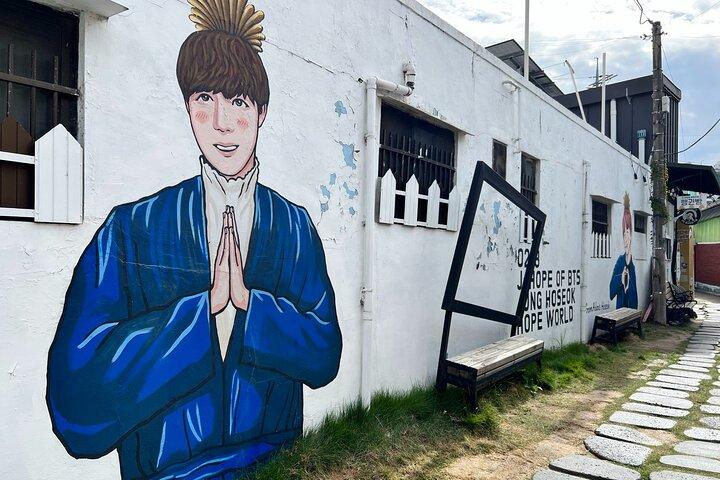
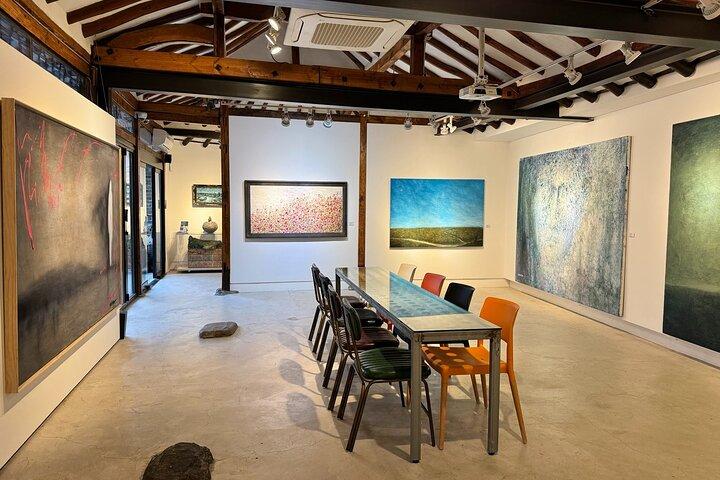
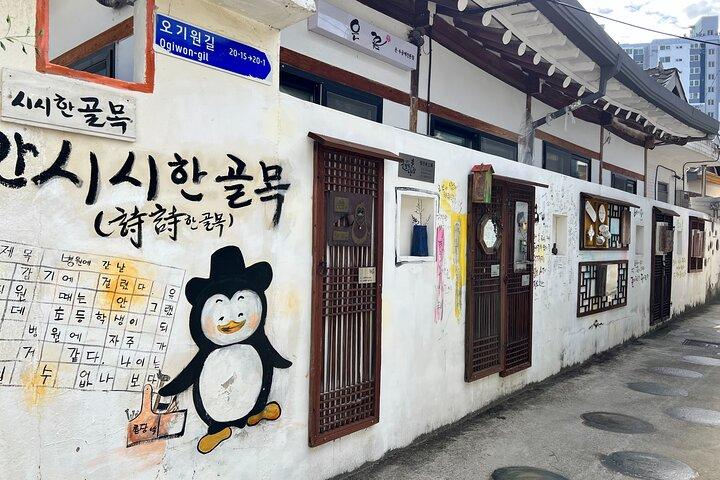
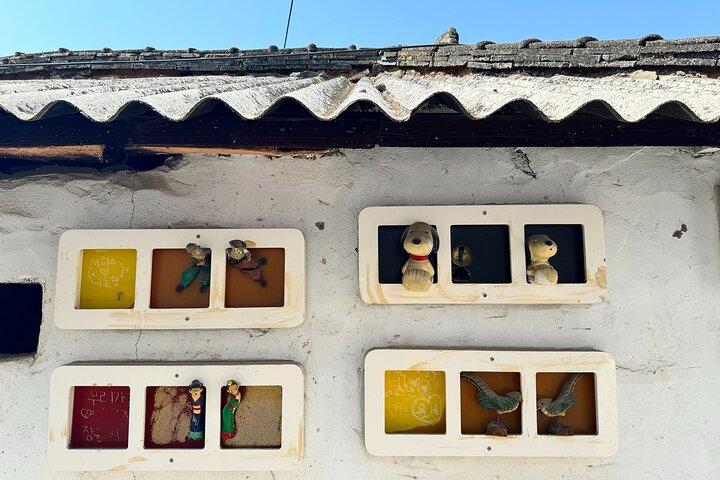
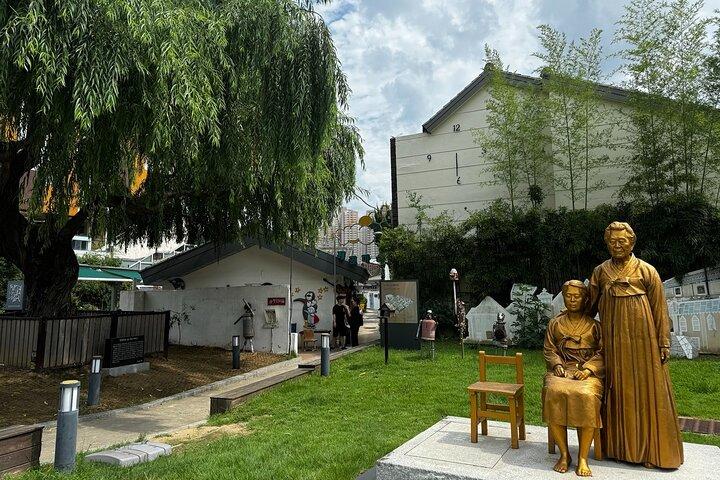
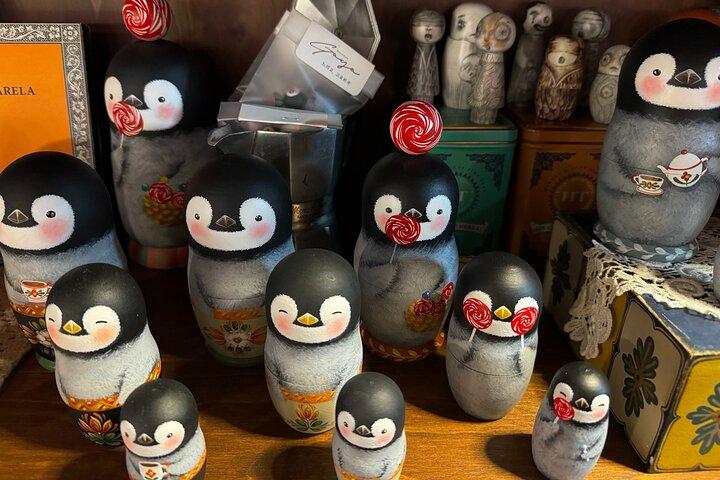
Yangnim-dong is a neighborhood where history, art, and architecture come together. In the early 20th century, missionaries from the Southern Presbyterian Church in the USA settled here to spread Christianity and played a key role in advancing medicine and education in Gwangju. Their influence is still visible in the village today, with Gwangju’s oldest church and traces of the many missionaries who worked tirelessly in the city. During our visit, we will stop by the small gallery of Han Hee-won, a local artist who grew up here, and explore Penguin Village. We’ll walk through narrow alleys where villagers began decorating walls with abandoned items from the past, transforming the neighborhood into an outdoor exhibition space. Today, this area is recognized as part of Yangnim-dong Modern History and Culture Village, featuring murals, antique collections, and a lively art scene—all created by the local community itself, long before commercial interests arrived.
60 minutes
Our final stop is NH Hanaro Mart, a large local food supermarket. Here, you can shop for authentic ingredients for Korean cooking, as well as souvenirs like snacks, coffee, and tea. Your local guide will be there to give expert advice, especially when choosing cosmetics, helping you find the best items and navigate the market. Shopping here is not just practical—it’s a fun and informative part of your tour experience. If you prefer not to shop at a supermarket, you can choose to visit a traditional "Yangdong Market" instead.
60 minutes
Yangdong Market
You have the option to shop at a local supermarket or enjoy the lively atmosphere of Yangdong Market. The largest traditional market in Gwangju and Jeollanam-do, Yangdong Market is where locals do their real shopping for fresh produce, seafood, and daily goods, giving visitors an authentic taste of everyday life. With over 100 years of history, it has witnessed key events, from independence movements during the Japanese occupation to supporting citizens during the May 18 Democratic Uprising. Food lovers shouldn’t miss fermented skate (hong-eo), a regional specialty. Its strong, tangy flavor may surprise first-timers, but many locals say they can’t live without it. Yangdong Market is also ideal for exploring a wide variety of local foods, from traditional side dishes to street snacks.
60 minutes
The experience can be subject to change due to bad weather or unforseen circumstances. We always endeavour to give you the best possible experience.
Additional Information
-
 Infants and small children can ride in a pram or stroller
 -
Not recommended for travelers with poor cardiovascular health
-
Public transportation options are available nearby
-
Service animals allowed
-
Suitable for all physical fitness levels
What our experts say
-
 Try Gwangju Yukjeon for lunch!
 -
Visit Bium Museum for local history.
-
Check out Dongmyeong-dong Cafe Street.
-
Don't miss the Asia Culture Center events.
-
Bring a camera for stunning views!

More About this Experience
Introduction
Explore the vibrant history and culture of Gwangju Metropolitan City on the Gwangju City Full Day Small Group Tour. Immerse yourself in the rich heritage of this "City of Light" and discover the significance of the May 18 Democratic Uprising that shaped Korea's democracy. From art and culture to delicious local cuisine, this tour offers a unique insight into the heart of Gwangju.What to expect?
On this tour, expect to delve into the history of the May 18 Democratic Uprising, experience the spirit of solidarity among Gwangju citizens, and explore the creative art scene at the Gwangju Biennale and Asia Culture Center. Enjoy a taste of local cuisine, sip on coffee or tea in a charming cafe, and gain a new perspective on Gwangju's cultural significance.Who is this for?
This tour is ideal for history enthusiasts, art lovers, and foodies alike. Whether you're interested in learning about Korea's democracy movement, exploring contemporary art galleries, or indulging in authentic local dishes, this tour caters to a diverse range of interests. It's perfect for travelers looking to uncover the hidden gems of Gwangju.Why book this?
Embark on the Gwangju City Full Day Small Group Tour for a unique and immersive experience that combines history, art, and culinary delights. Discover the soul of Gwangju through the eyes of a local guide who will share captivating stories and insights. From the poignant May 18 Democratic Uprising to the vibrant cultural scene, this tour promises a memorable journey through the heart of Gwangju.Good to know
During the tour, you'll enjoy coffee or tea at a cozy cafe, explore the city in private transportation, and have all fees and taxes included for a hassle-free experience. Be sure to wear comfortable shoes for walking through the city's historic streets and come with an open mind to soak in the essence of Gwangju's culture.Reviews
Travelers who have taken the Gwangju City Full Day Small Group Tour rave about the insightful storytelling of the guide, the immersive experiences at the Gwangju Biennale and Asia Culture Center, and the delicious local cuisine sampled along the way. Many guests appreciate the opportunity to gain a deeper understanding of Gwangju's history and culture, making this tour a must-do for anyone visiting the city.
Your all‑in‑one travel companion app
Explore expert travel guides, compare and book tours, experiences, hotels, and more—all from the palm of your hand. Download now for seamless trip planning wherever your wanderlust takes you.


This is a popular product and the date you are looking for just sold out. Next available date is
