


240 Years in the Making: A Self-Guided Manhattan Walking Tour
 New York, US

Highlights
- Discover Upper Manhattan's rich historical tapestry
- Explore the stunning Met Cloisters and gardens
- Marvel at the iconic George Washington Bridge
- Stand at the inspiring Little Red Lighthouse
- Experience the vibrant culture of Washington Heights
-
Self-guided audio tour
-
Duration 1-2.5 hours
-
Offline access to audio
-
Lifetime access to tour
-
Explore at your own pace
-
Mobile app for Android/iOS
They embark on a captivating journey through time with the self-guided Manhattan Walking Tour, exploring 240 years of Upper Manhattan's rich history. From the resilient Dyckman Farmhouse, rebuilt after the flames of war, to the enchanting Met Cloisters, crafted from ancient European stone, travelers discover the stories that shaped this vibrant neighborhood. They will walk where courageous figures like Margaret Corbin fought for freedom, and witness the stunning George Washington Bridge, hailed as the world's most beautiful. The tour culminates at the charming Little Red Lighthouse, a beacon of hope saved by community spirit. With flexible pacing and offline access, explorers can dive deep into the layers of Manhattan's past, all while enjoying breathtaking views of the Hudson River and the enchanting Fort Tryon Park. This unique experience promises unforgettable memories and a profound connection to the heart of New York City.
At a Glance
-
 Free cancellation
-
 1 hours
-
 Instant Confirmation
-
 Available in English
-
 Mobile voucher
-
 Private Tour
-
 Audio guide
-
 Family friendly

Discover the rich history of Upper Manhattan on a self-guided walking tour, exploring landmarks and stories that shaped New York City.
Included
-
 OtherDirections to the starting point so that when you're in the right place, the tour will start
 -
OtherFlexibility and privacy to explore at your own pace with a self-guided GPS tour
-
OtherLifetime access to this tour in English before your booking date and after it
-
OtherOffline access to audio, maps, and geodata
-
OtherApp for Android and iOS
-
OtherFinally, a historical experience to remember...
Excluded
-
 OtherSmartphone and headphones
 -
OtherPersonal expenses for admission fees not included during the tour
-
OtherAn in-person guide
-
OtherTransportation
-
OtherFood and drink
Meeting Point
The tour begins at the Dyckman Farmhouse Museum, in Upper Manhattan in New York City. Before arrival, please install the mobile app and use the code provided on your confirmation ticket. Detailed starting point instructions are available after downloading.

4881 Broadway @, W 204th St, New York, NY 10034 , United States

End Point
Fort Washington Park

Fort Washington Park, Hudson River Greenway, New York, NY 10032 , United States
What to expect
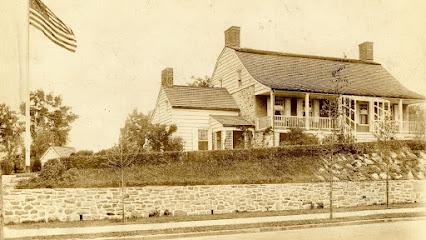
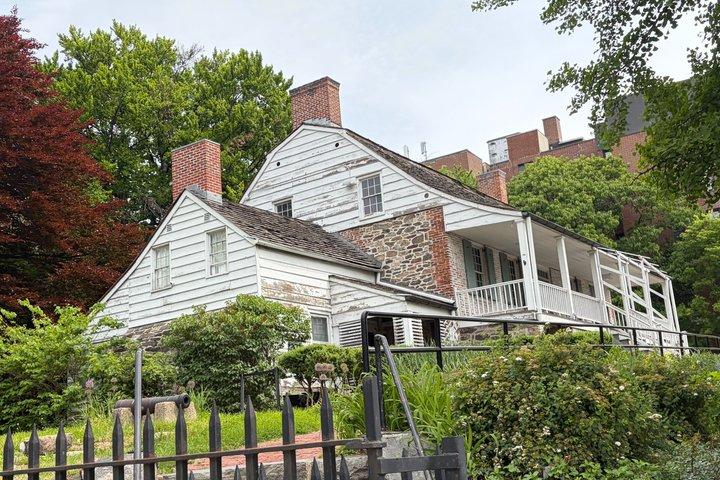
The Dyckman Farmhouse, built around 1784, is the last Dutch Colonial farmhouse left on Manhattan Island, but it wasn't the family's first home here. Jan Dyckman arrived from Westphalia in the mid-1600s and helped settle land the Lenape had lived on for millennia, in a place they called Shorakapok, or the sitting-down place. By 1775, the Dyckmans held 250 acres feeding New York City with livestock, cider, and grain. But the farm's high ground made it a Revolutionary War target: British and Hessian troops tore down the original buildings for firewood and hut timber. William Dyckman returned to find the orchards burned and the fields trenched, and rebuilt the gambrel-roofed farmhouse you see today as an act of resilience. That resilience had a darker foundation, too: enslaved men and women cleared this land and tended its orchards, a legacy as much a part of this ground as the Dyckmans' own.
Fort Tryon Park
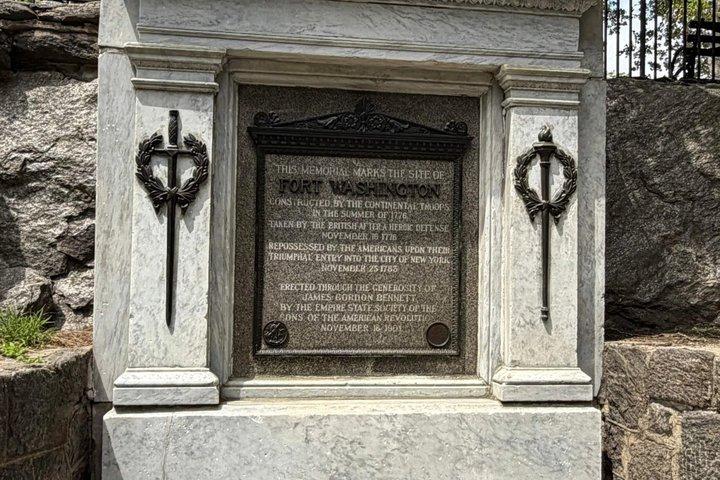
Fort Tryon Park is a 67-acre gift from John D. Rockefeller Jr., handed to the city in 1935 and shaped by Frederick Law Olmsted Jr., son of the man who designed Central Park. He built it to feel both wild and elegant: rugged cliffs and sweeping river views threaded with intimate, winding garden paths. The park's name comes from Fort Tryon, the British fort named for William Tryon, the last royal governor of colonial New York. But don't let the tranquility fool you. In 1776, these heights were a smoke-filled battleground: outnumbered Continental soldiers made a desperate last stand here at the Battle of Fort Washington, holding the final American position on Manhattan against British and Hessian troops. Among them was Margaret Corbin, who kept firing her husband's cannon after he fell and became the first woman in U.S. history to receive a military pension.
15 minutes
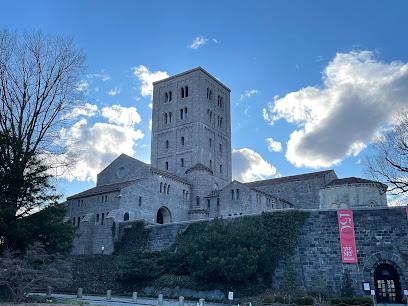
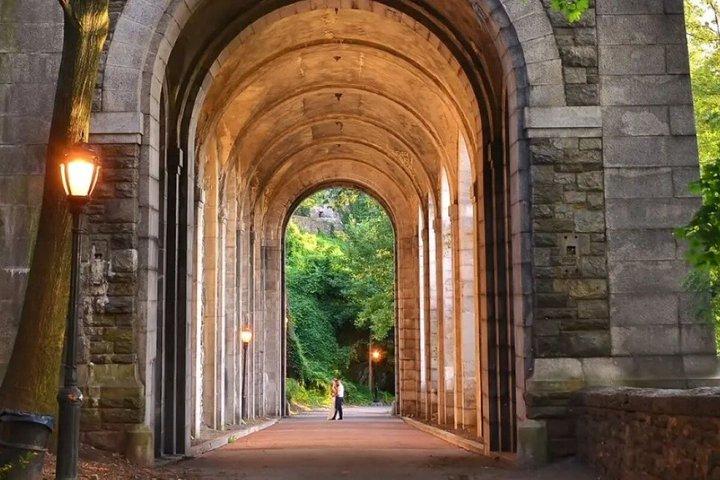
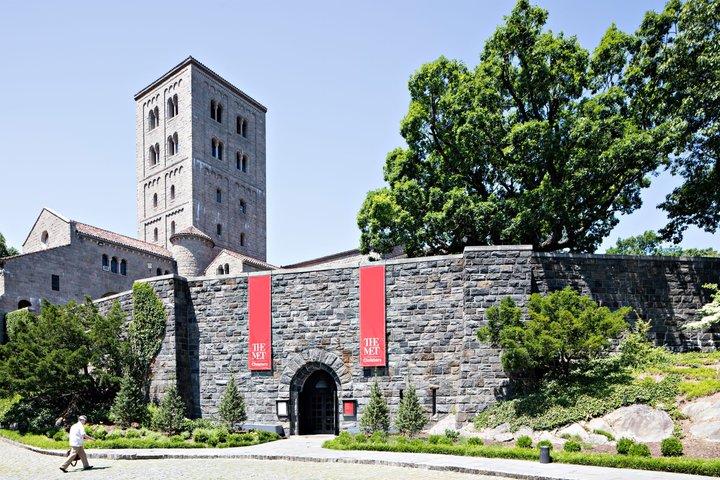
You're crossing into the Middle Ages: the Met Cloisters, opened in 1938, is built from five real European cloisters, arcaded walkways and carved capitals salvaged from abandoned monasteries in France and Spain, shipped stone by stone and reassembled on this Manhattan ridge. The building began as sculptor George Grey Barnard's private collection nearby; John D. Rockefeller Jr. bought it in 1925, funded this larger museum, and donated the surrounding land that became Fort Tryon Park. Inside, look for the Unicorn Tapestries, seven wool-and-silk hangings from around 1500 and among the most famous artworks in the world. Cloisters weren't galleries originally. They were sanctuaries: four-sided covered walkways that shielded monks in meditation from the outside world. From here, the Cloisters reads less like a museum than a fortress, its heavy limestone and granite walls making it look like a piece of Europe standing guard over the Hudson.
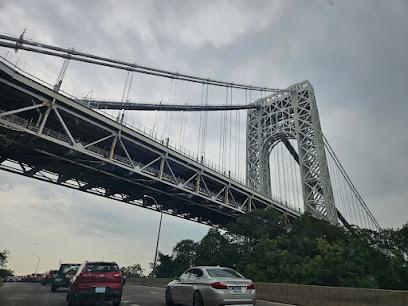
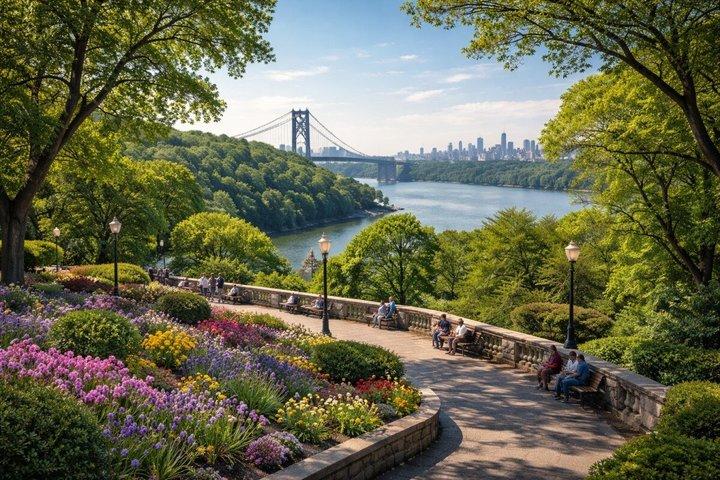
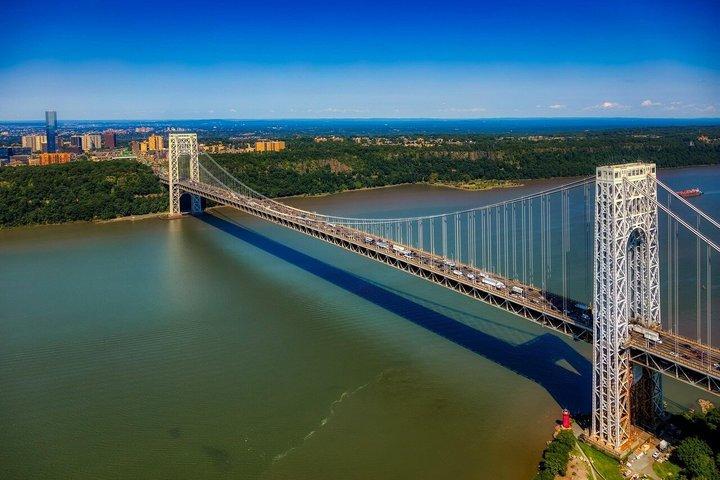
The George Washington Bridge opened in 1931, the longest suspension span in the world at the time, and its engineer, Othmar Ammann, planned for its steel towers to be clad in concrete and stone. The Depression cut that budget, so the bare steel stayed exposed, and architect Le Corbusier called the result the most beautiful bridge in the world. Today it carries 14 lanes across the Hudson, more than any other suspension bridge, linking Washington Heights to Fort Lee, New Jersey. At its Manhattan base sits the Little Red Lighthouse, dwarfed by the bridge that nearly made it obsolete.
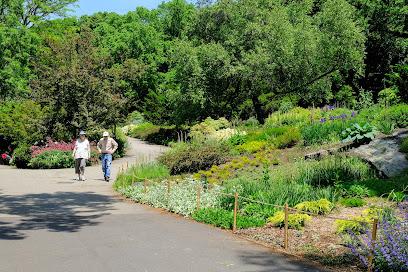
The Heather Garden stretches for a quarter-mile along Fort Tryon Park's western ridge, one of the oldest and largest public gardens in the city. Frederick Law Olmsted Jr. laid it out in the 1930s, naming it for the Scottish heather he first planted here, though today it holds more than five hundred varieties of perennials, shrubs, and trees. By the 1980s, neglect had reduced much of it to weeds and rubble; a small team of volunteers and horticulturists spent years bringing it back, plant by plant. Something is usually in bloom here from late February through November, with the Palisades and the Hudson as a backdrop.
Washington Heights
Washington Heights has produced serious star power. Alex Rodriguez spent his first four years on West 183rd Street before his family moved to the Dominican Republic and Miami, and when he returned to the Yankees in 2004, it felt like a homecoming: a Dominican-American kid from the Heights leading the American League in home runs and anchoring the 2009 World Series win. He's not alone. Fellow Dominican-American slugger Manny Ramirez grew up here too, and Panama-born Rod Carew, a Hall of Famer, called the neighborhood home as a young immigrant. The Heights also shaped quieter kinds of fame: sex therapist Dr. Ruth Westheimer settled here as a teenage refugee from Nazi Germany, and decades later, Lin-Manuel Miranda grew up watching it all, turning the block parties and bodegas into In the Heights.
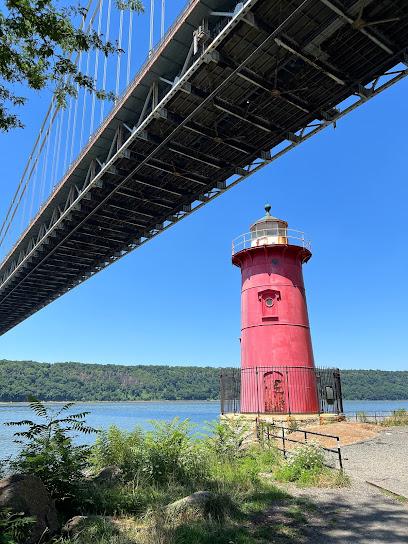
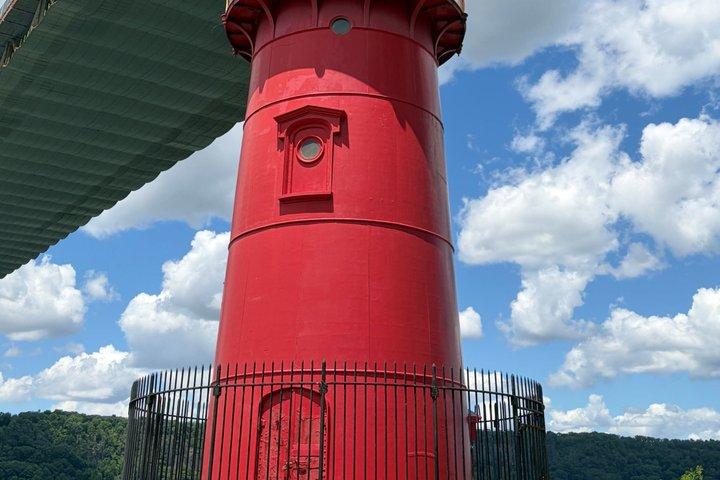
Officially called Jeffrey's Hook Light, the Little Red Lighthouse was built in 1880 at Sandy Hook, New Jersey, then moved here in 1921 to warn ships off a rocky point in the Hudson. It's the only lighthouse left on Manhattan Island. When the George Washington Bridge opened above it in 1931 with its own navigation lights, the Coast Guard decided the 40-foot lighthouse was obsolete and slated it for auction in 1951. Then Hildegarde Swift's 1942 children's book turned it into a beloved character, and thousands of children wrote letters and mailed in pennies to save it. It's still standing.
The experience can be subject to change due to bad weather or unforseen circumstances. We always endeavour to give you the best possible experience.
Additional Information
-
 Not recommended for travelers with poor cardiovascular health
 -
Not recommended for travelers with spinal injuries
-
Public transportation options are available nearby
-
Service animals allowed
-
Suitable for all physical fitness levels
-
The total tour time includes walking the route and passing by the attractions
-
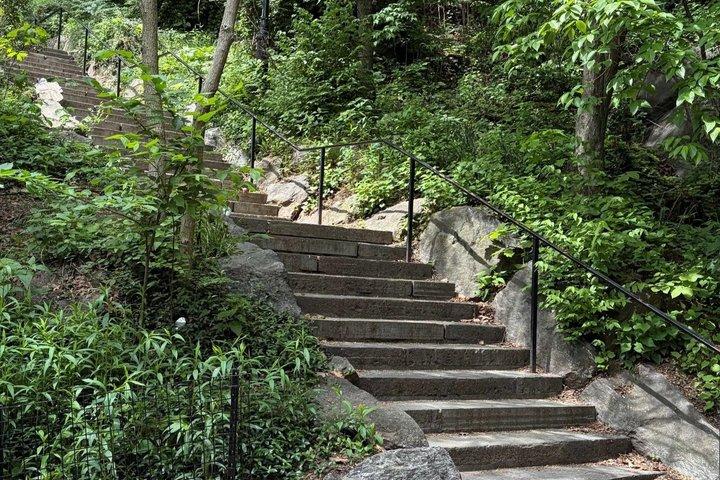
Wear supportive athletic shoes. This route features significant elevation changes and multiple outdoor staircases, including the climb up to The Met Cloisters.
What our experts say
-
 Wear supportive shoes for elevation changes
 -
Visit nearby Fort Tryon Park for views
-
Check out local eateries in Washington Heights
-
Download the app before arrival for easy access
-
Bring headphones for the audio guide

More About this Experience
Introduction
Embark on an unforgettable journey through the heart of Upper Manhattan with the Self Guided Manhattan Walking Tour. This immersive experience allows travelers to explore the rich tapestry of history, culture, and stunning landscapes at their own pace. Whether you're a history buff, an art lover, or just someone looking to soak up the vibrant atmosphere of New York City, this tour will captivate your senses. With a duration ranging from one hour to two and a half hours, participants can wander through iconic landmarks, including the Dyckman Farmhouse Museum, the Met Cloisters, and the enchanting Little Red Lighthouse. The tour is accessible via a user-friendly app, providing detailed audio guides and maps to ensure a seamless exploration. Get ready to step back in time as you discover the historical layers that make New York City truly unique, all while enjoying the freedom and flexibility of a self-guided adventure.What to expect?
This self-guided audio tour offers a treasure trove of experiences that span over 240 years of history, allowing participants to immerse themselves in the captivating stories and sites of Upper Manhattan. Expect to stand where trailblazing figures like Margaret Corbin made their mark, hear about the architectural brilliance of the George Washington Bridge, and stroll through landscapes that inspired Lin-Manuel Miranda’s hit musical, In the Heights. The tour guides you through significant points of interest, from the rustic charm of the Dyckman Farmhouse, a symbol of resilience, to the serene beauty of Fort Tryon Park, designed by the visionary Frederick Law Olmsted Jr. Every stop is infused with historical significance, artistic beauty, and breathtaking views of the Hudson River. With offline access to audio and maps, you can dive deep into the rich narratives of each site, making the experience both educational and enchanting.Who is this for?
The Self Guided Manhattan Walking Tour is designed for everyone who has a passion for exploration and discovery. Whether you’re a solo traveler seeking a unique experience, a couple looking for a romantic day out, or a family eager to share educational moments together, this tour caters to all. History enthusiasts will appreciate the in-depth stories behind each landmark, while casual walkers can enjoy the stunning scenery and vibrant neighborhoods at their leisure. Even if you have a busy schedule, the flexibility of the tour allows you to customize your experience to fit your pace and interests. Additionally, it's suitable for all fitness levels, with route options allowing everyone to enjoy the journey without feeling rushed. So grab your smartphone, lace up those supportive shoes, and get ready to explore Upper Manhattan like never before!Why book this?
Booking the Self Guided Manhattan Walking Tour is an invitation to uncover the hidden gems of Upper Manhattan while enjoying the freedom of exploring at your own pace. This unique experience combines the thrill of a self-guided journey with the richness of expertly crafted audio narratives that bring history to life. Unlike traditional tours, you won’t be rushed or constrained by a group schedule; instead, you can take your time to soak in the sights, sounds, and stories that resonate with you. Plus, the app provides lifetime access, so you can revisit your favorite spots anytime you like, even after your initial tour. This tour is perfect for both locals and visitors who wish to deepen their understanding of the area while enjoying the stunning views of the Hudson River. With its fascinating history, picturesque landscapes, and a sprinkle of personal exploration, this tour is an experience not to be missed.Good to know
Before embarking on your Self Guided Manhattan Walking Tour, there are a few helpful tips to ensure a smooth and enjoyable experience. Be sure to download the mobile app and familiarize yourself with the starting point at the Dyckman Farmhouse Museum before heading out. As this tour features various elevation changes and outdoor staircases, wearing supportive athletic shoes is highly recommended for your comfort. While the tour is accessible to all fitness levels, those with specific health concerns should consider their own capabilities. Public transportation options are conveniently available nearby, allowing easy access to the starting point. Remember to bring your smartphone and headphones, as they are essential for enjoying the audio tour. With the freedom to explore at your own pace, you can take breaks, snap photos, and truly immerse yourself in the beauty and history that Upper Manhattan has to offer.Reviews
Feedback from participants who have experienced the Self Guided Manhattan Walking Tour has been overwhelmingly positive, with many praising its engaging content and the flexibility it offers. Travelers have highlighted how the audio narratives brought the history of Upper Manhattan to life, making them feel connected to the stories of the past. Users appreciate the ability to explore at their own pace, allowing them to linger at their favorite spots or skip ahead as they choose. The stunning views and well-maintained pathways received commendations, with visitors often remarking on the unexpected beauty of the locations featured in the tour. Overall, the Self Guided Manhattan Walking Tour has been described as a delightful and enlightening experience, perfect for anyone looking to dive deep into the culture and history of one of the world's most iconic cities.
Your all‑in‑one travel companion app
Explore expert travel guides, compare and book tours, experiences, hotels, and more—all from the palm of your hand. Download now for seamless trip planning wherever your wanderlust takes you.


This is a popular product and the date you are looking for just sold out. Next available date is
