


Tour with official guide in Amsterdam
 Amsterdam, NL
 50% of travellers recommend this
Highlights
- Insightful historical and cultural information
- Guided walking tour of Amsterdam
- Recommendations for post-tour exploration
- Free Dutch cheese tasting experience
- All fees and taxes included
-
Duration 2 hours 30 minutes
-
Official guide in French & Spanish
-
Free Dutch cheese tasting
-
Walking tour with cultural insights
-
All fees and taxes included
Embark on an unforgettable Amsterdam tour with an official guide who will take you through the fascinating history and culture of this vibrant city. Discover the origins of Amsterdam dating back to the year 1000, explore the charming streets, and indulge in a free Dutch cheese tasting. Immerse yourself in the unique atmosphere of Amsterdam, where every corner tells a story. From the beautiful canals to the historic buildings, this walking tour will show you the best of the city. Get insider tips on where to go next and gain a deeper understanding of Dutch customs and traditions. Book now and experience the magic of Amsterdam with a knowledgeable guide by your side.
At a Glance
-
 Free cancellation
-
 2 hours 30 minutes
-
 Instant Confirmation
-
 Available in French, Spanish; Castilian
-
 Wheelchair accessible
-
 Mobile voucher
-
 Private Tour
-
 Guided
-
 Family friendly

Featured Reviews

Explore Amsterdam's rich history with a guided tour, uncovering its origins and cultural gems, complete with a delightful cheese tasting.
Included
-
 OtherPick-up from the hotel
 -
OtherTips on where to go after the tour.
-
OtherAll Fees and Taxes
-
OtherOfficial Diploma Guide in the Netherlands
-
OtherInformation of all kinds, cultural, historical, religious, etc.
-
OtherFree Dutch cheese tasting.
Excluded
-
 OtherTips
 -
MealsMeals
Meeting Point
Stationsplein 16, 1012 AB Amsterdam. I will be outside the station under the silver letters that say "Centraal Station" under the shield of the 3 golden lions that is the symbol of the Dutch royal house, next to the subway entrance.

Stationsplein 16, 1012 AB Amsterdam , Netherlands

End Point
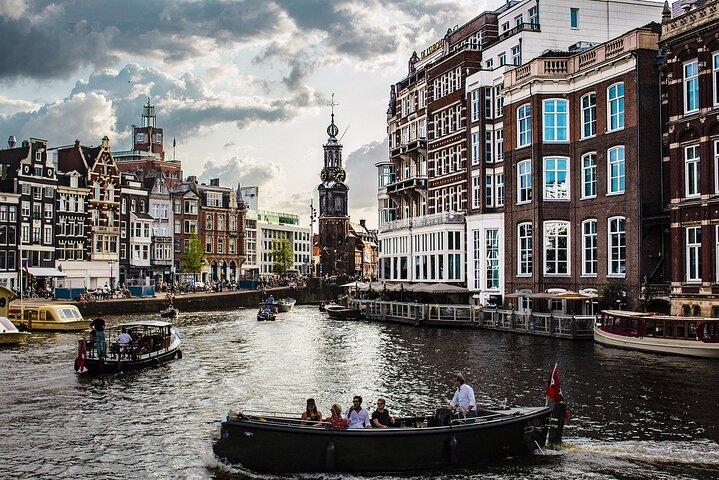
Flower Market at Singel Canal 540, 1017 AZ. Next to the Munttoren. (Coin Tower)

Singel 540, 1017 AZ Amsterdam , Netherlands
Pickup
What to expect
Centraal Station
Neo-Renaissance style building built by architect Pierre Kuiper. For the construction of Amsterdam Central Station it was necessary to build three artificial islands and use more than eight thousand wooden pillars to support the structure. This train station is very close to the city center and all the trains that connect Amsterdam with all of Europe leave (and arrive) from it.
20 minutes
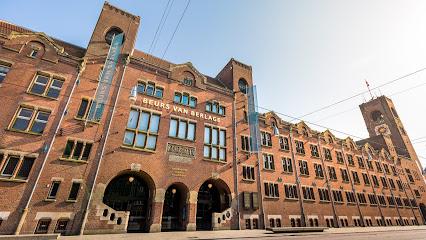
La Bours van The first fair in Holland The first Stock Exchange in the Netherlands was founded by the Dutch East India Company in 1602. They decided to issue shares to finance their maritime activities. However, they needed an exchange building to trade the shares. In 1896, the city council decided to build a new stock exchange. The Stock Exchange building fell to the architect and urban planner Berlage to design a completely new building, among which the clock tower stands out. Berlage, as a fervent socialist, believed that the Beurshandel would not last long. But he resolved this dilemma intelligently and creatively, he decided to design the new Stock Exchange building in such a way that in the future, after the triumph of socialism, it could serve as a large community house, a people's palace. He built a de facto kind of symbolic town hall, a "people's palace" that could temporarily serve as a Stock Exchange.
10 minutes
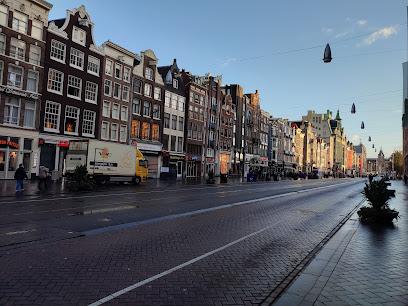
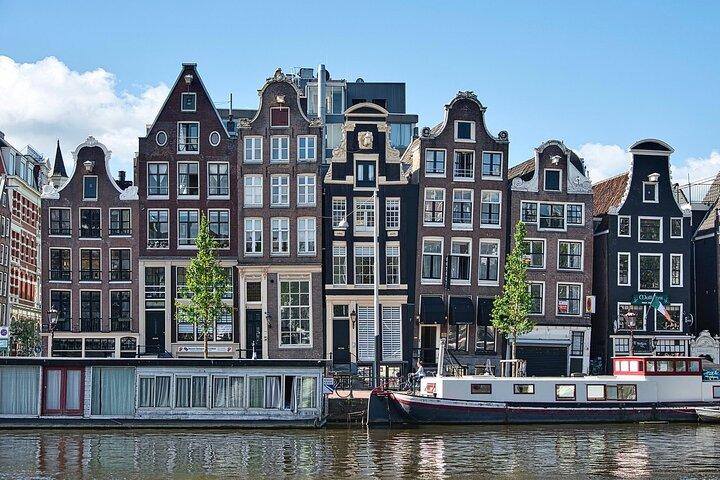
The Damrak is the original mouth of the Amstel River. The dam at Amstel created an open seaport called Damrak and an inland port (Rokin) with a market square, Dam Square. The development around the dam formed the basis for it to become a powerful commercial city. At the beginning of the 13th century, Amsterdam received city rights. Due to increasing trade contacts in the 14th century, mainly with the Scandinavian countries, Amsterdam grew rapidly. Defense walls and mainly commercial houses were built to store grain, wood and beer. The population grew to 3,000 inhabitants. In the 19th century the canal was filled in, except for the boat docks. Gabled houses with different and ancient architectural styles make this "Damrak" street a trip back to the 17th / 18th century with its Renaissance, Classicist, "Jugendstil" / Art Nouveau facades are among the most picturesque in the city.
20 minutes
Het Damplein
Dam Square is a square in the center of Amsterdam. It is the historic heart of the city and the site of many events of national importance. Dam Square is home to the Royal Palace, the New Church and the National Monument, where National Remembrance Day is celebrated annually. The Royal Palace of Amsterdam is a palace located on Dam Square in the city center of Amsterdam. The palace is used by the Royal Household as a reception palace and is used for exhibitions. It was built between 1648 and 1665 as a town hall, designed by the architect Jacob van Campen. The structure is considered the most important historical and cultural monument of the Golden Age of the Netherlands. Nieuwe kerk. The church is used for Dutch royal investiture ceremonies (according to article 32 of the Dutch Constitution), most recently that of King Willem-Alexander in 2013, as well as royal weddings, most recently Willem-Alexander's wedding to Máxima in 2002.
15 minutes
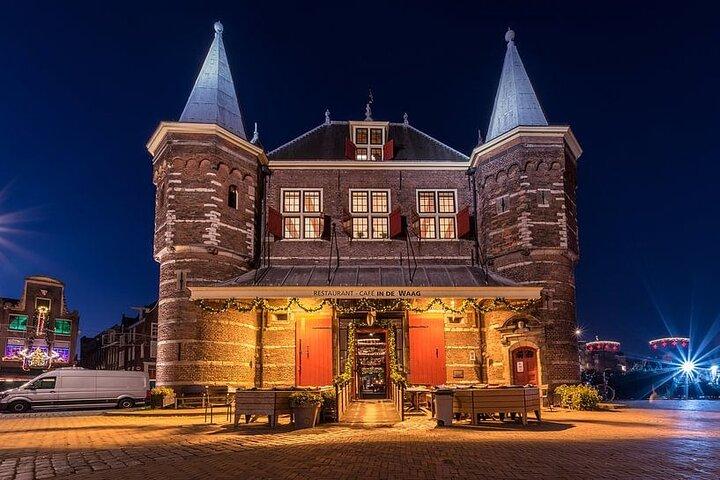
The Waag
The Waag located in the heart of Amsterdam, in the middle of the Nieuwmarkt, surrounded by a canal system. It was built in 1488 as the gateway to the city and was named Sint Antoniespoort. The oldest stone facade in Amsterdam. Sint Antoniespoort, along with Haarlemmerpoort, was considered one of the strongest main gates in Amsterdam. The city, initially quite open, was provided with walls and later with a wall. Throughout the 16th century, the city wall became more than just a physical barrier: over time it became a political, economic and social border. For centuries, the city was hermetically closed to the outside world every evening at half past nine. The soldiers took the keys to the town hall doors and placed them in a special key box. They took the key to this chest to one of the mayors. At dawn, the entire ritual took place in reverse order.
10 minutes
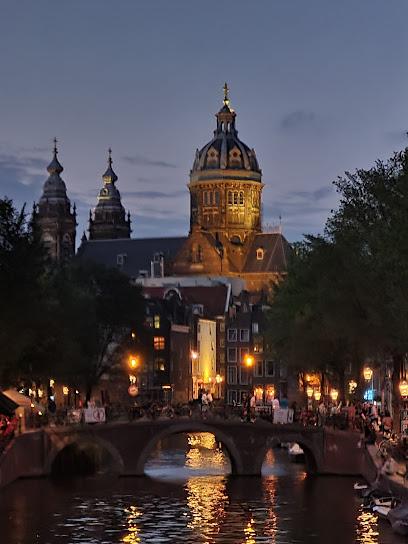
The red light district of Amsterdam is famous for its history, its architecture, its cultural life and for being one of the most liberalized neighborhoods in the world in terms of attitudes towards prostitution, drugs and sexual diversity. Known for the shop windows that adorn its very narrow alleys, where prostitutes have carried out their professional activities for centuries. Prostitution is completely regulated in the Netherlands, so that each prostitute is required by law to have private social security contracted (like any Dutch worker), to pay taxes to the state, make tax declarations and all the legal processes to which that a worker or company must carry out to maintain their legal status. They also undergo annual medical check-ups.2 Prostitution establishments are open both day and night, but the maximum influx of public takes place on weekend nights.
15 minutes
Kloveniersburgwal, Amsterdam
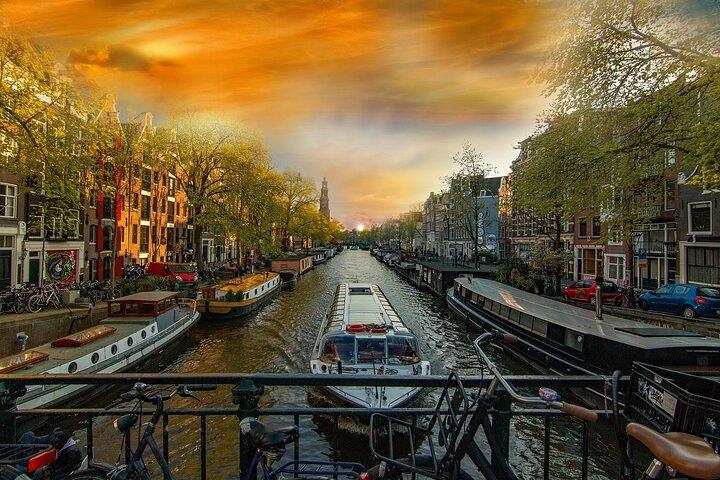
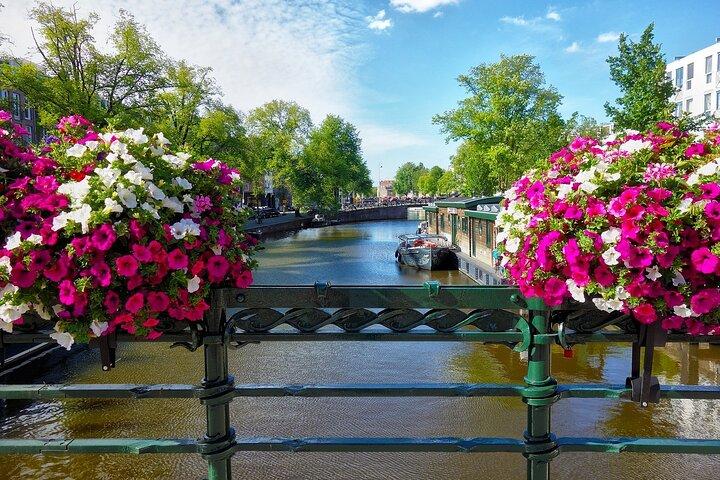
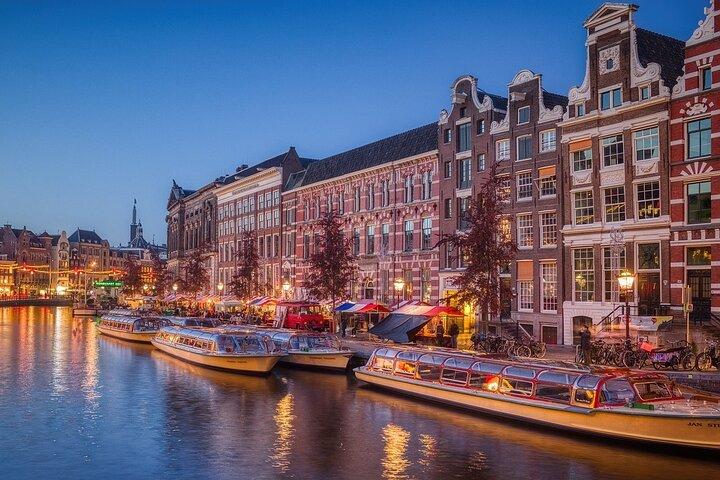
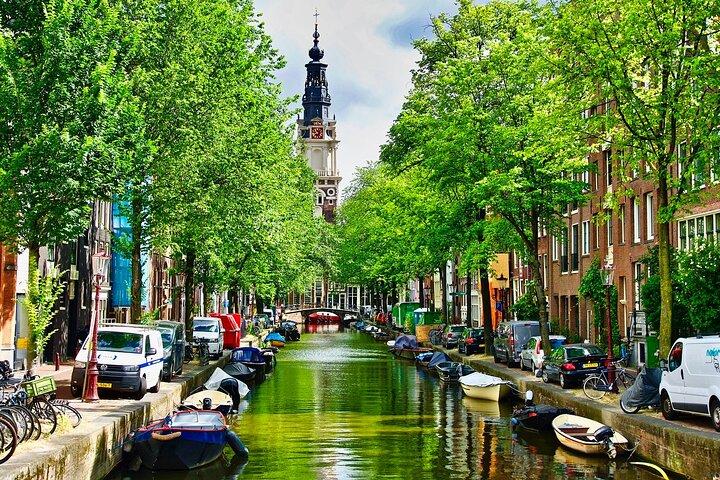
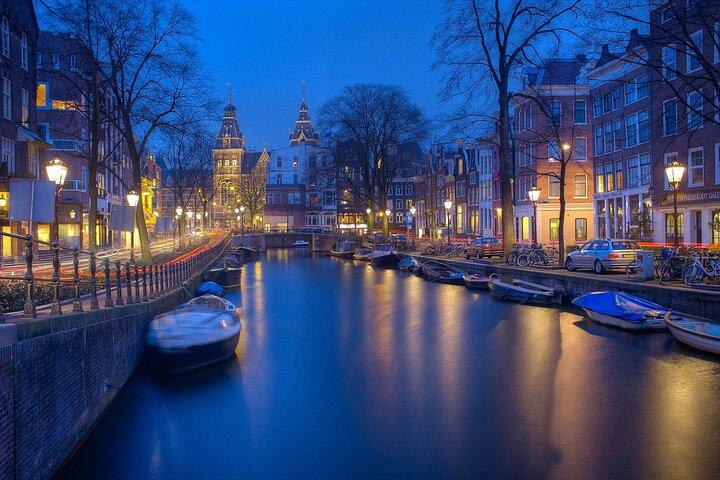
Some 400 years ago, the canal belt was arguably the most impressive urban sprawl in the world. It is made up of 4 semicircles that extend over 165 channels is enormous, even by today's standards. The expansion was a combination of a grid city and a fortified city. Trees have been planted along the canals and outside the houses there are many flowering plants, which creates a very pleasant atmosphere. What is the reason for such enormous urban expansion? Why the famous geometric shape in the form of rings? No other city in Europe experienced such a large population growth. The space problem had to be resolved, planning was not an artistic choice, the canal belt was never built as a "work of art", but rather "with the best plans taking advantage of the space and the lowest costs." The main objective was to build houses for the new inhabitants and spend little money.
20 minutes
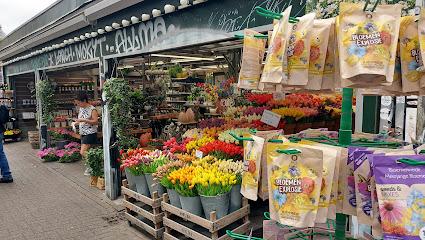
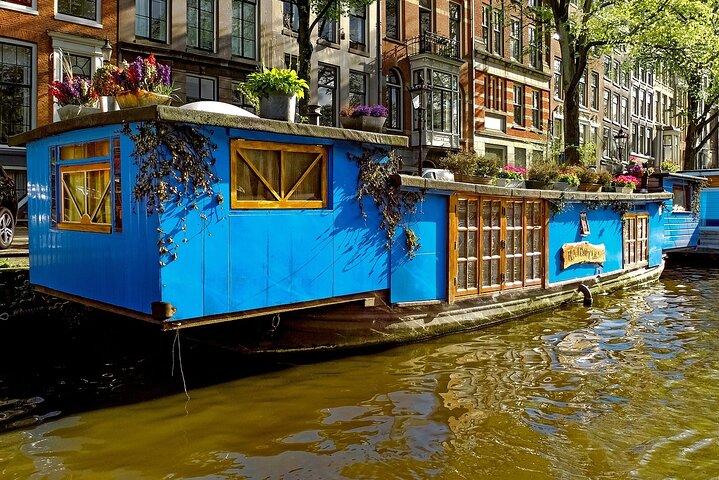
The Bloemenmarkt is on the Singel canal. Flowers and plants are displayed on barges that from the outside look like real shops, colorful and fragrant. The barges are lined up with each other, as if they formed a shopping street, they are supported by poles and are full of tulips, daffodils and bulbs of all kinds. The Amsterdam flower market dates back to 1862, when merchants used barges to transport flowers from the suburbs to the city center and displayed the beauty of their colorful flowers along the Singel. This tradition has remained unchanged over time, and even today you can relive the atmosphere of that time and be fascinated and attracted by it. The trade used to be delivered daily by water from nurseries outside the city. The flower market has increasingly become a tourist attraction and the offer consists mainly of flower bulbs and souvenirs. In the past, gondola-type boats brought those flowers.
10 minutes
The experience can be subject to change due to bad weather or unforseen circumstances. We always endeavour to give you the best possible experience.
Additional Information
-
 All areas and surfaces are wheelchair accessible
 -
Infants and small children can ride in a pram or stroller
-
Infants are required to sit on an adult’s lap
-
It is not advisable for people who cannot walk or have difficulty walking.
-
Public transportation options are available nearby
-
Service animals allowed
-
Suitable for all physical fitness levels
-
There are no child seats for children
-
Transportation options are wheelchair accessible
-
Wheelchair accessible
What our experts say
-
 Try local stroopwafels at nearby shops.
 -
Visit the Anne Frank House after the tour.
-
Check out the street art in the Jordaan area.
-
Bring a camera for stunning canal views.
-
Explore nearby cafes for authentic Dutch snacks.

More About this Experience
Introduction
Embark on a journey through time and history with the official guide in Amsterdam. Discover the origins of this beautiful city dating back to the year 1000, and delve into the fascinating stories that shaped Amsterdam into the vibrant metropolis it is today.What to expect?
During this tour, travelers can expect to gain a deep understanding of Amsterdam's rich history, culture, and architecture. Explore hidden corners, uncover local customs, and immerse yourself in the essence of this iconic city. Enjoy a walking tour filled with intriguing information, topped off with a delightful Dutch cheese tasting experience.Who is this for?
This tour is perfect for history buffs, culture enthusiasts, and anyone with a curious mind eager to learn about Amsterdam's past and present. Whether you're a solo traveler, a couple, or a group of friends, this experience is designed to captivate and educate visitors of all ages and backgrounds.Why book this?
Immerse yourself in the captivating history of Amsterdam with an official guide who is passionate about sharing the secrets and stories of this enchanting city. Gain insider knowledge, explore hidden gems, and indulge in a free Dutch cheese tasting experience. This tour promises a unique and immersive journey through the heart of Amsterdam.Good to know
As you wander through Amsterdam with your official guide, be prepared to be amazed by the beauty and charm of this city. Take note of the tips provided for post-tour exploration and make sure to savor the flavors of Dutch cheese during the tasting session. With all fees and taxes included, this experience offers a seamless and enriching way to discover Amsterdam.Reviews
Travelers who have embarked on this tour with the official guide in Amsterdam have raved about the insightful information provided, the engaging storytelling, and the overall immersive experience. From the picturesque canals to the historic landmarks, visitors have praised the tour for its in-depth exploration of Amsterdam's cultural heritage. Don't miss out on this unforgettable journey through one of the world's most beautiful cities.
Your all‑in‑one travel companion app
Explore expert travel guides, compare and book tours, experiences, hotels, and more—all from the palm of your hand. Download now for seamless trip planning wherever your wanderlust takes you.


This is a popular product and the date you are looking for just sold out. Next available date is
