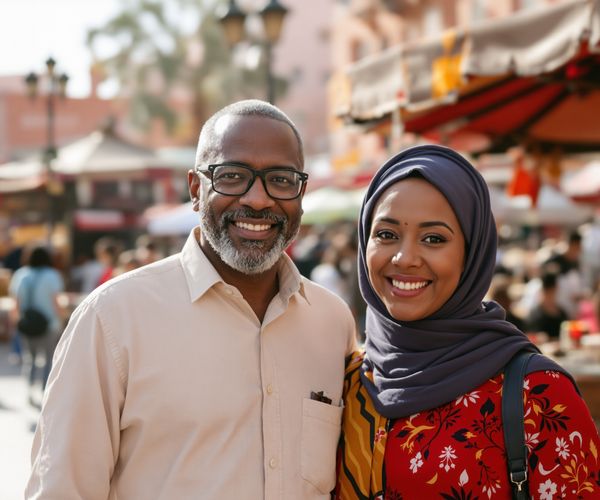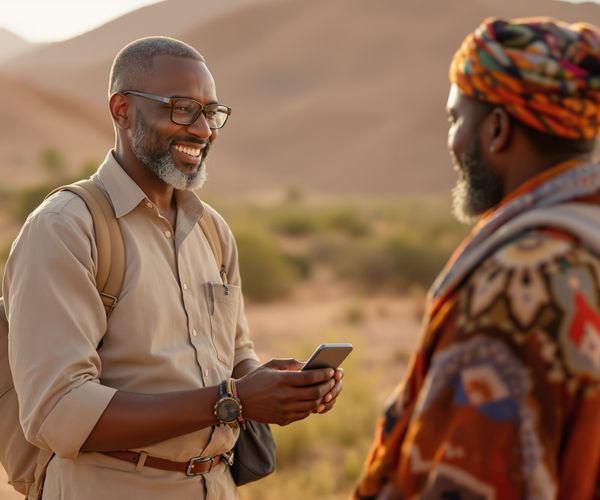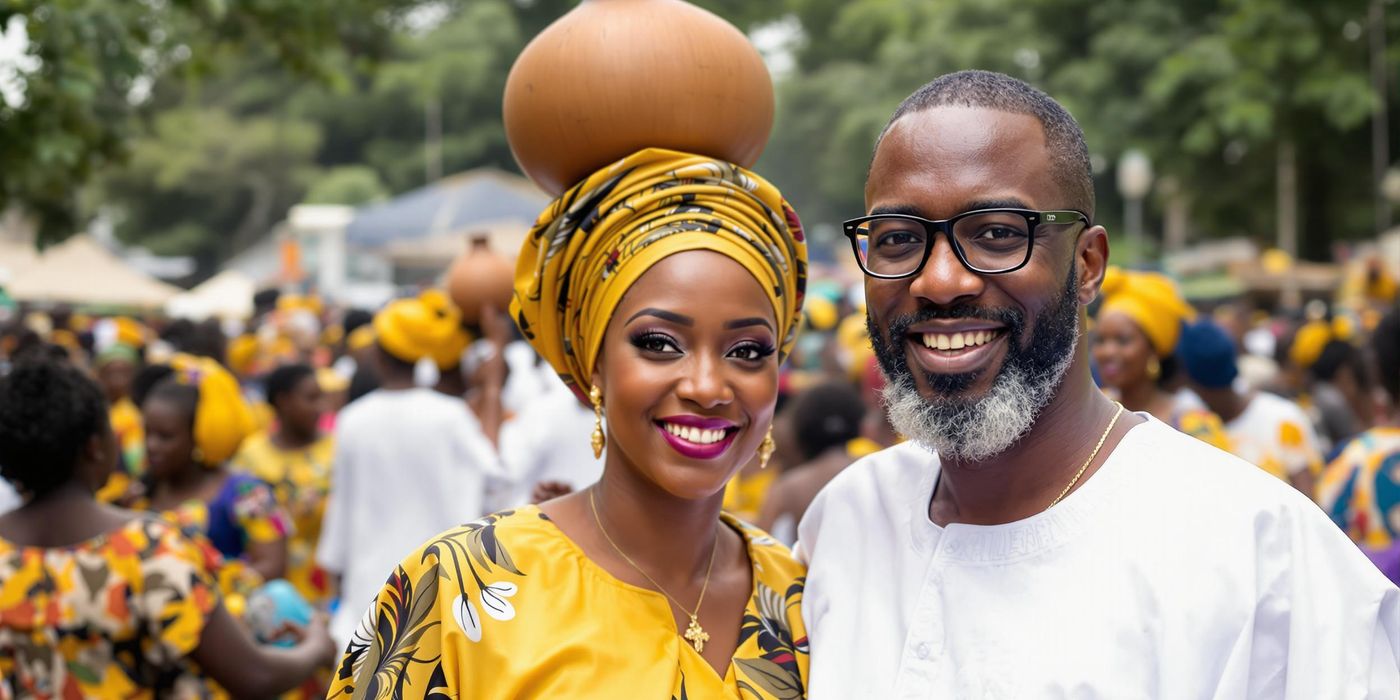
As a software engineer with a passion for travel, I've found that cultural festivals offer a unique window into the heart of a community. They're not just tourist attractions; they're living, breathing expressions of identity and tradition. My travels, often with my wife Aisha, have taken me to festivals around the world, and I've learned that with the right approach, these events can be deeply enriching experiences.
The Allure of Cultural Festivals
Cultural festivals provide an unparalleled opportunity to experience a culture far beyond the typical tourist trail. They offer a chance to witness traditions passed down through generations, providing a deep connection and understanding that's hard to come by otherwise. I remember attending the Osun-Osogbo festival in Nigeria, a vibrant celebration of the Osun River goddess. The energy was palpable, the colors dazzling, and the sense of community overwhelming. It wasn't just a spectacle; it was a spiritual experience that connected me to my roots in a profound way.
These festivals are living expressions of a community's identity, a chance to witness history unfolding before your eyes. They offer a glimpse into the soul of a place, revealing its values, beliefs, and the stories that have shaped it over time.
Researching Festivals: Finding Authentic Experiences
Finding authentic festivals requires a bit of digging. Don't just rely on mainstream tourist information; venture beyond the well-trodden paths. Local tourism boards, cultural organizations, and even community forums can be invaluable resources. Look for festivals that are deeply rooted in local traditions, rather than those primarily geared towards tourists.
Before attending any festival, take the time to understand its history, meaning, and traditions. This not only enriches your experience but also demonstrates respect for the culture you're engaging with. I once spent weeks researching the Inti Raymi festival in Peru, poring over historical texts and documentaries. When I finally attended, I felt a much deeper connection to the event, understanding its significance and the sacrifices made to preserve it.
Understanding Cultural Significance
Festivals are more than just celebrations; they are powerful preservers of heritage, identity, and community spirit. They reinforce cultural identity by preserving traditions, fostering community ties, and promoting education. Through music, dance, rituals, and storytelling, festivals transmit cultural knowledge from one generation to the next, ensuring that traditions remain alive and relevant.
Understanding the values and beliefs attached to a festival is crucial before participating. What might seem like a simple act to an outsider could hold deep symbolic meaning within the culture. Take, for example, the Yi Peng Lantern Festival in Thailand. Releasing lanterns into the sky is a beautiful spectacle, but it's also a deeply spiritual act, symbolizing the release of negativity and bad luck. Knowing this beforehand allows you to participate with greater intention and respect.
Participating Respectfully: A Guide to Etiquette
Respect for local customs and etiquette is paramount when attending cultural festivals. This includes being mindful of dress codes, gestures, and personal space. In many cultures, for example, it's considered disrespectful to show too much skin, especially in sacred spaces. Aisha always packs a scarf when we travel, which can be used to cover her head or shoulders when necessary.
Always ask permission before taking photographs, especially of people or sacred objects. A simple gesture of respect can go a long way in building trust and fostering connection. I once attended a small village festival in Ghana where photography was strictly prohibited during certain rituals. By respecting this rule, I was able to witness the ceremony in its purest form, gaining a much deeper understanding of its significance.
Avoiding Cultural Exploitation
It's crucial to be mindful of cultural exploitation and avoid actions that could be seen as disrespectful or appropriative. This includes using festivals for commercial gain without permission, disrespecting cultural property, and avoiding disparaging or commercializing cultural symbols. Remember, these are not theme parks; they are living traditions that deserve to be treated with reverence.
I once witnessed a group of tourists at a Day of the Dead celebration in Mexico treating the event as a photo opportunity, posing with skulls and sombreros in a way that felt mocking and disrespectful. It was a stark reminder of the importance of cultural sensitivity and the potential for tourism to harm rather than help communities.
Engaging in Activities with Sincerity
Participate in activities with the intention of learning and appreciating, rather than just as a spectator. Show respect for sacred spaces and spirituality, and avoid actions that could be considered offensive or disrespectful. This might mean removing your shoes before entering a temple, refraining from talking loudly during a ceremony, or simply being mindful of your body language.
I remember participating in a traditional tea ceremony in Japan. It wasn't just about drinking tea; it was about observing the rituals, appreciating the artistry, and connecting with the spirit of the ceremony. By engaging with sincerity, I gained a much deeper understanding of Japanese culture and a profound sense of peace.
Supporting the Local Community
Support local communities by buying from local artists and crafters, sampling local cuisine, and respecting entry fees or donations. This not only strengthens cultural bonds but also boosts the local economy. Avoid buying mass-produced souvenirs that have no connection to the local culture; instead, seek out unique, handcrafted items that tell a story.
Supporting local businesses strengthens cultural bonds and boosts the local economy. I always make a point of eating at family-run restaurants and buying souvenirs directly from the artisans who create them. These interactions not only enrich my travel experiences but also create lasting connections with the people I meet.
Discover how attending cultural festivals can enrich your travel experiences, with tips on participating respectfully and fully.