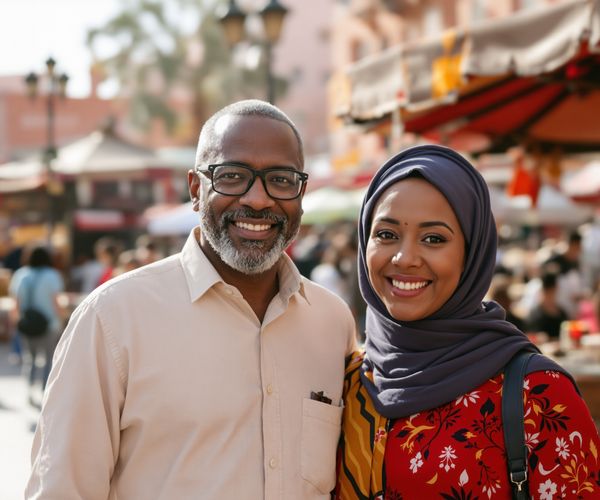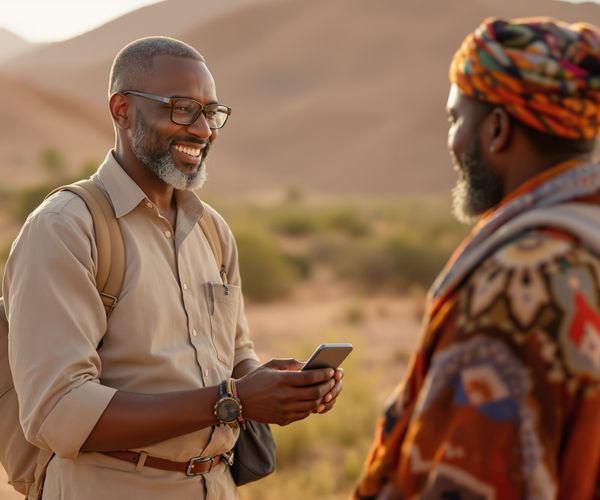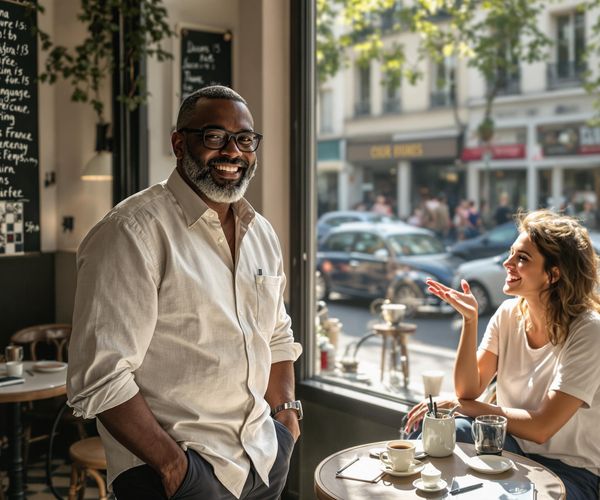
As a software engineer by day and a travel enthusiast by heart, I've found that photography is more than just capturing a pretty picture; it's about telling a story. It's about preserving moments, sharing cultures, and connecting with people across the globe. Join me as I delve into the art of storytelling through travel photography, sharing tips and techniques I've learned from my own adventures.
The Essence of Storytelling in Travel Photography
Travel photography has the incredible power to transport viewers to another time and place, evoking emotions and sparking curiosity. It's not just about documenting a location; it's about capturing its essence, its soul. Through my lens, I strive to convey the cultural nuances, personal experiences, and unique perspectives that make each destination special.
I remember once in Marrakech, Morocco, I was wandering through the bustling souks when I saw an elderly artisan meticulously crafting leather goods. His weathered hands, the focused look in his eyes, and the intricate patterns he was creating told a story of generations of craftsmanship. That single image, captured in a fleeting moment, spoke volumes about Moroccan culture and the dedication of its people. These are the stories I aim to capture – the human connection, the cultural heritage, the whispers of history that resonate in every corner of the world.
Gear and Preparation: Choosing the Right Tools
Selecting the right gear is crucial for any travel photographer, but it’s a delicate balance between portability and image quality. You don't want to be weighed down by heavy equipment, but you also don't want to compromise on the quality of your images. For me, a mirrorless camera system strikes the perfect balance, offering excellent image quality in a compact body.
When it comes to lenses, versatility is key. A zoom lens with a wide focal range, such as a 24-120mm, is ideal for capturing everything from sweeping landscapes to intimate portraits. A wide-angle lens is also essential for those breathtaking architectural shots and expansive vistas. Don't forget essential accessories like a polarizer to reduce glare and enhance colors, extra batteries to keep you powered throughout the day, and plenty of memory cards to store all those precious moments. And most importantly, invest in a sturdy, weather-resistant camera bag to protect your equipment from the elements.
Composition Techniques: Framing Your Narrative
Composition is the language of photography, the way you arrange elements within the frame to tell your story. The rule of thirds is a fundamental principle that can instantly improve your images. Imagine dividing your frame into nine equal parts with two horizontal and two vertical lines. Placing key elements along these lines or at their intersections creates a more balanced and visually appealing composition.
Leading lines are another powerful tool for guiding the viewer's eye through the image, drawing them deeper into the scene. Symmetry can create a sense of order and harmony, while framing – using elements within the scene to frame your subject – can add depth and context. Always consider the foreground, midground, and background elements to create a sense of depth and perspective. And don't be afraid to experiment with different angles – sometimes, a simple change in perspective can transform an ordinary scene into something extraordinary.
Capturing Authentic Moments: People and Culture
For me, the heart of travel photography lies in capturing the people and cultures of the places I visit. But it's crucial to approach this with respect and sensitivity. Always seek permission before photographing someone, and be mindful of cultural norms and traditions. A simple smile and a gesture of goodwill can go a long way in building trust and rapport.
I always try to avoid stereotypes and instead focus on capturing the dignity and humanity of my subjects. Candid moments often reveal the true essence of a place – a child playing in the street, an elderly woman selling spices at the market, a group of friends sharing a meal. These are the moments that resonate with viewers and tell a story of everyday life.
Technical Aspects: Mastering Light and Settings
Light is the painter's brush of photography, shaping the mood and atmosphere of your images. The golden hour – the hour after sunrise and the hour before sunset – is renowned for its warm, soft light that can transform any scene into a masterpiece. The blue hour – the period shortly before sunrise and after sunset – offers a cool, ethereal light that's perfect for capturing cityscapes and landscapes.
Understanding aperture, shutter speed, and ISO is essential for controlling the exposure and depth of field in your images. A wide aperture (low f-number) creates a shallow depth of field, blurring the background and isolating your subject. A narrow aperture (high f-number) creates a large depth of field, keeping everything in focus. Shutter speed controls the amount of time the camera's sensor is exposed to light, allowing you to freeze motion or create motion blur. ISO controls the sensitivity of the sensor to light, but be mindful of increasing the ISO too much, as it can introduce noise into your images. Don't be afraid to experiment with these settings to achieve different effects and capture the perfect shot, even in low light or challenging lighting situations.
Post-Processing: Enhancing Your Stories
Post-processing is an integral part of the digital photography workflow, allowing you to enhance your images and bring out their full potential. Basic editing techniques like adjusting exposure, contrast, and color balance can make a world of difference in the final result. Software like Adobe Lightroom or Capture One offers a wide range of tools for fine-tuning your images, removing distractions, and enhancing details.
However, it's important to maintain authenticity and avoid over-editing. The goal is to enhance the story, not to create a false reality. Subtle adjustments are often more effective than drastic changes. Focus on bringing out the natural colors and textures of the scene, and let the story speak for itself.
Ethical Considerations: Responsible Travel Photography
As travel photographers, we have a responsibility to be mindful of the ethical implications of our work. It's crucial to respect local cultures, traditions, and the environment. Avoid exploiting or misrepresenting people in your photography, and always promote responsible travel and sustainable practices. Be aware of the potential impact of your images on the communities you visit, and strive to use your photography to promote understanding and empathy.
Finding Your Unique Voice: Developing a Personal Style
The most rewarding aspect of travel photography is finding your unique voice and developing a personal style. Don't be afraid to experiment with different genres, techniques, and perspectives. Draw inspiration from other photographers and art forms, but ultimately, let your own experiences and passions guide your creative vision. Share your work with others, connect with fellow travel enthusiasts, and continue to learn and grow as a photographer. The world is full of stories waiting to be told – go out there and capture them through your lens.
Explore the art of storytelling through travel photography. Learn tips and techniques to capture emotions, cultural nuances, and unique perspectives from Abimbola's photographic experiences.