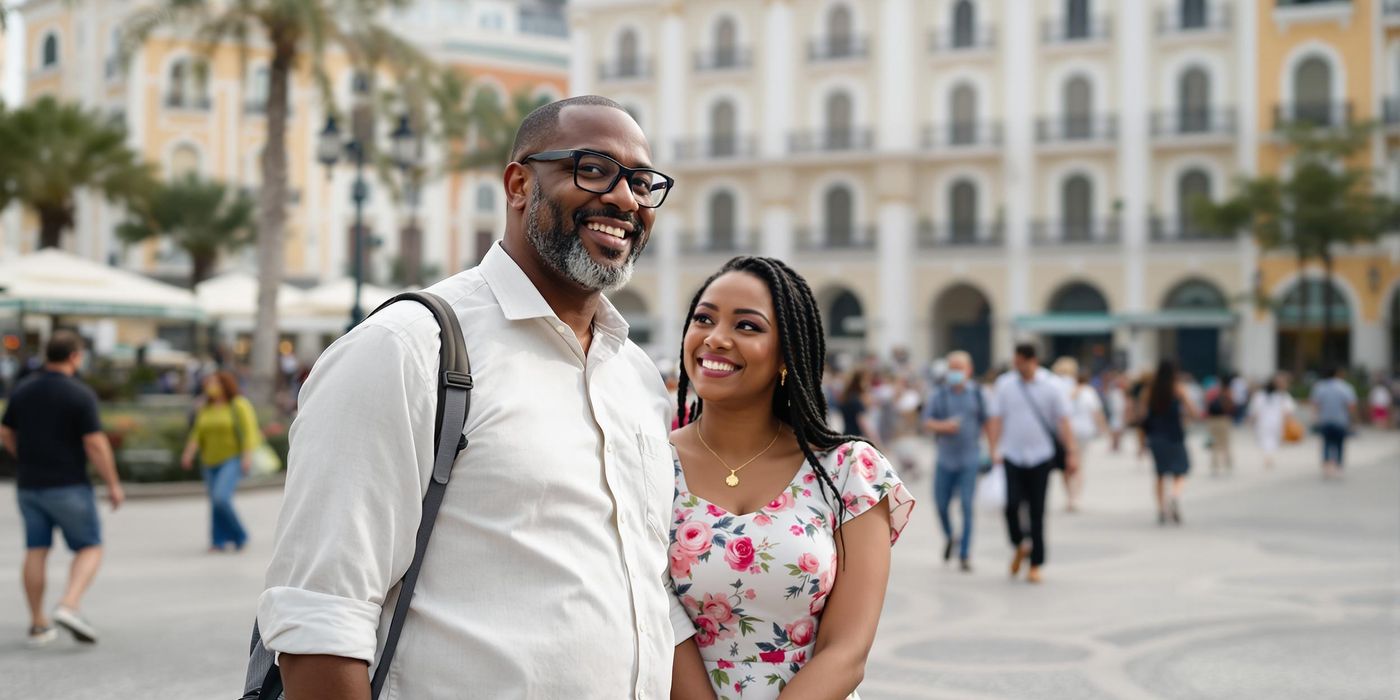
From the bustling markets of Lagos to the serene landscapes of the Canadian Rockies, travel has always been more than just a journey for me; it's a story waiting to be told. And what better way to tell that story than through the lens of a camera? As a software engineer by trade, photography started as a hobby, a way to document my adventures. But over time, it evolved into a passion, a means of connecting with cultures and sharing perspectives. Today, I want to share some of the tips I've learned along the way, especially for those just starting their travel photography journey.
My Journey into Travel Photography
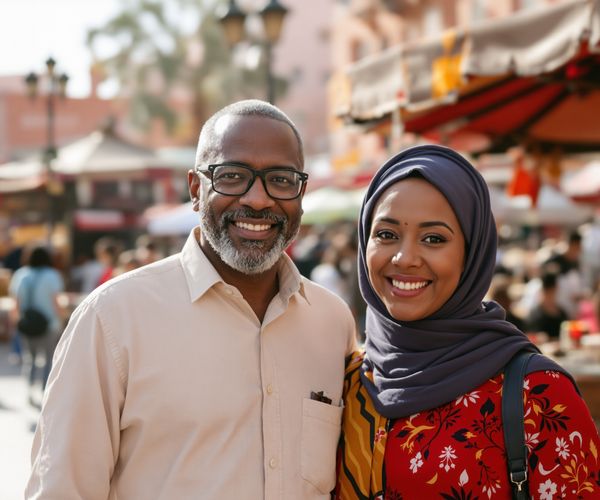
My foray into travel photography wasn't exactly planned. It began with a simple desire to capture the essence of my homeland, Nigeria, and share it with my family here in Canada. I remember my first trip back home after moving to Ottawa. I was armed with nothing more than my smartphone and an eagerness to document everything. The initial results were… well, let's just say they left much to be desired. Overexposed skies, blurry subjects, and a general lack of composition plagued my early attempts. {image1}
But I wasn't discouraged. I devoured online tutorials, experimented with different settings, and relentlessly practiced. One of the biggest challenges was understanding light. In Nigeria, the tropical sun can be harsh, creating deep shadows and blown-out highlights. Learning to work with that light, to find the pockets of shade and the golden hours, was a game-changer. And what I love most about capturing moments from my travels is the ability to freeze time, to revisit a memory, a feeling, a connection, simply by looking at a photograph.
Essential Gear for Beginner Travel Photographers
The good news is, you don't need to break the bank to get started. The best camera is often the one you have with you. However, understanding the options can help you make an informed decision as you progress.
- Smartphones: The ubiquitous smartphone is a fantastic starting point. Modern smartphones boast impressive camera capabilities, offering features like HDR, portrait mode, and even manual controls. They're lightweight, discreet, and always at hand.
- Point-and-Shoot Cameras: These compact cameras offer a step up in image quality and zoom capabilities compared to smartphones. They're easy to use and perfect for travelers who want something more than a smartphone but don't want the complexity of a DSLR.
- DSLRs and Mirrorless Cameras: For those serious about photography, DSLRs and mirrorless cameras offer the ultimate in image quality, versatility, and control. While they can be more expensive and complex, they provide unparalleled creative possibilities.
When choosing a camera, consider your budget, your needs, and how much time you're willing to invest in learning the technical aspects. Don't forget essential accessories like extra batteries (nothing's worse than a dead battery at a crucial moment!), high-capacity memory cards, and a comfortable camera bag to protect your gear. And for landscape and night photography, a good travel tripod is indispensable.
Understanding Light: The Key to Stunning Photos
Light is the lifeblood of photography. Understanding how light works and how to use it to your advantage is crucial for capturing stunning travel photos. Natural light is your best friend, especially the soft, warm light of the golden hour – the hour after sunrise and the hour before sunset. During these times, the light is diffused, creating beautiful colors and flattering shadows. The blue hour – the period just before sunrise and just after sunset – offers a different kind of magic, casting a cool, ethereal glow over your scenes.
Shooting in different lighting conditions requires different approaches. In bright sunlight, look for shade or use a polarizing filter to reduce glare and deepen colors. On overcast days, embrace the soft, even light, which is perfect for portraits and capturing subtle details. Learn to use shadows and highlights to create depth and interest in your photos, adding drama and mood to your compositions.
Composition Techniques: Framing Your Story
Composition is the art of arranging elements within your frame to create a visually appealing and balanced image. Several basic composition rules can help you elevate your travel photography.
- Rule of Thirds: Imagine dividing your frame into nine equal parts with two horizontal and two vertical lines. Place key elements of your scene along these lines or at their intersections to create a more dynamic and engaging composition.
- Leading Lines: Use lines – roads, rivers, fences – to draw the viewer's eye into the scene and create a sense of depth and perspective.
- Symmetry: Look for symmetrical patterns in architecture or nature and use them to create balanced and harmonious compositions.
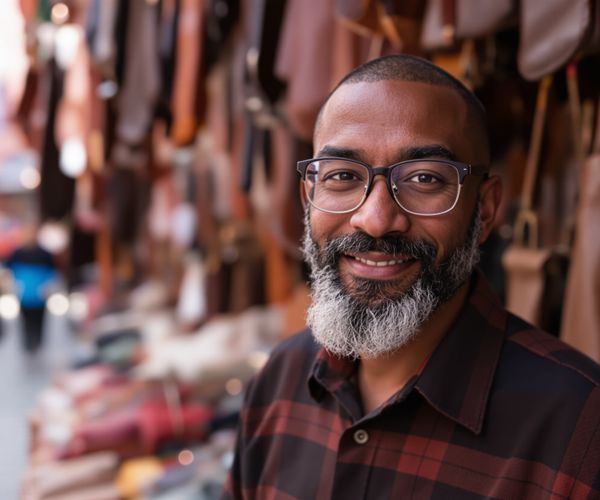
Perspective is another crucial element of composition. Don't be afraid to experiment with different angles – get down low, climb up high, or shoot from an unusual vantage point. In the Senado Square in Macao, I remember lying flat on the ground to capture the perspective of the buildings. {image2}
Capturing Culture: Respect and Authenticity
Travel photography is about more than just pretty pictures; it's about capturing the essence of a place and its people. When photographing people, always be respectful of their culture and customs. Before taking someone's picture, ask for permission, especially in more conservative cultures. A simple smile and a gesture can go a long way. Be mindful of local customs and traditions, and avoid photographing people in situations where they might feel uncomfortable or exploited.
Strive to capture authentic cultural moments, avoiding stereotypes and clichés. Engage with the local community, learn about their way of life, and share their stories through your photography. When I was in Nigeria, I made sure to ask before photographing a local artisan. I ended up learning so much about his craft and his family.
Post-Processing Basics: Enhancing Your Images
Post-processing is an essential part of the digital photography workflow. Basic photo editing software like Adobe Lightroom and Snapseed can help you enhance your images and bring out their full potential. Start by adjusting exposure, contrast, and white balance to correct any imperfections in your photos. Experiment with different color profiles and filters to create a specific mood or style. But remember, the key is to make subtle edits and maintain the authenticity of the photo. Over-editing can make your photos look unnatural and artificial.
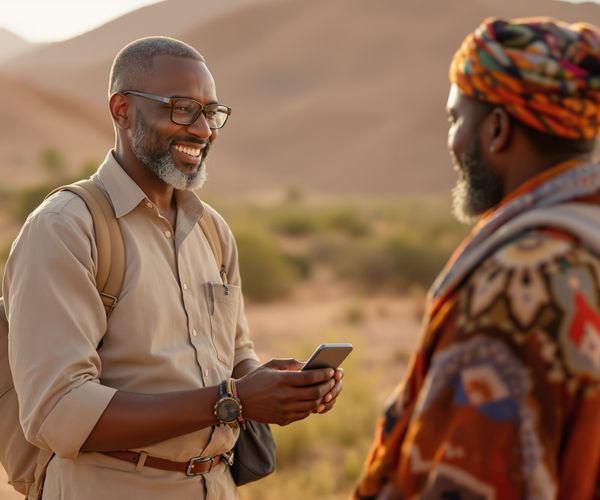
My workflow typically involves importing my photos into Lightroom, where I make basic adjustments to exposure, contrast, and white balance. I then use Photoshop to remove any distractions or blemishes and fine-tune the colors. I always try to keep my edits subtle and natural, aiming to enhance the photo without altering its essence. {image3}
Practical tips for beginners on how to take stunning travel photographs, focusing on storytelling, composition, and lighting.