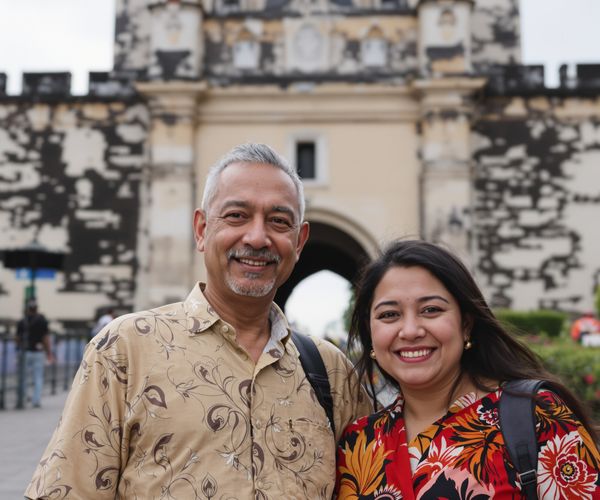
Traveling with family is one of life's greatest joys, but as our children grow into adulthood, the dynamics shift. What was once a simple matter of packing bags and choosing a destination now requires a bit more finesse. My own experiences traveling with my daughter, Róisín, have taught me invaluable lessons about balancing family time with individual pursuits. Here are some tips I've gathered along the way to help you navigate the wonderful world of family travel with adult children.
Understanding the Dynamics of Traveling with Adult Children
The days of dictating every aspect of a family vacation are long gone when your children reach adulthood. Acknowledging this shift is the first step towards a successful trip. It's no longer just about being a parent; it's about relating to your children as fellow adults with their own desires and interests. Open communication and mutual respect become paramount. Remember, this is an opportunity to deepen your family bonds in new and meaningful ways, creating shared memories that you'll all cherish.
Involving Everyone in the Planning Process
Gone are the days of surprising the kids with a trip to Disneyland (unless, of course, they're still secretly dreaming of it!). Now, it's crucial to involve everyone in the planning process. Discuss potential destinations, activities, and accommodations to ensure everyone's interests are considered. We've found that using collaborative tools like shared online documents or even simple online polls can be incredibly helpful in gathering preferences and making decisions. Encourage everyone to voice their expectations and desires for the trip, whether it's exploring ancient ruins, relaxing on a beach, or indulging in local cuisine.
Balancing Together Time and Individual Pursuits
One of the biggest challenges of traveling with adult children is finding the right balance between shared activities and individual pursuits. While it's wonderful to spend quality time together as a family, it's equally important to respect everyone's need for independence and personal space. Allocate time for both shared activities, such as exploring a local market or visiting a historical site, and individual exploration, like pursuing a specific hobby or simply enjoying some quiet time alone. For example, during a recent trip to Italy, we enjoyed group dinners where we could share our experiences after separate daytime activities. Respect different travel styles and energy levels, allowing for downtime and flexibility.
Choosing Activities That Appeal to Different Age Groups
Catering to diverse interests is key to a harmonious family vacation. Offer a variety of options to appeal to different age groups, from cultural experiences like visiting museums and art galleries to outdoor adventures like hiking and kayaking. Consider activities that allow for both participation and observation, accommodating varying levels of physical ability. For instance, a cooking class can be a fun and engaging activity for everyone, while a visit to a local brewery might appeal more to the younger adults. Incorporate elements of learning and discovery to engage everyone's curiosity, whether it's exploring a new culture or trying a new cuisine.
Accommodations and Space
When traveling with adult children, personal space becomes even more crucial. Discuss accommodation options that provide enough space and privacy for everyone. Consider renting separate rooms or suites to allow for personal space and relaxation. Vacation rentals or multi-bedroom condos with communal living areas can also be a great option, providing space for family gatherings while still allowing for individual privacy. This can make a big difference in everyone's overall comfort and enjoyment of the trip.
Budget and Expenses
Money matters can be a sensitive topic, so it's important to have an open and honest discussion about who is covering which costs. Discuss flights, accommodations, meals, and activities. If parents are treating, clearly communicate this to avoid misunderstandings. Be flexible and allow adult children to contribute or pay for certain experiences if they wish. Establishing clear expectations upfront can prevent awkward situations and ensure everyone is on the same page.
Communication and Staying Connected
Even on vacation, staying connected is important, but it's equally important to respect boundaries. Establish expectations for communication during the trip, including check-in times and methods. Utilize technology to stay connected, such as video calls or messaging apps, but be mindful of everyone's preferences and avoid overbearing or intrusive communication. A simple thinking of you message can go a long way without feeling intrusive.
Embracing Flexibility and Spontaneity
No matter how meticulously you plan, things may not always go according to plan. Be prepared to adapt and embrace the unexpected. Leave room for spontaneous activities and unexpected discoveries. Maybe you stumble upon a hidden gem of a restaurant or decide to take a detour to a nearby attraction. The best travel memories are often the ones you didn't plan. Focus on enjoying the moment and creating lasting memories, rather than adhering to a rigid itinerary. After all, the goal is to strengthen family bonds and create shared experiences that you'll all cherish for years to come.
Tips for navigating the wonderful world of family travel with adult children. Balancing family time with individual pursuits, open communication, and respecting personal space.