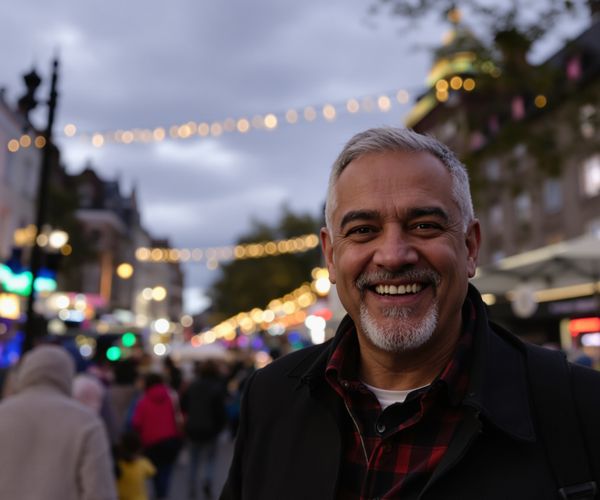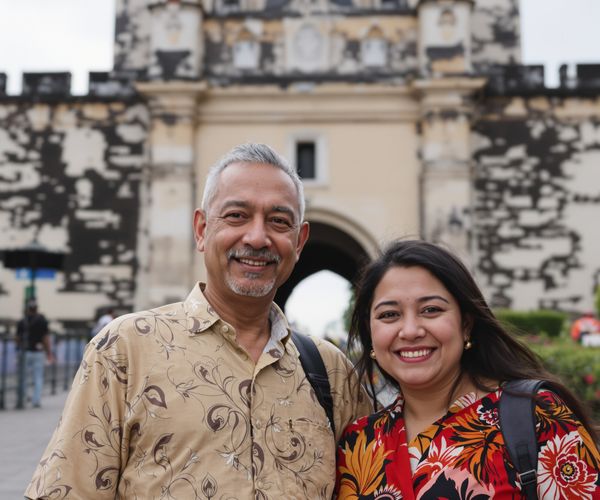
As a Malaysian transplant living in Dublin, I've come to appreciate the unique beauty of cultural celebrations around the world. There's something truly special about immersing yourself in the heart of a local festival, experiencing traditions firsthand, and connecting with people in a way that transcends the typical tourist experience. My travels have taught me that festivals are more than just parties; they're vibrant expressions of history, community, and identity. Let’s explore how you can respectfully and meaningfully participate in these incredible events.
Understanding the Heart of Local Festivals
What exactly is a local festival? It's more than just a street fair or a weekend of music. Local festivals are essential markers of a community's identity, history, and shared values. They are the embodiment of generations of tradition, passed down through stories, rituals, and celebrations. Think of Malaysia's Hari Raya Aidilfitri, celebrating the end of Ramadan with family gatherings and delicious food, or Ireland's St. Patrick's Day, a vibrant display of national pride. These events are not just for show; they are living, breathing testaments to a community's soul.
Festivals act as time capsules, preserving traditions and ensuring they are not forgotten. Through music, dance, food, and storytelling, they keep the spirit of the past alive in the present. They provide a platform for community engagement, bringing people together to share in a collective experience. From the smallest village harvest festival to a large-scale cultural event, these celebrations foster a sense of belonging and pride.
These events help pass down traditions through generations and foster community engagement. Children grow up participating in these festivals, learning the songs, dances, and stories that define their heritage. This ensures the continuity of cultural practices and strengthens the bonds between generations. By participating in festivals, communities reinforce their shared identity and create lasting memories.
Preparing for the Festival Experience
Before you pack your bags and head off to a local festival, a little preparation can go a long way in ensuring a meaningful and respectful experience. Start by doing your homework. Research the festival's origins, purpose, and traditions. What is being celebrated? What are the key rituals or events? Understanding the context will deepen your appreciation and help you avoid accidental disrespect.
Next, check for any specific requirements, such as dress codes or permits. Some festivals may have specific attire that is expected of participants. Others may require permits for certain activities, such as photography or selling crafts. Being aware of these requirements beforehand will save you from potential embarrassment or inconvenience.
Finally, learn a few basic phrases in the local language. Even a simple hello, thank you, or excuse me can go a long way in building rapport with locals. It shows that you are making an effort to connect with them on their terms and that you respect their culture. Don't worry about being perfect; even a clumsy attempt at speaking the local language will be appreciated.
Participating Respectfully
When you arrive at the festival, remember that you are a guest in someone else's home. Be mindful of local customs and etiquette. This includes everything from dress codes to greetings and gestures. Observe how locals interact with each other and try to follow their lead. Avoid making assumptions or imposing your own cultural norms on the situation.
Always seek permission before taking photographs. Some cultures have strong beliefs about photography, and it's important to respect their sensitivities. Even if photography is generally allowed, be mindful of capturing images of people without their consent. A simple request can make a big difference in showing respect.
Be aware of personal space and crowd behavior. Festivals can be crowded and chaotic, but it's important to maintain a sense of decorum. Avoid rushing or pushing, and be mindful of your surroundings. If you're unsure about something, don't hesitate to ask a local for guidance.
Engaging with Locals and Traditions
One of the best ways to immerse yourself in a local festival is to actively participate in the activities. Whether it's learning a traditional dance, trying a local delicacy, or joining in a religious ceremony, embrace the opportunity to experience the culture firsthand. Don't be afraid to step outside of your comfort zone and try something new.
Engage in conversations with locals. Ask them about their experiences, their traditions, and their perspectives on the festival. Show genuine interest in their stories and be a good listener. You'll be surprised at how much you can learn from a simple conversation.
Show appreciation for the artists and performers. Be present during their performances and avoid distractions. Let them know that you appreciate their talent and their dedication to preserving their cultural heritage. A simple smile or a nod of acknowledgment can go a long way.
Supporting the Local Community
Your participation in a local festival can have a positive impact on the community. One way to support the local economy is to purchase local products and crafts. Look for unique souvenirs that are made by local artisans and that reflect the culture of the region. This not only supports their livelihoods but also helps to preserve traditional crafts.
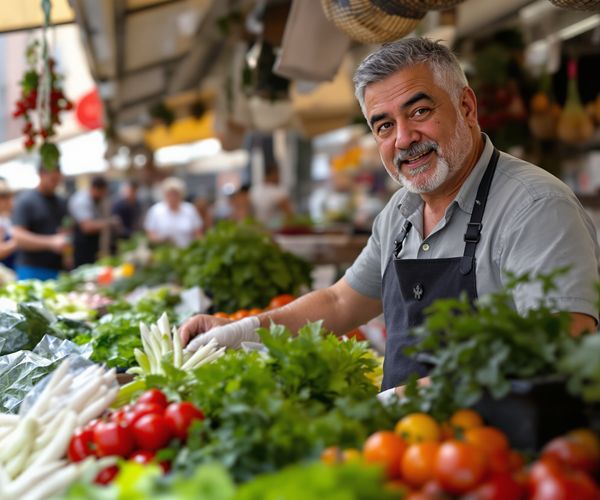
Respect traditional food and cuisine. Try local dishes and support local farmers and vendors. Be open to new flavors and ingredients, and ask questions about the food you are eating. Food is an integral part of any culture, and exploring local cuisine is a great way to connect with the community.
Whenever possible, choose locally owned restaurants, hotels, and tour operators. This ensures that your money stays within the community and that you are supporting local businesses. By making conscious choices about where you spend your money, you can help to create a more sustainable and equitable tourism industry.
Immerse yourself in local festivals for an authentic cultural experience. Learn how to participate respectfully and enjoy vibrant traditions.