As a Malaysian restaurateur living in Dublin, my life revolves around food, both creating it and experiencing it. Over the years, my travels have become increasingly centered around culinary adventures. I've learned a thing or two about how to make the most of these journeys, and I'm excited to share some tips for fellow foodies looking to explore the world, one delicious bite at a time.
Planning Your Culinary Adventure: Research and Preparation
The key to a successful culinary trip lies in the planning. Don't just pick a destination; research it from a foodie's perspective. What are the region's signature dishes? What ingredients are they known for? Which chefs are making waves?
I usually start with online resources like food blogs and travel guides. Websites dedicated to regional cuisine are invaluable. For example, when I was planning a trip to Bologna, Italy, I devoured countless articles about tagliatelle al ragu and learned about the subtle differences between the authentic version and what we often find abroad. I also look for lesser-known dishes; that's where the real adventure begins.
Don't forget to check for seasonal food festivals and events. Imagine timing your visit to Spain to coincide with a paella competition or heading to Thailand during the mango sticky rice festival! These events offer a concentrated dose of local flavor and are fantastic opportunities to sample a wide variety of dishes.
Finally, learning a few basic phrases in the local language goes a long way. Knowing how to ask for recommendations or inquire about ingredients can significantly enhance your interactions with vendors and chefs. A simple Apa khabar? (How are you?) in Malaysia, or Go raibh maith agat (Thank you) in Ireland can open doors and create a more personal connection.
Finding Authentic Food Experiences: Beyond the Tourist Traps
Tourist traps are easy to spot: they're usually crowded, overpriced, and the food is often mediocre. The real magic happens when you venture beyond these well-trodden paths.
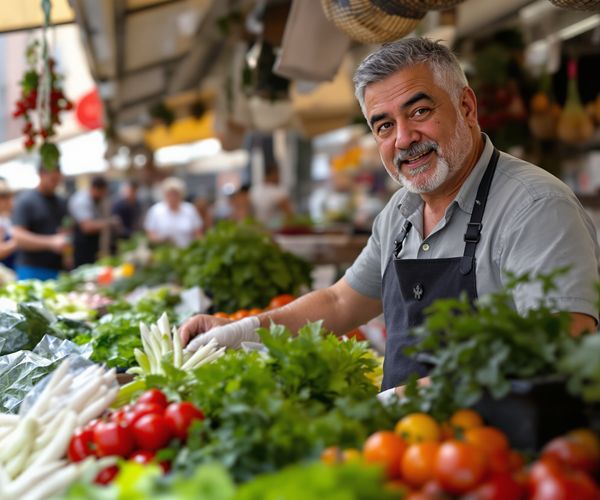
Local markets are a must-visit. They're a feast for the senses, overflowing with fresh produce, exotic spices, and regional specialties. I love wandering through the Mercado Central in Valencia, Spain, marveling at the vibrant displays of oranges, saffron, and freshly caught seafood. It's a fantastic place to soak up the local atmosphere and sample regional delicacies.
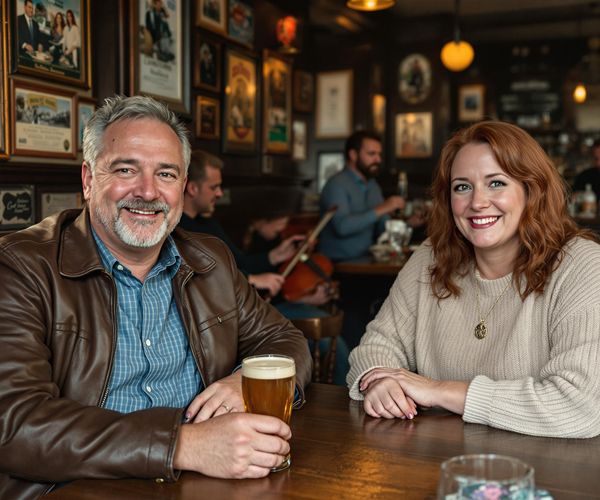
Seek out family-run restaurants and eateries that have been serving the community for generations. These establishments often have a rich history and a deep connection to the local cuisine. Ask locals for recommendations; they'll usually point you towards hidden gems that you won't find in any guidebook. In Dublin, I always recommend Leo Burdock's for a truly authentic fish and chips experience.
Don't be afraid to venture off the beaten path. Sometimes, the best culinary discoveries are made in the most unexpected places. A tiny noodle stall in a back alley in Hanoi, a roadside barbecue in Jamaica – these are the experiences that truly stick with you.
Immersive Culinary Activities: Cooking Classes and Workshops
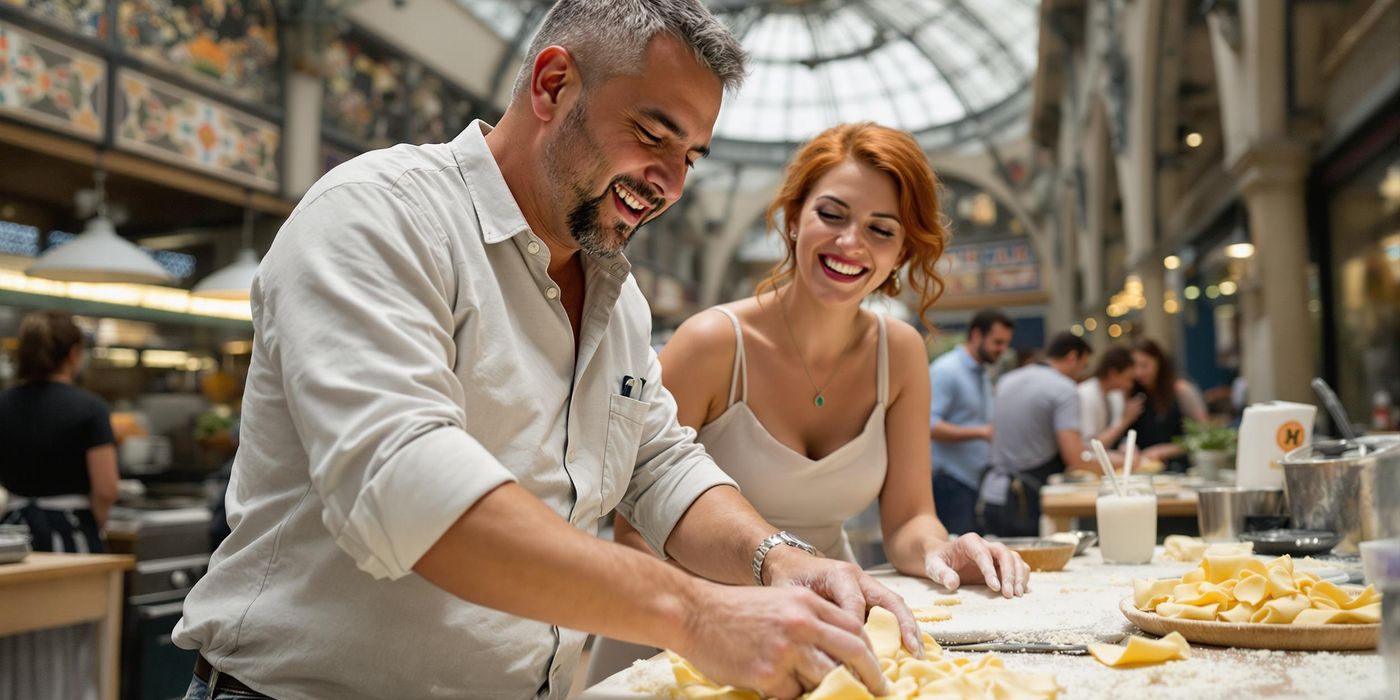
Taking a cooking class is one of the best ways to immerse yourself in a local food culture. You'll learn traditional recipes and techniques, and gain a deeper understanding of the ingredients and flavors that define the region's cuisine.
During a trip to Tuscany, my wife Aoife and I participated in a pasta-making class at a small family-run farm. We learned how to make pici from scratch, using only flour and water. It was a messy, hilarious, and incredibly rewarding experience. We even got to enjoy the fruits of our labor with a delicious lunch paired with local wine.
Visiting local farms and producers can also be a fascinating experience. You'll get to see where your food comes from and learn about the processes involved in growing, harvesting, and producing it. Many farms offer tours and workshops, allowing you to get hands-on and connect with the land.
Consider attending food-related workshops, such as cheese-making or wine-tasting sessions. These activities provide a more in-depth look at specific aspects of the local cuisine and offer opportunities to connect with local experts.
Engaging with Local Food Culture: Respect and Appreciation
When traveling, it's important to be mindful of local customs and etiquette when dining. What might be considered acceptable in one culture could be offensive in another. For example, in some Asian countries, it's considered impolite to stick your chopsticks upright in a bowl of rice, as it resembles incense offerings at funerals.
Show appreciation for the effort and skill involved in preparing traditional dishes. A simple Sedap! (delicious!) in Malaysia or Caint álainn! (beautiful food!) in Ireland can go a long way in showing your gratitude.
Be open to trying new and unfamiliar foods, even if they seem a little strange at first. You might discover your new favorite dish! I remember being hesitant to try balut (fertilized duck egg) in the Philippines, but I ended up being surprised by the rich and savory flavor.
Support local businesses and artisans by purchasing their products. Not only will you be getting a unique souvenir, but you'll also be contributing to the local economy. I always make sure to bring back some locally sourced spices or handcrafted snacks to share with friends and family back home.
Documenting Your Culinary Journey: Capturing Flavors and Memories
Don't forget to document your culinary adventures! Taking photos and videos of dishes, markets, and cooking experiences is a great way to capture the flavors and memories of your travels. {image1} Remember to ask for permission before taking photos of people, especially in more traditional communities.
Keeping a food journal is another excellent way to record your impressions, recipes, and memories. Jot down the names of dishes you tried, the ingredients they contained, and any interesting stories or anecdotes you encountered along the way. You can even try to recreate some of the dishes at home, using your journal as a guide.
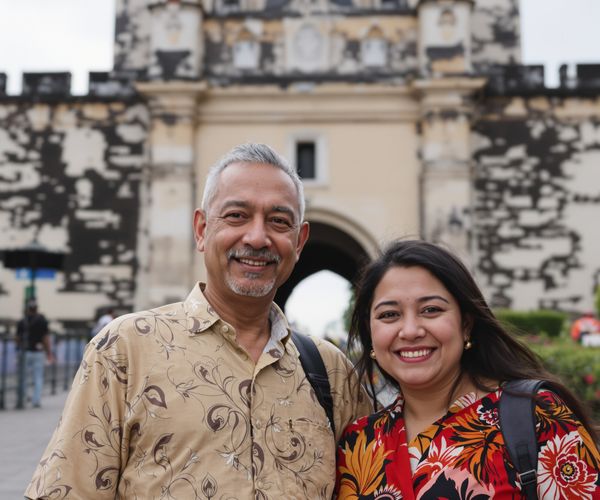
Share your culinary discoveries with friends and family through social media and travel blogs. {image2} It's a great way to inspire others to explore new destinations and embrace different cuisines. You might even discover some new foodies to connect with!
Finally, collect recipes and souvenirs to recreate the flavors of your travels at home. A jar of local honey, a bag of exotic spices, or a handwritten recipe from a friendly chef – these are the treasures that will keep the memories of your culinary journey alive long after you've returned home.
Explore how to maximize your travels by savoring local cuisines. Discover tips for authentic food experiences and integrating cooking classes and market visits into your trip.