Ah, farmers' markets! They're more than just places to buy groceries; they're vibrant hubs of local culture, offering a taste of the community's heart and soul. Over the years, my travels with Aoife and Róisín have led me to countless markets around the world. From the bustling stalls of Southeast Asia to the charming squares of Europe, each market tells a unique story. Let me share some insights to help you navigate these delightful destinations.
Finding the Local Markets
The first step to experiencing a farmers' market is, of course, finding it! Before you even pack your bags, do a little digging. Online resources are your friend here. Many tourism websites list local markets, their opening days, and times. Don't underestimate the power of a good old-fashioned guidebook either. They often contain hidden gems that you won't find online.
Once you arrive, keep your eyes peeled. Local tourism offices are a goldmine of information. They usually have brochures and maps highlighting local attractions, including farmers' markets. Look for signs and community boards, too. These are often posted in town squares, community centers, or even local cafes. They'll advertise upcoming events, including market days.
And never hesitate to ask the locals! Hotel staff, shopkeepers, and residents are usually happy to share their favorite spots. They might even point you towards a hidden gem that's not on any tourist map. Finally, consider the time of year and local growing seasons. Markets are often seasonal, so knowing when the local produce is at its peak will ensure you find the best selection.
Engaging with Vendors: A Taste of Local Life
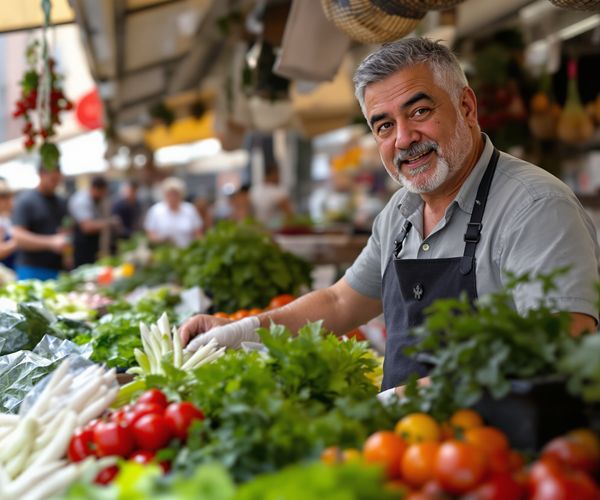
Once you've found your market, it's time to dive in and engage with the vendors. This is where you'll truly get a taste of local life. Start by striking up a conversation. Ask about their farm, their produce, or their craft. Most vendors are passionate about what they do and are happy to share their knowledge.
Don't be afraid to ask about unique or unfamiliar items. Farmers' markets are a great place to discover new foods and crafts. Vendors can tell you how to prepare or use these items, adding to your culinary or artistic repertoire. Remember to respect their time, though. Markets can get busy, so be mindful of other customers waiting. A quick chat is usually welcome, but avoid monopolizing their time during peak hours.
Ultimately, engaging with vendors is about understanding the stories behind the products and the people who make them. It's about connecting with the community and appreciating the hard work and dedication that goes into bringing these goods to market.
Selecting the Best Local Produce
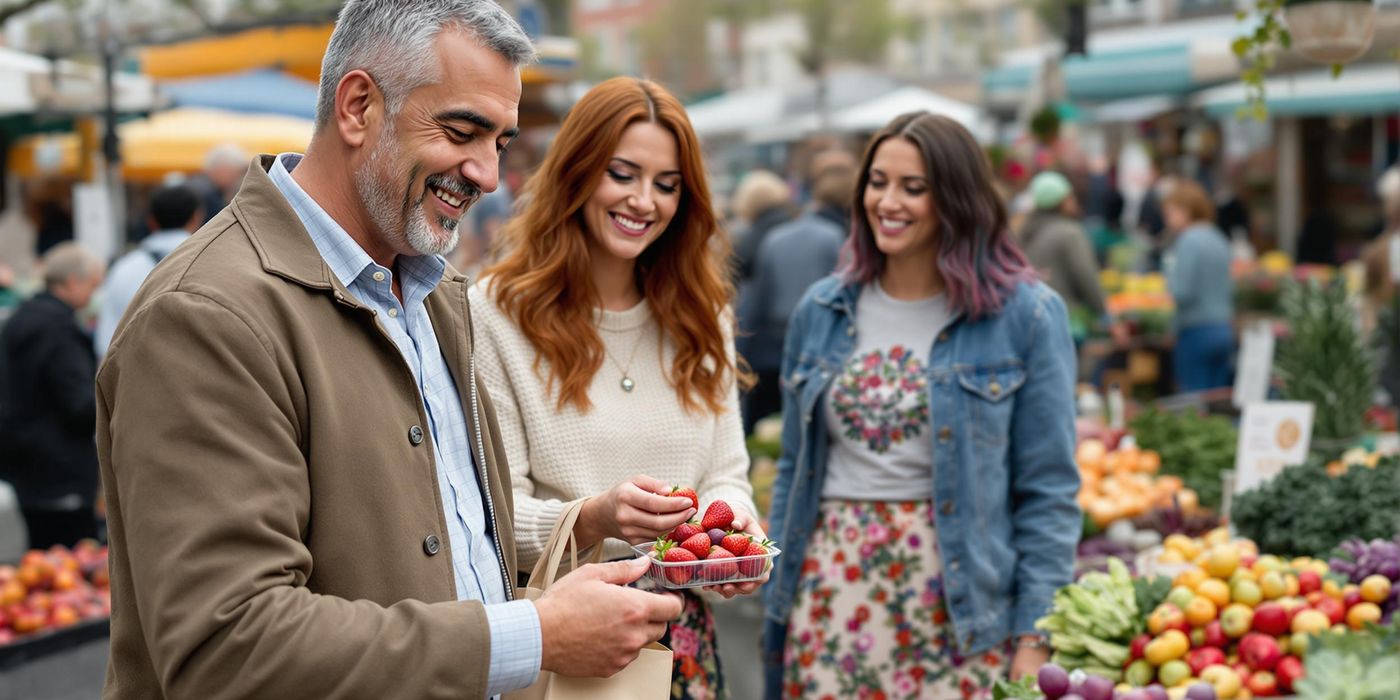
One of the joys of visiting farmers' markets is the opportunity to select the best local produce. Start by looking for seasonal items. What's fresh and in abundance? This will vary depending on the time of year and the region you're visiting. For example, in Ireland during the summer, you'll find an abundance of berries, while in Malaysia, you might find durian in season.
Check for quality. Look for signs of ripeness, freshness, and local growing practices. Are the fruits and vegetables vibrant in color and firm to the touch? Do the vendors mention organic or sustainable practices? Understanding these practices can help you make informed choices and support farmers who are committed to environmental stewardship.
And don't forget to consider unique regional specialties. Farmers' markets are a treasure trove of items you can't find anywhere else. These might include local cheeses, artisanal breads, or handcrafted jams. Trying these unique specialties is a great way to experience the local cuisine and culture.
Respecting Local Customs and Etiquette
As with any travel experience, it's important to respect local customs and etiquette when visiting farmers' markets. Before you start bargaining, find out if it's acceptable or expected. In some cultures, bargaining is a common practice, while in others, it's considered rude.
Always ask before touching. This is especially important for delicate produce or crafts. Vendors take pride in their products, and it's respectful to ask permission before handling them. Be mindful of personal space and cultural norms. What's considered acceptable in one culture might be offensive in another. Pay attention to how locals interact and try to emulate their behavior.
Ultimately, remember that you're supporting local farmers and artisans. Understand the economic impact of your purchases. By buying directly from the source, you're helping to sustain local communities and preserve traditional practices.
Beyond the Food: Exploring Market Culture
Farmers' markets are about more than just food. They're also a great place to explore local culture. Look for local crafts and artisanal goods. You might find handcrafted jewelry, pottery, or textiles. These items make great souvenirs and are a unique way to remember your travels.
Enjoy the atmosphere. Many markets feature music, performances, and community events. These events add to the vibrant atmosphere and provide a glimpse into local traditions. Observe local interactions and traditions. How do people greet each other? What are the common customs and practices?
By observing these interactions, you'll gain a deeper understanding of the market's role in the community's social fabric. Farmers' markets are more than just places to buy and sell goods; they're community gathering places that reflect the unique character of the region.
Explore the charm of farmers' markets worldwide and how they offer a glimpse into local life and cuisine. Tips on what to look for and how to engage with vendors.