From the bustling hawker stalls of Kluang, Malaysia, to the cozy pubs of Dublin, Ireland, my life has been a vibrant tapestry woven with threads of different cultures. As a Malaysian restaurateur living in Dublin, I've always been fascinated by the way people connect – or sometimes, disconnect – across cultural boundaries. It's this fascination, coupled with a few eye-opening travel experiences, that has led me to appreciate the profound importance of cultural sensitivity. Join me as I share some insights on how to travel respectfully and enrich your journey through cultural understanding.
A Taste of Home, a World Away
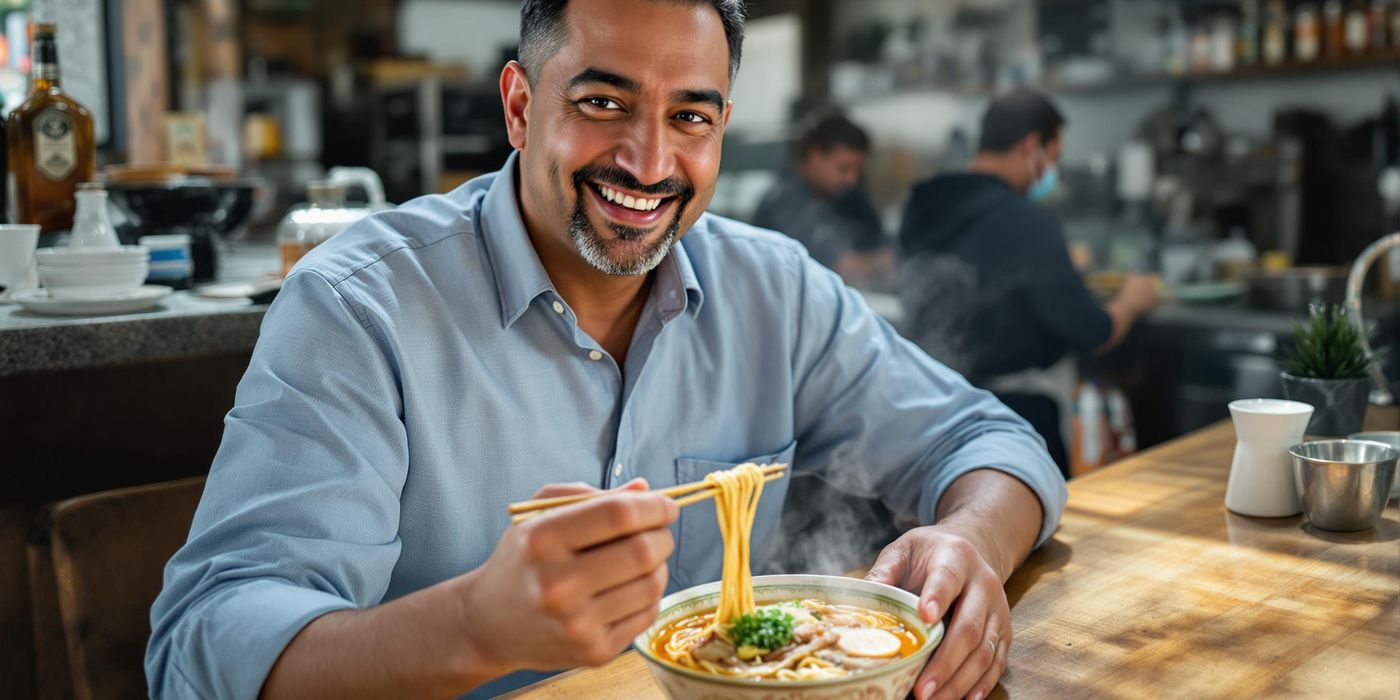
I remember once being in Japan, a country I had long dreamt of visiting. I was eager to try authentic ramen, so I found a small, local eatery. Excited, I slurped my noodles with gusto, a habit from my own culture where it signifies enjoyment. However, I noticed the other diners looking at me with a mix of amusement and slight disapproval. It was only later, after some research, that I learned that while slurping is acceptable, loud slurping can be considered impolite in certain Japanese settings. It was a humbling experience, a reminder that even with the best intentions, cultural misunderstandings can occur. This incident underscored the need for cultural sensitivity, not as a mere checklist item, but as a genuine effort to bridge divides and foster understanding.
What Does 'Cultural Sensitivity' Really Mean?
In the context of travel, cultural sensitivity is about respecting and appreciating the differences in cultures, traditions, and social norms. It's more than just being polite; it's about understanding how your actions and words might affect others. It means acknowledging that what is acceptable in your culture might not be in another. It’s about being mindful and respectful of the local customs and traditions.
The benefits of cultural sensitivity are mutual. For travelers, it opens doors to richer, more authentic experiences. It allows you to connect with locals on a deeper level, learn from their perspectives, and gain a more profound understanding of the world. For host communities, it helps preserve their cultural heritage and fosters a sense of pride and respect.
Learning the Ropes: Research Before You Roam
One of the best ways to practice cultural sensitivity is to do your homework. Research your destination before you even pack your bags. What are the local customs and traditions? What is considered polite or rude? Are there any specific etiquette guidelines you should be aware of?
There are plenty of resources available to help you prepare. Online forums like TripAdvisor, cultural blogs, and travel guides can provide valuable insights. Language learning apps such as Duolingo can help you learn basic phrases in the local language. Even a small effort to learn a few greetings or expressions of gratitude can be received warmly and make a big difference in your interactions with locals.
Navigating Social Interactions: Mind Your Manners
Social interactions are a key part of any travel experience, and it's important to be mindful of your manners. Different cultures have different norms when it comes to greetings, gestures, and body language. For example, a firm handshake might be common in Western cultures, but a bow is more appropriate in many Asian countries.
Be aware that some gestures can be easily misinterpreted. The thumbs-up, for instance, is considered positive in many parts of the world, but it's an offensive gesture in some Middle Eastern countries. Always ask for permission before taking photos of people or sacred sites. Dress modestly and appropriately, especially when visiting religious sites. Respect privacy and personal space, and avoid loud or disruptive behavior in public places.
Supporting Local Communities: Eat, Shop, and Stay Local
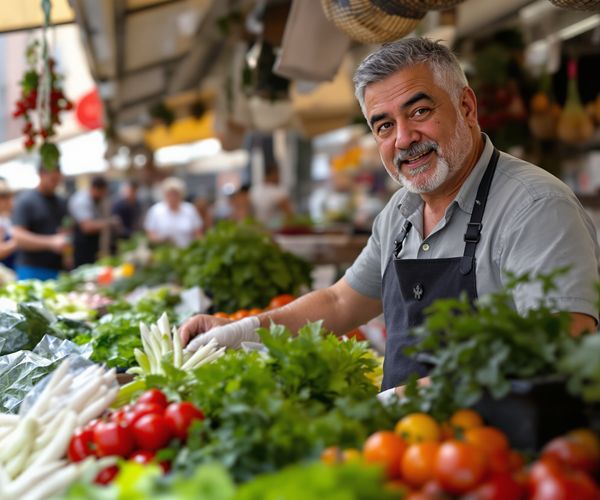
One of the most impactful ways to show respect for local culture is to support local businesses. When you eat at family-owned restaurants, buy handmade souvenirs, and stay in locally owned accommodations, you're directly benefiting the community and helping to preserve its cultural heritage. Large corporations and resorts often have a negative impact on local economies, diverting resources away from small businesses and contributing to the homogenization of culture.
Visit local markets and festivals to experience authentic culture and support local artisans. Engage with vendors and learn about their crafts and traditions. By choosing to support local businesses, you're not only enriching your own travel experience but also making a positive contribution to the community.
Beyond the Surface: Engaging in Meaningful Cultural Exchanges
Go beyond the typical tourist attractions and seek out opportunities to engage with locals. Attend local festivals, participate in traditional activities, and take cooking classes. Learn about local stories and histories, and be open to different perspectives. Cultural sensitivity in tourism means engaging with locals in meaningful and respectful ways, creating opportunities for mutual learning and understanding.
Instead of judging or comparing cultures, embrace the opportunity to learn and grow. Be open-minded and flexible, and be willing to step outside of your comfort zone. The most rewarding travel experiences often come from unexpected encounters and spontaneous adventures.
Ethical Considerations: Avoiding Exploitation and Appropriation
It's important to be mindful of the ethical implications of your travel choices. Avoid activities that exploit animals or humans, such as elephant riding or visiting unethical wildlife sanctuaries. Understand the difference between cultural appreciation and cultural appropriation. Cultural appreciation involves learning about and respecting another culture, while cultural appropriation involves taking elements of another culture out of context and using them for your own gain, often without understanding or respecting their original meaning.
Be mindful of how your actions impact local communities and traditions. Support community-led initiatives and explore underrepresented destinations. Respect intellectual property and traditional knowledge, and avoid purchasing counterfeit goods or products that infringe on local copyrights. By making ethical choices, you can help ensure that your travels have a positive impact on the world.
Explore the importance of cultural sensitivity in travel, with tips from a Malaysian restaurateur in Dublin on respecting local customs for enriching experiences.