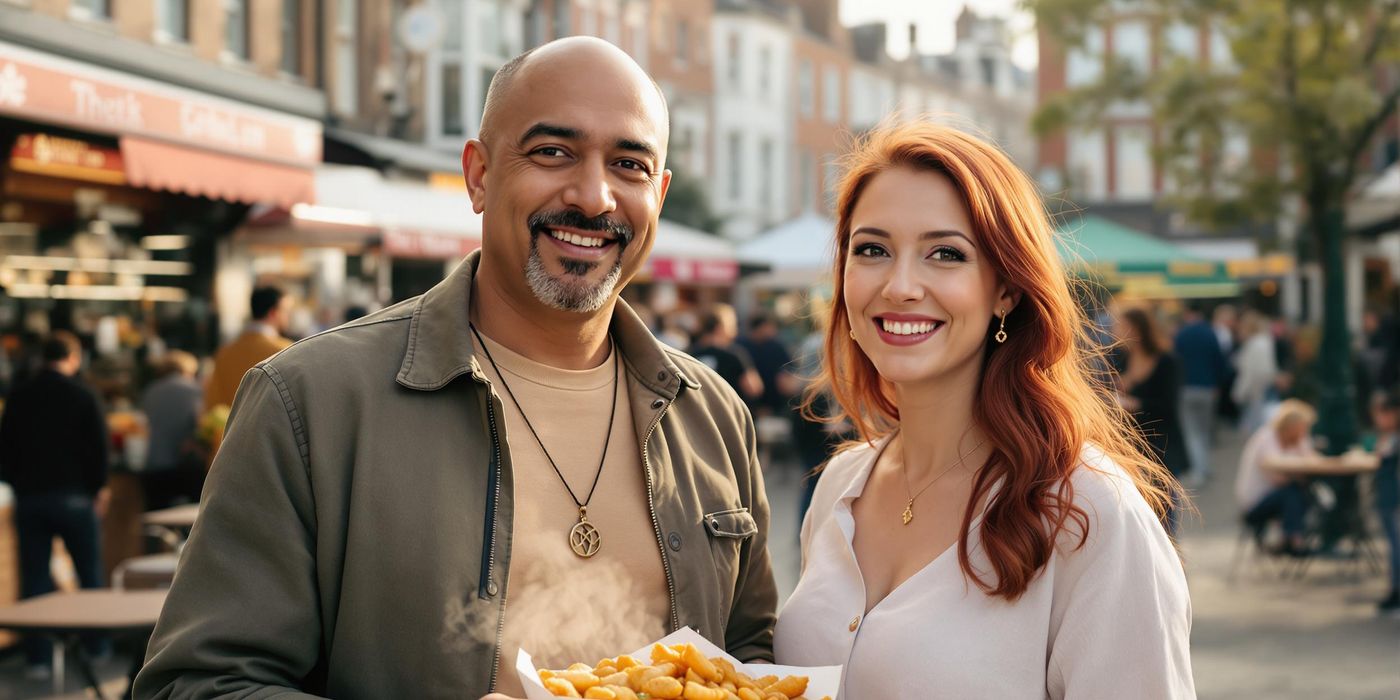
Selamat Datang, fellow travelers! Ahmad here, your friendly Malaysian restaurateur from Dublin, ready to share some insights from my own journeys around the globe. Over the years, I've learned that travel isn't just about seeing new places; it's about capturing the stories they tell through the lens of a camera. So, grab your gear, and let's dive into the art of travel photography!
Gear Essentials: More Than Just a Camera
Now, before you embark on your photographic adventure, let’s talk about gear. Don't think you need the most expensive equipment to take great photos. It's more about knowing how to use what you have. For me, it's about finding the right balance between quality and convenience.
- Consider a versatile zoom lens that covers a wide range of focal lengths. This will allow you to capture everything from sweeping landscapes to detailed portraits without constantly swapping lenses.
- Don't underestimate the power of a good tripod. It's essential for sharp images in low-light conditions and for capturing stunning landscapes with long exposures.
- Filters can be your best friends, especially when shooting in bright sunlight or near water. A polarizing filter can reduce glare and enhance colors, while a neutral density filter can allow you to use slower shutter speeds in bright conditions.
- And of course, memory cards! Always bring extra, and make sure they are fast enough to keep up with your camera's burst mode.
Remember, the best camera is the one you have with you. Whether it's a high-end DSLR or your smartphone, learn its strengths and limitations, and you'll be well on your way to capturing stunning travel photos.
Mastering Composition: Framing Your Story
Composition is key to creating visually appealing and engaging photographs. It's about arranging the elements within your frame in a way that tells a story and draws the viewer in. Here are a few techniques I've found particularly useful:
- The Rule of Thirds: Imagine dividing your frame into nine equal parts with two horizontal and two vertical lines. Placing key elements along these lines or at their intersections can create a more balanced and dynamic composition.
- Leading Lines: Use lines to guide the viewer's eye through the image. Roads, rivers, fences, and even shadows can serve as leading lines, drawing the viewer deeper into the scene.
- Symmetry and Patterns: Look for symmetrical scenes or repeating patterns that can create a sense of order and harmony. These can be found in architecture, nature, and even in everyday objects.
- Perspective: Don't be afraid to experiment with different angles. Shooting from a low angle can make your subject appear more imposing, while shooting from a high angle can provide a broader view of the scene.
Simplifying your compositions by removing distractions and focusing on the essential elements can also make a big difference. Sometimes, less is more!
The Art of Storytelling: Capturing Candid Moments
For me, the heart of travel photography lies in capturing candid moments that reveal the essence of a place and its people. It's about going beyond the typical tourist shots and seeking out authentic interactions and experiences. Consider these tips:
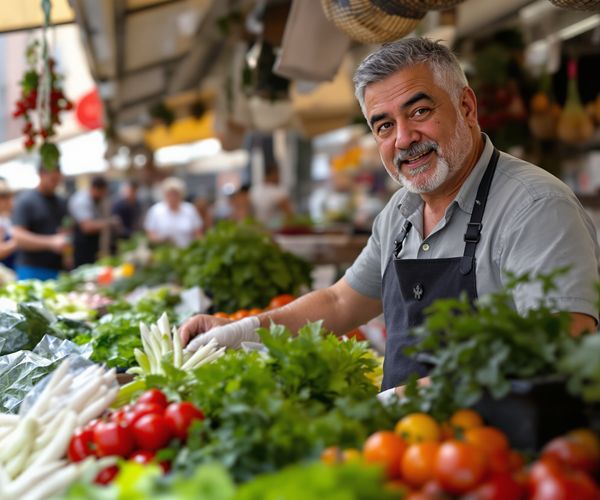
- Culture: Try to capture the local culture, people, and history through photography. Look for details that tell a story about the place. For example, a street food vendor preparing a local delicacy, or a group of children playing in a village square.
- Candid Moments: Capturing candid moments is all about being patient and observant. Watch for genuine interactions and expressions, and be ready to capture them when they happen. These are the moments that will truly bring your travel stories to life.
- Respect: When photographing people, always be respectful of their culture and customs. Ask for permission before taking their picture, and be mindful of their personal space. A smile and a friendly gesture can go a long way.
- Details: Don't forget to capture the small details that add texture and depth to your images. These could be anything from the intricate patterns on a traditional textile to the vibrant colors of a local market.
Light and Shadow: The Golden Hours
Ah, light – the soul of photography! Understanding how to use light effectively can dramatically improve your travel photos. The golden hours, the period shortly after sunrise and before sunset, are particularly magical. During these times, the light is soft, warm, and diffused, creating a beautiful glow that can enhance any scene.
- Golden Hour: The golden hour is perfect for capturing portraits, landscapes, and cityscapes. The warm light adds a sense of drama and atmosphere to your images.
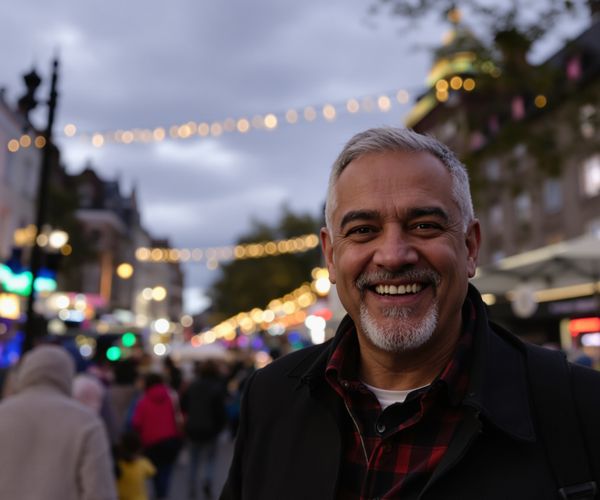
- Blue Hour: The blue hour, the period just before sunrise and after sunset, can also produce stunning results. The soft, cool light creates a serene and ethereal mood.
- Challenging Conditions: Shooting in challenging lighting conditions, such as midday sun or low light, can be tricky, but not impossible. In bright sunlight, look for shade or use a polarizing filter to reduce glare. In low light, use a tripod or increase your ISO setting.
- Reflectors and Diffusers: Consider using reflectors or diffusers to enhance natural light. A reflector can bounce light into shadows, while a diffuser can soften harsh light.
Ethical Considerations: Respecting People and Places
Finally, let's talk about ethical considerations. As travel photographers, we have a responsibility to respect the people and places we photograph. This means being mindful of local cultures, traditions, and laws, and avoiding any actions that could be harmful or exploitative.
- Respect: Always respect local cultures, traditions, and laws. Dress modestly when visiting religious sites, and be mindful of local customs and etiquette.
- Consent: Obtain consent before photographing people, especially in sensitive situations. Explain why you want to take their picture, and be respectful of their wishes if they decline.
- Poverty Tourism: Avoid 'poverty tourism' and any actions that could exploit vulnerable communities. Be mindful of the power dynamics at play, and avoid taking pictures that perpetuate stereotypes or dehumanize people.
- Environment: Be mindful of fragile environments, leaving no trace and supporting local conservation efforts. Avoid disturbing wildlife or damaging natural habitats.
By following these ethical guidelines, we can ensure that our travel photography is not only beautiful but also responsible and respectful.
So there you have it – a few tips to elevate your travel photography. Remember, the most important thing is to have fun and enjoy the journey. Happy shooting, and may your travels be filled with unforgettable moments!
Ahmad Gan shares insights on travel photography, covering gear, composition, storytelling, lighting, and ethical practices to capture the essence of your journey.