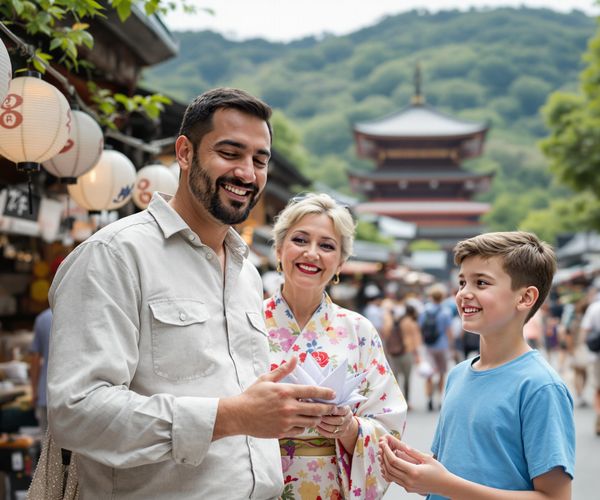
Planning a trip that excites both the adventurous soul and the family-oriented heart can feel like navigating a maze. But trust me, as someone who's juggled coding by day with trekking through ancient ruins by weekend, it's absolutely achievable. This guide will share how my family and I, Ahmed, Lena, and young Omar, blend adrenaline with relaxation, turning every vacation into a memorable chapter.
Understanding the Family's Adventure Quotient
Before even dreaming of scaling mountains or diving into deep seas, take a moment to understand your family's adventure comfort zones. It's not just about age; it's about individual interests and physical abilities. I learned this the hard way. I once planned a rigorous hike, thinking Omar, full of six-year-old energy, would be thrilled. Turns out, halfway up, enthusiasm waned, replaced by demands for piggybacks and snacks. Now, I carefully consider his stamina and interests. Does he prefer exploring historical sites or running around in nature? Lena and I also have different preferences; she enjoys cultural immersion and I want to go paragliding. Understanding these nuances is the bedrock of successful family adventure planning.
Destination Selection: A Blend of Thrills and Comfort
The key to finding the perfect destination lies in researching locations that offer a harmonious blend of adventurous activities and family-friendly amenities. One of our favorite trips was to the Harz Mountains in Germany. The hiking trails offered stunning views and a good workout for me, while the charming towns and fairytale castles kept Lena and Omar engaged. Another memorable trip was to Jordan, my homeland. We explored ancient cities like Petra, floated in the Dead Sea, and camped in the Wadi Rum desert. It was a journey that combined historical exploration with thrilling desert adventures, all while being suitable for a family with a young child. When searching for accommodations, look for places that cater to both adventure seekers and those who prefer relaxation. Hotels with kids' clubs, pools, and easy access to hiking trails or cultural sites are ideal. And don't forget to consider travel time and accessibility, especially for younger children. Long flights or complicated transfers can quickly dampen the spirits of even the most enthusiastic travelers.
Activity Planning: Engaging Everyone
Choosing activities that appeal to a range of ages and interests is crucial for a successful family adventure. The goal is to find a balance between thrilling experiences and activities that everyone can enjoy. For example, instead of a full-day hike, opt for a shorter, guided nature walk with interactive elements that keep children engaged. Incorporating cultural experiences into your itinerary is also a great way to broaden horizons and create lasting memories. Visiting local markets, attending cultural festivals, or taking a cooking class can provide a deeper understanding of the destination. I recall a trip to Italy where I insisted on visiting every single Roman ruin, while Lena and Omar were more interested in gelato and street performers. We compromised by alternating between historical sites and gelato breaks, ensuring everyone had a say in the itinerary. And remember to research local guides and tour operators who specialize in family adventures. They can provide valuable insights, adapt activities to suit different ages and abilities, and ensure a safe and enjoyable experience for everyone.
The Art of Compromise: Balancing Individual Desires
Let's face it, not everyone in the family will always agree on what to do or where to go. That's where the art of compromise comes in. Open communication is key. Involve everyone in the planning process, listen to their ideas, and be willing to negotiate. Lena and I have a system where we alternate choosing activities. One day, I get to indulge in my adventurous pursuits, like rock climbing or white-water rafting, while the next day, Lena gets to choose a more relaxed activity, such as visiting a museum or exploring a local market. This ensures that everyone gets a chance to pursue their interests. I remember a trip where I desperately wanted to go scuba diving, but Lena and Omar were hesitant. We compromised by finding a snorkeling spot that was suitable for all of us. While I didn't get to explore the depths of the ocean, we all had a fantastic time marveling at the colorful marine life. Successfully navigating conflicting desires requires patience, understanding, and a willingness to find solutions that work for everyone.
Essential Gear and Packing Tips for Family Adventures
Packing for a family adventure requires careful consideration of both comfort and practicality. Versatile travel gear is essential. Think clothing that can be layered, sturdy shoes suitable for various terrains, and a reliable backpack for carrying essentials. For Omar, when he was younger, a good quality backpack carrier was a lifesaver. It allowed us to explore challenging trails without leaving him behind. And don't forget to pack light! The less you have to carry, the more enjoyable your adventure will be. Focus on essential items and consider purchasing things like diapers or sunscreen at your destination. Preparing for unexpected situations is also crucial. Pack a basic first-aid kit, including pain relievers, bandages, and antiseptic wipes. Be sure to check the weather forecast and pack accordingly. And always have a backup plan in case of changes in weather or minor injuries.
Embracing Flexibility: The Key to a Stress-Free Adventure
Perhaps the most important ingredient for a successful family adventure is flexibility. Things rarely go exactly as planned when traveling with family. Delays, illnesses, and weather-related disruptions are all part of the experience. The key is to be adaptable and open to changing plans. I remember a trip where our flight was delayed, causing us to miss a connecting flight. Instead of getting stressed, we decided to explore the city we were stranded in. We stumbled upon a hidden gem of a restaurant and had a delicious meal. It turned what could have been a frustrating experience into a memorable adventure. Focus on the experience rather than sticking rigidly to a schedule. Allow for spontaneous detours and embrace the unexpected. And don't forget the importance of travel insurance. It can provide peace of mind in case of unforeseen circumstances, such as medical emergencies or lost luggage. With a flexible attitude and a willingness to embrace the unexpected, you can turn setbacks into opportunities for spontaneous adventures and create lasting memories with your family.
Learn how to plan a trip that satisfies both your adventurous spirit and your family's comfort, ensuring everyone has a memorable experience.