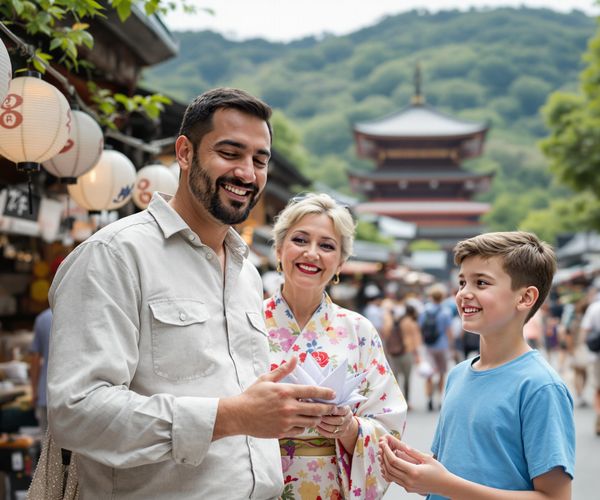
As a software developer by trade and a travel enthusiast by nature, I've learned that the key to a memorable trip isn't just about the destination, but also about the journey – and that journey starts with a well-crafted itinerary. However, I've also learned that the best itineraries are those that strike a delicate balance between meticulous planning and the freedom to embrace the unexpected. Join me as I share my insights on crafting the perfect travel itinerary, blending structure with spontaneity to maximize your travel experiences.
The Essence of a Balanced Itinerary
In my experience, a travel itinerary is more than just a schedule; it's a roadmap to adventure. It provides a framework for your trip, ensuring you make the most of your time and resources. However, it's crucial to avoid the pitfalls of over-planning or under-planning. Over-planning can leave you feeling rigid and stressed, missing out on spontaneous opportunities. On the other hand, under-planning can lead to missed opportunities and wasted time.
The sweet spot lies in a balanced itinerary – one that combines structure with flexibility. This approach allows you to cover essential aspects of your trip while leaving room for improvisation and discovery. I remember a trip to Rome a few years back. I had meticulously planned our visits to the Colosseum and the Vatican, but I also left a few afternoons open. During one of those free afternoons, we stumbled upon a local festival in Trastevere, complete with music, food, and dancing. It was an experience that wouldn't have been possible if we had stuck rigidly to our original plan.
Essential Components of a Travel Itinerary
A comprehensive travel itinerary should include several key components:
- Transportation: Booking flights, trains, or rental cars in advance can often save you money and ensure availability, especially during peak season.
- Accommodation: Selecting and reserving hotels, hostels, or Airbnb is crucial. Consider location, price, and amenities to find the best fit for your needs.
- Activities and Attractions: Identifying key sights and experiences is essential. Prioritize what you want to see and do, and allocate time accordingly.
- Budgeting: Estimating costs for transportation, accommodation, food, and activities helps you stay within your financial means. Don't forget to factor in unexpected expenses.
- Contingency Planning: Preparing for unexpected events or delays is a must. Pack a basic first-aid kit, and save important documents digitally.
- Visa Requirements and Travel Advisories: Ensure you have the necessary travel documents and are aware of any travel advisories for your destination.
Striking the Right Balance: Planning vs. Spontaneity
Incorporating flexibility into a structured itinerary is an art. Here are a few techniques I've found helpful:
- Allotting Free Time: Schedule blocks of free time for exploration and unplanned adventures. This allows you to wander off the beaten path and discover hidden gems.
- Using a 'Buffer Day': A buffer day can accommodate delays or unexpected opportunities. It provides a cushion in case things don't go according to plan.
- Researching Local Events: Look into local events and festivals that might not be in guidebooks. These can offer unique cultural experiences.
- Leveraging Travel Apps: Use travel apps and online resources to stay informed and adaptable. Apps like Google Maps and local transportation apps can be invaluable.
Ahmed's Planning Strategies: A Personal Approach
When planning family trips with my wife, Lena, and our son, Omar, I like to involve them in the process. I start by researching destinations using guidebooks, travel blogs, and online forums. I then create a shared document where we can all add ideas and suggestions. For our recent trip to Japan, Omar was particularly excited about visiting the Ghibli Museum, so we made sure to prioritize that.
I also rely on digital tools like Google Maps and Trello to organize our itineraries. Google Maps helps me visualize distances and transportation options, while Trello allows me to create detailed to-do lists and assign tasks. I typically pre-book accommodations and tours for popular attractions, but I also leave some aspects of the trip open to spontaneity. For example, we didn't have any specific dinner plans for our first night in Kyoto, and we ended up stumbling upon a fantastic ramen shop that was packed with locals. It was one of the best meals of the trip!
Tools and Resources for Itinerary Planning
There are numerous apps and websites available to help you plan your travel itinerary. Some of my favorites include:
- Google Maps: For navigation and exploring local areas.
- Trello: For creating and organizing itineraries and to-do lists.
- TripAdvisor: For reading reviews and finding attractions and activities.
- Skyscanner: For finding deals on flights.
- Booking.com: For finding deals on accommodations.
Don't forget to leverage online travel communities and forums for insider tips and recommendations. Happy travels!
Learn how to craft the perfect travel itinerary with tips for balancing structure and spontaneity. Discover essential components and planning strategies.