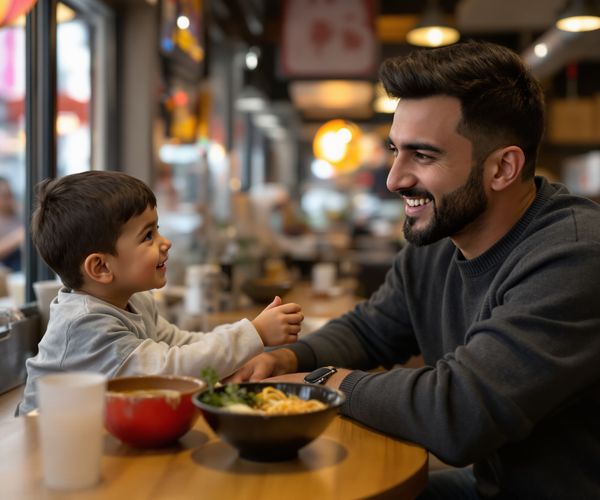
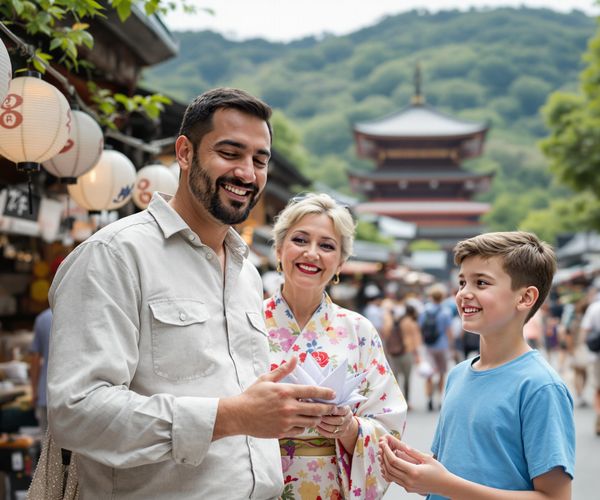
As a software developer originally from Jordan, now living in Germany, I've always found travel to be more than just seeing new places; it's about connecting with people and understanding their stories. A big part of that connection comes from speaking their language, even if it's just a few phrases. Over the years, I've picked up a few tricks for learning languages while traveling, and I'm excited to share them with you.
Why Learn a Language for Travel?
Learning a new language can dramatically enhance your travel experiences. It's more than just being able to order food or ask for directions; it's about unlocking a deeper understanding of the culture and the people who live there. When you speak even a little of the local language, you show respect and a willingness to connect, which can lead to incredible encounters and friendships.
Imagine being able to share a joke with a local, understand the nuances of a conversation, or even just navigate a bustling market with ease. These are the moments that transform a trip from a simple vacation into a truly immersive experience. Plus, there’s a certain confidence that comes with knowing you can handle yourself in a foreign land, making you a more independent and resourceful traveler.
I remember once being in a small village in Italy, trying to order a specific type of pasta. My attempts in English were met with polite confusion. But when I stumbled through a few phrases in Italian, the shop owner’s face lit up. He not only understood what I wanted but also shared a family recipe and a fascinating story about the region's culinary history. That wouldn't have happened if I hadn't tried to speak his language.
Essential Phrases to Learn Before You Go
Before embarking on your journey, focus on learning practical phrases that will help you navigate common travel situations. You don't need to become fluent overnight; even knowing a few key phrases can make a huge difference. Start with the basics: greetings, polite requests, and essential questions.
Here are a few examples:
- Greetings: Hello, Goodbye, Good morning, Good evening
- Basic requests: Please, Thank you, You're welcome, Excuse me
- Directions: Where is...? How do I get to...? Is it far?
- Food and drink: I would like..., How much does it cost? Water, Beer, Coffee
- Emergencies: Help! I need a doctor. Call the police.
Create a customized phrase list based on your itinerary and planned activities. If you're visiting a coastal town, learn phrases related to seafood and sailing. If you're exploring historical sites, familiarize yourself with vocabulary related to history and architecture. The more relevant your phrases are, the more useful they'll be.
Utilizing Language Learning Apps on the Road
In today's digital age, language learning apps are invaluable resources for travelers. They offer a convenient and accessible way to learn new languages on the go, whether you're waiting for a flight, riding a train, or relaxing in your hotel room. However, not all apps are created equal, and it's important to choose one that suits your learning style and travel needs.
Here are a few popular options:
- Duolingo: A gamified approach to language learning, perfect for beginners. It offers a wide range of languages and focuses on vocabulary and grammar. However, it may not be ideal for in-depth conversational skills.
- Babbel: Focuses on practical conversations and real-life scenarios. It offers structured courses and personalized learning paths, making it a good option for intermediate learners.
- Memrise: Uses mnemonic devices and spaced repetition to help you memorize vocabulary. It's great for building a strong foundation of words and phrases, but it may not cover grammar as comprehensively as other apps.
When choosing an app, consider factors like offline access (essential for areas with limited internet connectivity), ease of use, and focus on practical communication. Look for apps that offer audio pronunciations by native speakers to ensure you're learning the correct sounds.
Immersive Techniques for Language Acquisition
While apps and textbooks are helpful, nothing beats immersing yourself in the language and culture. Cultural immersion is a powerful tool for language acquisition, as it forces you to use the language in real-world situations and exposes you to authentic accents and expressions.
Here are a few ways to immerse yourself while traveling:
- Watch local TV shows and movies: Pay attention to the dialogue, body language, and cultural references. Even if you don't understand everything, you'll start to pick up on patterns and nuances.
- Listen to local music and podcasts: This is a great way to improve your listening comprehension and learn new vocabulary. Look up the lyrics to songs and try to sing along.
- Engage with local communities: Visit local markets, attend cultural events, and strike up conversations with people you meet. Don't be afraid to make mistakes; most locals will appreciate your effort to speak their language.
Consider using language exchange apps or attending local meetups to practice with native speakers. These platforms connect you with people who are learning your native language, allowing you to exchange language skills and cultural insights.
Overcoming Challenges and Staying Motivated
Learning a language on the go is not without its challenges. Limited time, lack of practice partners, and fear of making mistakes are common obstacles. However, with the right strategies and mindset, you can overcome these challenges and stay motivated.
Here are a few tips:
- Set realistic goals: Don't try to learn everything at once. Focus on mastering a few key phrases each day or week. Celebrate small victories to stay motivated.
- Find a travel buddy: Learning with a friend or family member can make the process more enjoyable and provide you with a built-in practice partner.
- Embrace mistakes: Don't be afraid to make mistakes; they're a natural part of the learning process. View them as opportunities to learn and improve. Most importantly, have fun!
I remember feeling incredibly frustrated when I first started learning German. The grammar seemed impossible, and I was constantly making mistakes. But I kept practicing, celebrating small victories, and reminding myself why I wanted to learn the language. Over time, it became easier, and I started to enjoy the process. Now, I can confidently navigate daily life in Hamburg and even have conversations with locals about complex topics.
Learning a language while traveling is an enriching experience that can open doors to new cultures, friendships, and perspectives. So, pack your bags, download a language learning app, and get ready to embark on a linguistic adventure!
Enhance your travel experiences by learning new languages on the go. Discover practical tips for quick and effective language acquisition, and connect with locals.