As a Jordanian man living in Germany and traveling the world with my family, I've learned that travel is about more than just seeing new places; it's about understanding and respecting the cultures we encounter. Cultural etiquette is the key to unlocking meaningful experiences and building genuine connections with people from different backgrounds.
In this article, I'll share some essential tips and personal anecdotes to help you navigate cultural differences with grace and empathy. Whether you're a seasoned globetrotter or planning your first international trip, understanding and practicing good cultural etiquette will enrich your journey and leave a positive impact on the places you visit.
The Importance of Cultural Etiquette in Travel
Why does cultural etiquette matter? It's simple: it shows respect. When you take the time to learn about local customs and traditions, you're demonstrating that you value the people and their way of life. This opens doors to deeper interactions and more authentic experiences.
Respecting local customs enhances interactions by fostering trust and goodwill. Imagine trying to communicate without knowing the language – gestures and a smile can go a long way, but understanding the nuances of local etiquette can bridge even wider gaps. On the other hand, cultural faux pas can sometimes lead to misunderstandings or even offense, potentially impacting your trip negatively.
Understanding Non-Verbal Communication
Non-verbal communication is a powerful tool, but it can be tricky to navigate across cultures. Gestures, body language, and facial expressions can have vastly different meanings depending on where you are in the world. What might be considered polite in one culture could be offensive in another.
For example, the OK sign, made by forming a circle with your thumb and forefinger, is widely recognized in many Western countries. However, in some parts of South America, it's considered an obscene gesture. Similarly, direct eye contact, which is often seen as a sign of honesty and attentiveness in Western cultures, can be interpreted as disrespectful or challenging in some Asian and African cultures.
My advice is to observe and adapt. Pay attention to how locals interact with each other and try to mirror their behavior. If you're unsure about something, it's always better to err on the side of caution and avoid gestures that could be misinterpreted.
Dining Etiquette Around the World
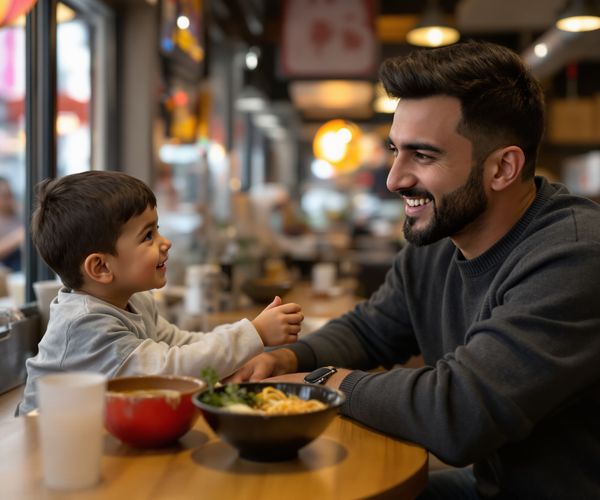
Dining is a universal experience, but the customs surrounding it vary greatly from one culture to another. From using chopsticks in Asia to eating with your hands in parts of the Middle East and Africa, the rules of the table can be quite diverse.
In many Asian countries, for example, it's considered impolite to stick your chopsticks upright in a bowl of rice, as this resembles incense offerings at funerals. In some Middle Eastern cultures, the left hand is traditionally considered unclean and should not be used for eating. In Europe, table manners are often more formal, with specific rules about which utensils to use for each course.
When sharing a meal, show respect and appreciation by following the lead of your hosts. Observe how they eat, and try to emulate their behavior. If you're unsure about something, don't be afraid to ask for guidance. A little effort to understand and follow local customs can go a long way in showing your appreciation.
Gift-Giving Customs
Gift-giving is a common way to show appreciation and build relationships, but it's important to be aware of the cultural nuances involved. What might be considered a thoughtful gift in one culture could be seen as inappropriate or even offensive in another.
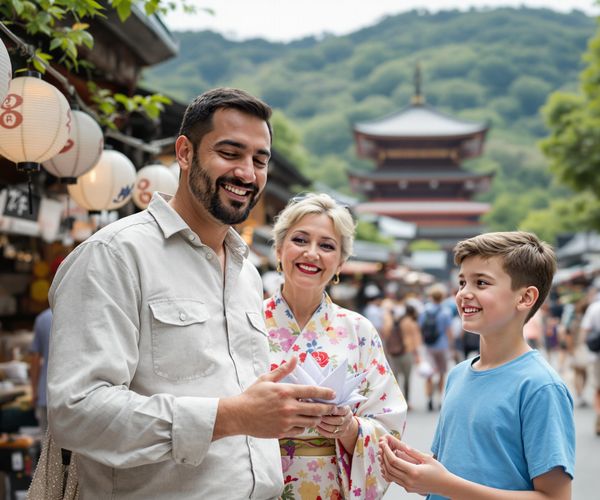
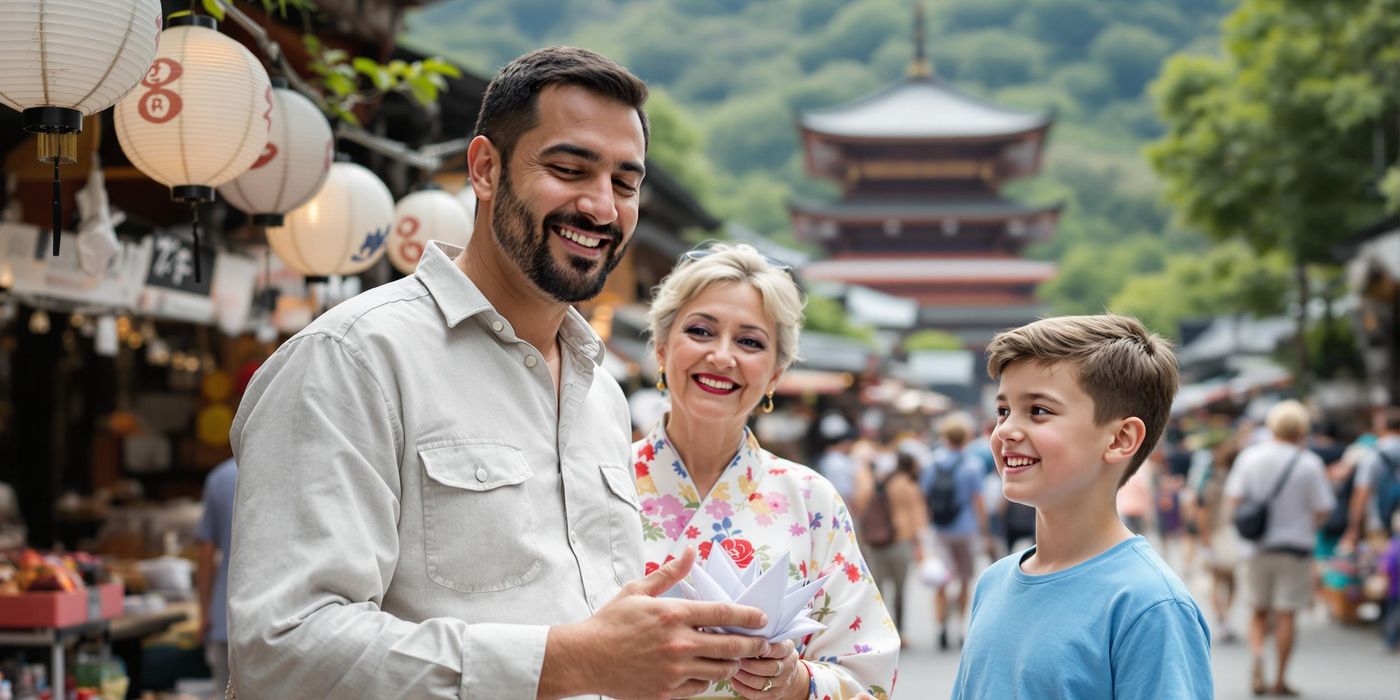
In some cultures, the wrapping and presentation of a gift are just as important as the gift itself. For example, in Japan, gifts are often wrapped in a specific way, and the color of the wrapping paper can have symbolic meaning. In China, it's considered polite to refuse a gift several times before finally accepting it.
Certain gifts are considered taboo in some cultures. For example, giving a clock as a gift in China is considered bad luck, as the word for clock sounds similar to the word for death. Similarly, giving knives as a gift in some cultures is seen as a symbol of cutting off the relationship.
Dress Codes and Appearance
Dress codes and appearance can vary significantly across cultures, and it's important to be mindful of local customs and expectations. Dressing modestly or appropriately is often a sign of respect, particularly in religious sites and conservative areas.
In many Muslim countries, for example, women are expected to dress modestly, covering their hair and body. In some Hindu temples, it's customary to remove your shoes before entering. In Western cultures, business attire is often more formal, with suits and ties being the norm for men.
During my travels, I've learned that it's always better to err on the side of caution when it comes to dress codes. Researching local customs beforehand and packing accordingly can help you avoid unintentional offense and show respect for the local culture.
Greetings and Introductions
Greetings and introductions are the first point of contact when meeting someone new, and they can set the tone for the entire interaction. Different cultures have different forms of greetings, from bowing and shaking hands to kissing and hugging.
In Japan, bowing is a common form of greeting, with the depth of the bow indicating the level of respect. In many Western countries, shaking hands is the norm, while in some Latin American countries, kissing on the cheek is a common greeting. In some cultures, titles and honorifics are very important, and it's essential to use them correctly.
Remembering and pronouncing names correctly is also a sign of respect. Take the time to listen carefully when someone introduces themselves, and don't be afraid to ask them to repeat their name if you're unsure. A little effort can go a long way in making a positive first impression.
Tipping Practices
Tipping practices vary widely from country to country, and it's important to understand the local customs to avoid misunderstandings. In some countries, tipping is expected and customary, while in others, it's considered unnecessary or even rude.
In the United States, for example, tipping is customary in restaurants, hotels, and other service industries. In Japan, on the other hand, tipping is not expected and can even be seen as insulting. In some European countries, a service charge is often included in the bill, so tipping is not necessary.
Before traveling to a new country, research the local tipping customs to avoid potential misunderstandings. A little knowledge can help you navigate these situations with confidence and ensure that you're showing appropriate appreciation for the services you receive.
Learning About Local Customs: Practical Tips
So, how can you learn about local customs before you travel? There are many resources available to help you prepare for your trip and ensure that you're culturally aware.
One of the best ways to learn about local customs is to do your research beforehand. Read travel guides, browse online forums, and watch documentaries about the culture you'll be visiting. Engage with locals and ask questions respectfully. Most people are happy to share their culture with visitors, and they'll appreciate your interest.
Learning basic phrases in the local language can also be incredibly helpful. Even if you only know a few words, it shows that you're making an effort to connect with the local culture. Simple phrases like hello, thank you, and excuse me can go a long way in building rapport and showing respect.
Personal Anecdotes: My Experiences with Cultural Differences
Throughout my travels, I've had many memorable experiences navigating cultural differences. Some have been funny, some have been challenging, but all have been valuable learning opportunities.
I remember one time when I was visiting Japan with my family. We were invited to a traditional tea ceremony, and I accidentally spilled some tea on the tatami mat. I was mortified, but the host simply smiled and said, Don't worry, it happens. He then proceeded to clean up the spill with grace and composure. I was so impressed by his understanding and acceptance, and it taught me the importance of being adaptable and forgiving when encountering cultural differences.
These experiences have taught me that cultural understanding is essential for meaningful travel experiences. When we approach new cultures with respect and empathy, we open ourselves up to new perspectives and build genuine connections with people from different backgrounds. And that, to me, is what travel is all about.
Learn essential travel etiquette tips for navigating cultural differences with respect and ease. Understand local customs, non-verbal cues, dining etiquette, and gift-giving traditions.