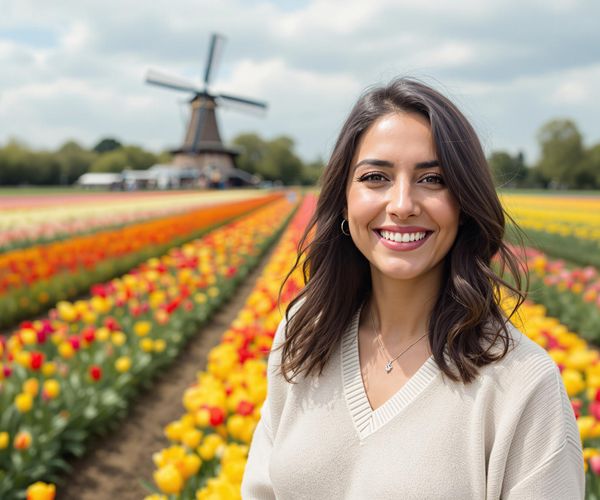
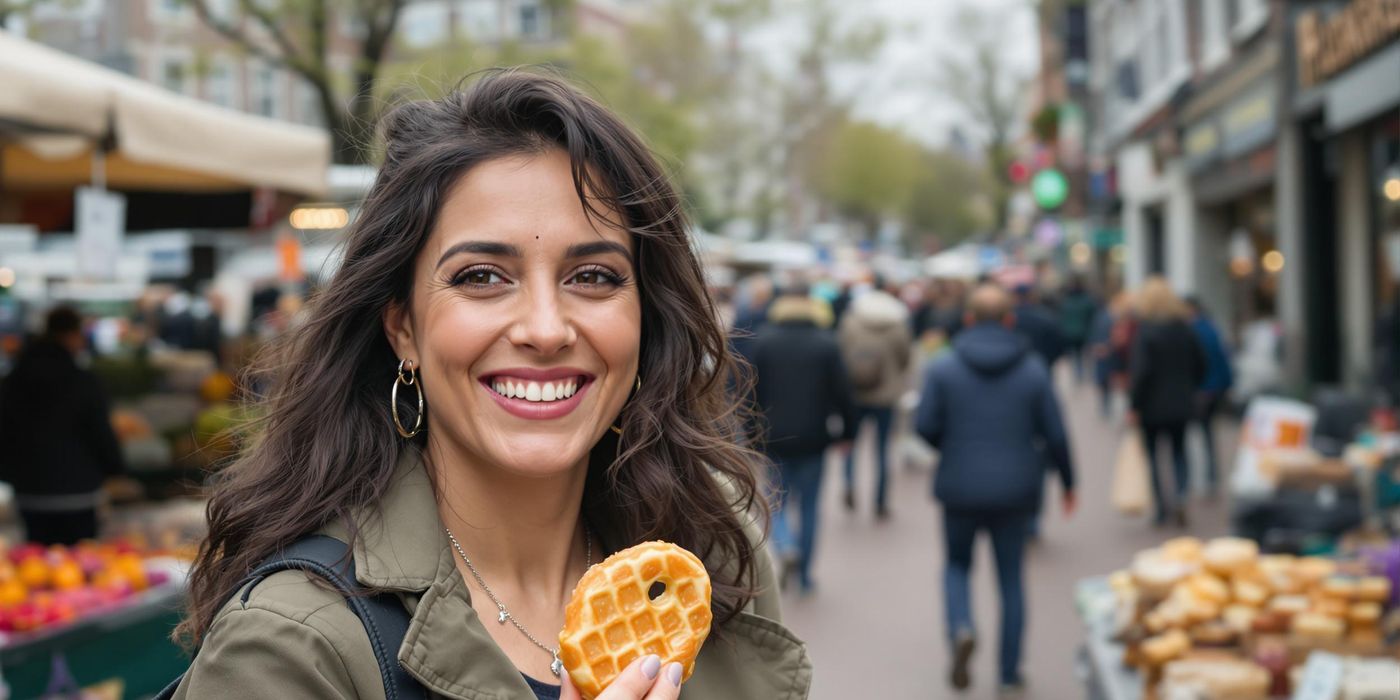
As a Romanian transplant living in Amsterdam, I've always been fascinated by the intersection of cultures. Travel, for me, isn't just about seeing famous landmarks; it's about connecting with the heart and soul of a place. It's about understanding the stories, traditions, and everyday lives of the people who call it home. That's why I'm so passionate about cultural immersion.
Cultural immersion is more than just ticking off tourist attractions. It's a journey of empathy, curiosity, and genuine interaction. It's about stepping outside your comfort zone, embracing the unfamiliar, and opening your heart to new experiences. It's about creating memories that will stay with you long after you've returned home.
Understanding Cultural Immersion
Cultural immersion goes beyond typical tourist activities; it's a deep dive into the local way of life. It involves actively engaging with the community, respecting their customs, and seeking to understand their perspectives. It's about connecting on a human level, sharing experiences, and building bridges of understanding.
Empathy and curiosity are the cornerstones of cultural immersion. Approaching each new experience with an open mind and a willingness to learn allows you to connect more deeply with the people and traditions around you. It transforms travel from a passive observation into an active participation.
Learning Basic Local Phrases
One of the most impactful ways to connect with locals is by making an effort to speak their language, even if it's just a few basic phrases. Knowing how to say hello, thank you, and excuse me can go a long way in showing respect and building rapport.
Here are a few useful phrases to learn before your next trip:
- Greetings: Hello, Good morning, Good evening
- Thank you: Thank you very much, You're welcome
- Excuse me: Excuse me, Sorry
There are many fantastic language learning apps and resources available to travelers. Duolingo and Babbel are great options for learning the basics, while phrasebooks can be helpful for quick reference on the go. Don't be afraid to try out your new language skills, even if you make mistakes. Locals will appreciate the effort.
I remember once being in a small village in Romania, trying to order “mamaliga” (a traditional cornmeal dish). My pronunciation was terrible, but the woman behind the counter beamed at my attempt and helped me get it right. That small interaction opened up a lovely conversation about regional variations of the dish, and I learned so much more than just how to order food.
Participating in Local Traditions and Activities
Immerse yourself in the local culture by participating in traditional festivals, ceremonies, and workshops. These experiences offer a unique opportunity to witness and engage with the customs and beliefs of the community. Whether it's a vibrant street parade, a solemn religious ceremony, or a hands-on craft workshop, participating in local traditions can create lasting memories.
Remember to respect local customs and etiquette during your participation. Pay attention to dress codes, observe proper etiquette, and be mindful of any restrictions or guidelines. Showing respect for local traditions demonstrates your appreciation for the culture and fosters a positive exchange.
For example, in Japan, participating in a tea ceremony is a deeply meaningful experience. It involves specific rituals and etiquette, such as bowing, using specific hand gestures, and appreciating the aesthetics of the tea room. Similarly, in some indigenous cultures, receiving a traditional blessing is a sacred event that requires respect and reverence.
Connecting Through Food
Food is an integral part of culture, offering a window into the history, traditions, and values of a community. Exploring local cuisine is a delicious way to connect with locals and learn about their way of life.
Seek out family-owned restaurants and street food stalls to sample authentic dishes prepared with local ingredients. These establishments often offer a more intimate and personal dining experience, allowing you to interact with the chefs and learn about the stories behind the food.
Consider taking a cooking class to learn about traditional dishes and culinary practices. Cooking classes provide a hands-on opportunity to prepare local specialties, learn about regional ingredients, and connect with fellow food enthusiasts. Plus, you'll gain valuable skills to recreate those delicious dishes back home.
I once took a cooking class in Tuscany, Italy, where I learned to make fresh pasta from scratch. Not only did I learn a new skill, but I also connected with the local chef and other participants, sharing stories and laughter over a shared love of food.
Respecting Cultural Norms and Etiquette
Before traveling to a new destination, take the time to research and understand the local cultural norms and etiquette. This includes understanding appropriate behavior, dress codes, and communication styles. Being mindful of these customs will help you avoid misunderstandings and show respect for the local culture.
Pay attention to gestures and body language, as they can vary significantly across cultures. What may be considered polite in one culture could be offensive in another. For example, in some cultures, pointing with your index finger is considered rude, while in others, maintaining eye contact is seen as a sign of respect.
Avoid common cultural faux pas such as photographing people without their permission, especially in religious or sacred sites. Also, be mindful of public alcohol consumption, as it may be restricted or frowned upon in certain cultures.
Engaging in Meaningful Conversations
One of the most rewarding aspects of cultural immersion is the opportunity to engage in meaningful conversations with locals. Talking to people from different backgrounds and perspectives can broaden your understanding of the world and challenge your own assumptions.
Strike up conversations with shopkeepers, tour guides, and other locals you encounter during your travels. Ask questions about their lives, their work, and their perspectives on local issues. Listen attentively to their stories and experiences, and be open to learning from their insights.
To initiate respectful and engaging conversations, start by introducing yourself and expressing your interest in learning about the local culture. Ask open-ended questions that encourage people to share their stories and perspectives. Be mindful of cultural differences in communication styles, and avoid making assumptions or stereotypes.
Supporting Local Businesses and Artisans
Supporting local businesses is a great way to contribute to the preservation of cultural traditions. When you shop at local markets, craft stores, and restaurants, you're directly supporting the local economy and helping to sustain traditional crafts and industries.
Look for handmade goods and artisan crafts that reflect the local culture and traditions. Buying directly from the makers ensures that your money goes directly to the artisans and their families, helping them to preserve their skills and traditions.
Supporting local businesses can also create deeper connections and enrich your travel experiences. You'll have the opportunity to interact with local artisans, learn about their craft, and hear their stories. These interactions can provide valuable insights into the local culture and create lasting memories.
Cultural immersion is a journey of discovery, connection, and transformation. By embracing empathy, curiosity, and respect, you can create meaningful experiences that will enrich your life and broaden your understanding of the world. So, pack your bags, open your heart, and embark on a journey of cultural immersion – you won't regret it!
Discover the joys of cultural immersion and learn how to form genuine connections with local traditions and people during your travels. Tips on learning languages, participating in activities, and respecting norms.