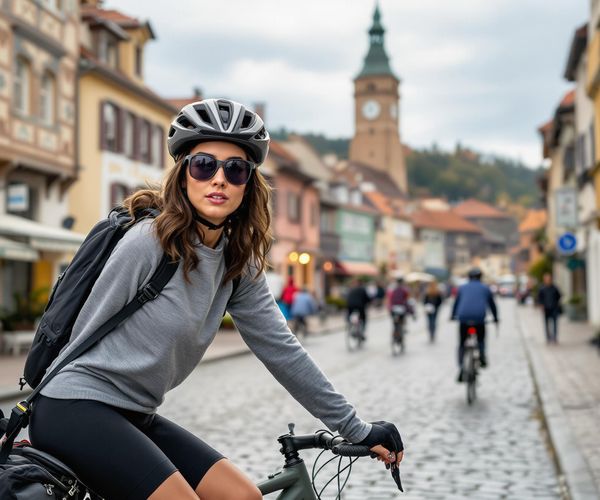

As a travel blogger based in Amsterdam, a city synonymous with cycling, I've come to appreciate the unique perspective that two wheels can offer. My childhood in Sighisoara, Romania, a town steeped in medieval history, instilled in me a deep love for cultural exploration. Combining these two passions, I've discovered that cycling is not just a mode of transport, but a gateway to immersive historical experiences. Join me as I share my insights on how to plan your own historical cycling adventure.
The Allure of Cycling Travel
There's something truly special about exploring a new place by bicycle. Unlike cars or buses, cycling allows you to connect with your surroundings on a deeper level. You feel the wind on your face, smell the local flora, and hear the sounds of daily life. This heightened sensory experience is incredibly liberating, offering a sense of freedom and flexibility that other modes of transport simply can't match. Plus, it's a fantastic way to stay active and healthy while traveling.
For me, cycling is about more than just getting from point A to point B. It's about the journey itself. It's about stopping at a local cafe for a coffee, chatting with the locals, and discovering hidden gems that you would otherwise miss. It's about truly immersing yourself in the culture and history of a place.
Planning Your Historical Cycling Route
When planning a historical cycling route, the key is to balance historical significance with cycling suitability. Look for routes that offer a mix of well-maintained cycling paths and quiet country roads. Consider the distance, terrain, and daily stages to ensure a comfortable and enjoyable ride.
There are many resources available to help you plan your route. Websites like Eurovelo offer information on established cycling routes throughout Europe. Local tourism boards can also provide valuable insights and maps. Don't be afraid to get creative and customize your own itinerary based on your interests and fitness level.
For example, a cycling tour along the Danube River in Germany or Austria could combine stunning natural scenery with visits to medieval castles and charming historic towns. Or, a ride through the Tuscan countryside in Italy could offer a blend of rolling hills, vineyards, and Renaissance art.
Gearing Up for the Ride
Having the right gear is essential for a comfortable and safe cycling trip. Here's a comprehensive checklist of essential items:
- Comfortable cycling clothing: Moisture-wicking fabrics are ideal.
- Padded cycling shorts: Trust me, your bottom will thank you.
- Cycling shoes: If you use clip-in pedals.
- Helmet: Non-negotiable for safety.
- Gloves: To protect your hands and improve grip.
- Sunglasses: To shield your eyes from the sun and wind.
- Rain gear: Be prepared for unexpected showers.
- Basic repair tools: Including a pump, tire levers, and a multi-tool.
- Panniers or a bike trailer: For carrying your luggage.
- Water bottles or a hydration pack: Staying hydrated is crucial.
- First-aid kit: For minor injuries.
Panniers are a great option for carrying luggage on your bike. They attach to racks on your front or rear wheel and provide ample storage space. A bike trailer is another option, especially if you're carrying a lot of gear. Just be sure to distribute the weight evenly to maintain balance.
Bike Selection and Preparation
Choosing the right type of bike is crucial for a comfortable and efficient ride. A touring bike is a great option for long-distance cycling, as it's designed for carrying heavy loads and handling various terrains. A hybrid bike is a good choice for shorter trips on paved roads and bike paths. If you plan on tackling more challenging terrain, a mountain bike may be necessary.
Before your trip, it's essential to give your bike a thorough check-up. Make sure the brakes are working properly, the tires are inflated, and the chain is lubricated. If you're not comfortable doing this yourself, take your bike to a local bike shop for a tune-up.
Consider whether to bring your own bike or rent one at your destination. Bringing your own bike ensures that you're riding a bike that you're comfortable with and that fits you properly. However, it can be a hassle to transport your bike, especially if you're flying. Renting a bike can be a more convenient option, but you may not be able to find the perfect bike for your needs.
Safety First: Navigating Roads and Regulations
Safety should always be your top priority when cycling. Be sure to familiarize yourself with local cycling laws and traffic regulations before you set off. In many countries, it's required to wear a helmet while cycling. It's also important to use hand signals to indicate your intentions to other road users.
When cycling on roads, always ride with the flow of traffic. Stay visible by wearing bright clothing and using lights, especially at night or in low-light conditions. Be aware of your surroundings and watch out for potholes, gravel, and other hazards.
Navigating in different weather conditions can also be challenging. In wet weather, be extra cautious as the roads can be slippery. In hot weather, stay hydrated and protect yourself from the sun. In windy weather, be prepared for gusts of wind that can affect your balance.
Eco-Friendly Cycling: Sustainable Travel Practices
Cycling is an incredibly eco-friendly mode of transportation. It produces zero emissions and helps to reduce traffic congestion. By choosing to cycle, you're making a positive impact on the environment.
To further minimize your environmental impact, consider buying local products and services. Support local businesses and farmers markets. Reduce waste by bringing your own reusable water bottle and shopping bags. Choose eco-friendly accommodations that prioritize sustainability.
Cycling promotes sustainable tourism by encouraging you to slow down and appreciate the local culture and environment. It allows you to connect with the community and support local businesses. It's a win-win for both you and the planet.
Renting a Bike on the Road
If you choose to rent a bike on your trip, be sure to do your research and find a reputable rental service. Read online reviews and compare prices. Ask about the condition of the bikes and the services offered.
When choosing a rental bike, consider the size, type, and accessories. Make sure the bike fits you properly and is comfortable to ride. Check the brakes, tires, and gears to ensure that they're in good working order. Ask about accessories such as a helmet, lock, and lights.
Before you set off, take the bike for a test ride to make sure you're comfortable with it. Adjust the seat and handlebars to your liking. Ask the rental service for any tips or advice on cycling in the area.
Historical Highlights Along the Way
One of the best things about cycling through history is the opportunity to visit historical sites and cultural landmarks. Depending on your chosen route, you might encounter ancient ruins, medieval castles, or grand palaces.
For example, cycling through the Loire Valley in France offers the chance to visit magnificent chateaux such as Chambord and Chenonceau. Or, a ride along the Roman Appian Way in Italy could take you past ancient catacombs and aqueducts. In my home country Romania, a ride around Transylvania will allow you to experience the medieval cities and castles.
Take the time to learn about the history and significance of these locations. Read guidebooks, visit museums, and talk to locals. Immerse yourself in the local culture and let the history come alive.
Discover the joy of cycling through history. Andreea Albu shares tips for planning routes, essential gear, and sustainable practices for an immersive travel experience.