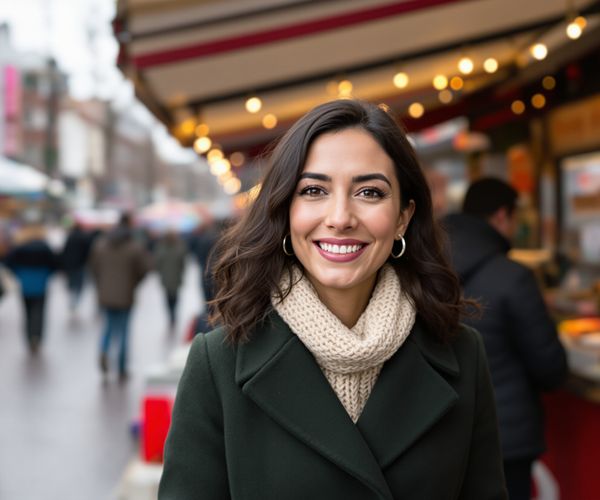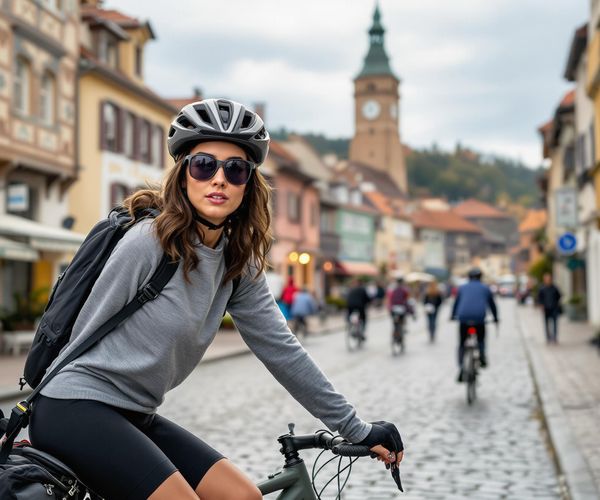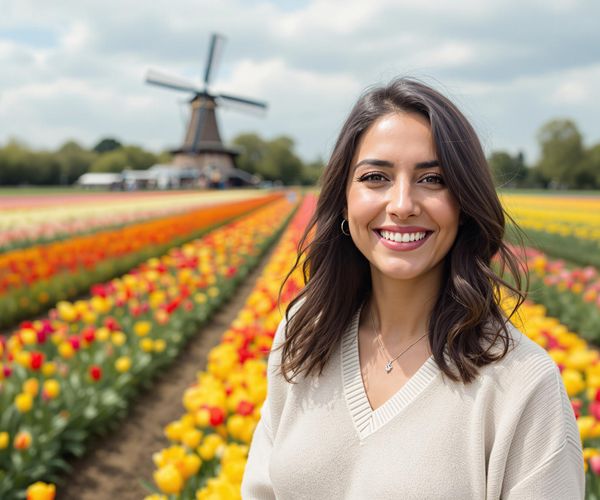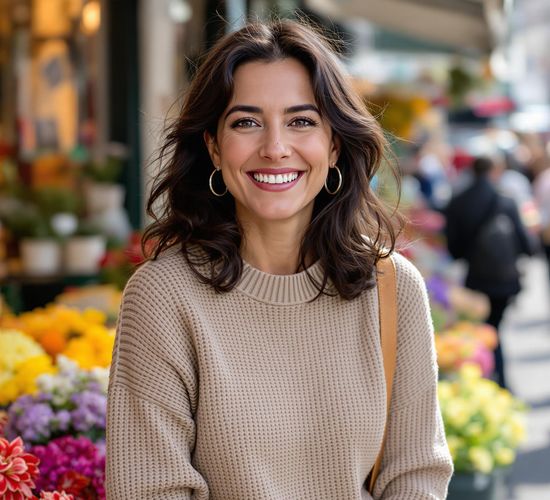
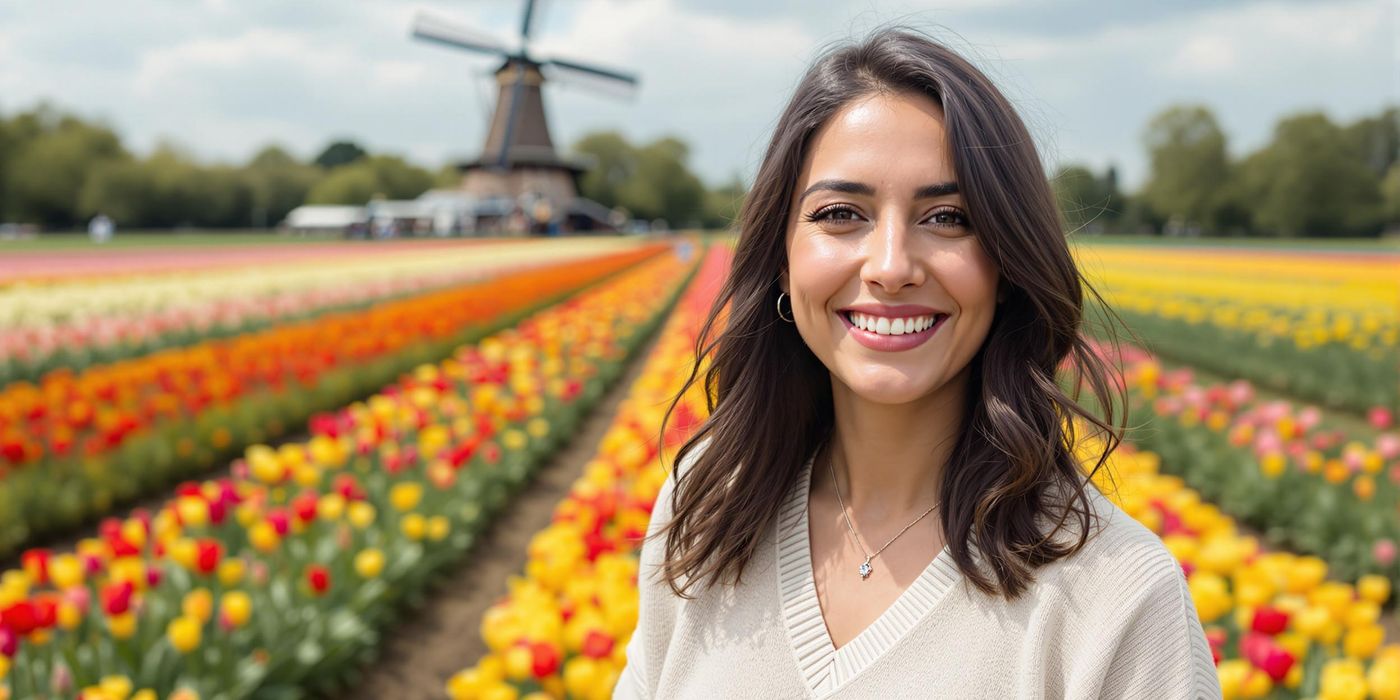
As a translator and travel blogger, I've learned that a picture truly is worth a thousand words. Whether I'm cycling through Amsterdam or exploring ancient ruins in Romania, photography helps me capture the essence of my journeys and share them with you. Let's explore some tips to enhance your travel photography skills and preserve those precious memories.
Choosing the Right Gear for Your Trip
Selecting the right camera is the first step in capturing stunning travel photos. The best camera for you depends on your travel style and needs. Are you a minimalist traveler or do you prefer having all the tools at your disposal?
DSLR vs. Mirrorless vs. Smartphone:
- DSLR: Offers excellent image quality and versatility but can be bulky.
- Mirrorless: Provides similar image quality to DSLRs but in a lighter, more compact body.
- Smartphone: Convenient and easy to use, perfect for casual shots and social media sharing.
For most of my travels, especially when I'm with Pieter and Sofia, I prefer a mirrorless camera for its balance of quality and portability. However, for quick trips around Amsterdam, my smartphone does the trick!
Essential Lenses:
- Wide-angle lens (e.g., 16-35mm): Ideal for capturing expansive landscapes and architectural marvels.
- Zoom lens (e.g., 70-200mm): Perfect for wildlife photography and capturing distant subjects.
- Prime lens (e.g., 50mm): Great for portraits and street photography, offering excellent image quality and a shallow depth of field.
When visiting the tulip fields in the Netherlands, a wide-angle lens is essential for capturing the vastness of the colorful blooms. And when we ventured to the Carpathian Mountains in Romania, a zoom lens allowed me to capture the wildlife without disturbing them.
Accessories:
- Tripod: Essential for sharp images in low light and for landscape photography.
- Polarizing filter: Reduces glare and enhances colors, especially in skies and water.
- ND filter: Reduces the amount of light entering the lens, allowing for longer exposures in bright conditions.
- Extra batteries and memory cards: Always a must to avoid running out of power or storage space.
Don't forget a reliable camera bag or protective case to safeguard your gear from the elements. Consider a waterproof bag if you're traveling to rainy regions like Scotland or Ireland. According to the latest equipment lists for 2025, brands like Peak Design and Wandrd continue to lead in camera bag innovation, offering weather-resistant and ergonomic designs.
Mastering Composition Techniques
Composition is key to creating visually appealing and engaging photos. Here are a few techniques to elevate your photography:
Rule of Thirds:
Imagine dividing your frame into nine equal parts with two horizontal and two vertical lines. Place key elements of your scene along these lines or at their intersections to create a balanced and engaging composition.
Leading Lines:
Use lines to draw the viewer's eye into the image. Roads, rivers, and fences can all serve as leading lines, creating a sense of depth and direction.
Symmetry and Patterns:
Look for symmetry and repeating patterns to add visual interest to your photos. Reflective surfaces, architectural details, and natural formations can provide stunning symmetrical compositions. The canals of Amsterdam, for example, offer countless opportunities for capturing symmetrical reflections.
Foreground, Midground, and Background:
Create depth by including elements in the foreground, midground, and background. This technique adds layers to your image and helps to tell a more complete story.
Unique Viewpoints:
Don't be afraid to experiment with different angles and perspectives. Get high, get low, and look for unusual viewpoints that will make your photos stand out. Consider using drones for aerial shots, as they offer a unique perspective on landscapes and cityscapes.
Understanding Light and Timing
Light is arguably the most important element in photography. Understanding how light works and how to use it to your advantage can make a world of difference in your photos.
The Golden Hours:
The 'golden hours,' which occur during sunrise and sunset, offer warm, soft light that is ideal for photography. Plan your shoots around these times for the best results. The light during these hours is soft and diffused, creating a magical atmosphere.
Handling Harsh Midday Light:
Harsh midday light can create strong shadows and washed-out colors. If you have to shoot during this time, try to find shade or use a polarizing filter to reduce glare. Overcast conditions can also provide soft, even lighting, perfect for portraits and detail shots.
Using Natural Light:
Pay attention to how natural light interacts with your subject. Side lighting can create dramatic shadows and highlights, while backlighting can create a soft, ethereal glow. When shooting indoors, position your subject near a window to take advantage of natural light.
Artificial Light:
Be aware of artificial light and its color casts, especially indoors. Adjust your camera's white balance to compensate for the color of the light source. Experiment with different lighting setups to create the desired mood and effect.
Capturing Unique Moments and Details
To truly capture the essence of a place, focus on the unique moments and details that tell a story about the local culture and people.
Focus on Details:
Look for small details that reveal the character of a place. Capture the texture of a weathered wall, the intricate patterns of a traditional textile, or the vibrant colors of a local market.
Candid Moments:
Capture candid moments of locals and fellow travelers. These spontaneous shots often reveal the true essence of a place and its people. Be respectful and ask for permission when photographing individuals.
Patience is Key:
Be patient and wait for the right moment. Sometimes, the best photos are the result of waiting for the perfect light, expression, or composition. Take your time and observe your surroundings.
Experiment with Angles:
Experiment with different angles and perspectives. Get down low, climb up high, and look for unique viewpoints that will make your photos stand out. Don't be afraid to try something different.
Photographing in Crowded Places:
Photographing in crowded places can be challenging, but it's also an opportunity to capture the energy and vibrancy of a destination. Use a wide-angle lens to capture the scene, or focus on individual subjects to create a sense of intimacy. Be mindful of your surroundings and respect the personal space of others.
Post-Processing Tips for Enhancing Your Photos
Post-processing is an essential part of the photography workflow. It allows you to fine-tune your images and bring out their full potential.
Basic Editing Techniques:
Start with basic adjustments like exposure, contrast, and color balance. These adjustments can make a significant difference in the overall look and feel of your photos. Use editing software like Adobe Lightroom or Capture One to make these adjustments.
Straightening and Cropping:
Straighten horizons and crop your photos for better composition. A slight adjustment to the horizon can make a big difference in the balance of your image. Cropping can help to remove distractions and focus attention on the main subject.
Enhancing Details and Reducing Noise:
Use editing software to enhance details and reduce noise. Sharpening can bring out fine details, while noise reduction can help to clean up images taken in low light. Be careful not to overdo these adjustments, as they can create unwanted artifacts.
Minimalist Approach:
Emphasize the importance of a minimalist approach. Less is often more when it comes to post-processing. Avoid over-editing your photos and strive for a natural, authentic look. The goal is to enhance your images, not to transform them beyond recognition.
Using Presets:
Use presets to streamline the editing process while maintaining a personal style. Presets are pre-configured sets of adjustments that can be applied to your photos with a single click. They can be a great way to save time and maintain consistency in your editing style.
By following these tips, you'll be well-equipped to capture stunning travel photos that tell the story of your adventures. Happy shooting!
Enhance your travel photography skills with expert tips on capturing the essence of your adventures. Explore the right gear, master composition, and understand light.