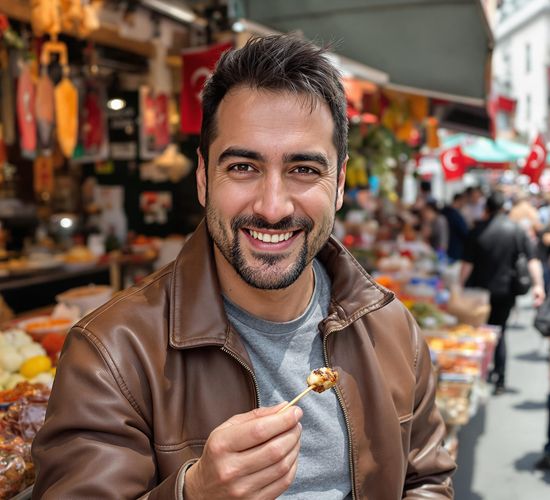
As a chef transplanted from Argentina to Berlin, I've learned that immersion isn't just about tasting the local cuisine—it's about seeing the world through their eyes, and sometimes, wearing their clothes. My travels, often with my wife Lena and our son Mateo, have taught me that dressing like a local opens doors, fosters connections, and shows respect. It's more than just fitting in; it's about understanding and appreciating the culture you're visiting.
Why Dress Like a Local?
Dressing like a local is a sign of respect. It enhances your cultural experiences and interactions. When you make an effort to understand and adhere to local customs, you're showing that you value their traditions and way of life. Dressing appropriately can significantly enrich your interactions with locals, making them more open and welcoming.
Blending in can also help you avoid unwanted attention. As a tourist, you're already more visible, but dressing in a way that screams foreigner can make you a target for scams or unwanted solicitations. By dressing more like the locals, you reduce your visibility and potential vulnerability.
Moreover, dressing like a local is a sign of respect for local customs and traditions. It demonstrates that you've taken the time to learn about and appreciate their culture.
Researching Local Dress Codes
Before any trip, I dive into research. Travel blogs and guidebooks are goldmines, but don't underestimate online forums and social media. These platforms often provide real-time insights into current fashion trends and cultural norms.
I always check multiple sources. Travel blogs often offer personal anecdotes about dress codes, while guidebooks provide a broader overview. Online forums, like TripAdvisor or Reddit, can offer up-to-date advice from recent travelers and locals. Instagram and Pinterest can visually showcase local attire, helping you understand what's commonly worn.
Don't forget to consider climate and weather conditions! Dressing appropriately for the weather is just as important as adhering to cultural norms. Lightweight, breathable fabrics are essential in tropical climates, while layers are crucial in regions with variable temperatures.
General Tips for Blending In
When in doubt, opt for neutral colors. Versatile pieces in black, white, navy, and beige can be mixed and matched to create various outfits that fit in almost anywhere. Avoid overly casual or flashy attire. While comfort is important, dressing too casually can make you stand out in more formal settings.
Comfortable and breathable fabrics are your best friends. Natural fibers like cotton, linen, and bamboo are ideal for warm climates, while wool and fleece can keep you warm in colder regions. A lightweight scarf or shawl is a must-pack item. It can be used as a head covering, a modesty garment, or simply as an accessory to add a touch of local flair.
Carlos's Experiences: Dressing to Fit In
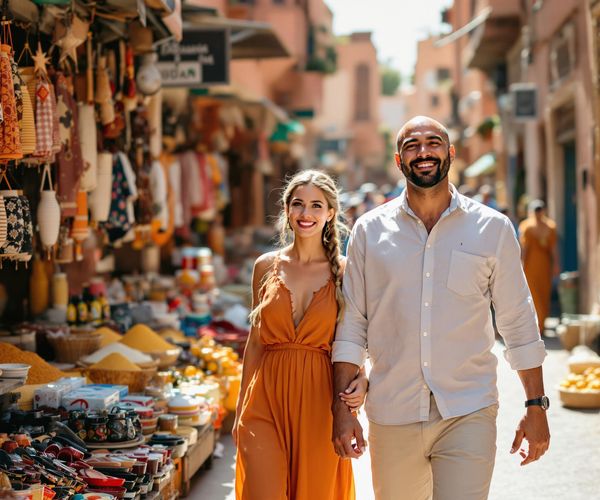
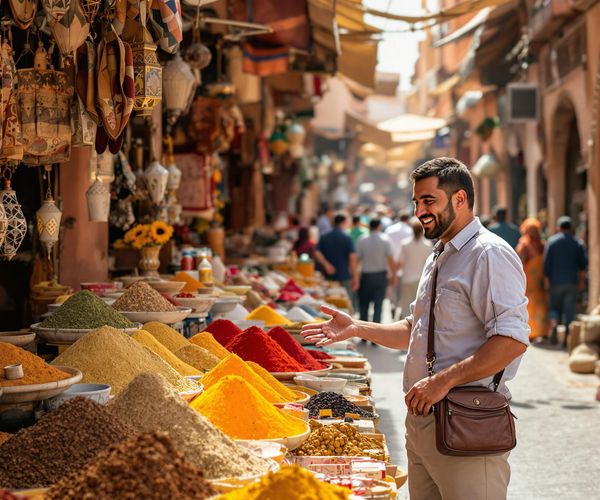
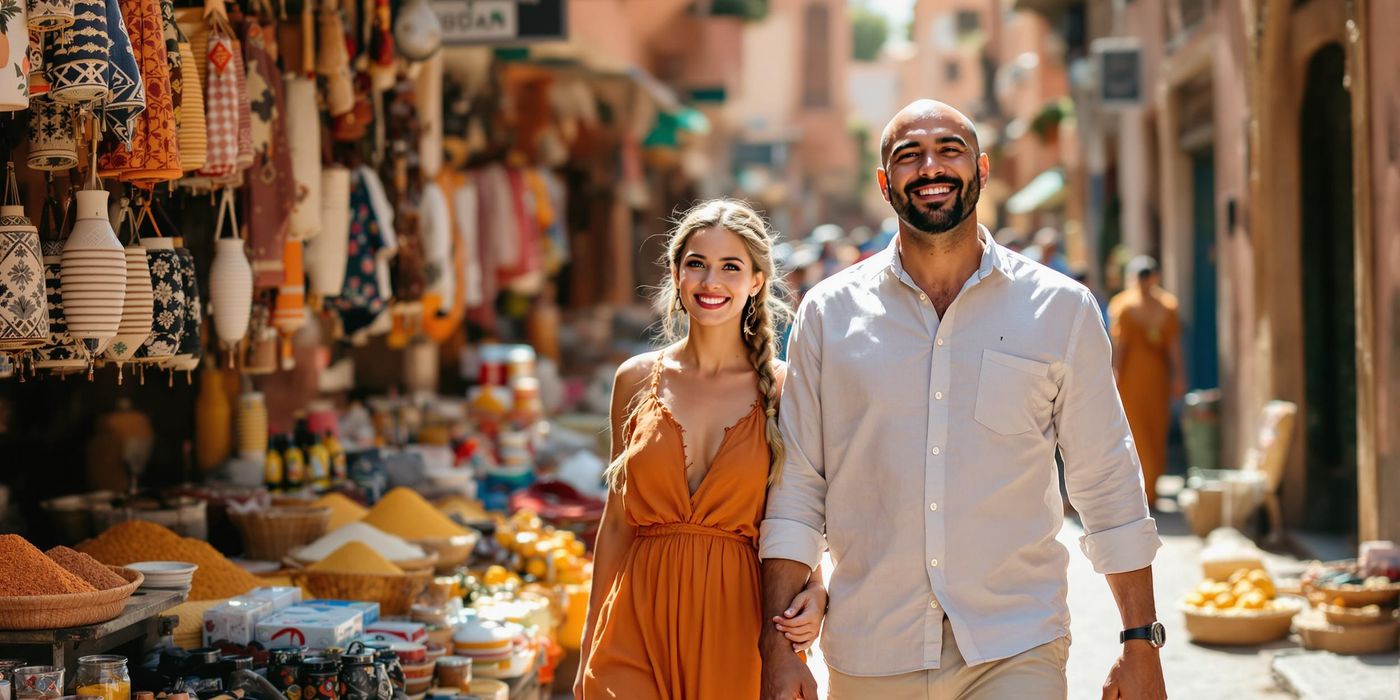
I remember a trip to Morocco with Lena. Before we went, I read about the importance of dressing modestly. In Marrakech, I made sure to wear long pants and shirts with sleeves, even in the heat. Lena opted for loose-fitting dresses and a headscarf when we visited religious sites. This simple act of respect made our interactions with locals much warmer. We were invited for tea, shared stories, and felt a genuine connection to the culture.
In Japan, I noticed the locals' impeccable sense of style. While exploring Tokyo, I swapped my usual jeans and t-shirt for chinos and a button-down shirt. I even invested in a stylish, lightweight jacket. The result? I felt more confident navigating the city, and I received smiles and nods of approval from the locals.
During a visit to a small village in the Andes, I noticed the locals wearing traditional ponchos. I bought one at the local market and wore it during our hikes. It wasn't just practical for the cool mountain air; it was a symbol of solidarity and respect for their heritage.
Specific Cultural Considerations
In the Middle East, dressing modestly is crucial. This typically means covering your shoulders and knees. Loose-fitting clothing is preferable, and women may want to carry a headscarf for visiting religious sites.
Southeast Asia calls for light and comfortable clothing. Breathable fabrics like cotton and linen are essential in the tropical climate. While shorts and tank tops are common in tourist areas, dressing more conservatively shows respect when visiting temples or local communities.
Europe offers a wide range of styles, but generally, casual chic is the way to go. In cities like Paris and Milan, locals tend to dress stylishly and put-together. Opt for tailored pieces, fashionable accessories, and well-maintained footwear.
South America is a continent of diverse climates and cultures. In the Andes, layering is key due to the fluctuating temperatures. In Brazil, beachwear is acceptable in coastal areas, but more conservative attire is expected in urban centers.
Practical Tips for Packing
Creating a capsule wardrobe is a game-changer. Choose a limited number of versatile items that can be mixed and matched to create multiple outfits. This not only saves space in your luggage but also simplifies the process of dressing appropriately in different situations.
Layering options are essential for adapting to changing temperatures and modesty requirements. A lightweight cardigan, a versatile scarf, and a packable jacket can be lifesavers. Appropriate footwear is crucial. Comfortable walking shoes are a must for exploring cities and historical sites. Consider packing a pair of dressier shoes for evenings out or more formal occasions.
Accessories can enhance your cultural sensitivity. A simple headscarf, a piece of local jewelry, or a traditional hat can show that you've embraced the local culture. Just be sure to do your research and choose accessories that are respectful and appropriate.
Learn how to dress like a local while traveling. Dressing like a local opens doors, fosters connections, and shows respect. It's more than just fitting in; it's about understanding and appreciating the culture you're visiting.