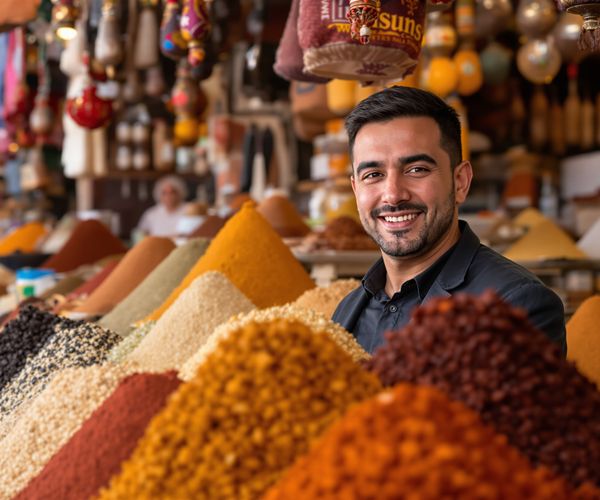

Hola, amigos! Carlos here, ready to share some insights from my language-learning adventures. As a chef from Argentina living in Berlin, I've always been fascinated by languages. They're the key to unlocking new cultures, forging deeper connections, and truly experiencing a place. So, grab your mate, and let's dive into some tips for learning the local language while you travel!
Why Bother Learning the Local Language?
For me, language learning isn't just a hobby; it's a way of life. Growing up in San Salvador de Jujuy, I was surrounded by the vibrant sounds of Spanish, and I quickly realized that knowing the language wasn't just about communication—it was about connection. When I travel, even knowing a few basic phrases can make a world of difference.
Think about it: a simple “gracias” or “por favor” can go a long way in showing respect and appreciation to the locals. It opens doors, invites smiles, and creates opportunities for genuine interactions. Beyond politeness, language skills enhance your cultural immersion. You can understand the nuances of conversations, read local literature, and even haggle at the markets like a pro. Trust me, it's a game-changer!
Pre-Trip Preparations: Laying the Groundwork
Learning a language doesn't happen overnight. I recommend starting your language journey a few weeks, or even months, before your trip. Don't aim for fluency right away; focus on essential phrases that you'll use in common travel scenarios. Think greetings (“Hola!”, “Bonjour!”, “Guten Tag!”), directions (“¿Dónde está…?”, “Où est…?”, “Wo ist…?”), and ordering food (“Quiero…”, “Je voudrais…”, “Ich möchte…”).
There are fantastic resources available to get you started. Travel-focused phrasebooks are a great option, providing you with practical vocabulary and useful expressions. Language apps like Duolingo, Babbel, and Memrise are also incredibly helpful. They offer interactive lessons, gamified learning, and personalized feedback to keep you motivated. I personally enjoy using Memrise for vocabulary building; the spaced repetition system really helps me retain new words.
To make your learning even more effective, create flashcards or a language learning notebook to jot down new words and phrases. Repetition is key! And why not incorporate language learning into your daily routine? Listen to music from your destination, watch foreign films or TV shows with subtitles, and try to expose yourself to the language as much as possible. Even a few minutes a day can make a big difference.
On-the-Go Learning: Turning Travel into a Language Lab
Once you arrive at your destination, the real fun begins! Embrace every opportunity to practice the language. Don't be shy—engage with locals in their native tongue, even if it's just a simple greeting or a request for directions. Most people appreciate the effort, and they'll be more than willing to help you out.
Translation apps like Google Translate can be lifesavers when you're in a pinch. They allow you to quickly translate words, phrases, and even entire conversations. However, don't rely on them too heavily. Use them as a tool to supplement your learning, not as a crutch.
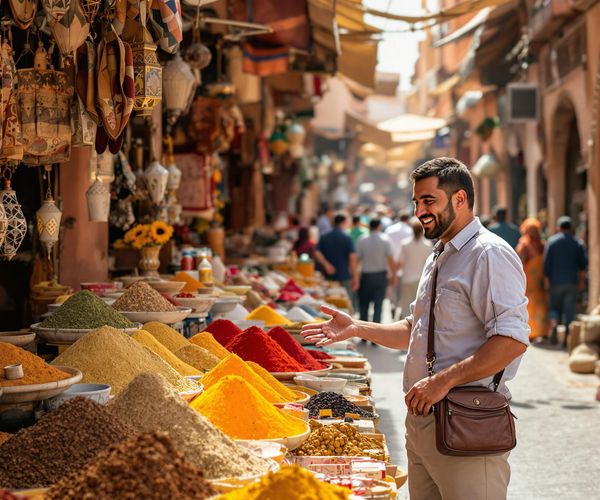
Take the time to read signs, menus, and other local texts. It's a great way to expand your vocabulary and improve your reading comprehension. And listen to conversations on public transportation and at local markets. Pay attention to the rhythm and intonation of the language, and try to pick up new words and phrases from context.
Remember, mistakes are inevitable. Don't be afraid to stumble over your words or mispronounce a phrase. View every mistake as a learning opportunity, and don't let it discourage you. The most important thing is to keep practicing and keep trying.
Immersive Experiences: Diving Deeper into the Culture
To truly immerse yourself in the local culture, seek out experiences that allow you to interact with native speakers and practice your language skills in real-world situations. Consider participating in guided tours in the local language. It's a fantastic way to learn about the history and culture of the place while improving your listening comprehension.
Attending local cooking classes or cultural events is another great way to immerse yourself in the culture and learn new vocabulary related to food, traditions, and customs. And if you really want to take your language learning to the next level, consider staying in homestays or Airbnbs with locals. It's an excellent opportunity to interact with native speakers on a daily basis and learn about their way of life.
Engage in language exchanges with locals. Find a language partner who wants to learn your native language, and meet up regularly to practice speaking and listening. You can also use local resources like markets, newspapers, and public transportation as learning tools. Challenge yourself to read a local newspaper, order food at a market, or navigate the public transportation system using only the local language.
Volunteering for community projects is another fantastic way to practice your language skills while giving back to the local community. You'll have the opportunity to interact with native speakers, learn about their culture, and make a positive impact on their lives.
Making it Stick: Reinforcing Your Learning
Learning a language is an ongoing process. To make your learning stick, it's important to reinforce what you've learned and continue practicing even after your trip is over. Keep a language learning journal to record new words and phrases, and review your vocabulary and phrases daily using spaced repetition systems like Anki.
Set achievable goals and targets for your language learning. Whether it's learning a certain number of new words each week or being able to hold a basic conversation with a native speaker, having clear goals will help you stay motivated and on track.
Practice with native speakers through online platforms like HelloTalk or local meetups. These platforms connect you with native speakers from around the world, allowing you to practice your speaking and listening skills in a supportive and interactive environment.
And don't forget to use social media and language learning apps to connect with other learners and native speakers. Join language learning communities on Facebook, follow language learning accounts on Instagram, and use apps like Tandem to find language partners and practice your skills.
So, there you have it—my top tips for learning the local language while you travel. Remember, language learning is a journey, not a destination. Embrace the challenges, celebrate the successes, and never stop exploring. ¡Hasta la vista, amigos!
Carlos shares his insights on learning languages for travelers, emphasizing cultural immersion and practical tips.