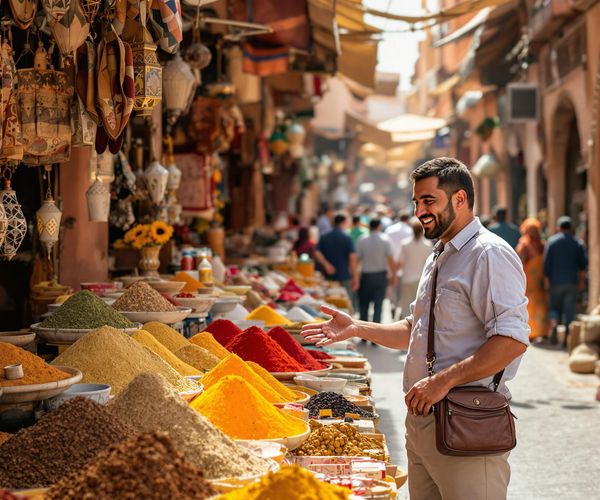

Hola, amigos! Carlos here, ready to share some insights from my travels around the world. As a chef who moved from Argentina to Berlin, I've learned that appreciating different cultures goes hand in hand with protecting our planet. Let's talk about sustainable travel – how we can explore this beautiful world while leaving a positive footprint.
Understanding Sustainable Travel
Sustainable travel is all about making conscious choices that minimize our impact on the environment and respect local cultures. It’s about balancing the joy of exploring new places with the responsibility of preserving them for future generations. Think of it as traveling with a purpose – not just to see, but to protect and enrich.
Unfortunately, unsustainable travel practices can have serious consequences. Over-tourism can strain local resources, damage ecosystems, and erode cultural heritage. By embracing sustainable travel, we can help combat these issues and ensure that tourism benefits both travelers and the communities they visit.
Eco-Friendly Transportation Choices
One of the biggest impacts we have while traveling comes from transportation. Whenever possible, opt for trains, buses, or even carpooling over flying. These options generally have a lower carbon footprint. Plus, you get to see more of the scenery along the way!
If flying is unavoidable, there are still ways to reduce your impact. Consider direct flights, as takeoffs and landings consume a significant amount of fuel. You can also look into carbon offsetting programs, where you can invest in projects that reduce carbon emissions to compensate for your flight's impact.
Once you're at your destination, take advantage of public transport, electric vehicles (EVs), and bike-sharing programs. Berlin, for example, has an excellent public transport system and plenty of bike lanes, making it easy to get around without a car. Many cities around the world are embracing similar initiatives.
Choosing Eco-Friendly Accommodations
Where you stay also matters. Look for accommodations with eco-certifications like Green Key, LEED, or EarthCheck. These certifications indicate that the hotel or lodging has met certain environmental standards.
Eco-lodges, farm stays, and community-based homestays are also great options. They often prioritize sustainability and offer a more immersive cultural experience. Plus, you're directly supporting local communities.
There are some fantastic eco-friendly hotels around the world. For instance, consider the Bushmans Kloof Wilderness Reserve & Wellness Retreat in South Africa, known for its conservation efforts, or the Hotel Mockingbird Hill in Jamaica, which focuses on sustainable tourism and community engagement.
Reducing Waste While Traveling
Reducing waste is a simple but effective way to travel sustainably. Pack light to minimize fuel consumption on flights. Bring reusable water bottles, shopping bags, and utensils to avoid single-use plastics. Say no to those freebies you don't really need!
In today's digital age, there's no need for paper tickets and maps. Use digital tickets and maps on your smartphone or tablet to reduce paper waste. Every little bit helps!
Supporting Local Economies and Communities
One of the most rewarding aspects of sustainable travel is the opportunity to support local economies and communities. Choose locally-owned accommodations, restaurants, and shops. Hire local tour guides and participate in community events.
When buying souvenirs, look for handmade and locally sourced items. This ensures that your money goes directly to the community, rather than to large corporations. It's a win-win!
Respecting Nature and Wildlife
As travelers, it's our responsibility to respect nature and wildlife. Stay on designated trails and avoid disturbing animals or their habitats. Participate in conservation programs and choose responsible wildlife tourism options.
Avoid activities that harm animals or damage ecosystems. For example, think twice before riding elephants or visiting zoos with questionable practices. Let’s ensure that our tourism doesn’t come at the expense of our planet's incredible biodiversity.
Conserving Resources During Your Trip
Conserving resources is another key aspect of sustainable travel. Minimize water usage by taking shorter showers and reusing towels. Turn off lights and air conditioning when you leave your accommodation. These small actions can make a big difference.
Most importantly, choose activities that align with your values of sustainability. Whether it's hiking in a national park, volunteering at a local farm, or simply enjoying a picnic with locally sourced food, make sure your choices reflect your commitment to responsible travel.
Learn practical ways to travel sustainably and reduce your environmental footprint, inspired by Carlos's adaptable and curious nature.