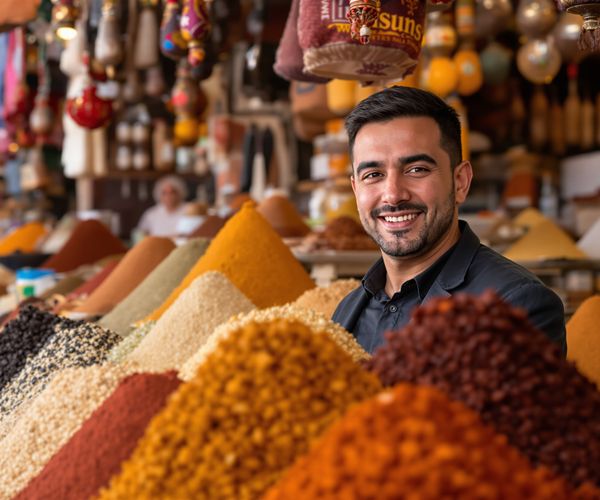
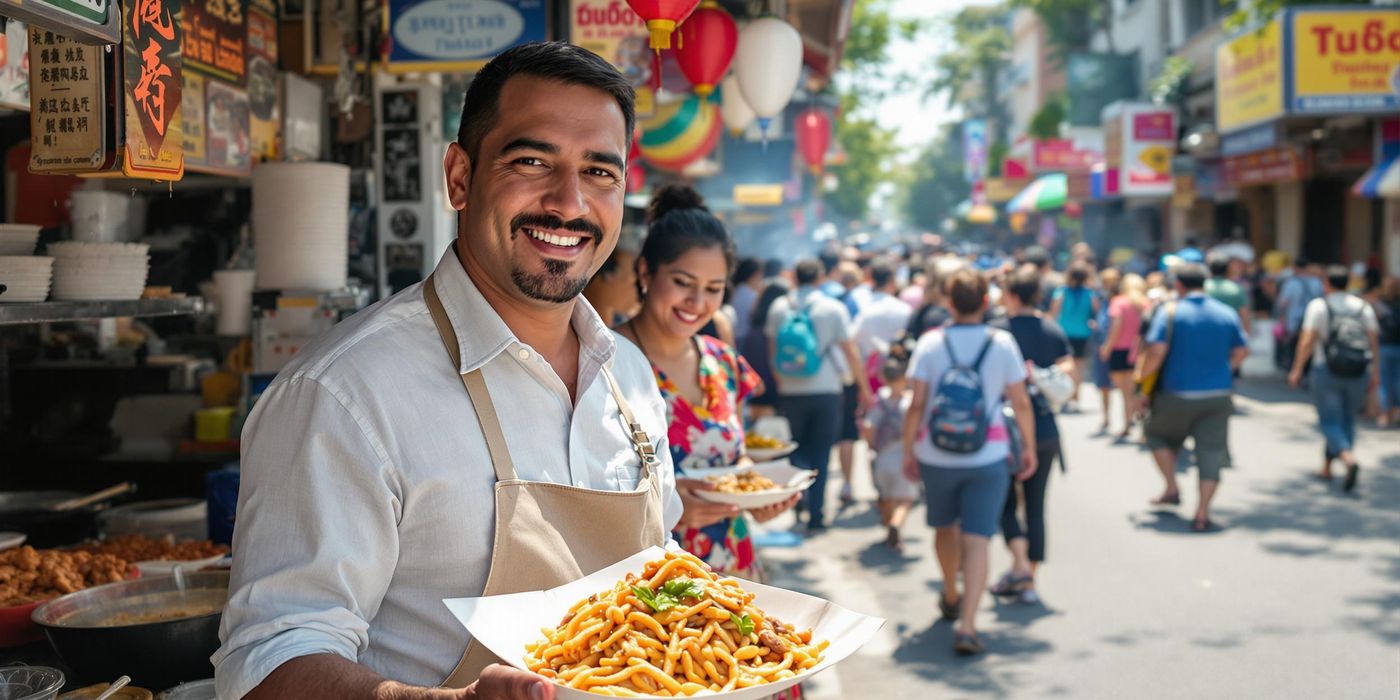
Hey amigos! Carlos here, ready to whisk you away on a culinary journey around the globe. Forget those tourist traps and bland hotel buffets. We're diving deep into the heart of local flavors, discovering hidden gems, and maybe even facing a culinary challenge or two. So, grab your appetite and let's explore the world, one delicious bite at a time!
Embrace the Unknown Flavors
One of the biggest lessons I've learned on my travels is the importance of stepping outside your culinary comfort zone. It's easy to stick to what you know, but trust me, the real magic happens when you dare to try something new, something… unexpected.
I remember my first encounter with Surströmming in Sweden. The fermented herring, the smell... let's just say it's an experience! {image1} Most people would run for the hills, but I saw it as a challenge, an opportunity to understand a unique part of Swedish culture. Did I love it? Not exactly. But did I learn something? Absolutely! It taught me that food is more than just sustenance; it's a story, a tradition, a piece of a culture's soul. And while I may not crave Surströmming regularly, I respect it and the history behind it.
The same goes for Iceland's Hákarl, the fermented shark. It's definitely an acquired taste, but trying it connected me to the Viking history and the resourcefulness of the Icelandic people. {image2} Be open to new tastes and textures, even the ones that seem a little intimidating. You might just surprise yourself and discover a new favorite, or at least a great story to tell!
Finding Authentic Food Experiences
So, how do you find these authentic culinary experiences? It takes a little planning and a willingness to venture off the beaten path.
- Do your research: Before you even pack your bags, dive into the local cuisine. Read travel blogs, check out food apps like HappyCow for vegan options or ask friends for recommendations. {image3} Understanding the regional specialties will help you navigate menus and avoid tourist traps.
- Skip the tourist traps: Those restaurants with the multilingual menus and picture-perfect plates? Steer clear! Look for places where locals are eating. The smaller, the more unassuming, the better. These are the places where you'll find the real flavors of the region.
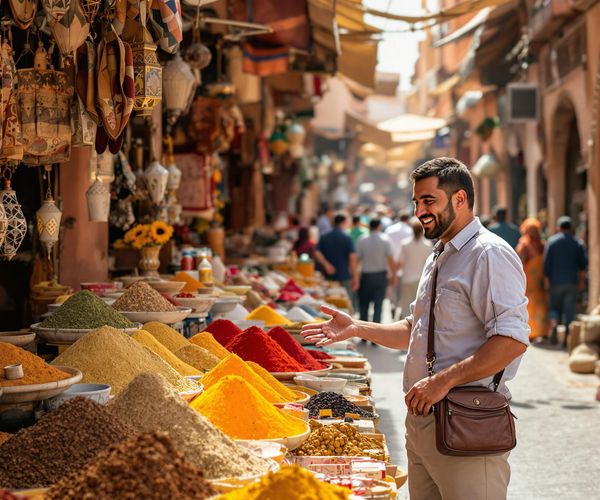
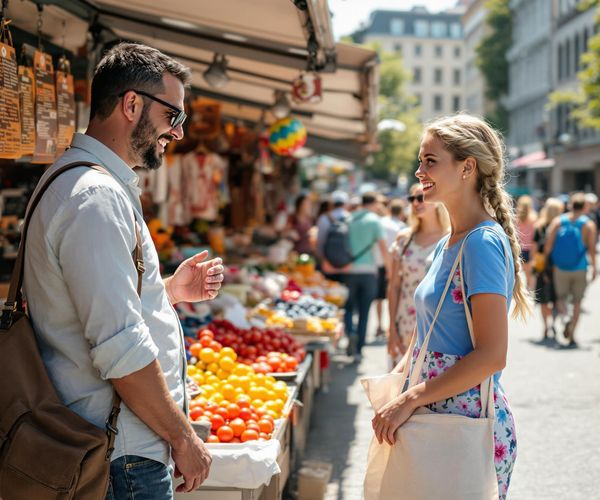
- Hit the markets: Local markets are a feast for the senses! {image4} From vibrant produce to exotic spices, you'll get a real taste of the local ingredients and culinary traditions. Don't be afraid to sample, ask questions, and strike up a conversation with the vendors. They're often the best source of insider tips.
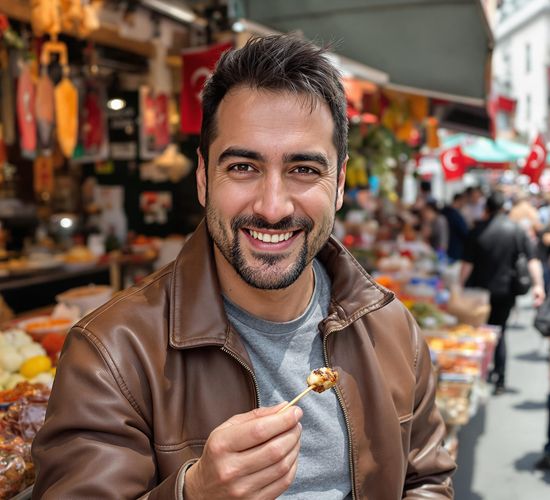
- Embrace street food: Street food is where the action is! It's cheap, delicious, and often the most authentic representation of a country's cuisine. Just be sure to choose vendors with good hygiene practices. Look for busy stalls with a high turnover of food. A long line is usually a good sign!
Remember, travelers are increasingly seeking authentic experiences, and culinary gems are a big part of that. By following these tips, you'll be well on your way to discovering some truly unforgettable meals.
Understanding Cultural Food Practices
Food is so much more than just what's on your plate. It's deeply intertwined with culture and traditions. It reflects a country's history, values, and way of life.
In Argentina, for example, the asado (barbecue) is a social event, a celebration of family and friendship. {image5} It's not just about grilling meat; it's about spending time together, sharing stories, and creating memories. The preparation, the cooking, the sharing – it's all part of the cultural experience.
Dining etiquette also varies from country to country. In some cultures, it's considered rude to eat with your hands, while in others, it's perfectly acceptable. In Japan, slurping your noodles is a sign of appreciation. {image6} Before you travel, take some time to research the local customs and traditions. It shows respect and helps you avoid any unintentional faux pas.
UNESCO recognizes the importance of food culture, with several culinary traditions included on its list of Intangible Cultural Heritage. This highlights the significance of preserving these traditions for future generations.
And let's not forget the impact of food tourism on local businesses and communities. By supporting local restaurants, markets, and producers, you're helping to preserve their traditions and livelihoods. It's a win-win situation!
Trying New Dishes Safely and Responsibly
Okay, let's talk about safety. While trying new dishes is exciting, it's important to be mindful of your health and well-being.
- Street food smarts: As much as I love street food, it's essential to be cautious. Choose vendors that look clean and reputable. Make sure the food is cooked thoroughly and served hot. If in doubt, ask a local for recommendations.
- Allergies and restrictions: If you have food allergies or dietary restrictions, be sure to communicate them clearly. Learn how to say phrases like I'm allergic to peanuts in the local language. {image7} Many restaurants are now catering to dietary needs, with increasing demand for health-focused and plant-based options, but it's always best to be prepared.
- Sustainable eating: Consider the environmental impact of your food choices. Minimize food waste by ordering only what you can eat. Support local producers by buying directly from farmers and markets. Sustainable food tourism is a growing trend, and it's a great way to give back to the communities you visit.
Personal Stories and Recommendations
One of my favorite travel memories is taking a cooking class in Thailand. {image8} I learned how to make authentic Pad Thai and Green Curry from a local chef. It was such a fun and immersive experience, and I gained a whole new appreciation for Thai cuisine. Now, I can recreate those dishes at home and share them with my family and friends.
Speaking of recommendations, here are a few dishes you absolutely must try in different regions:
- Argentina: Asado, of course! But also, don't miss out on empanadas, locro (a hearty stew), and dulce de leche.
- Spain: Tapas! From patatas bravas to gambas al ajillo, there's a tapa for everyone. Also, try paella and jamón ibérico.
- Japan: Ramen is a must! But also, explore the world of sushi, tempura, and yakitori.
- Italy: Pizza and pasta are obvious choices, but don't forget about regional specialties like osso buco in Milan or arancini in Sicily.
Ultimately, the best part of exploring world cuisine is sharing meals and building connections with locals. Food is a universal language, and it's a powerful way to bridge cultural divides. So, go out there, be adventurous, and savor every moment of your culinary journey!
Embark on a culinary journey around the globe with Carlos! Discover local flavors, hidden gems, and maybe even face a culinary challenge or two. Explore the world, one delicious bite at a time!