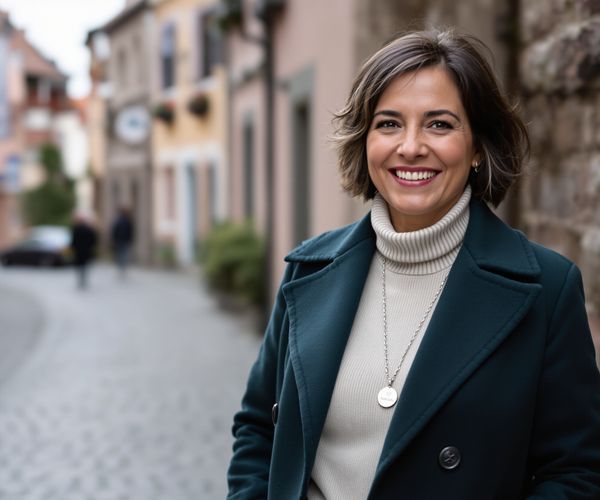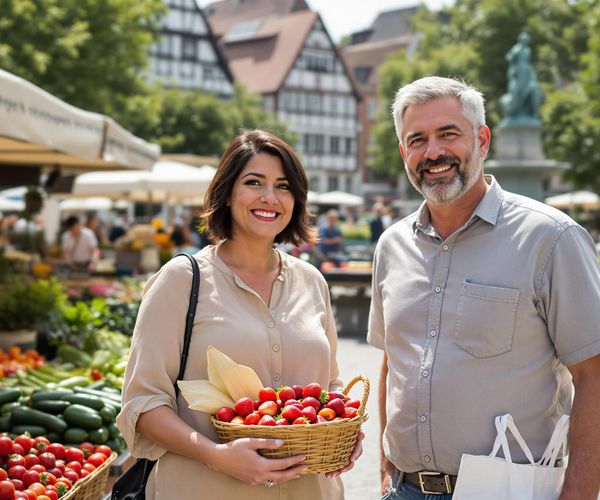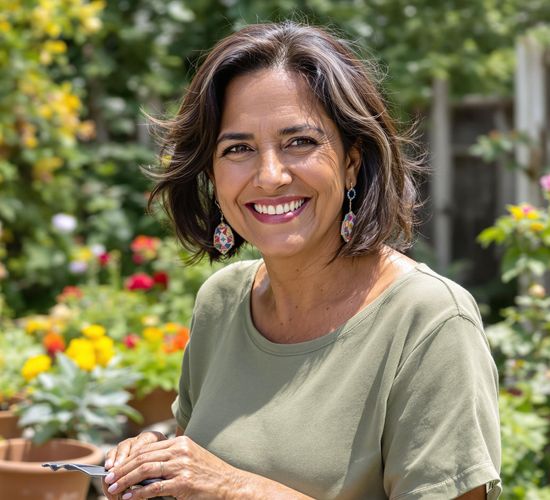
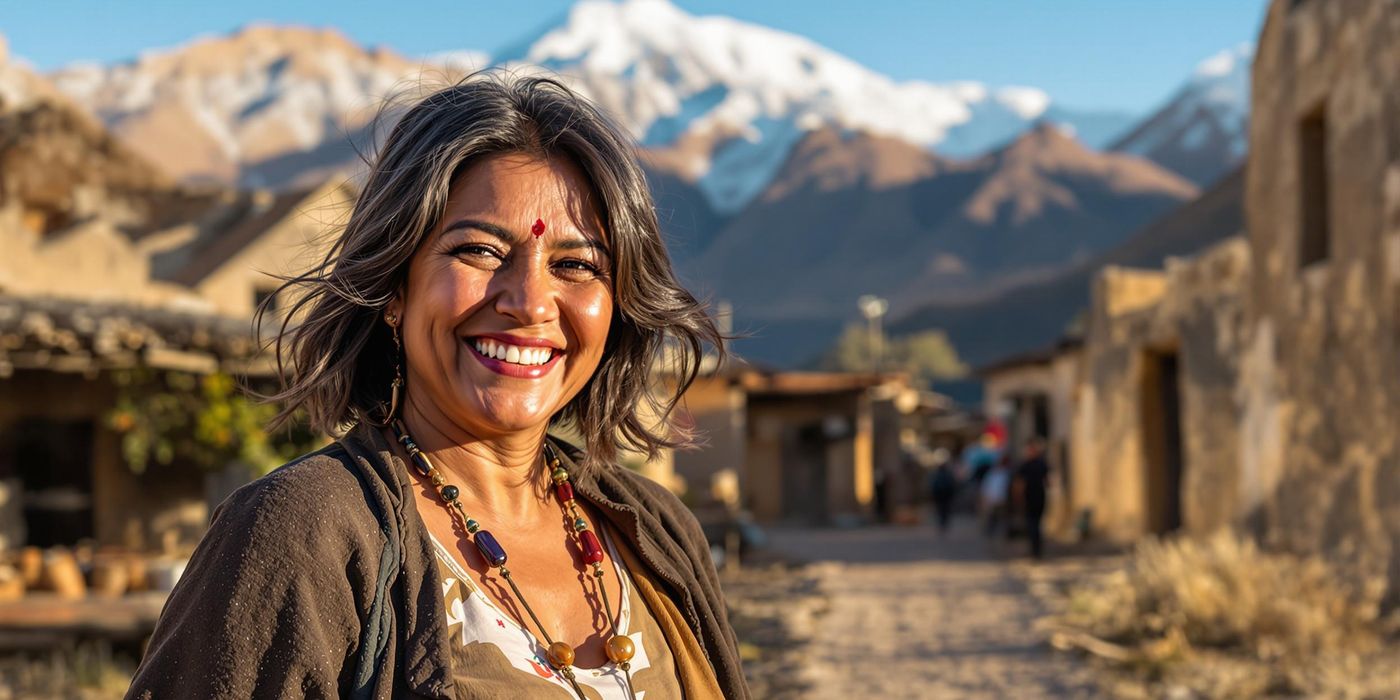
As a Venezuelan now living in Germany, I've always seen the world through a lens of cultural exchange. Photography has become my tool to document, understand, and share the beautiful diversity I encounter. It's more than just taking pretty pictures; it's about telling stories, respecting traditions, and connecting with people. Join me as I share my insights on capturing culture through travel photography, with a focus on purpose and respect.
The Essence of Cultural Storytelling Through Photography
Photography possesses an extraordinary power to transcend language barriers and capture the essence of human experience. It allows us to document cultural experiences, preserving traditions, and sharing stories that might otherwise be lost. As someone who has navigated different cultures, from my roots in Venezuela to my life in Germany, I've witnessed firsthand how a single image can spark curiosity, empathy, and understanding.
It's crucial to move beyond superficial snapshots that merely scratch the surface of a destination. Instead, aim to capture authentic moments – the laughter of children playing in a village square, the intricate details of a craftsman's hands at work, the solemnity of a religious ceremony. These are the moments that truly reflect the heart and soul of a culture.
Photography can be a powerful tool for fostering appreciation of diverse cultures. By sharing images that showcase the beauty and complexity of different ways of life, we can challenge stereotypes, break down prejudices, and promote cross-cultural dialogue. My own journey has been enriched immeasurably by the opportunity to photograph and share the stories of people from all walks of life.
Ethical Considerations: Respecting Boundaries and Traditions
As travel photographers, we have a responsibility to act ethically and with respect for the people and cultures we encounter. This means being mindful of our impact on local communities and avoiding actions that could cause harm or offense.
One of the most important ethical considerations is seeking permission before photographing people, especially in situations where they may be vulnerable or sensitive. Always ask politely and explain why you want to take their picture. If someone declines, respect their wishes and move on. Similarly, be mindful of cultural sensitivities when photographing sacred sites or religious ceremonies. Some places may have restrictions on photography, so it's essential to do your research and follow local guidelines.
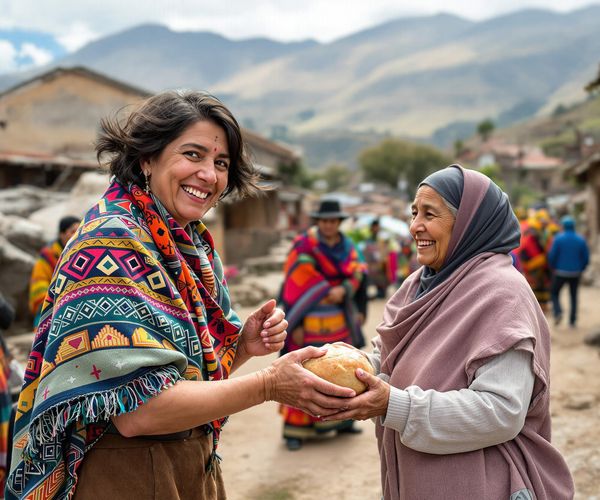
During a trip to a remote village in the Andes, I encountered a community that was initially wary of outsiders. By taking the time to build trust and explain my intentions, I was eventually able to gain their permission to photograph their daily lives. It was a humbling experience that taught me the importance of patience, respect, and cultural awareness.
Techniques for Meaningful Cultural Photography
Capturing meaningful cultural images requires more than just pointing and shooting. It involves using your skills as a photographer to tell a story, evoke emotions, and capture the essence of a place or culture.
Pay attention to composition, using leading lines, framing, and the rule of thirds to create visually compelling images. Lighting is also crucial, so try to shoot during the golden hours (early morning and late afternoon) when the light is soft and warm. Don't be afraid to experiment with different angles and perspectives to capture unique and interesting shots.
Use photography to tell a story by focusing on details, emotions, and interactions. Capture the texture of a weathered building, the sparkle in a child's eyes, or the connection between two people sharing a meal. These are the elements that will bring your images to life and make them resonate with viewers.
Strive to move beyond stereotypes and clichés by seeking out unique perspectives and capturing unexpected moments. Look for the hidden gems that reveal the true character of a place and its people. By challenging conventional representations, you can create images that are both thought-provoking and visually stunning.
Connecting with Locals: Building Trust and Rapport
One of the most rewarding aspects of travel photography is the opportunity to connect with local communities and build relationships. By engaging with people on a personal level, you can gain a deeper understanding of their culture and capture more authentic images.
Before you even pick up your camera, take the time to introduce yourself and explain your intentions. Show genuine interest in their lives and ask questions about their culture and traditions. By being respectful and approachable, you can build trust and create a comfortable environment for taking photos.
I've found that learning a few basic phrases in the local language can go a long way in building rapport. Even a simple hello or thank you can show that you're making an effort to connect with people on their terms. Sharing a meal or participating in a local activity can also be a great way to break down barriers and build relationships.
During my travels, I've been fortunate to meet countless individuals who have welcomed me into their homes and shared their stories with me. These encounters have enriched my photography immeasurably and have taught me the importance of human connection.
Gear and Preparation: Traveling Light with Intention
Choosing the right equipment for travel photography is essential, but it's important to prioritize portability and versatility. You don't want to be weighed down by heavy gear, so focus on bringing only what you need.
A lightweight camera with a versatile zoom lens is a great option for capturing a wide range of subjects and scenes. Consider bringing a prime lens for low-light situations and portrait photography. A sturdy tripod can be helpful for landscape photography and long-exposure shots. Don't forget to pack extra batteries, memory cards, and a reliable camera bag.
Before you travel, take the time to research your destination and learn about its cultural norms and customs. This will help you be better prepared for any challenges you may encounter and ensure that you're acting respectfully towards local communities. Check for any restrictions on photography in certain areas and be aware of any cultural sensitivities that may affect your work.
Most importantly, travel with intention and focus on capturing meaningful moments rather than accumulating images. Be present in the moment and allow yourself to be open to new experiences. By approaching travel photography with a sense of purpose and respect, you can create images that are both beautiful and meaningful.
A guide to travel photography with an emphasis on capturing cultural moments. Learn techniques for photographing people, landscapes, and events while respecting local customs.