In today's fast-paced world, travel often feels like a race against the clock. We rush from one landmark to another, ticking off sights on a list, and sometimes miss the essence of the places we visit. But what if we could embrace a different way of exploring? A way that allows us to truly connect with a destination, its people, and its culture? That's where the art of slow travel comes in.
What is Slow Travel?
Slow travel is more than just a leisurely vacation; it's a conscious choice to prioritize depth over breadth. It's about immersing yourself fully in a destination, savoring every moment, and creating genuine connections. Instead of rushing to see as many places as possible, slow travel encourages you to focus on quality over quantity. It's about mindful exploration, where you take the time to appreciate the small details, engage with locals, and understand their way of life.
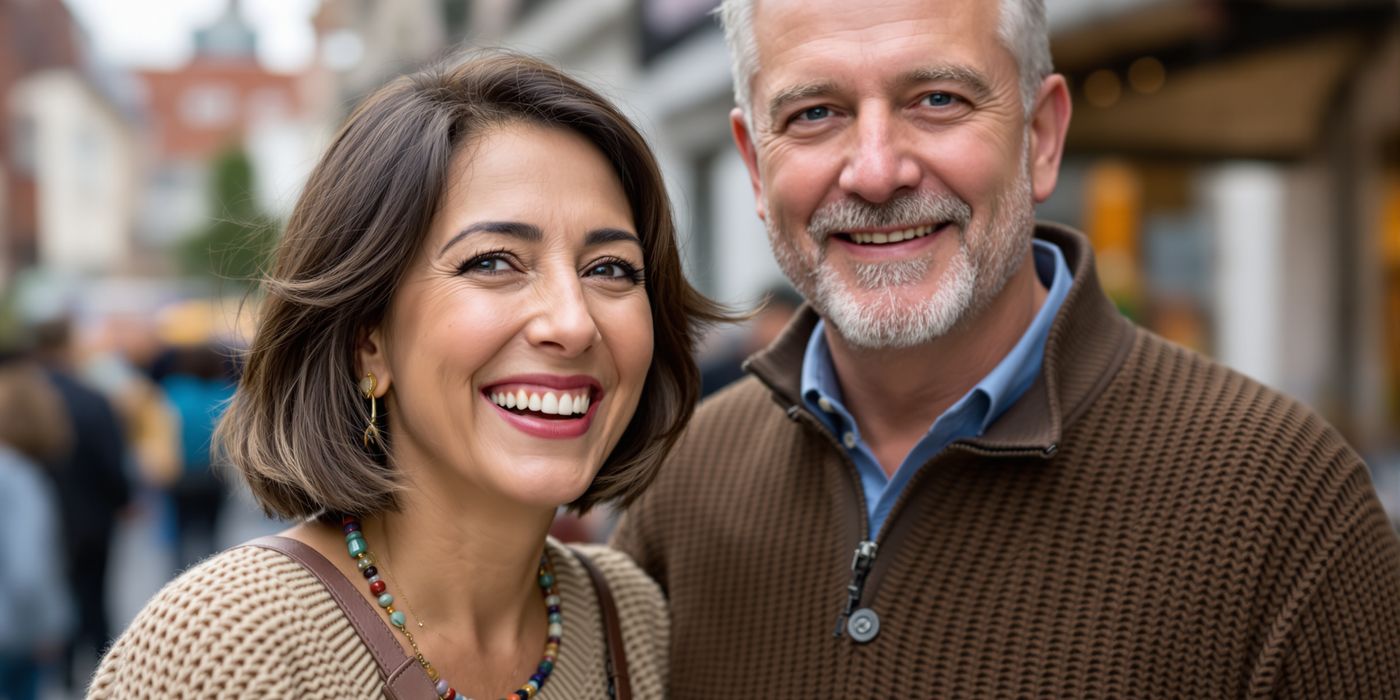
For Hans and me, slow travel is a way of life. We've found that the most rewarding travel experiences come from truly immersing ourselves in a place, rather than just passing through. It’s about savoring local experiences and fostering a deeper understanding of different cultures. It's a shift from simply ticking off tourist sites to truly living in the moment and connecting with the heart of a place.
The Benefits of Slowing Down
The benefits of slow travel are numerous and far-reaching. One of the most significant is the enhanced cultural immersion it provides. When you slow down, you have the opportunity to truly understand local traditions, customs, and ways of life. You can engage in conversations with locals, learn about their history, and gain insights into their daily routines. This level of immersion simply isn't possible when you're rushing from one place to another.
Slow travel also allows for more meaningful experiences. Instead of just seeing the sights, you can foster authentic connections with the people, history, and everyday life of a place. This might involve taking a cooking class, volunteering at a local organization, or simply spending time in a neighborhood cafe, observing the rhythm of daily life.
Beyond the personal benefits, slow travel also has a positive impact on the environment. By choosing sustainable transport methods, such as trains and buses, and supporting local economies, you can reduce your carbon footprint and contribute to the well-being of the communities you visit.
Planning a Slow Travel Itinerary
Planning a slow travel itinerary requires a different mindset than planning a traditional vacation. The key is to choose fewer destinations and stay longer in each place. This allows you to truly immerse yourself in the local culture and avoid the stress of constantly packing and unpacking.
When choosing accommodations, consider booking local options like homestays or eco-lodges. These types of accommodations offer a more authentic experience and allow you to connect with local hosts who can share their knowledge and insights. Hans and I always seek out smaller, family-run establishments; it adds so much to our experience.
Transportation is another important consideration. Whenever possible, opt for ground transportation, such as trains and buses. Not only does this reduce your carbon footprint, but it also allows you to enjoy the scenery and experience the journey in a more meaningful way.
Finally, be sure to create a flexible itinerary that allows for spontaneity and unexpected discoveries. Leave room for detours, unplanned adventures, and the chance to simply wander and explore. Some of our best travel memories have come from those unplanned moments.
Carmen's Slow Travel Adventures
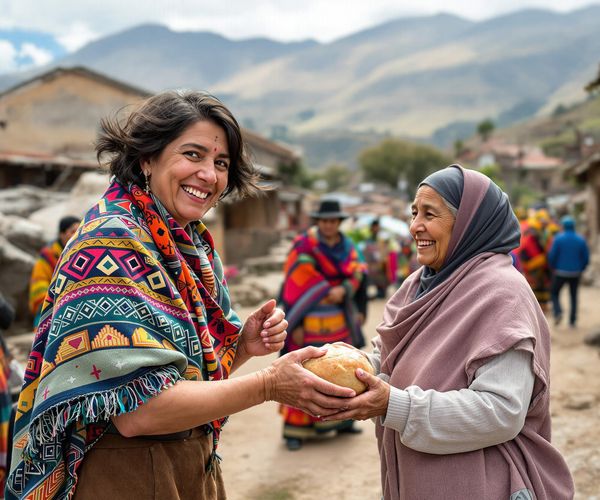
Hans and I have had countless slow travel adventures over the years, each one leaving us with lasting memories and a deeper appreciation for the world. One of our most memorable experiences was in Venezuela, where I had the opportunity to cook traditional dishes with local women in my hometown of Guanare. I was able to share my culture with Hans while learning new techniques and recipes from the community. The smells, the laughter, and the shared stories created a bond that transcended language and culture.
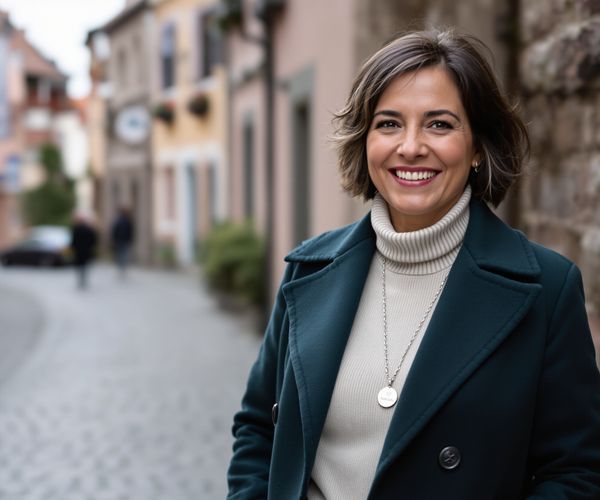
Another wonderful experience was attending a local cultural event in Bamberg. We were able to witness traditional dances, music, and food, immersing ourselves in the local culture. We learned about the history and significance of the event, gaining a deeper understanding of the community's values and traditions.
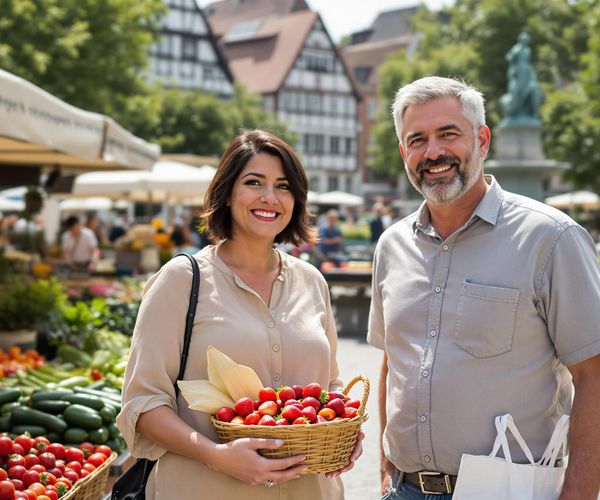
We always try to incorporate sustainable practices into our travels. We use public transportation whenever possible, walk or bike when appropriate and support local businesses by buying locally sourced products and dining at family-run restaurants. These choices not only reduce our environmental impact but also enhance our travel experiences by connecting us with the local community.
Embracing Sustainable and Ethical Choices
Sustainable and ethical choices are integral to the slow travel philosophy. By supporting local artisans, dining at family-run restaurants, and staying in eco-conscious accommodations, you can engage with a destination in a way that respects its cultural heritage and environment.
Ethical spending allows you to contribute to the well-being of the communities you visit, ensuring that your travel dollars are used to support local livelihoods and preserve cultural traditions. It's about being mindful of your impact and making choices that benefit both the environment and the local people.
Consider traveling during the off-season to avoid crowds and support local economies during slower periods. Explore destination dupes – lesser-known alternatives to popular tourist spots – to discover hidden gems and reduce the strain on over-touristed areas. Embrace a digital detox by disconnecting from technology and fully immersing yourself in your surroundings. I find this especially helpful to truly appreciate the beauty around me.
Discover the art of slow travel: immerse yourself in destinations, savor local experiences, and foster meaningful connections. Learn how to enhance cultural understanding and personal growth through mindful exploration.