
Hello, fellow travelers! It's Carmen here, and I'm thrilled to share some insights on a topic close to my heart: sustainable travel. As someone who cherishes exploring new cultures and landscapes, I also feel deeply responsible for protecting our planet. So, let's dive into how we can minimize our carbon footprint while still enjoying incredible adventures.
Understanding Your Travel Footprint
What exactly is a carbon footprint when we talk about travel? Simply put, it's the total greenhouse gas emissions caused by our journeys. This includes everything from the fuel burned by planes and cars to the energy used in hotels and the waste generated by tourist activities. Tourism, while bringing economic benefits, contributes significantly to these emissions. Studies show that tourism accounts for a notable percentage of global greenhouse gas emissions, making it crucial to understand and address our impact. We need to be mindful of the choices we make and how they affect the environment.
Sustainable Transportation Choices
One of the biggest ways we can reduce our travel footprint is by making smarter transportation choices. When possible, opt for low-emission options. Train travel, especially within Europe, is a fantastic alternative to flying. It's often more scenic, comfortable, and significantly less polluting.
If air travel is necessary, there are still ways to minimize your impact. Choose direct flights whenever possible, as takeoffs and landings consume a disproportionate amount of fuel. Flying economy class also helps, as it means more passengers per flight, reducing the overall emissions per person. And, of course, pack light! The heavier the plane, the more fuel it burns. Once you arrive at your destination, embrace public transport, biking, and walking. Not only are these options eco-friendly, but they also offer a more immersive experience of the local culture.
Eco-Friendly Accommodation
Where we stay also has a significant impact on our carbon footprint. Sustainable accommodations prioritize energy efficiency, waste reduction, and local sourcing. Look for hotels and rentals that have certifications like LEED or Green Key, which indicate their commitment to environmental standards. Don't hesitate to ask about a hotel's green initiatives, such as using renewable energy, conserving water, and recycling programs.
Another great option is to stay in locally-owned accommodations, such as guesthouses or bed and breakfasts. These establishments often have a smaller environmental impact and contribute directly to the local economy.
Supporting Local Economies and Communities
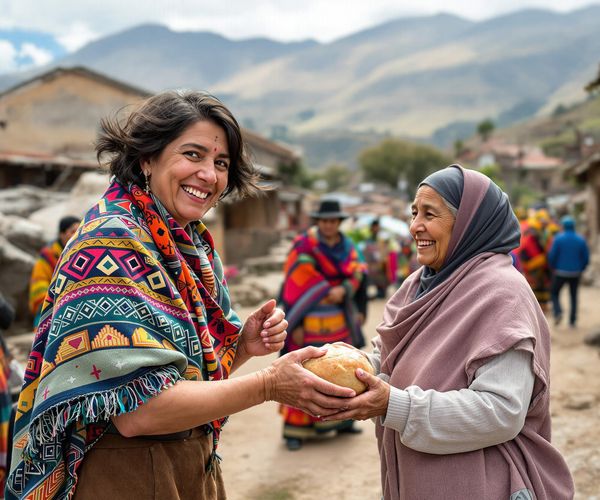
Speaking of local economies, it's essential to support local businesses while traveling. Instead of chain restaurants, try family-run eateries that serve traditional cuisine. Shop at local markets for souvenirs and crafts rather than large tourist shops. Consider hiring local guides for tours and activities, as they can provide unique insights and ensure that your money stays within the community.
Tourism can have a powerful positive impact on local economies, providing jobs and supporting cultural preservation. By making conscious choices about where we spend our money, we can help ensure that our travels benefit the people and places we visit.
Responsible Activities and Consumption
Beyond transportation and accommodation, our daily activities and consumption habits also play a role in sustainable travel. Minimize waste by bringing reusable water bottles, shopping bags, and toiletries. Say no to single-use plastics and opt for eco-friendly alternatives whenever possible.
When it comes to wildlife tourism, be ethical and avoid activities that exploit animals. Choose responsible tour operators that prioritize animal welfare and conservation. And always remember the 'Leave No Trace' principles: pack out everything you pack in, stay on marked trails, and respect wildlife and their habitats.
Carmen's Personal Tips for Sustainable Travel
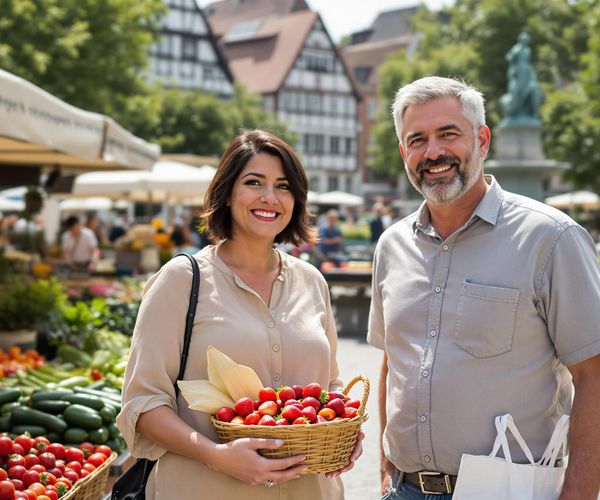
Over the years, Hans and I have learned a few tricks for traveling more sustainably. One of my favorite things to do is visit local farmers' markets and cook meals with fresh, seasonal ingredients. It's a wonderful way to connect with the local culture and reduce our reliance on processed foods.
I also believe in the importance of cultural exchange and respecting local traditions. Before visiting a new place, I always try to learn a few basic phrases in the local language and research the cultural norms. It shows respect and can lead to more meaningful interactions with the people you meet.
And let's not forget the beauty that's right in our backyard! Here in Bamberg, and the surrounding Franconian Switzerland, we have stunning landscapes and charming villages to explore. By choosing local destinations, we can reduce our travel emissions and support our own communities. So, pack your bags and discover the wonders that await you closer to home!
Practical advice on minimizing your carbon footprint when traveling. Sustainable travel practices, including transportation, accommodation, and activities that support local environments and communities.