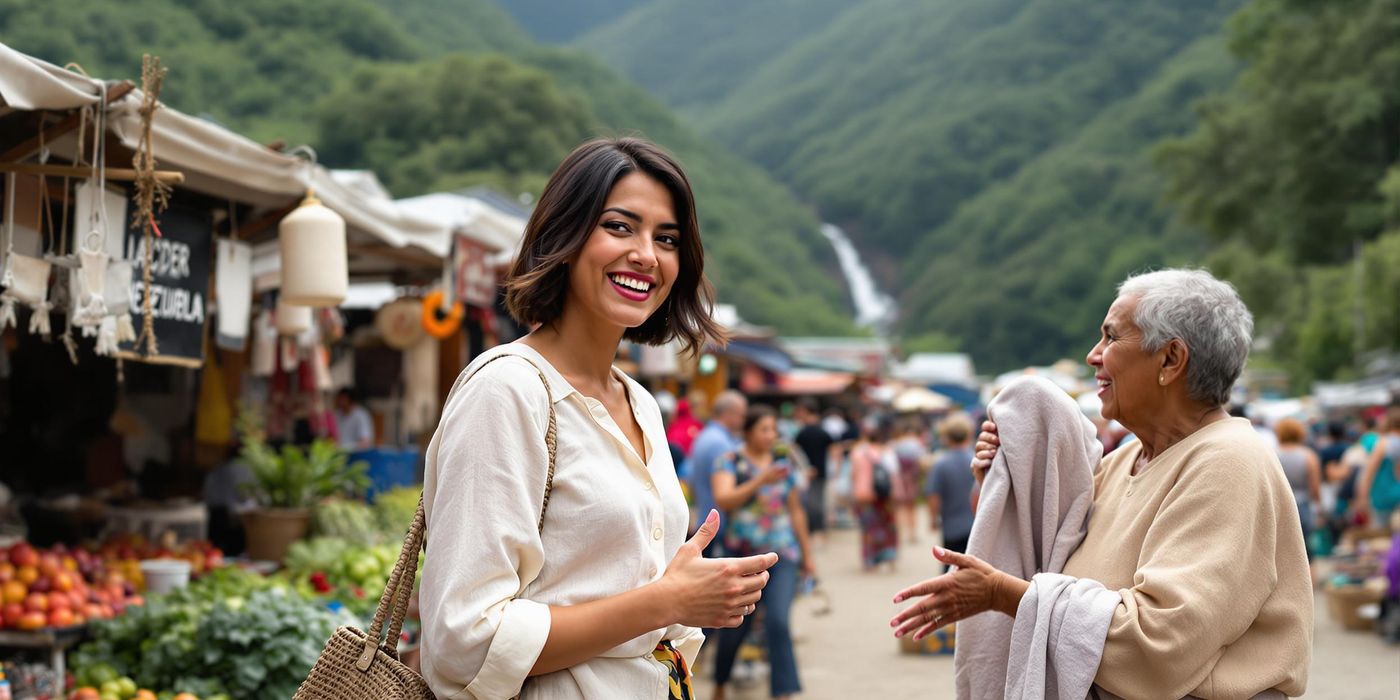
As a translator and avid traveler, I've always believed that language is more than just a tool for communication—it's a gateway to deeper cultural understanding and more authentic experiences. Today, I want to share why I think learning a new language before traveling can transform your journey from a simple vacation into an enriching adventure.
Enhanced Communication and Connection
Knowing even basic phrases in the local language can significantly improve your interactions with locals. It shows respect and a genuine interest in their culture. I remember once traveling through a small village in Spain where very few people spoke English. My attempt to order “una cerveza, por favor” (a beer, please) in my rusty Spanish was met with smiles and a much warmer reception than if I had just pointed at the menu. These small linguistic efforts often open doors to conversations and connections you wouldn't otherwise have.
On another trip to Italy, I tried ordering coffee in Italian. I mispronounced something horribly, and the barista burst out laughing. Instead of being embarrassed, I laughed along with him, and we ended up having a delightful conversation about regional coffee variations. That moment, a simple transaction turned into a memorable cultural exchange, all because I attempted to speak the language.
It’s about more than just getting your order right; it’s about showing you value their culture enough to try. This effort often results in locals being more willing to share their stories, offer recommendations, and help you navigate their home.
Deeper Cultural Understanding
Language is intrinsically linked to culture. By learning a language, you're not just memorizing words and phrases; you're also gaining insights into cultural nuances, traditions, and values. For example, understanding the honorifics used in Japanese or the importance of indirect communication in many Asian cultures can prevent misunderstandings and foster better relationships.
When you learn a language, you start to understand the way people think and perceive the world. Idioms, proverbs, and even humor are deeply rooted in a culture's language. Knowing these can provide a deeper understanding of a culture's history, art, and customs. In Germany, for example, many sayings reflect a practical, no-nonsense approach to life, which is a key aspect of the German character. I have found that understanding these nuances enriched my interactions and allowed me to appreciate the culture on a deeper level.
Consider the Venezuelan tradition of using diminutives to express affection or endearment. Adding “-ito” or “-ita” to the end of words (like “mamacita” or “abuelito”) is a common way to show love and closeness. Understanding this cultural practice provides a richer appreciation for the warmth and affection inherent in Venezuelan relationships.
More Authentic and Immersive Experiences
Language skills enable you to venture beyond the typical tourist hotspots and discover hidden gems. When you can communicate with locals, you're more likely to find yourself in local markets, family-run restaurants, and off-the-beaten-path destinations that offer a more authentic experience.
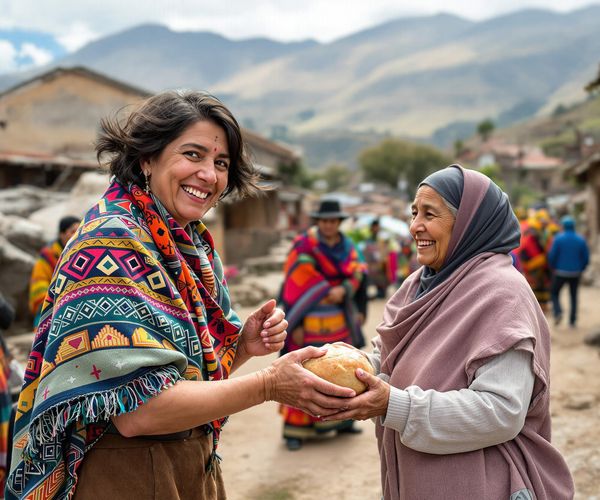
I recall a trip to a small town in the Andes Mountains in Venezuela. Because I could speak Spanish, I was able to chat with the locals and learn about a hidden waterfall that wasn't listed in any guidebook. The hike to the waterfall was an unforgettable experience, and it was all thanks to my ability to communicate with the locals. Speaking the language allowed me to navigate daily life more easily, whether it was ordering food, asking for directions, or bargaining at local markets. These everyday interactions became opportunities for cultural immersion and personal growth.
When you can speak the local language, you're not just a tourist; you become a traveler. You’re able to engage with the culture on a much deeper level, which leads to more enriching and memorable experiences. Plus, the more you use the language, the better your pronunciation and listening skills become, further enhancing your immersion.
Personal Growth and Cognitive Benefits
Learning a new language isn't just beneficial for your travels; it's also great for your brain. Studies have shown that language learning can boost confidence, enhance problem-solving skills, and improve memory. It increases mental flexibility and creativity, making you a more adaptable and resourceful person.
For me, learning German was a significant challenge, but it broadened my horizons and fostered personal growth. It opened up new opportunities for me professionally and personally. The ability to switch between languages has made me more aware of different perspectives and ways of thinking. I find myself approaching problems with a more open and creative mindset, which has been invaluable in both my personal and professional life.
Each new language I learn feels like unlocking a new part of my brain. It’s incredibly rewarding to see how language learning not only enhances my travel experiences but also contributes to my overall personal development.
Practical Tips for Language Learning Before Travel
If you're planning a trip and want to learn some of the local language beforehand, here are some practical tips:
- Focus on practical phrases and vocabulary. Start with greetings, basic questions, and phrases related to food, transportation, and accommodation.
- Use online courses and language learning apps. There are many great resources available online, such as Duolingo, Babbel, and Memrise.
- Find a language exchange partner. Platforms like HelloTalk and Tandem connect you with native speakers who want to learn your language in exchange.
- Immerse yourself in the language. Listen to music, watch movies, and attend cultural events in the language you're learning.
- Consider AI-powered language learning tools for personalized learning experiences. These tools can adapt to your learning style and provide targeted feedback.
Remember, even a little bit of effort can go a long way. Don't be afraid to make mistakes; it's all part of the learning process. The most important thing is to be willing to try and show respect for the local culture.
The Role of Language in Sustainable Tourism
Language skills play a crucial role in sustainable tourism by fostering cultural preservation and supporting local economies. When travelers make an effort to speak the local language, it encourages locals to preserve their linguistic heritage and cultural identity. This, in turn, helps maintain the unique character of a destination and promotes a sense of pride among its residents.
Using local languages in signs and communications is essential for creating a sense of belonging and enhancing the tourist experience. When visitors see and hear the local language, they feel more connected to the community and are more likely to engage with local businesses and initiatives. This can lead to increased economic benefits for local communities and a more sustainable tourism model.
In eco-tourism, the integration of language learning with ecology and environmental awareness is particularly important. Learning about local ecosystems and environmental issues in the local language can help travelers better understand and appreciate the natural environment. This can encourage them to adopt more sustainable practices and support local conservation efforts.
For example, imagine visiting a rural community in the Amazon rainforest. By learning some basic phrases in the local indigenous language, you can engage with community members, learn about their traditional knowledge of the forest, and support their efforts to protect it. This type of engagement not only enriches your travel experience but also contributes to the long-term sustainability of the community and its environment.
So, before you pack your bags for your next adventure, consider investing some time in learning the local language. It’s an investment that will pay off in countless ways, enriching your travel experiences and fostering deeper connections with the people and cultures you encounter.
Discover how learning a new language before traveling can enhance your travel experiences, leading to deeper cultural connections and more authentic interactions. Carmen Gonzalez shares her insights.