Hello, travel enthusiasts! Emilía here, ready to share my passion for languages and how you can weave language learning into your travel adventures. As someone who grew up in the remote landscapes of Iceland and now calls Dresden home, I've learned that knowing even a few phrases in the local language can transform a trip from a simple vacation into a rich, immersive experience.
Embracing the Journey: Why Language Learning Enhances Travel
I remember once being utterly lost in a small village in the Italian Dolomites. My phone had died, and I was relying on a crumpled map and broken Italian. After several attempts, I managed to ask a local for directions, and not only did he guide me back to my path, but he also shared a fascinating story about the region's history. That brief conversation, fueled by my clumsy Italian, turned a potential disaster into a memorable encounter. It's these moments of connection that truly enrich our travels.
Knowing even basic phrases like takk (thank you in Icelandic) or bitte (please in German) shows respect and opens doors. People are often more welcoming and willing to help if you make an effort to speak their language. Plus, understanding the local language allows you to decipher menus, read signs, and engage in conversations that would otherwise be impossible. It’s not just about convenience; it’s about forging deeper cultural connections.
Learning a language is like unlocking a secret code to a culture. You gain insights into their values, humor, and way of life. It transforms you from a mere tourist into a more engaged and empathetic traveler.
Pre-Trip Prep: Laying the Foundation for Language Success
Before you even pack your bags, consider setting some realistic language goals. Are you aiming for fluency, or do you simply want to be able to order food and ask for directions? Be honest about how much time you can realistically dedicate to learning before your trip. Even a few hours a week can make a significant difference.
Focus on practical vocabulary and phrases that you'll actually use during your travels. Learn how to say hello, goodbye, please, thank you, excuse me, and where is the bathroom? Practice ordering food, asking for prices, and understanding basic directions. These building blocks will give you the confidence to start speaking from day one.
There are fantastic language learning apps available that can help you build a solid foundation. Duolingo is great for gamified learning, Babbel offers structured courses, and Memrise uses spaced repetition to help you memorize vocabulary. I personally enjoy using a combination of these apps to keep things interesting. Start with the basics – alphabet, pronunciation, and simple grammar – and gradually work your way up to more complex concepts.
Immersion in Action: Maximizing Language Learning During Your Trip
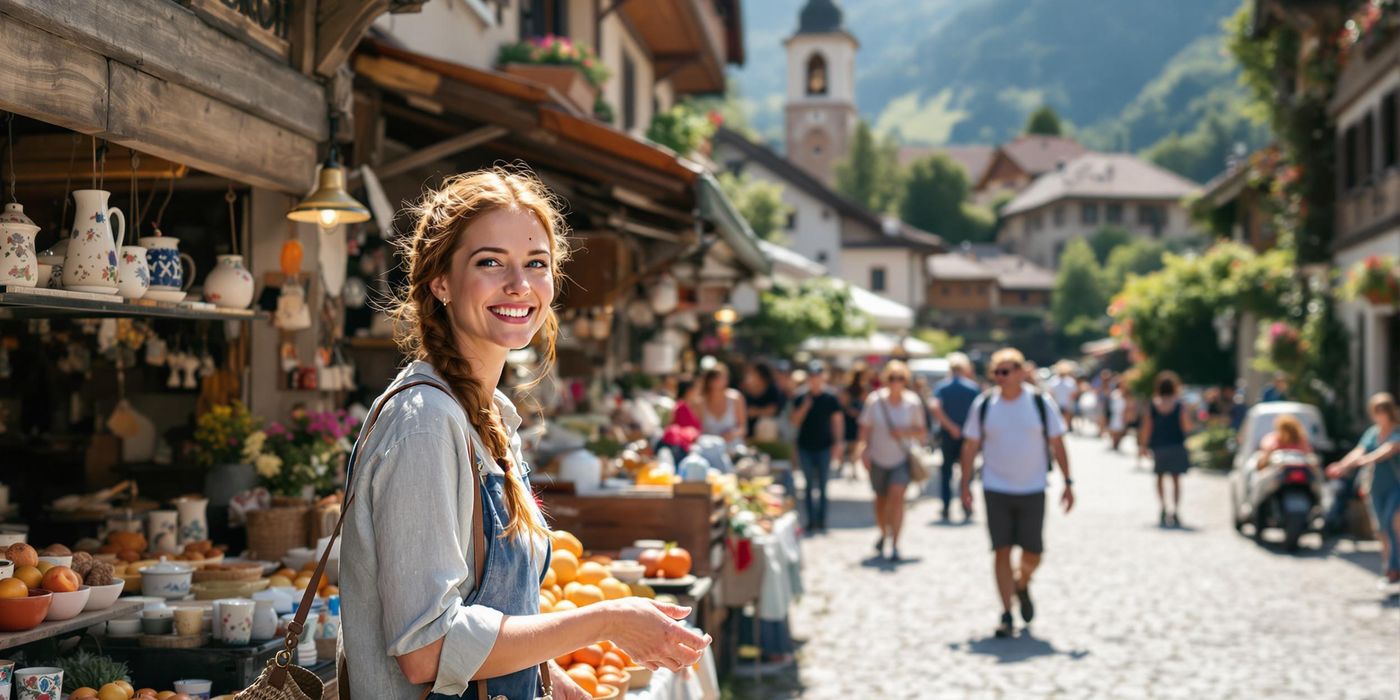
Once you arrive at your destination, it's time to put your language skills into practice! Immerse yourself in the local culture as much as possible. Visit local markets, attend cultural events, and strike up conversations with locals. Don't be afraid to step outside your comfort zone and embrace new experiences.
Challenge yourself with practical exercises. Try reading local menus and ordering food in the local language. Ask for directions, even if you think you know where you're going. Engage in simple transactions at shops and markets. These everyday interactions provide invaluable opportunities to practice your language skills and build confidence.
Seek out opportunities to engage with native speakers. Language exchange programs are a great way to connect with locals who are interested in learning your language. You can also strike up casual conversations with people you meet in cafes, bars, or parks. Most people are happy to chat with travelers who are making an effort to learn their language.
Tech Tools for Travelers: Language Learning Apps and Resources
In addition to Duolingo, Babbel, and Memrise, there are several other language learning apps that are worth exploring. Pimsleur focuses on audio-based learning, which is great for improving your pronunciation and listening comprehension. Rosetta Stone uses an immersive approach, teaching you through images and sounds rather than translations.
Language exchange apps like HelloTalk and Tandem connect you with native speakers from around the world. You can chat with them, ask questions, and practice your language skills in real-time. These apps are a fantastic way to get personalized feedback and make new friends.
Don't forget about Google Translate! While it's not a substitute for learning a language, it can be a helpful tool for quick translations and understanding unfamiliar text. You can also use it to translate signs, menus, and other documents. Just be aware that the translations aren't always perfect, so use it with caution.
Beyond the Basics: Immersing Yourself in Culture Through Media
One of my favorite ways to learn a language is through music. Listening to local music exposes you to the rhythm, intonation, and slang of the language. Plus, it's a fun and engaging way to learn new vocabulary. Create a playlist of your favorite songs and listen to them while you're traveling or relaxing at home.
Watching movies and TV shows in the target language is another great way to improve your comprehension. Start with subtitles in your native language, and then gradually switch to subtitles in the target language. Eventually, try watching without subtitles altogether. This will help you train your ear and improve your listening skills.
Explore local podcasts and YouTube channels for authentic language exposure. These resources often feature interviews, discussions, and cultural insights that you won't find in textbooks. Reading books, blogs, and articles in the language is also a great way to expand your vocabulary and improve your reading comprehension. Start with simple texts and gradually work your way up to more complex material.
Mistakes and Mishaps: Learning Through Experience
I once tried to order a simple coffee in Spain, but instead of asking for un café con leche, I accidentally asked for un café con lache, which, shall we say, has a rather different meaning! The barista's bewildered expression and the stifled giggles from the other customers quickly clued me in on my mistake. While it was embarrassing at the time, it's now one of my favorite travel stories.
Making mistakes is a natural part of the learning process. Don't be afraid to stumble over words, mispronounce phrases, or use the wrong grammar. The important thing is to keep trying and to learn from your errors. Remember, every mistake is an opportunity to improve your language skills and gain a deeper understanding of the culture.
Embrace imperfections and learn from your experiences. The more you practice, the more confident you'll become. And who knows, you might even end up with a funny story to tell! So, pack your bags, download your favorite language learning apps, and get ready to embark on a linguistic adventure. Góða ferð! (Have a good trip! in Icelandic)
Learn how to integrate language learning into your travel adventures. Discover practical tips, apps, and cultural immersion techniques from Emilía, a translator and travel enthusiast.