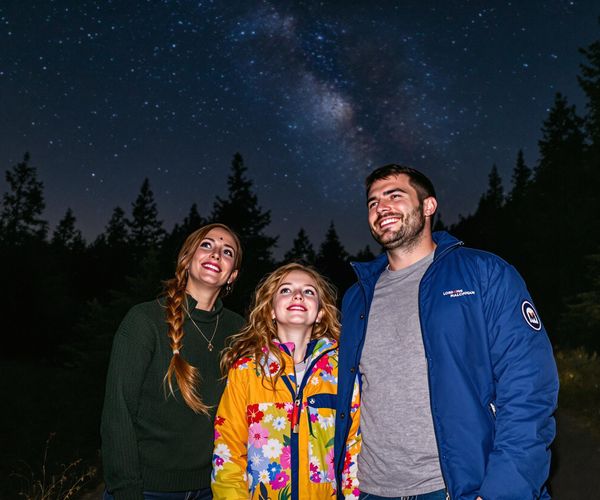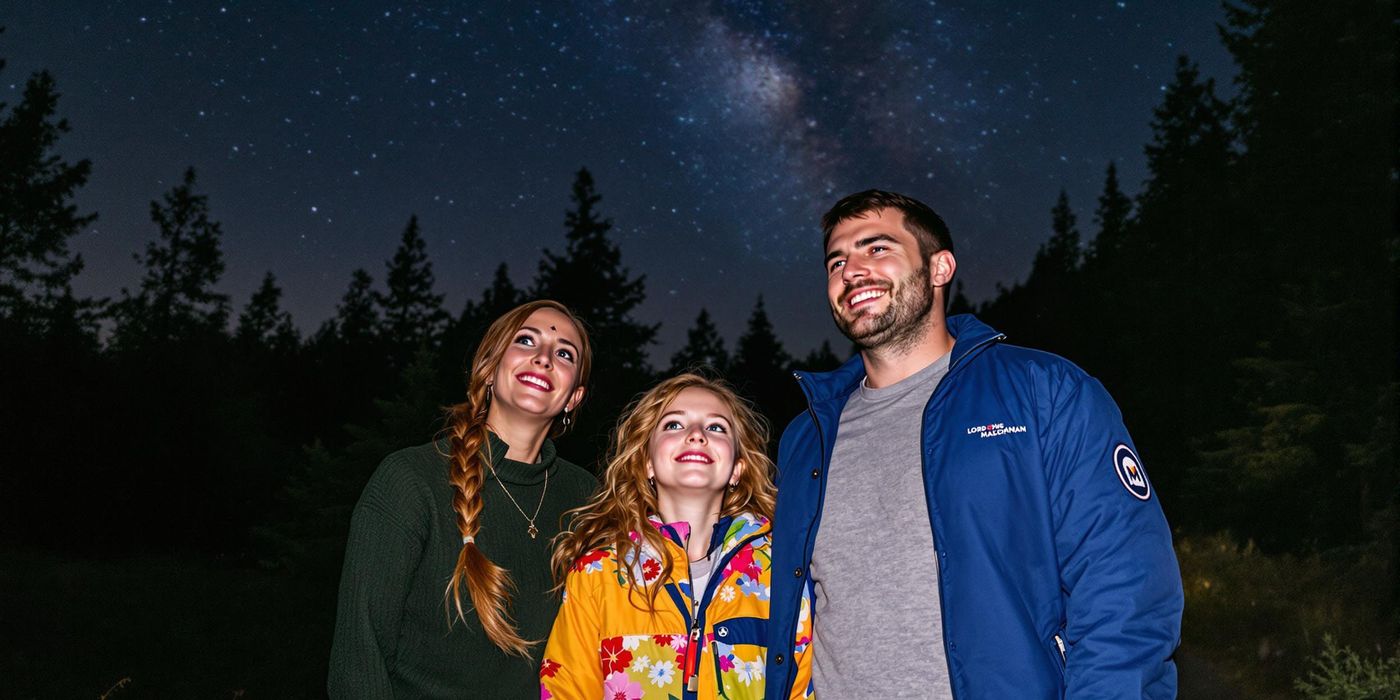
There's something truly magical about looking up at the night sky, isn't there? For me, it's more than just a pretty view; it's a connection to something bigger, a reminder of our place in the vast universe. Growing up in Iceland, with its long, dark winters and minimal light pollution, I spent countless nights gazing at the stars. Now, even living in a city like Dresden, I still find ways to chase that celestial wonder. And I want to share that joy with you, fellow travelers!
Why Stargazing?
Stargazing has always been a source of comfort and inspiration for me. I remember as a child lying on the grass near our home in Ísafjörður, completely mesmerized by the sheer number of stars visible on a clear night. It felt like the universe was whispering secrets, and I was all ears [i].
That sense of wonder has stayed with me. When I look up at the stars, I feel a deep connection to something ancient and infinite. It puts things into perspective, reminding me that our daily worries are just a tiny part of a much grander story. And the best part? Stargazing is incredibly accessible. You don't need fancy equipment or specialized knowledge to appreciate the beauty of the night sky. It's a hobby that anyone can enjoy, anywhere in the world.
Essential Equipment for Stargazing on the Go
Let's talk gear! The great thing about stargazing is that you can start with absolutely nothing. The naked eye is your first and best tool. On a clear, dark night, you can see thousands of stars and even the faint glow of the Milky Way stretching across the sky. It's a breathtaking sight!
If you want to enhance your viewing experience, I highly recommend a pair of binoculars. They're relatively inexpensive, easy to pack, and can reveal details you'd never see with the naked eye. You'll be amazed at the craters on the Moon, the moons of Jupiter, and even some of the brighter nebulae.
Telescopes are the next step up. There are three main types: refractor telescopes, which use lenses to focus light; reflector telescopes, which use mirrors; and compound telescopes, which combine lenses and mirrors. Refractors are great for viewing planets and the Moon, while reflectors are better for faint objects like galaxies and nebulae. Compound telescopes offer a good balance of both. When should you invest in a telescope? When you're ready to take your stargazing to the next level and explore the night sky in more detail.
Don't forget the accessories! A red flashlight is essential for preserving your night vision. White light can ruin your dark adaptation in seconds, while red light has much less of an effect. A planisphere, or star chart, is a handy tool for identifying constellations and stars. There are also many excellent stargazing apps available for smartphones and tablets. These apps can show you what's visible in the sky at any given time and location, and even help you find specific objects.
Finding the Perfect Stargazing Location
Location, location, location! This is crucial for a successful stargazing experience. The biggest obstacle to stargazing is light pollution. Artificial light from cities and towns washes out the faint light of stars, making it difficult to see anything. To escape light pollution, you need to get away from urban areas and find a dark sky location.
Thankfully, there are resources available to help you find dark sky locations. Light pollution maps show the levels of light pollution around the world. These maps can help you identify areas with minimal light pollution. There are also websites and organizations dedicated to preserving dark skies, such as the International Dark-Sky Association. These resources can provide information about dark sky parks and other stargazing locations.
I've had some incredible stargazing experiences in Europe. Iceland, of course, is a fantastic destination. The Westfjords region, where I grew up, is particularly dark. I also remember a magical night in the Bavarian Forest in Germany, where Maximilian and I saw the Milky Way in all its glory. The Sahara Desert and the Atacama Desert are renowned for their dark skies and are definitely on my stargazing bucket list!
Best Practices for a Successful Stargazing Trip
Planning is key! Before you head out, check the weather forecast. Clear skies are essential for stargazing. Also, pay attention to the moon phases. A full moon can wash out the stars, so it's best to stargaze during a new moon or when the moon is only a sliver in the sky.
Allow time for your eyes to adjust to the darkness. This process, called dark adaptation, can take up to 30 minutes. Avoid looking at bright lights during this time. Once your eyes are fully adapted, you'll be amazed at how many more stars you can see.
Learn basic constellations. This will help you navigate the night sky and find your way around. There are many resources available to help you learn constellations, including books, websites, and apps. It's also helpful to learn how to use a planisphere or stargazing app.
Consider attending a star party or joining a local astronomy club. Star parties are gatherings of amateur astronomers where you can share your passion for stargazing with others. Astronomy clubs often organize stargazing events and offer educational programs.
Stargazing Etiquette: Respecting the Night and Others
Let's talk about being a responsible stargazer. Minimizing light pollution is crucial. Use red lights instead of white lights, dim the screens on your electronic devices, and avoid using bright headlights. Keep noise levels low. Stargazing is a peaceful activity, and it's important to respect the environment. Leave no trace behind. Pack out everything you pack in, and avoid disturbing wildlife. Give space to others, especially those with telescopes or cameras. They may be trying to capture faint objects in the sky.
Notable Astronomical Events to Watch For
The cosmos is always putting on a show! In 2025, keep an eye out for meteor showers like the Perseids in August and the Geminids in December. Lunar eclipses are also spectacular events. Check websites like Time and Date or Space.com for accurate information about upcoming astronomical events. These sites will provide dates, times, and viewing tips.
Discover stargazing tips for travelers from Emilía Jónsdóttir. Learn about equipment, locations, and etiquette for a successful stargazing experience.