As a translator and freelance writer with Icelandic roots now living in Dresden, Germany, I've always been drawn to the stories behind objects. For me, souvenirs aren't just trinkets; they're tangible memories, little pieces of the places we've explored and the cultures we've encountered. But in a world saturated with mass-produced goods, how can we ensure our keepsakes are both meaningful and mindful? Join me as I delve into the world of sustainable souvenirs, sharing tips and personal experiences to help you choose treasures that support local communities and honor our planet.
The Allure of Souvenirs: More Than Just Trinkets
There's something deeply human about wanting to hold onto a piece of our travels. Souvenirs serve as a bridge back to those sun-drenched afternoons in a Tuscan vineyard or the hushed reverence felt inside a centuries-old cathedral. They're more than just objects; they're emotional touchstones that transport us back to cherished moments. From refrigerator magnets to intricately carved wooden figurines, the variety of souvenirs reflects the diverse cultures and experiences we seek.
However, the souvenir industry isn't always a pretty picture. Mass-produced items, often churned out in factories far from the place they represent, can have detrimental effects. They can undermine local economies, exploit workers, and contribute to environmental degradation through unsustainable production practices and long-distance shipping. It's a complex issue, but one we can address by making conscious choices.
Embracing Sustainable Souvenir Shopping
So, what exactly is a 'sustainable souvenir'? For me, it's an item that minimizes its environmental impact, supports local artisans and businesses, and respects the cultural heritage of the place it comes from. It's about choosing quality over quantity, opting for handcrafted goods made with locally sourced materials.
Supporting local artisans is crucial. When we buy directly from the people who create these items, we're investing in their livelihoods and helping to preserve traditional crafts. It's a way of saying, I value your skills, your culture, and your contribution to this community. My personal philosophy revolves around mindful consumption. Before making a purchase, I ask myself: Do I truly need this? Will it bring lasting joy? Where did it come from, and who made it? These simple questions can guide us toward more ethical and sustainable choices.
Ethical practices, fair trade principles, and sustainable sourcing are the cornerstones of mindful souvenir shopping. Look for items made from recycled or upcycled materials, those produced using environmentally friendly techniques, and those that provide fair wages and safe working conditions for artisans. Fair trade ensures that artisans receive a fair price for their work, empowering them to improve their lives and communities.
Identifying Authentic and Eco-Friendly Products
Distinguishing handcrafted items from mass-produced goods can be tricky, but there are clues to look for. Handcrafted items often have slight imperfections, variations in color or texture that speak to their unique creation process. Mass-produced items, on the other hand, tend to be uniform and flawless.
Always check labels and try to understand the origin of the products. Look for information about the materials used, the production process, and the artisans involved. Don't hesitate to ask questions! Local vendors are usually happy to share the story behind their products. Certifications like Fair Trade Certified or those from sustainable forestry initiatives can also provide assurance that a product meets certain ethical and environmental standards.
One of my favorite tips is to ask local guides for recommendations. They often know where to find hidden artisan treasures, workshops where you can see craftspeople at work, and markets that showcase authentic local products. In Iceland, I discovered a small workshop in a remote village where elderly women were still knitting traditional Lopapeysa sweaters using time-honored techniques. It was an unforgettable experience to witness their skill and dedication, and I knew that purchasing a sweater directly from them was a way of supporting their craft and preserving a piece of Icelandic heritage.
My Favorite Sustainable Souvenir Finds
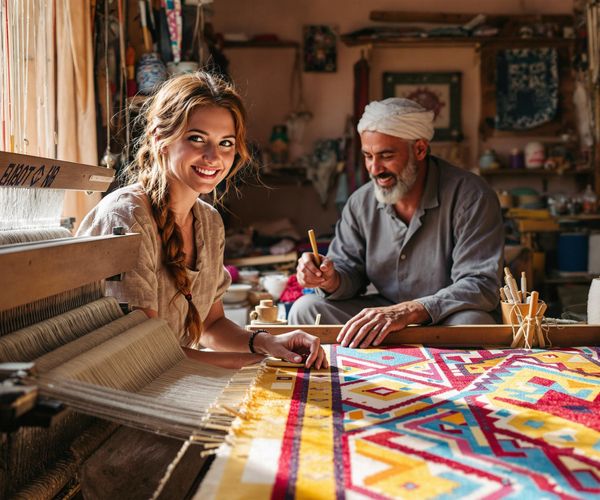
Over the years, I've collected a variety of unique and meaningful souvenirs that embody the principles of sustainability. In Morocco, I found a beautiful handwoven rug made from recycled plastic bottles. It's not only a stunning piece of art but also a testament to the ingenuity and resourcefulness of local artisans. In Guatemala, I purchased a vibrant textile woven by a women's cooperative. The colors and patterns told a story of their culture and traditions, and the purchase directly supported their economic empowerment.
Each of these items has a story to tell, a connection to the people and places I've encountered. I remember visiting a pottery workshop in Italy where I watched a family create exquisite ceramics using clay from their own land. The passion and artistry that went into each piece were palpable, and I knew that bringing home one of their creations would be a way of keeping that memory alive.
Seek out markets and workshops that offer opportunities to see artisans at work. These experiences provide a deeper understanding of the craftsmanship and cultural significance behind the items you're considering purchasing. It's a chance to connect with the creators, learn about their traditions, and support their livelihoods in a meaningful way.
Practical Alternatives: Beyond Traditional Souvenirs
Sometimes, the most sustainable souvenir isn't an object at all. Instead of buying more things, consider alternative ways to capture your travel memories without contributing to overconsumption. Experiences like cooking classes, local workshops, and community events can provide lasting memories and a deeper connection to the place you're visiting.
Learn to make pasta in Italy, take a pottery class in Japan, or participate in a traditional dance performance in Bali. These experiences will not only enrich your travels but also support local businesses and cultural preservation efforts. Digital souvenirs, such as photography and travel journals, are also excellent options. Capture the beauty of your surroundings through your lens or document your experiences in a written or visual journal.
Support local services like taxis and restaurants. By choosing local businesses over international chains, you're directly contributing to the local economy and helping to sustain the community. Every euro spent locally has a ripple effect, supporting families, creating jobs, and preserving the unique character of the place you're visiting.
The Future of Mindful Keepsakes
I'm encouraged by the growing trend of sustainable and ethical consumerism in the travel industry. More and more travelers are seeking out responsible and meaningful ways to engage with the places they visit. Innovative initiatives are emerging that promote responsible souvenir production and consumption, such as platforms that connect travelers directly with local artisans and organizations that provide training and resources for sustainable businesses.
I encourage you to share your own experiences and tips for finding sustainable souvenirs. Let's create a community of mindful travelers who are committed to making a positive impact on the world. We can also look at eco-friendly packaging and reusable gifts. Choose souvenirs that come in minimal or reusable packaging, or opt for items that can be easily recycled or repurposed. Consider giving experiences as gifts instead of material possessions, supporting local businesses and creating lasting memories for your loved ones.
By making conscious choices about the souvenirs we buy, we can transform our travel experiences into opportunities to support local communities, preserve cultural heritage, and protect our planet. Let's embrace the power of mindful keepsakes and create a more sustainable and meaningful world, one souvenir at a time.
Discover how to choose sustainable souvenirs that support local artisans and preserve cultural heritage. Learn from Emilía's travels and embrace mindful keepsakes.