Hello fellow travelers! Emilía here, ready to share some insights from my own journey towards more sustainable adventures. As someone who grew up surrounded by Iceland's stunning, yet delicate, landscapes, I've always felt a deep responsibility to protect the environment. Now, living in Dresden with my family, I'm constantly seeking ways to minimize our impact while still exploring the world. Join me as I delve into practical tips and personal experiences on how we can all travel a little lighter.
Choosing Eco-Friendly Transportation
Transportation is a biggie when it comes to carbon footprints. Air travel, while convenient, isn't exactly kind to our planet. That's why, whenever possible, we opt for trains, especially for family trips within Europe. I remember one summer, instead of flying from Dresden to visit relatives in France, we decided to take the scenic route by train. It took longer, yes, but the experience was incredible! We saw so much more of the countryside, enjoyed comfortable seating, and Clara, our daughter, was free to roam around (within reason, of course!).
Finding train routes can be a bit daunting, but resources like Deutsche Bahn and Trainline make it much easier to plan your journey. Don't be afraid to explore night trains either – they save on accommodation costs and allow you to wake up in a new city ready to explore! And while I love a good road trip, consider the environmental impact. If you must drive, think about renting an electric car. They're becoming increasingly available in many regions, and the charging infrastructure is steadily improving.
Once you're at your destination, embrace the joy of slow travel! Cycling or walking is a fantastic way to explore cities and natural areas. Many cities now offer bike-sharing programs, making it easy to hop on a bike and discover hidden gems at your own pace.
Supporting Local Businesses and Communities
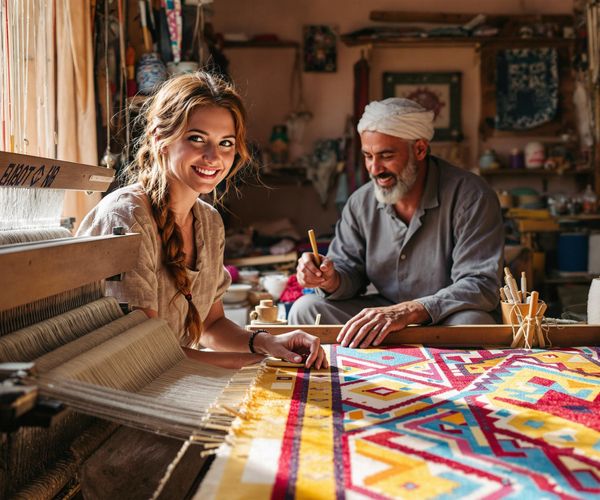
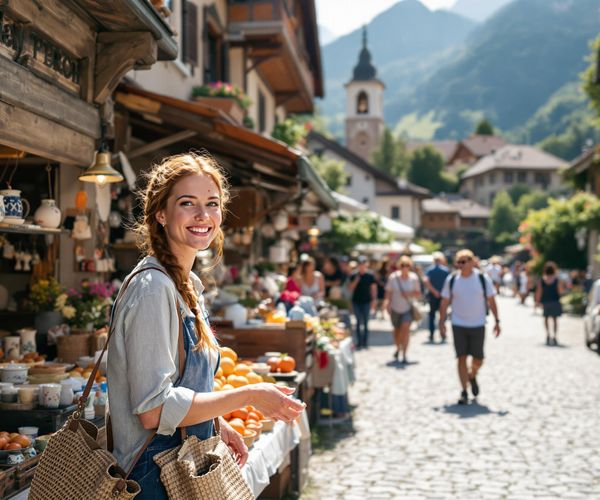
One of the most rewarding aspects of travel is connecting with local cultures and communities. And what better way to do that than by supporting local businesses? Forget the generic souvenirs and chain restaurants – seek out local markets and artisan shops. I still cherish the hand-knitted wool scarf I bought from a market in Reykjavik. It's not just a beautiful item; it's a reminder of the talented craftspeople and the unique culture of Iceland.
Eating at locally-owned restaurants is another great way to support the local economy. You'll get to try authentic regional cuisine and often discover family-run establishments with heartwarming stories. We once stumbled upon a tiny taverna in Greece where the owner's grandmother was still cooking traditional dishes. It was an unforgettable culinary experience!
When it comes to accommodation, consider staying in eco-lodges or guesthouses that prioritize sustainability. These establishments often use renewable energy, conserve water, and support local communities. Look for certifications like the Green Key or Ecolabel to ensure they meet certain environmental standards. There are also community-based tourism initiatives that allow you to stay with local families, learn about their traditions, and contribute directly to their livelihoods.
Reducing Waste and Plastic Consumption
This is a big one for me! I'm always striving to reduce my waste, both at home and while traveling. A few simple habits can make a huge difference. Always carry a reusable water bottle, shopping bag, and cutlery. I even have a small, foldable shopping bag that I keep in my purse for unexpected purchases.
Avoiding single-use plastics is crucial. Say no to plastic straws, coffee cups, and excessive packaging. When buying snacks or drinks, opt for items with minimal packaging or choose products in glass or aluminum containers, which are more easily recycled.
Consider packing eco-friendly toiletries and personal care products. There are many brands that offer solid shampoo bars, toothpaste tablets, and refillable containers. These not only reduce plastic waste but also save space in your luggage!
And why not get involved in environmental initiatives while you're traveling? Many destinations offer beach cleanups or other volunteer opportunities. It's a great way to give back to the community and make a positive impact on the environment.
Responsible Accommodation Choices
Where you stay can significantly impact your carbon footprint. Look for accommodations that have implemented sustainable practices, such as using renewable energy, conserving water, and reducing waste. Many hotels now have programs to encourage guests to reuse towels and linens, which helps conserve water and energy.
I remember staying in a charming eco-lodge in Costa Rica that was powered entirely by solar energy. They also had a rainwater harvesting system and a composting program. It was inspiring to see how they were minimizing their environmental impact while providing a comfortable and enjoyable experience for their guests.
Conserving water and energy while traveling is also essential. Take shorter showers, turn off lights and appliances when you leave your room, and avoid leaving the air conditioning or heating running unnecessarily. Small actions can add up to significant savings.
Mindful Consumption and Souvenir Shopping
Our consumer choices have a ripple effect on the environment and local communities. When shopping for souvenirs, be mindful of the impact of your purchases. Opt for locally-made items that support local artisans and businesses. Avoid products made from endangered species or unsustainable materials.
I've learned to appreciate the beauty and craftsmanship of handmade souvenirs. They're not just trinkets; they're tangible reminders of my travels and the people I've met along the way. I still have a hand-carved wooden bird from a trip to Bali, which serves as a constant reminder of the island's rich culture and artistic traditions.
Supporting fair trade practices is also crucial. Look for products that are certified fair trade, ensuring that the artisans and producers receive fair wages and work in safe conditions. And instead of buying material possessions, consider investing in experiences. Take a cooking class, go on a guided tour, or attend a local festival. These experiences will create lasting memories and enrich your understanding of the local culture.
By making conscious choices and adopting sustainable practices, we can all travel in a way that minimizes our impact on the environment and supports local communities. Let's embrace the beauty of our planet while protecting it for future generations. Happy travels!
Emilía shares insights on minimizing your carbon footprint while traveling. Discover eco-friendly transportation, support local businesses, reduce waste, and make responsible accommodation choices.