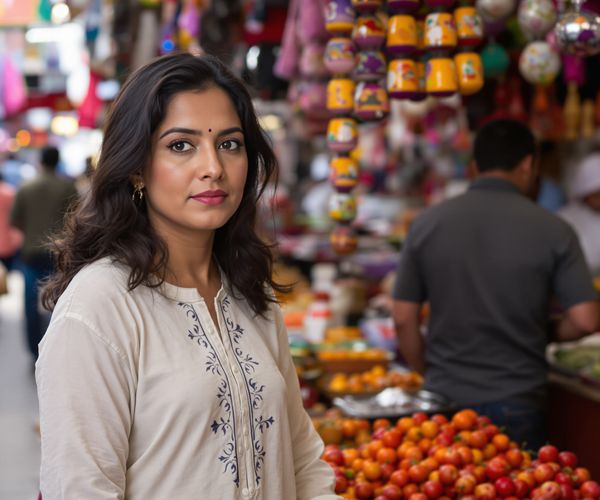
Traveling opens our eyes to the world's incredible diversity, but it also places us in unfamiliar social landscapes. Understanding and respecting cultural etiquette is more than just good manners; it's about fostering genuine connections and enriching our travel experiences. Join me, Fatima El Khoury, as I share insights and stories from my journeys, highlighting the importance of cultural sensitivity and offering practical tips for navigating social norms around the globe.
Understanding Cultural Etiquette: More Than Just Good Manners
Cultural etiquette goes beyond simple politeness; it's about understanding the unspoken rules and customs that govern social interactions in different societies. Respecting these norms demonstrates appreciation for the local culture and helps avoid misunderstandings that could lead to awkward or even offensive situations.
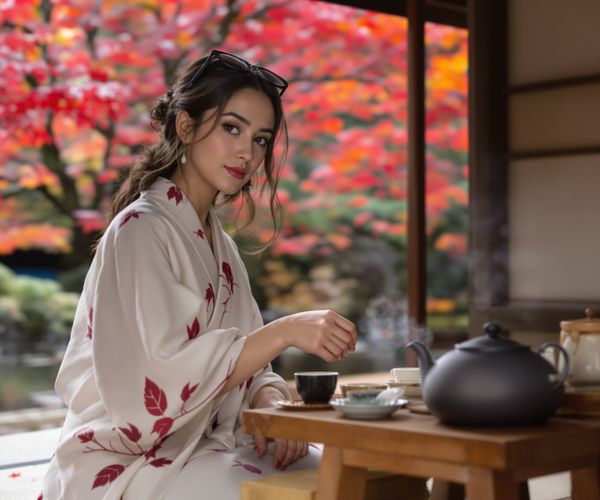
For instance, during a trip to Japan, I learned the importance of bowing. It's not just a sign of respect but also a complex system used to convey status and gratitude. By observing and attempting to emulate the locals, I was able to navigate social situations more smoothly and show my genuine respect for their traditions.
Research Before You Go: Your Key to Cultural Sensitivity
Preparation is paramount. Before embarking on any trip, take the time to research the local customs and traditions of your destination. This pre-trip research is your key to cultural sensitivity and will significantly enhance your travel experience.
There are numerous resources available to help you understand cultural norms. Travel blogs, guidebooks, and official tourism websites are excellent starting points. Focus your research on key areas such as greetings, dress codes, dining etiquette, gestures, and gift-giving. Understanding these aspects will help you avoid unintentional faux pas and show respect for the local culture.
Greetings and Gestures: A Universal Language with Local Dialects
Greetings and gestures are a universal language, but their meanings can vary significantly across cultures. Understanding these nuances is crucial for making a positive first impression.
For example, while a handshake is common in the United States, bowing is customary in Japan. In France, cheek kissing is a common greeting among friends and acquaintances. Being aware of these differences can help you navigate social situations with grace and avoid unintentional offense.
Conversely, some gestures can be offensive in certain cultures. A thumbs-up, which is generally positive in Western cultures, is considered rude in parts of the Middle East. Showing the sole of your foot is disrespectful in many Muslim countries, and using your left hand for eating or giving is considered unclean in India.
Dining Etiquette: Navigating Mealtime Manners
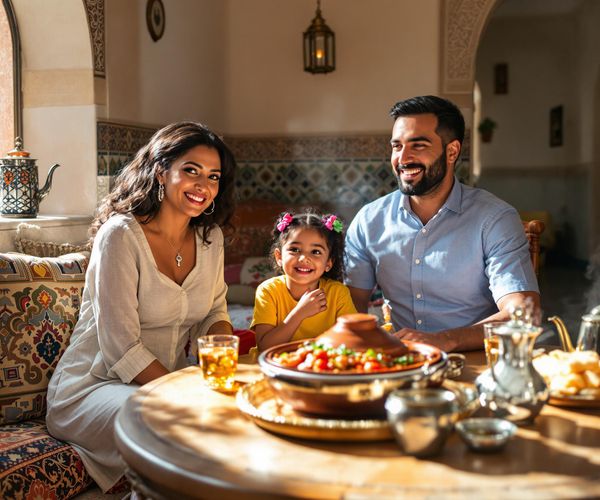
Dining etiquette reflects cultural values and traditions. Understanding mealtime manners is essential for showing respect and enjoying a harmonious dining experience.
In many Asian countries, using chopsticks is the norm, and there are specific rules about how to use them properly. In India, it's customary to eat with your right hand, as the left hand is considered unclean. In some parts of China, it's considered polite to leave a small amount of food on your plate to indicate that you've had enough to eat.
Before traveling, research the dining etiquette of your destination. Learn about tipping customs, appropriate utensils, and any specific rules or traditions that may be observed.
Dress Codes and Religious Practices: Showing Respect in Sacred Spaces
When visiting religious sites, it's essential to dress modestly and respectfully. This shows reverence for the local culture and avoids causing offense.
Many European churches require visitors to cover their shoulders and knees. In Buddhist temples, it's customary to wear modest clothing and remove your shoes before entering. Being mindful of these dress code requirements demonstrates respect for the sacredness of the space.
Additionally, be aware of other ways to show respect in religious spaces. Observe prayer times, avoid making loud noises, and refrain from taking photographs without permission.
Photography Etiquette: Capturing Memories Respectfully
Photography is a wonderful way to capture memories, but it's important to be mindful of cultural sensitivities. Always ask for permission before taking photos of people, especially in traditional or rural areas.
Some locations, such as religious sites and government buildings, may have restrictions on photography. Be aware of these rules and respect any limitations that may be in place.
Be a considerate photographer. Respect people's privacy, avoid intrusive behavior, and be mindful of cultural sensitivities. Remember that you are a guest in their community, and your actions should reflect respect and appreciation.
Gift-Giving Traditions: Building Bridges with Thoughtful Gestures
Gift-giving can be a wonderful way to strengthen relationships and show appreciation, but it's important to do it thoughtfully and with cultural sensitivity.
In China, giving clocks as gifts is considered bad luck because the phrase sounds similar to attending a funeral. In Japan, the presentation of a gift is just as important as the gift itself. Gifts should be wrapped carefully and presented with both hands.
Before giving a gift, research the gift-giving traditions of the local culture. Understand any cultural sensitivities and choose a gift that is appropriate and meaningful.
When Mistakes Happen: Handling Cultural Faux Pas with Grace
Despite our best efforts, we may sometimes make mistakes and accidentally offend someone. When this happens, it's important to handle the situation with grace and humility.
Apologize sincerely and show a willingness to learn from your mistake. Acknowledge that you have made an error and express your regret for any offense caused.
During a trip to India, I unknowingly used my left hand to offer food to a local. When someone gently pointed out my mistake, I immediately apologized and explained that I was unaware of the custom. The person was understanding and appreciated my sincere apology. This experience taught me the importance of being open to learning and willing to admit when I've made a mistake.
Understanding and respecting cultural etiquette is more than just good manners; it's about fostering genuine connections and enriching our travel experiences. Join Fatima El Khoury as she shares insights and stories from her journeys.