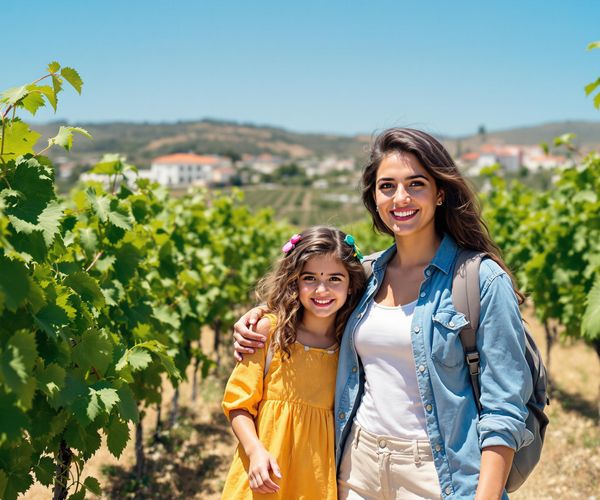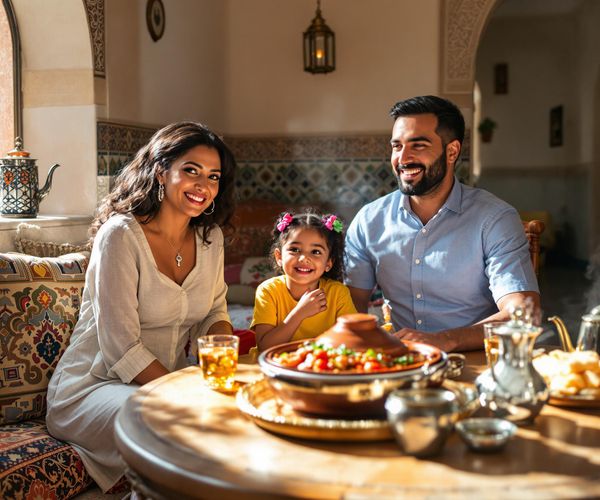
As a Lebanese expat living in Toronto, I've learned that traveling is about more than just seeing new places; it's about experiencing new cultures. And the key to a successful cultural immersion? Packing smart. Over the years, I've honed my packing skills, especially when traveling with my family. Here’s my guide to packing for a fulfilling cultural adventure.
Understanding the Cultural Landscape
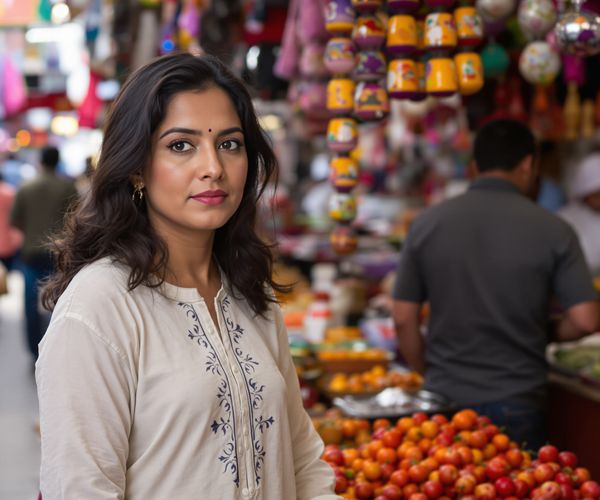
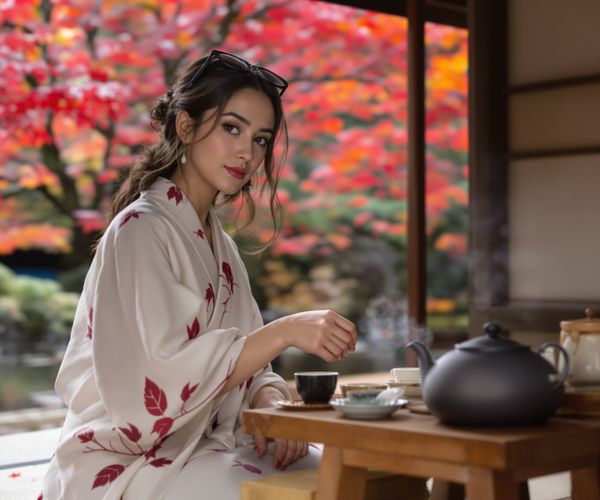
Before you even think about what to pack, do your homework. Understanding local customs and dress codes is crucial. What’s perfectly acceptable in Toronto might raise eyebrows elsewhere. For instance, when we visited the Middle East, I made sure to pack modest clothing out of respect for local traditions. Similarly, when exploring temples in Asia, it's important to dress respectfully, often covering shoulders and knees. Appropriate clothing isn't just about avoiding offense; it's a sign of respect that can enhance your interactions with locals and open doors to richer experiences.
Building a Versatile Capsule Wardrobe
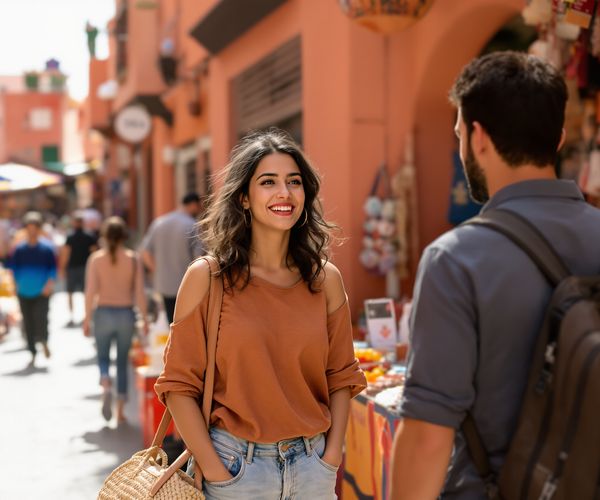
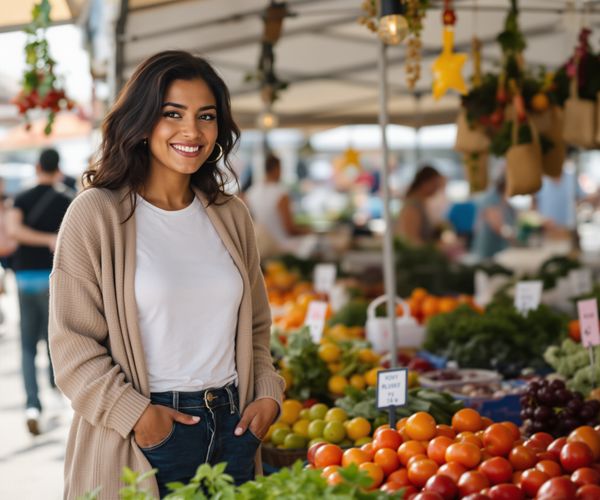
The cornerstone of smart packing is a versatile capsule wardrobe. Stick to neutral colors that can be mixed and matched to create numerous outfits. My go-to items include basic tank tops, white t-shirts, a denim blouse, linen shirts and pants, and a maxi skirt or dress. These items can be dressed up or down, making them suitable for various occasions. I also swear by fabrics that are wrinkle-resistant, moisture-wicking, and quick-drying. Merino wool and synthetics are fantastic choices because they keep you comfortable and looking presentable, even after a long day of exploring.
Essential Gear for Cultural Exploration
Beyond clothing, certain gear is essential for cultural exploration. A lightweight backpack that balances size and functionality is a must. You want something comfortable enough to carry all day but not so bulky that it becomes a burden. Don't forget must-have gadgets like translation apps to help you communicate, portable chargers to keep your devices running, and of course, your photography equipment to capture those unforgettable moments. A personal first-aid kit is also non-negotiable. Include any necessary medications, pain relievers, and basic health supplies to handle minor ailments on the go.
Culturally Appropriate Attire: Tips and Examples
Packing modest clothing is particularly important for certain regions. When visiting religious sites, longer skirts or trousers are often required. I always pack a scarf; it’s incredibly versatile and can be used to cover my head in temples or to add an extra layer of warmth. Be mindful of clothing with offensive symbols or slogans. What might seem harmless to you could be misinterpreted or cause offense in another culture. It’s always better to err on the side of caution and choose clothing that is respectful and considerate of local customs.
Packing Strategies for Family Cultural Trips
Traveling with Lina adds another layer to my packing strategy. I involve her in the process, letting her choose some of her outfits, which makes her feel like a part of the adventure. Packing cubes are a lifesaver for organizing clothing and accessories by family member. This keeps everything neat and easily accessible, especially when you’re living out of a suitcase. And of course, snacks and comfort items are essential for all ages. A familiar toy or blanket can work wonders for a child adjusting to a new environment.
Adapting to Climate and Weather Changes
Unexpected weather changes can make or break a trip, so layering is key. Versatile clothing items that serve multiple purposes are your best friend. A dress can double as a beach cover-up, and a light jacket can be dressed up for an evening out. Fabrics like cotton and linen are breathable and perfect for hot climates, while wool and fleece provide warmth in cooler temperatures. Being prepared for any weather ensures that you can focus on enjoying your cultural experiences without being uncomfortable.
Practical packing tips for travelers focused on cultural experiences, emphasizing versatility and essential gear.