Traveling opens our eyes to the world, but it also places a responsibility on our shoulders: to be mindful and respectful of the cultures we encounter. As someone with roots in Burkina Faso and now living in the Netherlands, I've learned that cultural sensitivity is not just a nice-to-have, it's the very foundation of meaningful travel.
The Heart of Travel: Why Cultural Sensitivity Matters
Cultural sensitivity is paramount because it transforms travel from a mere sightseeing activity into a profound exchange. When we respect local customs, we honor the traditions and values of the people who call a place home. This respect, in turn, enriches our own experiences. Imagine being welcomed with open arms because you took the time to learn a few phrases in the local language or dressed in a way that aligns with local norms. These small gestures can create significant positive impacts.
Moreover, cultural sensitivity fosters positive relationships. It bridges gaps, breaks down stereotypes, and builds mutual understanding between travelers and host communities. It's about recognizing that every culture has its own unique perspective and that there is value in learning from these differences. By practicing cultural sensitivity, we contribute to a more connected and harmonious world.
I remember once traveling to a small village in Thailand. Before my trip, I researched appropriate attire for visiting temples and learned a few basic Thai phrases. When I arrived, I made an effort to dress modestly and greet people in their language. The locals were incredibly welcoming, inviting me to share meals and participate in their daily activities. This immersive experience wouldn't have been possible without showing respect for their culture.
Before You Go: Research and Preparation
Preparation is key to cultural sensitivity. Before embarking on a journey, dedicate time to researching the cultural nuances of your destination. Start with readily available resources such as books, documentaries, and online forums. Cultural guides can also provide valuable insights into local customs and etiquette.
Learning basic phrases in the local language goes a long way. Even simple greetings like hello, thank you, and excuse me can show respect and willingness to engage. It demonstrates that you're not just a tourist passing through but someone who values their culture enough to learn a bit of their language.
Identifying potential cultural faux pas is equally important. Research dress codes, dining etiquette, and social norms. For instance, in some cultures, pointing with your finger is considered rude, while in others, it's customary to remove your shoes before entering a home. Understanding these nuances can help you avoid unintentional offense.
Delving into the historical context and social norms of a place provides a deeper understanding. Knowing the history behind certain traditions can give you a greater appreciation for their significance. This knowledge not only enriches your travel experience but also allows you to engage more thoughtfully with the local community.
In the Moment: Engaging Respectfully
Engaging respectfully with local traditions and customs requires mindfulness and adaptability. Pay attention to your attire and behavior in different cultural settings. What might be acceptable in one place could be considered offensive in another. For example, in some conservative societies, dressing immodestly can be seen as disrespectful.
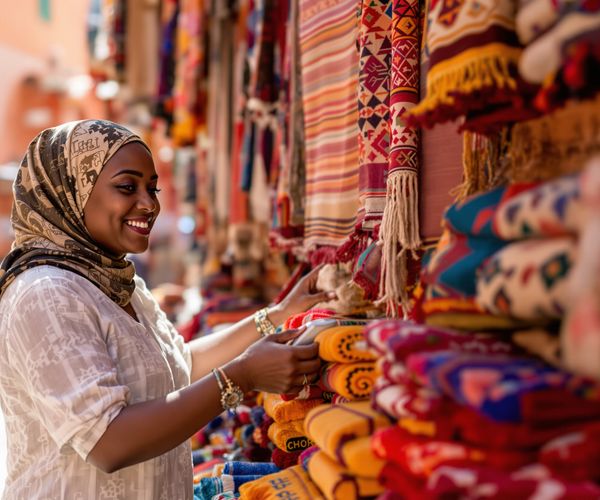
Always ask for permission before taking photographs of people or sacred sites. Some individuals may not want their picture taken for religious or personal reasons. Respecting their wishes is crucial. When interacting with local vendors, negotiate prices respectfully. Remember that haggling is a common practice in many cultures, but it should be done with a friendly and fair attitude.
Dining etiquette varies widely around the world. In some cultures, it's customary to eat with your hands, while in others, using utensils is preferred. Similarly, gift-giving customs differ. Research appropriate gifts and how to present them. In Japan, for example, it's customary to present gifts with both hands.
Ultimately, being open-minded, adaptable, and willing to learn from local experiences is essential. Embrace the unfamiliar, be curious, and approach every interaction with a sense of humility. Remember, travel is an opportunity to broaden your horizons and challenge your preconceptions.
Case Studies: Examples of Cultural Sensitivity in Action
Consider the story of a group of volunteers who traveled to Nepal to help rebuild a school after an earthquake. Before starting their work, they took the time to learn about local customs and traditions. They consulted with village elders, sought their guidance on building practices, and participated in community rituals. As a result, they were able to build a school that not only met the community's needs but also honored their cultural heritage.
Another example is a traveler who visited a remote tribe in Papua New Guinea. Instead of imposing their own ideas and values, they spent time listening to the tribe's stories, learning about their beliefs, and participating in their ceremonies. This immersive experience allowed them to build deep connections with the community and gain a profound understanding of their way of life.
These examples demonstrate the power of cultural sensitivity in fostering positive travel experiences. By approaching each destination with respect, curiosity, and a willingness to learn, travelers can create meaningful connections and contribute to a more interconnected world.
My Roots, My Travels: A Burkinabé Perspective
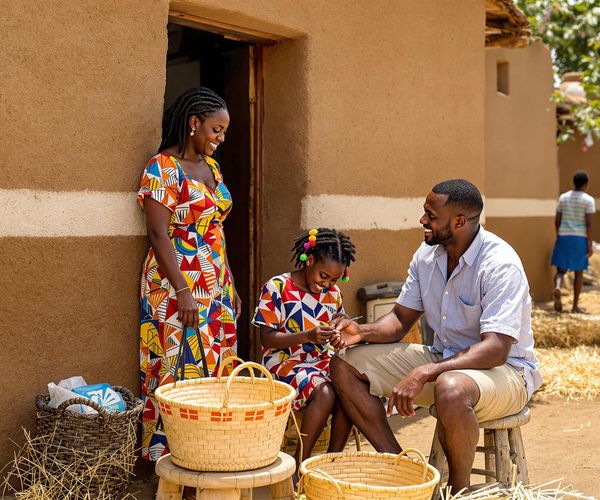
Growing up in Houndé, Burkina Faso, instilled in me a deep appreciation for community and cultural heritage. Our traditions, from the vibrant music and dance to the intricate craftsmanship, are an integral part of our identity. This upbringing has shaped my approach to travel and cultural exchange.
One of the unique cultural customs of Burkina Faso is the tradition of storytelling. In our culture, stories are not just a form of entertainment but a way to pass down knowledge, values, and history from one generation to the next. When I travel, I try to engage with locals by listening to their stories and sharing my own.
As a Burkinabé traveler, I feel a responsibility to represent my culture with pride and respect. I always make an effort to share aspects of our traditions, whether it's through cooking Burkinabé cuisine for new friends or sharing stories about our history. It's about creating a bridge between cultures and fostering mutual understanding.
Ultimately, cultural sensitivity is about recognizing our shared humanity. It's about acknowledging that while our cultures may differ, we are all part of the same global community. By embracing cultural sensitivity, we can create a world where travel is not just an adventure but a force for positive change.
Explore the crucial role of cultural sensitivity in travel, emphasizing respect for local customs, enriching experiences, and fostering mutual understanding. Discover practical tips, case studies, and personal insights.