As a renewable energy consultant with roots deeply planted in Burkina Faso, I, Fatimata Sawadogo, have always believed in the power of mindful choices. This extends beyond my work into my travels, where I strive to make a positive impact wherever I go. One crucial aspect of responsible travel is ethical fashion. Join me as I explore how to shop responsibly while traveling, supporting ethical brands and local artisans along the way.
Why Ethical Fashion Matters for Travelers
The fashion industry, while glamorous on the surface, has a dark underbelly when it comes to environmental impact. From water pollution caused by textile dyeing to carbon emissions from manufacturing and transportation, the industry's footprint is significant. Moreover, many garment workers face unfair labor practices, including low wages and unsafe working conditions. As travelers, we have the opportunity to make a difference.
Our consumer choices directly affect local economies and communities. By supporting ethical fashion, we can help create a more sustainable and equitable industry that values both people and the planet. Travel, for me, isn't just about seeing new places; it's about connecting with a global community and taking responsibility for our impact.
Understanding 'Ethical Fashion'
So, what exactly is ethical fashion? It encompasses fair labor practices, sustainable materials, and transparency throughout the supply chain. It means ensuring that garment workers are paid fair wages, work in safe conditions, and have their rights respected. It also means using eco-friendly materials and minimizing waste.
When shopping for ethical fashion, look for certifications like Fair Trade, GOTS (Global Organic Textile Standard), and WRAP (Worldwide Responsible Accredited Production). These certifications indicate that a product meets certain social and environmental standards. Be wary of 'greenwashing,' where brands deceptively market themselves as sustainable without making real changes. Always dig deeper and ask questions about a brand's practices.
Practical Tips for Ethical Shopping on the Road
Before embarking on your trip, take some time to research ethical brands and local artisans in your destination. Websites like DoneGood and directories on Remake can help you find companies committed to ethical practices. Look for artisan cooperatives and fair trade shops that directly support local communities.
When you're at a market or boutique, don't hesitate to ask vendors about the sourcing and production of their products. Questions like Where are your products made? and Who made this item? can help you determine whether a product is truly ethically made. Supporting fair trade shops and cooperatives ensures that your money goes directly to the artisans and communities who created the products.
Spotting Sustainable Materials
One of the key aspects of ethical fashion is the use of sustainable materials. Look for eco-friendly fabrics like organic cotton, linen, hemp, Tencel (lyocell), and recycled materials. Organic cotton is grown without harmful pesticides and fertilizers, while linen and hemp are naturally durable and require less water to grow. Tencel is made from sustainably sourced wood pulp and is produced in a closed-loop process that minimizes waste. Recycled materials, such as recycled polyester, give new life to discarded plastic bottles and other waste products.
Each of these materials has its own unique benefits. Organic cotton is soft and breathable, linen is lightweight and airy, and hemp is strong and durable. By choosing these materials, you can reduce your environmental impact and support sustainable agriculture. Avoid unsustainable materials like conventional cotton, which is heavily reliant on pesticides, and synthetic fabrics made from petroleum.
Supporting Local Artisans and Communities
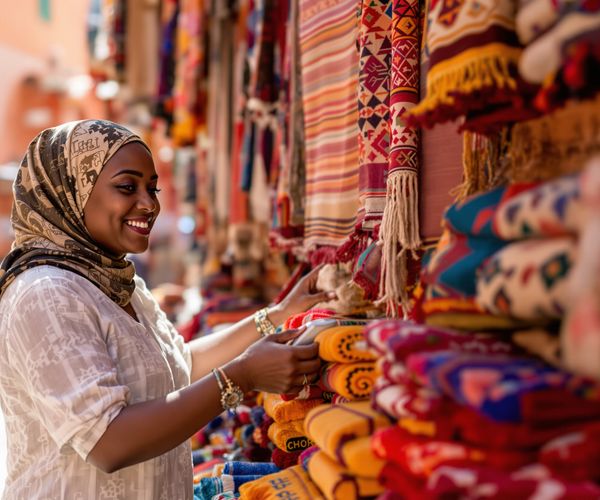
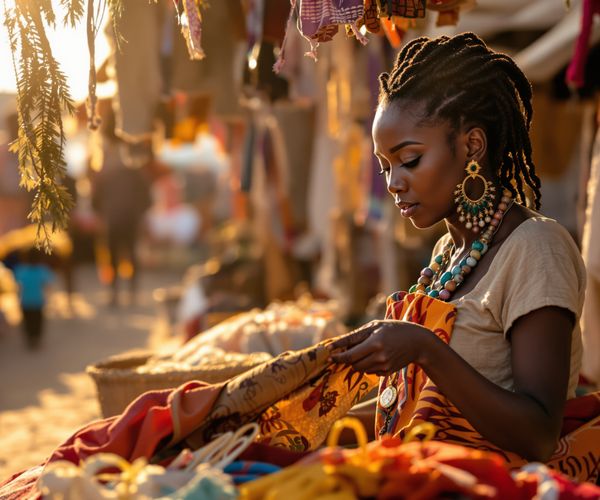
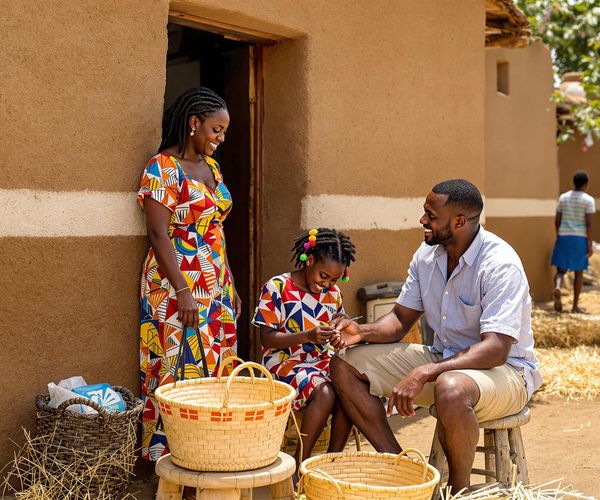
Buying directly from artisans is one of the most impactful ways to support ethical fashion. It ensures that artisans receive a fair price for their work and that their cultural heritage is preserved. In many communities, traditional crafts are passed down through generations, providing livelihoods and maintaining cultural identity.
During my travels, I've encountered numerous community-based tourism initiatives that empower local artisans. In one village in Burkina Faso, I visited a women's cooperative that produces handwoven textiles using traditional techniques. By purchasing their products, I was not only acquiring a beautiful piece of art but also contributing to the economic well-being of the community. These experiences remind me of the importance of connecting with local cultures and supporting sustainable livelihoods.
Building a Travel Capsule Wardrobe
One of the best ways to shop responsibly while traveling is to build a travel capsule wardrobe. This involves creating versatile outfits with a few key pieces that can be mixed and matched to create different looks. Choose neutral colors and timeless styles that can be easily dressed up or down. A capsule wardrobe not only minimizes luggage but also encourages you to be more intentional about your purchases.
Opt for multipurpose items that can serve multiple functions. A sarong, for example, can be used as a scarf, a beach cover-up, or even a skirt. A versatile dress can be worn on its own or layered with a sweater or jacket. By carefully selecting your travel wardrobe, you can reduce the number of items you need to buy and minimize your environmental impact.
Ethical Accessories and Extras
Don't forget about accessories and extras when building your ethical travel wardrobe. Look for sustainable sunglasses made from recycled materials, hats made from organic cotton, and shoes made from recycled rubber. Bring reusable bags and water bottles to reduce waste. Consider packing ethical toiletries and beauty products made with natural and sustainable ingredients.
Maintaining Your Ethical Wardrobe on the Go
Once you've curated your ethical travel wardrobe, it's important to maintain it properly while on the go. Follow the care instructions on your garments and wash them gently using eco-friendly detergents. Extend the life of your garments by repairing them instead of replacing them. Learn basic sewing skills so you can mend tears and reattach buttons. By taking care of your clothes, you can reduce waste and minimize your environmental impact.
Learn how to make mindful fashion choices while traveling, supporting ethical brands and local artisans. Discover the impact of consumer choices on local economies.